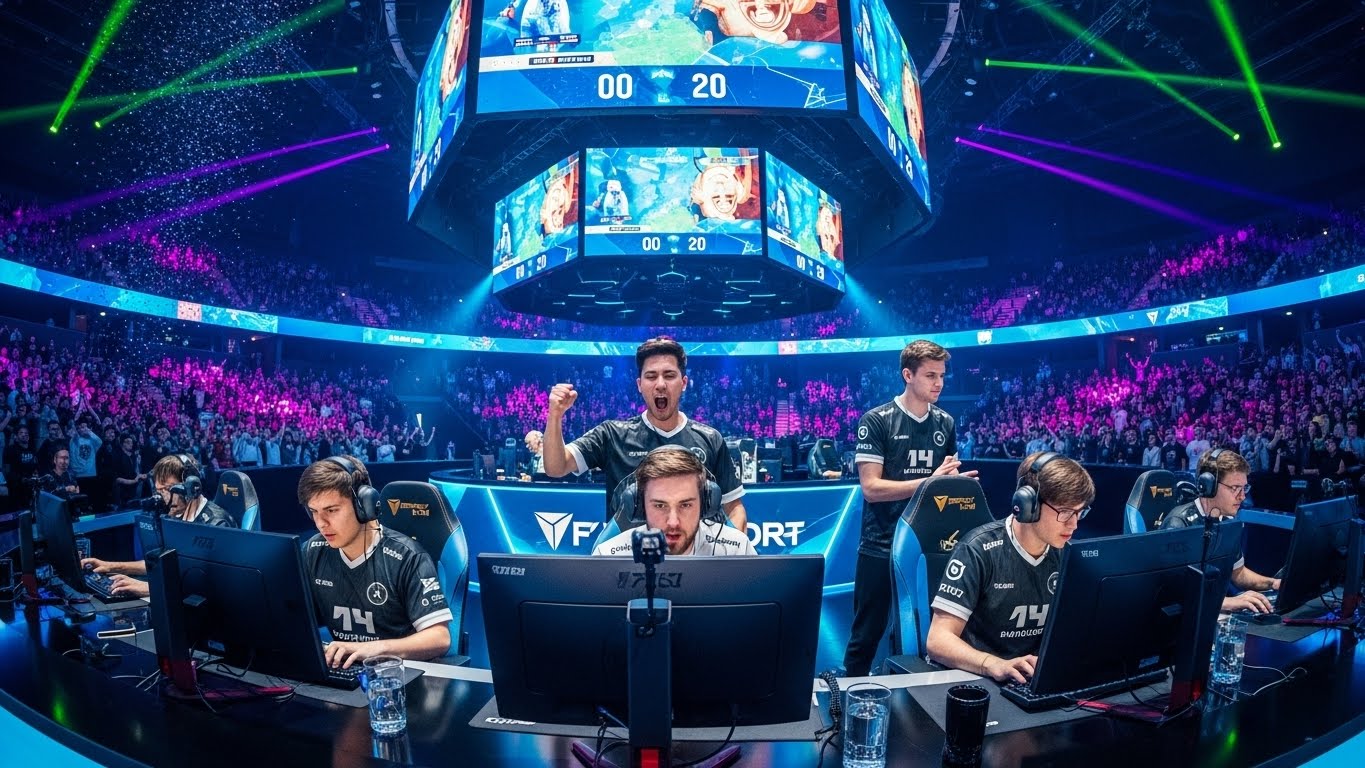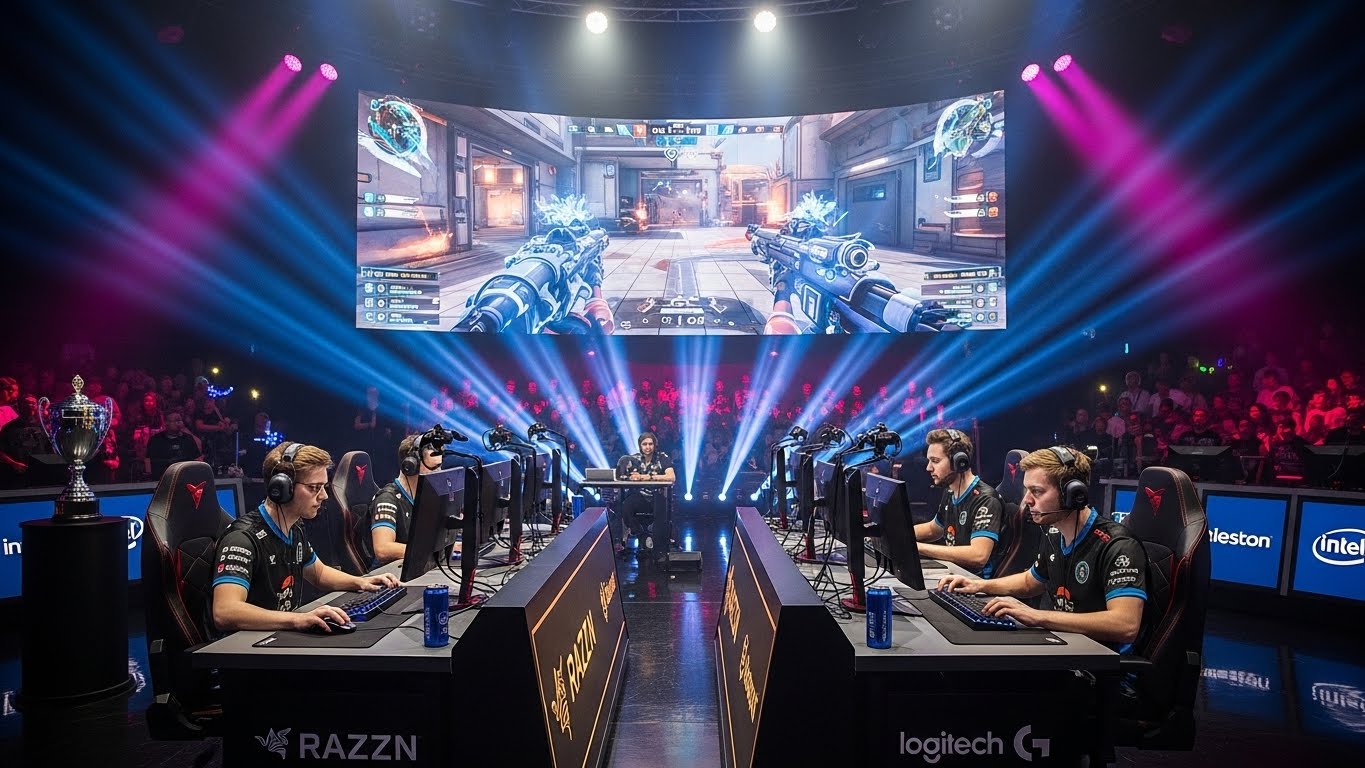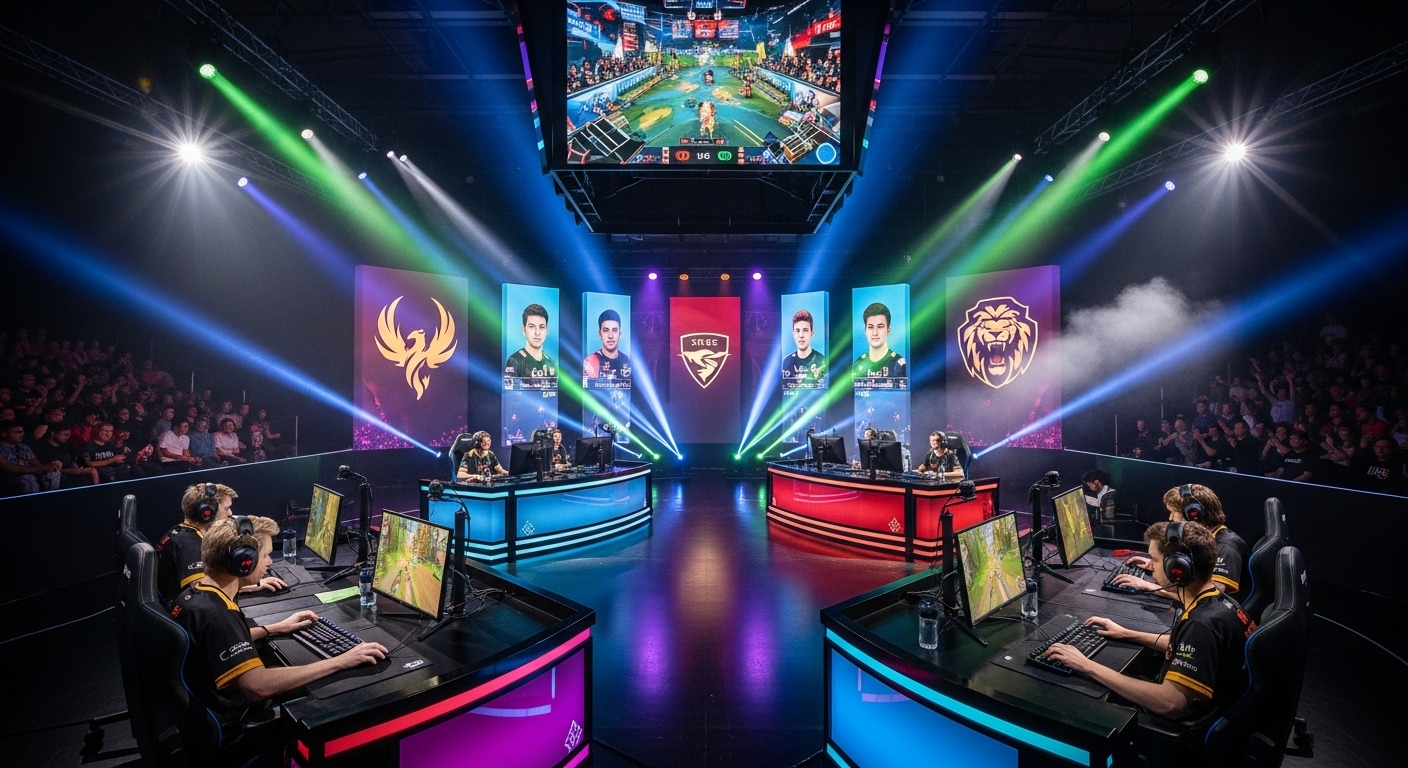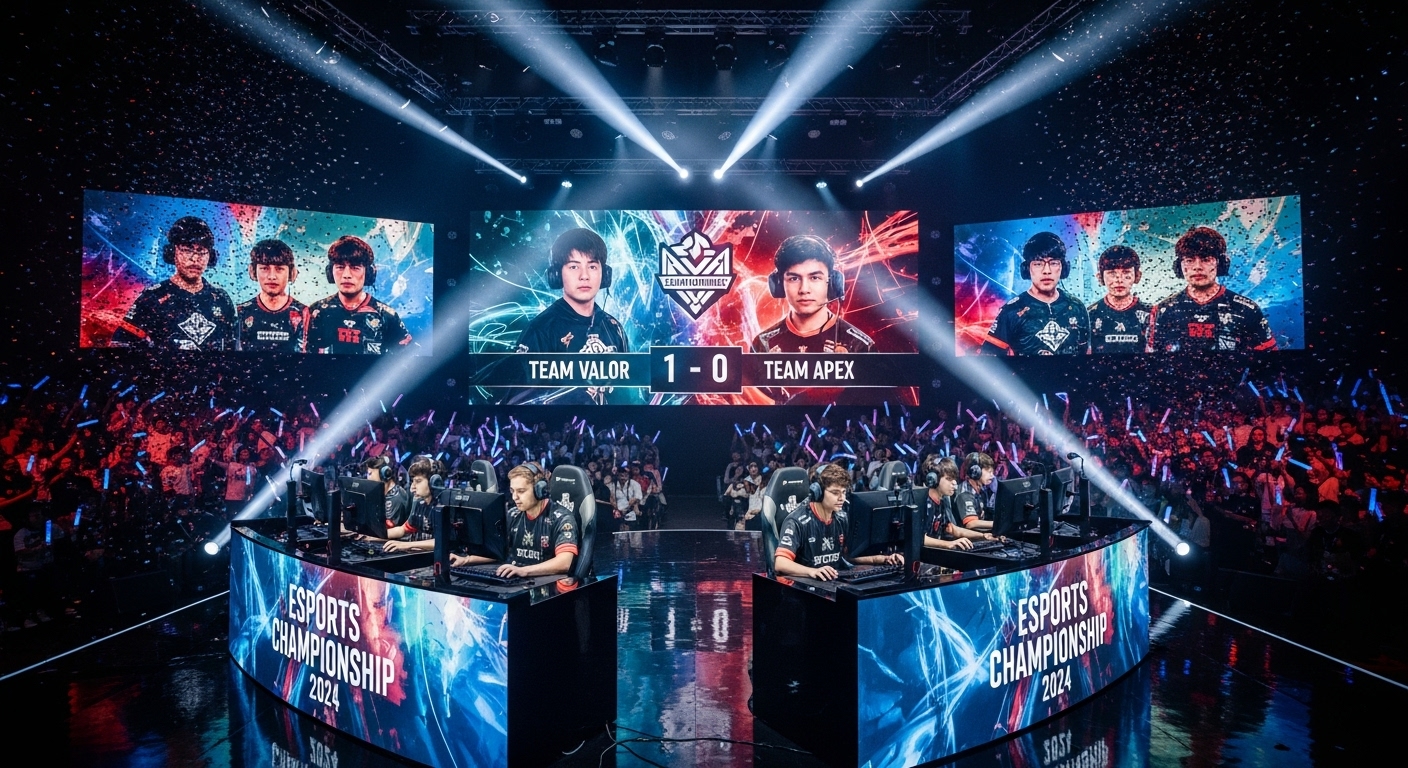
eSports, short for electronic sports, has transformed from a niche hobby into a global phenomenon over the past two decades. What began as informal competitions among friends playing video games has evolved into a professional industry with structured leagues, massive prize pools, global fanbases, and celebrity players. Today, eSports is more than just gaming—it is a cultural, economic, and technological force that influences entertainment, media, and even traditional sports. This blog explores the rise of eSports, its competitive landscape, technological innovations, social and economic impacts, and the future of professional gaming.
The Origins of eSports
The concept of competitive gaming is not new. Even in the 1970s and 1980s, video game competitions existed, albeit on a much smaller scale. Early tournaments such as the 1980 Space Invaders Championship in the United States attracted thousands of participants, signaling the public’s growing interest in organized gaming.
The 1990s marked a turning point as local and national competitions expanded. Games like “Street Fighter,” “StarCraft,” and “Quake” became staples of competitive gaming, often hosted in arcades or through LAN (Local Area Network) events. These early tournaments laid the foundation for the professionalization of eSports, demonstrating that competitive gaming could attract large audiences and inspire dedicated communities.
The late 1990s also saw the emergence of online multiplayer gaming, which was critical to the development of eSports. Games like “Counter-Strike” and “Warcraft III” allowed players from different regions to compete virtually, creating international rivalries and fostering global competition.
The Rise of Professional eSports
By the early 2000s, eSports had begun to formalize into professional leagues and structured tournaments. South Korea became a pioneer in the professional gaming scene, particularly with the rise of “StarCraft” as a national pastime. Professional players received salaries, sponsorships, and fan recognition comparable to traditional athletes. Television networks even broadcast competitions, bringing eSports into mainstream media.
North America and Europe followed, with organizations forming teams, leagues, and tournaments that mirrored traditional sports structures. Franchised leagues, such as the League of Legends Championship Series, established clear paths for talent development, competitive integrity, and fan engagement. These professional structures ensured that eSports was not merely a hobby but a legitimate career path for skilled gamers.
Popular eSports Titles
The eSports industry is driven by specific games that define competitive play. Each game has unique mechanics, communities, and professional circuits, attracting players and viewers worldwide.
1. Multiplayer Online Battle Arena (MOBA) Games:
Games like “League of Legends” and “Dota 2” are among the most popular eSports titles. Players compete in teams to destroy the opponent’s base while controlling characters with unique abilities. MOBAs require strategic thinking, coordination, and quick reflexes, making them ideal for competitive play.
2. First-Person Shooters (FPS):
FPS games such as “Counter-Strike: Global Offensive,” “Call of Duty,” and “Overwatch” focus on precision, teamwork, and reaction time. These games have highly competitive scenes, often featuring tournaments with substantial prize pools and international audiences.
3. Battle Royale Games:
Titles like “Fortnite” and “PUBG” combine survival, exploration, and last-player-standing mechanics. Battle Royale games have gained massive popularity due to their dynamic gameplay, large-scale maps, and spectator-friendly formats.
4. Fighting Games:
Fighting game tournaments, including “Street Fighter,” “Tekken,” and “Super Smash Bros.,” emphasize skill, timing, and strategy in one-on-one matchups. The fighting game community has been instrumental in maintaining grassroots eSports competitions.
5. Sports Simulations and Racing Games:
Games such as “FIFA,” “NBA 2K,” and “Gran Turismo” simulate traditional sports and racing, allowing players to compete in digital versions of real-world competitions. These games attract fans of both gaming and sports, bridging the two industries.
eSports Leagues and Tournaments
Structured leagues and tournaments are at the heart of professional eSports. Competitions like The International for Dota 2, the League of Legends World Championship, and the Overwatch League offer multi-million-dollar prize pools and global viewership. These events are often hosted in arenas, broadcast online, and attract sponsorships from major brands.
Tournaments follow formats similar to traditional sports, including round-robin stages, playoffs, and grand finals. Online qualifiers allow players from various regions to compete for a chance at global recognition, promoting inclusivity and discovering new talent.
Streaming platforms, such as Twitch and YouTube Gaming, play a pivotal role in broadcasting tournaments. Millions of viewers watch matches live, analyze strategies, and engage with players through chat, creating a dynamic and interactive fan experience.
The Role of Teams and Organizations
Professional eSports teams are structured similarly to traditional sports franchises. Teams consist of players, coaches, analysts, and support staff, all working together to achieve success. Organizations often secure sponsorships from tech companies, apparel brands, and energy drinks, providing financial stability and exposure for players.
Teams invest in training facilities, nutrition programs, and mental health resources to ensure peak performance. Many organizations also maintain youth or academy teams, nurturing new talent and creating a pipeline for professional competition. The professionalism and organization of these teams have elevated eSports to a level comparable with traditional athletic sports.
Technology and eSports
Technology is fundamental to the growth and sustainability of eSports. High-speed internet, advanced gaming hardware, and streaming infrastructure enable seamless gameplay and global connectivity. Professional players rely on high-performance PCs, gaming consoles, and peripherals to ensure precision and responsiveness.
Data analytics and performance tracking are increasingly used to enhance strategies. Teams analyze gameplay metrics, opponent tendencies, and in-game decision-making to optimize performance. AI-driven tools can simulate matches, predict outcomes, and provide insights that were previously impossible to obtain.
Streaming technology has transformed eSports into a spectator sport. Viewers can watch live matches in high definition, interact with players and commentators, and participate in online communities. Virtual and augmented reality technologies are also emerging, creating immersive experiences for both players and fans.
Economic Impact of eSports
The economic footprint of eSports is vast and growing. Revenue comes from multiple streams, including sponsorships, media rights, advertising, merchandise, ticket sales, and in-game purchases. Major tournaments offer prize pools exceeding tens of millions of dollars, drawing elite players from around the world.
eSports has created career opportunities beyond professional play. Coaches, analysts, commentators, content creators, and event organizers contribute to a thriving ecosystem. The industry also drives innovation in streaming technology, gaming hardware, and digital marketing.
Brands outside the traditional gaming sector recognize the value of eSports as a marketing platform. Companies sponsor events, teams, and individual players to reach global, digitally-savvy audiences. This commercial integration underscores the legitimacy and mainstream appeal of competitive gaming.
The Social and Cultural Impact
eSports has cultivated vibrant communities that extend beyond the games themselves. Online forums, social media groups, and streaming platforms provide spaces for fans to discuss strategies, share content, and celebrate achievements. The social aspect of eSports fosters collaboration, mentorship, and lifelong friendships.
Culturally, eSports has influenced entertainment, fashion, music, and lifestyle. Professional players have become celebrities, inspiring fan followings similar to traditional athletes and pop stars. Gaming conventions and live events celebrate the culture of competition and creativity, attracting thousands of fans worldwide.
eSports also intersects with education. Some universities now offer eSports scholarships, programs, and research initiatives, acknowledging gaming as a legitimate academic and career pursuit. The recognition of eSports as a professional and cultural phenomenon has challenged traditional perceptions of gaming as a mere hobby.
Mental and Physical Aspects of Professional Play
Competitive gaming demands a combination of mental acuity, reflexes, strategy, and teamwork. Professional players undergo rigorous training regimens, often exceeding eight hours of practice per day. Cognitive skills such as decision-making, situational awareness, and multitasking are critical for success.
Physical health is also essential. Long hours of gameplay can lead to repetitive strain injuries, eye strain, and poor posture. To address this, teams incorporate physical fitness routines, ergonomic equipment, and regular breaks into training schedules. Mental health is equally prioritized, with psychologists and support staff helping players manage stress, burnout, and public scrutiny.
The holistic approach to training highlights the professionalization of eSports, emphasizing that success requires discipline, preparation, and balance—much like traditional sports.
The Future of eSports
The future of eSports promises further growth, innovation, and mainstream integration. Emerging technologies such as virtual reality, augmented reality, and cloud gaming will enhance immersion, accessibility, and interactivity. VR arenas may allow spectators to experience matches from within the game world, creating unparalleled engagement.
The expansion of mobile eSports is also notable. Games optimized for smartphones attract new demographics and regions, democratizing competitive play and increasing global participation. International collaboration and cross-border leagues will continue to strengthen the global nature of eSports.
Education and professional development within eSports will expand, creating formalized training programs, certifications, and career pathways. The industry is likely to achieve even greater legitimacy as a recognized sport, with increased representation in mainstream media, sponsorships, and public institutions.
Challenges and Controversies
Despite its success, eSports faces challenges. Regulatory issues, such as player contracts, match-fixing, and gambling, require oversight and transparency. Intellectual property rights, cheating, and online harassment are ongoing concerns within competitive communities.
Monetization models also pose ethical questions. In-game purchases, loot boxes, and sponsorship practices can impact younger audiences and raise concerns about fairness. Industry leaders are actively addressing these issues through regulation, awareness campaigns, and responsible gaming initiatives.
Maintaining the integrity, sustainability, and inclusivity of eSports will be crucial for long-term growth and credibility.
Conclusion
eSports has evolved from small-scale competitions into a global, multi-billion-dollar industry. Its growth is driven by technology, innovation, and a passionate community of players and fans. From MOBAs and FPS games to live streaming and professional leagues, eSports combines entertainment, skill, and culture in a way that resonates across generations and geographies.