Introduction: The Rise of a New Sporting Era
In the 21st century, the world has witnessed an extraordinary transformation in entertainment and sports culture. What began as a niche hobby for gaming enthusiasts has evolved into a billion-dollar global industry — Esports. The term refers to organized, competitive video gaming, where individuals or teams face off in tournaments watched by millions worldwide. This digital phenomenon has blurred the line between virtual and physical competition, reshaping the way we perceive athleticism, spectatorship, and even community.
The growth of Esports has not been sudden but rather the result of decades of technological progress, community development, and cultural acceptance. From the early days of local arcade challenges to massive international arenas filled with cheering fans, Esports has become one of the most significant cultural and economic movements of the digital age.
The Origins of Esports: From Arcades to Online Arenas
The roots of Esports can be traced back to the late 1970s and early 1980s, when video games like Space Invaders, Pong, and Pac-Man captivated the imagination of a new generation. The Space Invaders Championship in 1980 is often cited as the first major Esports event, attracting thousands of participants across the United States. Although primitive by today’s standards, it was a groundbreaking moment — proving that gaming could unite players competitively on a large scale.
During the 1990s, the arrival of personal computers and local area networks (LANs) revolutionized gaming. Games like Doom, Quake, and StarCraft became the foundation for organized competitions. LAN parties became the gathering grounds for serious players, giving rise to professional gaming clans and early tournaments with modest prizes. The late 1990s also saw the creation of the Cyberathlete Professional League (CPL), one of the earliest organizations to formalize competitive gaming. It was around this time that Esports began to adopt the structure, professionalism, and fan culture we recognize today.
The Internet Revolution and the Birth of Online Competition
The expansion of broadband internet in the 2000s was a turning point. Players no longer needed to gather physically; they could compete from anywhere in the world. Games such as Counter-Strike, Warcraft III, and Halo became global phenomena. Online ladders, rankings, and community platforms allowed gamers to measure themselves against the world’s best.
This era also saw the emergence of major Esports tournaments, including World Cyber Games (WCG) and Electronic Sports World Cup (ESWC). These events showcased not just the competitive spirit but also the technological and cultural potential of Esports. For the first time, players began earning sponsorships and salaries, transitioning from passionate hobbyists to professional athletes in their own right.
Streaming and Spectatorship: The Game Changer
No single development has had as much impact on Esports as the rise of live-streaming platforms. The 2010s saw the emergence of services that allowed anyone to broadcast gameplay in real time. This democratized access to gaming content and opened the floodgates for audience growth. Millions could now watch their favorite players compete, learn strategies, and connect with gaming communities around the world.
Streaming turned Esports into a spectator sport comparable to football or basketball. Star players gained celebrity status, complete with fan bases, sponsorship deals, and media appearances. It wasn’t just about playing anymore — it was about performing, entertaining, and inspiring.
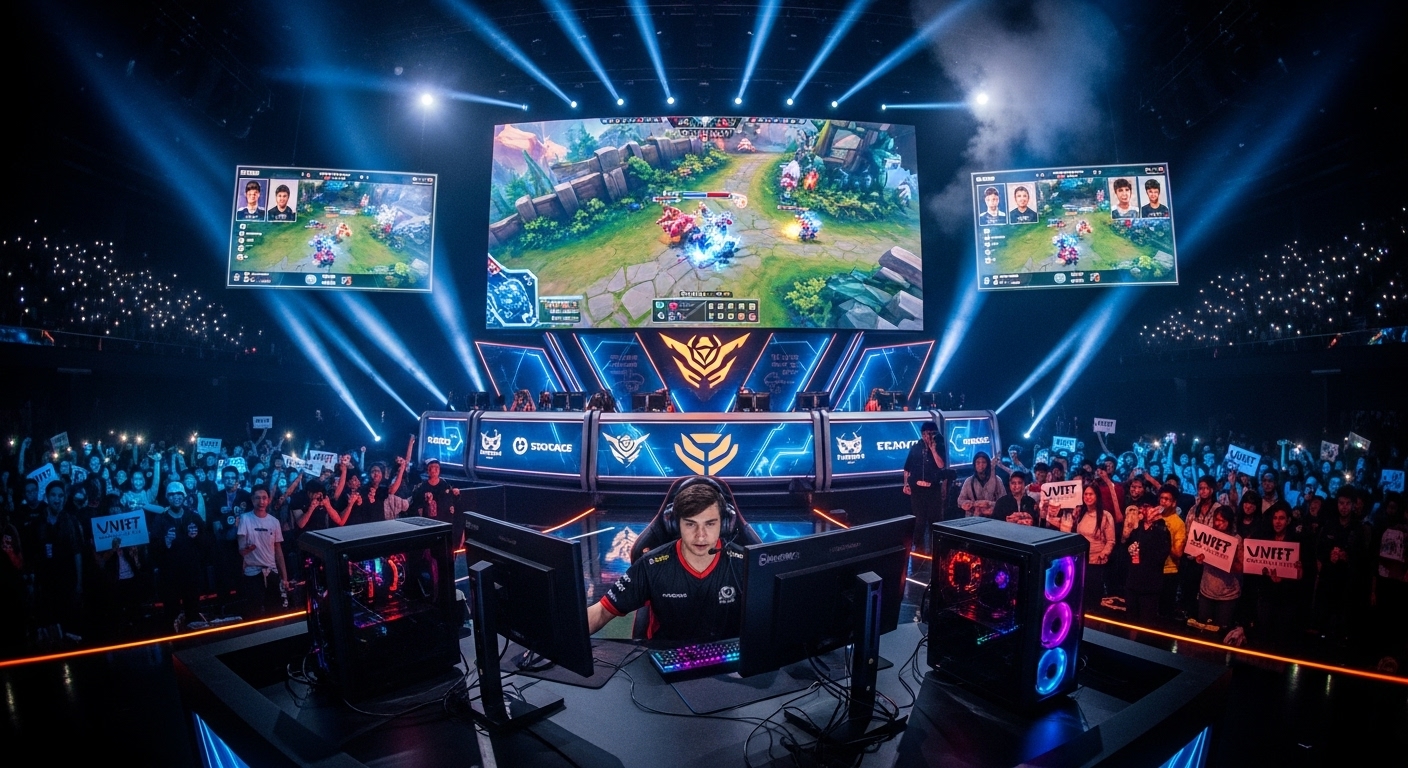
Esports tournaments began filling stadiums. The League of Legends World Championship and Dota 2’s The International attracted live audiences of tens of thousands and online viewership in the millions. The 2018 League of Legends finals, for example, drew more than 100 million viewers — rivaling traditional sports events like the Super Bowl. This was the definitive proof that Esports had transcended its subculture roots to become mainstream entertainment.
The Professional Esports Ecosystem
Today, Esports operates as a complex ecosystem involving players, teams, coaches, analysts, sponsors, broadcasters, and fans. The structure mirrors that of traditional sports organizations, with leagues, franchises, and regulatory bodies overseeing competitions.
Players and Teams
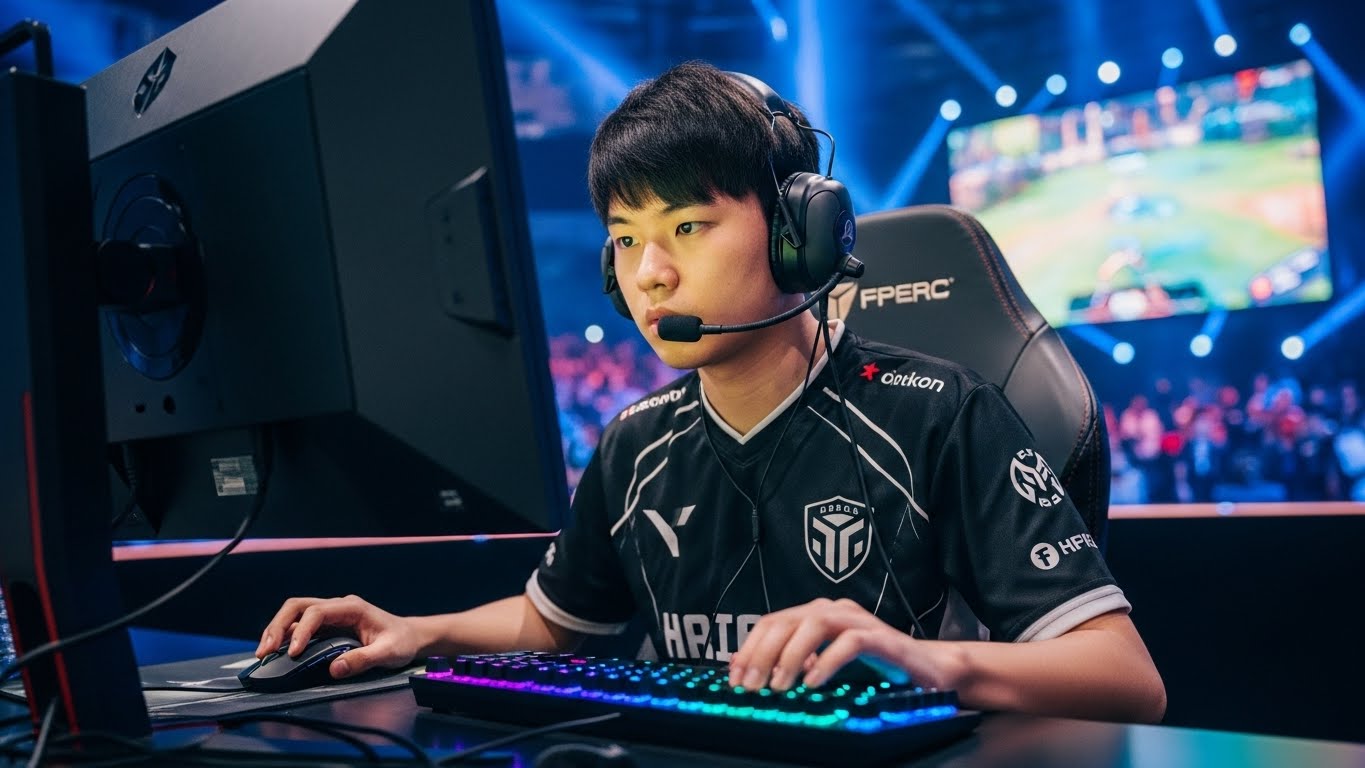
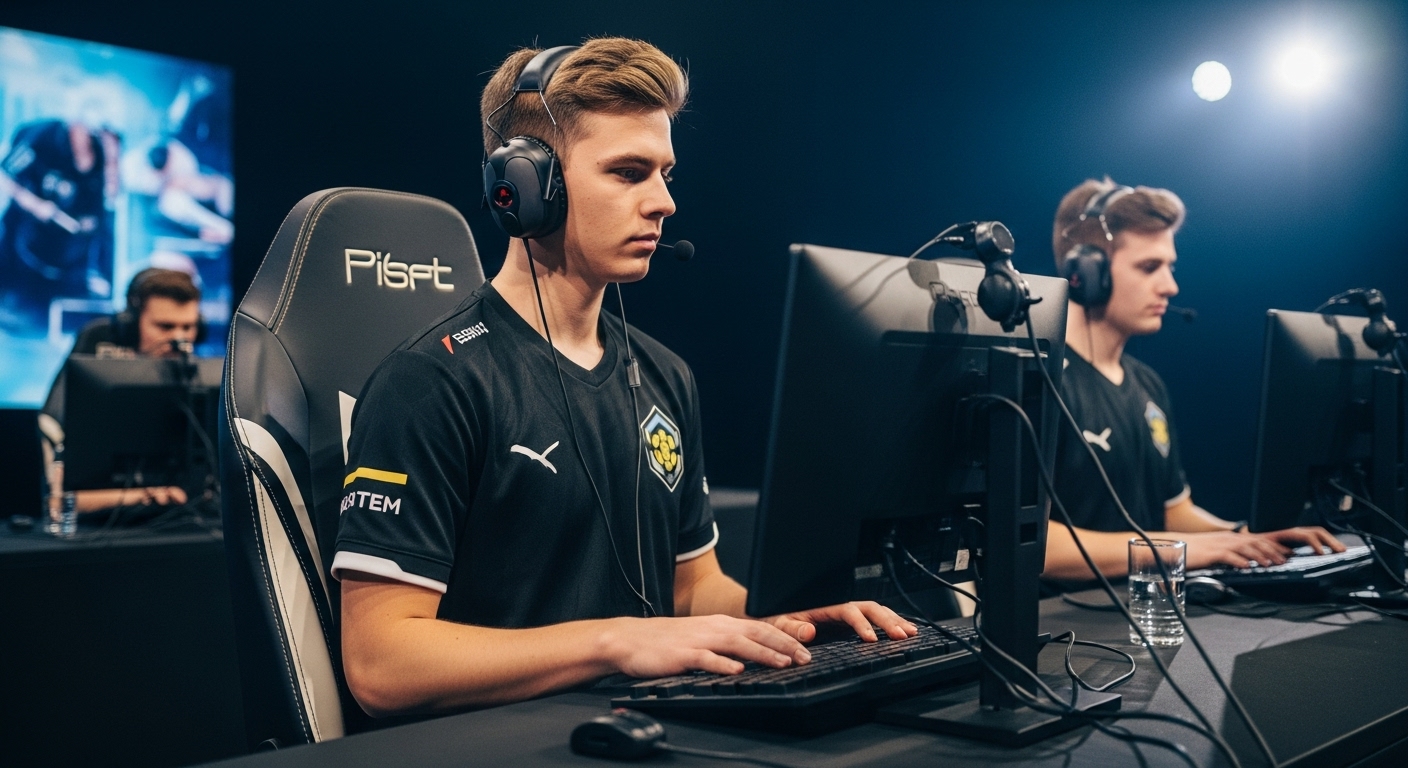
Professional players undergo rigorous training, often practicing for 8 to 12 hours a day. Teams consist of players with specific roles, such as strategists, supports, or snipers, depending on the game. Many organizations provide physical training, psychological support, and nutrition programs to maintain peak performance. Top-tier teams, like Team Liquid, Fnatic, and T1, have built global brands recognized even outside the gaming community.
Leagues and Tournaments
Esports features a mix of open tournaments and structured leagues. Games like Overwatch, Call of Duty, and League of Legends operate franchised systems similar to the NBA or NFL, where teams represent cities or regions. Meanwhile, open tournaments such as The International and Fortnite World Cup allow anyone skilled enough to compete for multi-million-dollar prizes. The variety of formats ensures accessibility and excitement for both new players and established professionals.
The Business of Esports: A Billion-Dollar Industry
The economic impact of Esports cannot be overstated. According to market analyses, the global Esports industry now exceeds one billion dollars in annual revenue, fueled by sponsorships, advertising, merchandise, and media rights. The real driver, however, is engagement — millions of fans interacting daily across digital platforms.
Sponsorships and Brand Partnerships
Corporate sponsors from technology, beverage, automotive, and apparel industries have invested heavily in Esports. Brands view Esports as a gateway to a young, tech-savvy audience that traditional media struggles to reach. Companies sponsor teams, events, and even individual players, transforming Esports into a marketing powerhouse.
Media and Broadcasting Rights
Esports broadcasting rights have become a lucrative source of income. Major networks now cover tournaments alongside traditional sports. Production quality has also skyrocketed, featuring cinematic storytelling, professional commentary, and advanced in-game analytics. This has enhanced Esports’ credibility as a legitimate competitive spectacle.
Merchandise and Team Branding
Like football jerseys or basketball sneakers, Esports merchandise plays a central role in fan engagement. Jerseys, gaming peripherals, and digital collectibles allow fans to express loyalty. The blending of fashion, gaming, and lifestyle has created a unique subculture within Esports, driving both identity and profitability.
The Role of Technology in Esports Growth
Esports thrives on technological innovation. Advances in hardware, software, and connectivity have been instrumental in elevating both player performance and viewer experience.
Hardware and Equipment
From high-refresh-rate monitors to precision gaming mice and mechanical keyboards, professional players rely on cutting-edge equipment. Gaming PC manufacturers collaborate with Esports organizations to develop gear optimized for speed, accuracy, and durability. Even subtle improvements in latency or frame rate can make the difference between victory and defeat.
Game Development and Balance
Game developers play a crucial role in shaping Esports. Competitive balance, frequent updates, and spectator-friendly design are essential for a title’s success in the professional scene. Developers often collaborate with top players to refine gameplay and maintain fairness, ensuring that skill remains the defining factor.
Broadcasting and Virtual Production
Modern Esports broadcasts integrate augmented reality, virtual replays, and real-time statistics to enhance storytelling. Spectators can view maps, player perspectives, and in-game data simultaneously, creating an immersive experience unparalleled in traditional sports.
The Cultural Significance of Esports
Beyond competition, Esports has redefined global culture. It has become a unifying language for millions across continents, transcending age, gender, and nationality.
Community and Inclusivity
Gaming communities foster collaboration, mentorship, and friendship. Online platforms connect fans from diverse backgrounds, creating spaces for expression and belonging. Although challenges such as toxicity and gender disparity remain, efforts toward inclusivity are growing. Female gamers, LGBTQ+ players, and differently-abled individuals are increasingly visible and celebrated in Esports.
Youth and Education
Esports has reshaped how young people view career possibilities. Universities now offer scholarships for Esports athletes, and some schools have established competitive teams. Beyond competition, gaming encourages skills such as strategic thinking, communication, leadership, and problem-solving — attributes valuable in any field.
Globalization and Cultural Exchange
Esports thrives on international diversity. Korean dominance in games like StarCraft, European mastery in Counter-Strike, and North American innovation in Fortnite demonstrate a truly global competitive landscape. Events hosted across Asia, Europe, and the Americas highlight the universality of gaming culture.
The Psychological and Physical Aspects of Esports
Though virtual, Esports demands mental and physical discipline akin to traditional athletics.
Mental Agility and Focus
Players must maintain razor-sharp concentration, reflexes, and decision-making under immense pressure. The cognitive load involved — multitasking, strategic anticipation, and rapid adaptation — rivals that of chess grandmasters or fighter pilots. Mental resilience is often the deciding factor between victory and defeat.
Physical Conditioning and Health
Contrary to stereotypes, professional gamers increasingly emphasize physical fitness. Long hours of practice can strain posture, eyesight, and muscles, so teams employ physiotherapists and fitness coaches to prevent injuries. Balanced nutrition and exercise have become standard components of Esports training regimens.
Psychological Support
The mental toll of high-level competition can be severe. Anxiety, burnout, and depression are real risks in an industry driven by constant performance. Organizations now provide psychological counseling and mental health support, recognizing that emotional stability is essential to sustained success.
Challenges and Controversies in Esports
Despite its meteoric rise, Esports faces several hurdles that could shape its future trajectory.
Cheating and Integrity Issues
From software hacks to match-fixing scandals, maintaining integrity remains a challenge. Developers and tournament organizers invest heavily in anti-cheat technologies and monitoring systems to ensure fair play. Transparent governance is crucial for Esports’ long-term credibility.
Regulation and Standardization
Unlike traditional sports with unified bodies like FIFA or the IOC, Esports is fragmented across game publishers and independent organizations. The lack of universal rules can create inconsistencies in player treatment, prize distribution, and dispute resolution. Industry leaders are actively working toward establishing standardized ethics and regulations.
Economic Inequality and Exploitation
While top players earn millions, many struggle financially. Some organizations exploit young or inexperienced players with unfair contracts. Addressing these disparities through unionization, legal protection, and transparent policies is essential for sustainable growth.
The Future of Esports: Integration and Innovation
The future of Esports lies at the intersection of technology, entertainment, and human ambition. Several trends are shaping the next phase of its evolution.
Virtual Reality and the Metaverse
Emerging technologies like virtual and augmented reality promise to redefine Esports. Imagine tournaments where players physically move within digital arenas or fans interact with holographic avatars. The concept of the metaverse — interconnected virtual worlds — could merge gaming, socialization, and commerce into one immersive experience.
Artificial Intelligence and Analytics
AI-driven analytics are revolutionizing Esports training. Algorithms can now analyze player behavior, identify weaknesses, and simulate optimal strategies. Coaches use this data to refine team performance, much like data scientists in traditional sports.
Esports in the Olympics
The inclusion of Esports in global sporting events is no longer a distant dream. Discussions with international sporting committees have already begun, and demonstration events have been held. Esports’ potential Olympic debut would mark a monumental moment — full recognition of digital competition as legitimate sport.
The Human Element: Passion, Community, and Creativity
At its heart, Esports is not about technology or money but about people. The passion that drives players to train endlessly, the creativity that spawns new strategies, and the collective excitement of millions cheering worldwide define what makes Esports special.
Fans don’t just watch; they participate. They analyze games, create content, and engage in discussions that enrich the ecosystem. This participatory culture is what sustains Esports beyond the arena — a celebration of skill, imagination, and connection.
Conclusion: Esports and the Digital Future
Esports is more than a trend; it is a reflection of humanity’s evolving relationship with technology, entertainment, and each other. It represents how digital innovation can build communities, create opportunities, and inspire competition across borders.
From humble beginnings in arcades to global stadiums and virtual worlds, Esports has proven that play is not just recreation — it is a vital part of human expression. As the industry matures, it will continue to challenge definitions, break barriers, and shape the cultural landscape of the 21st century.
In the years to come, Esports will not merely coexist with traditional sports; it will redefine what sport means in the digital age — a thrilling, inclusive, and boundless frontier of competition.