Introduction to Esports
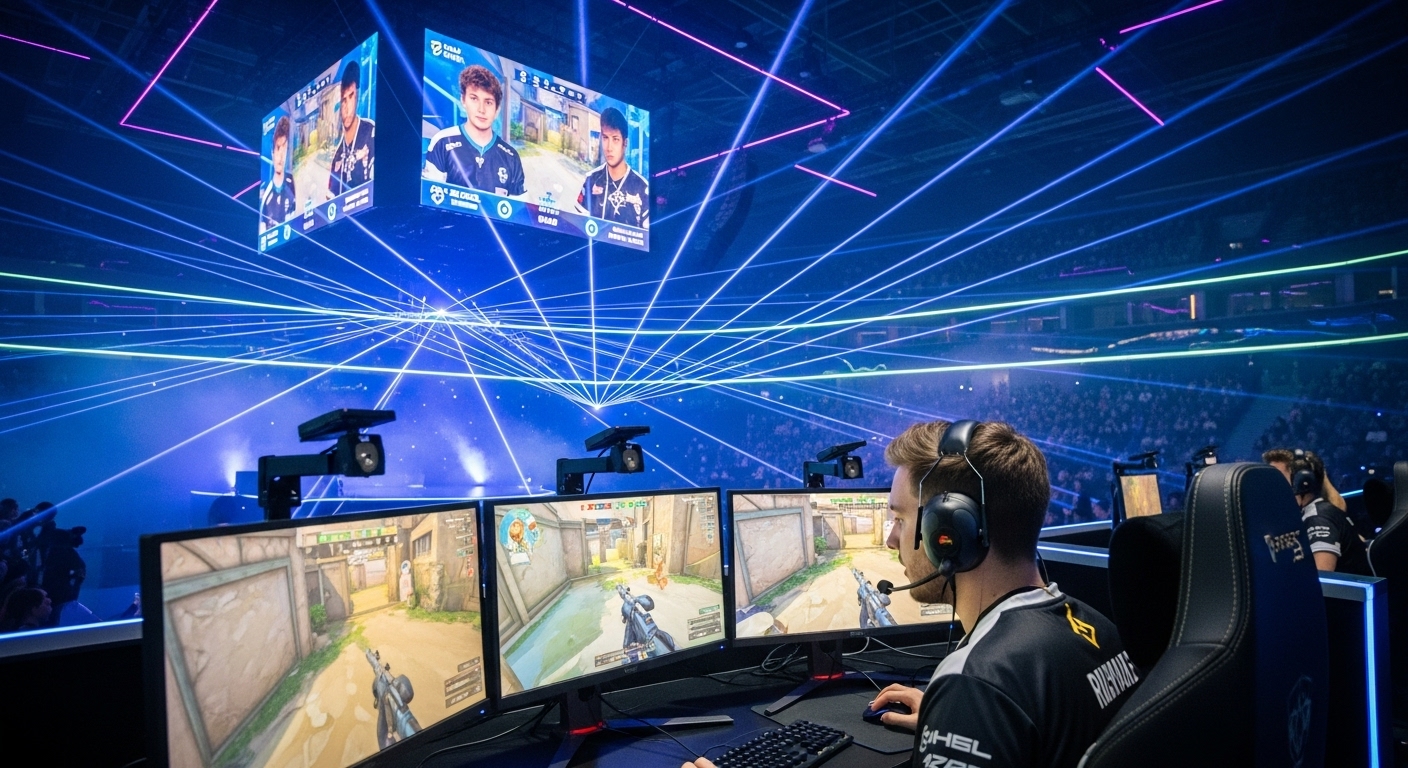
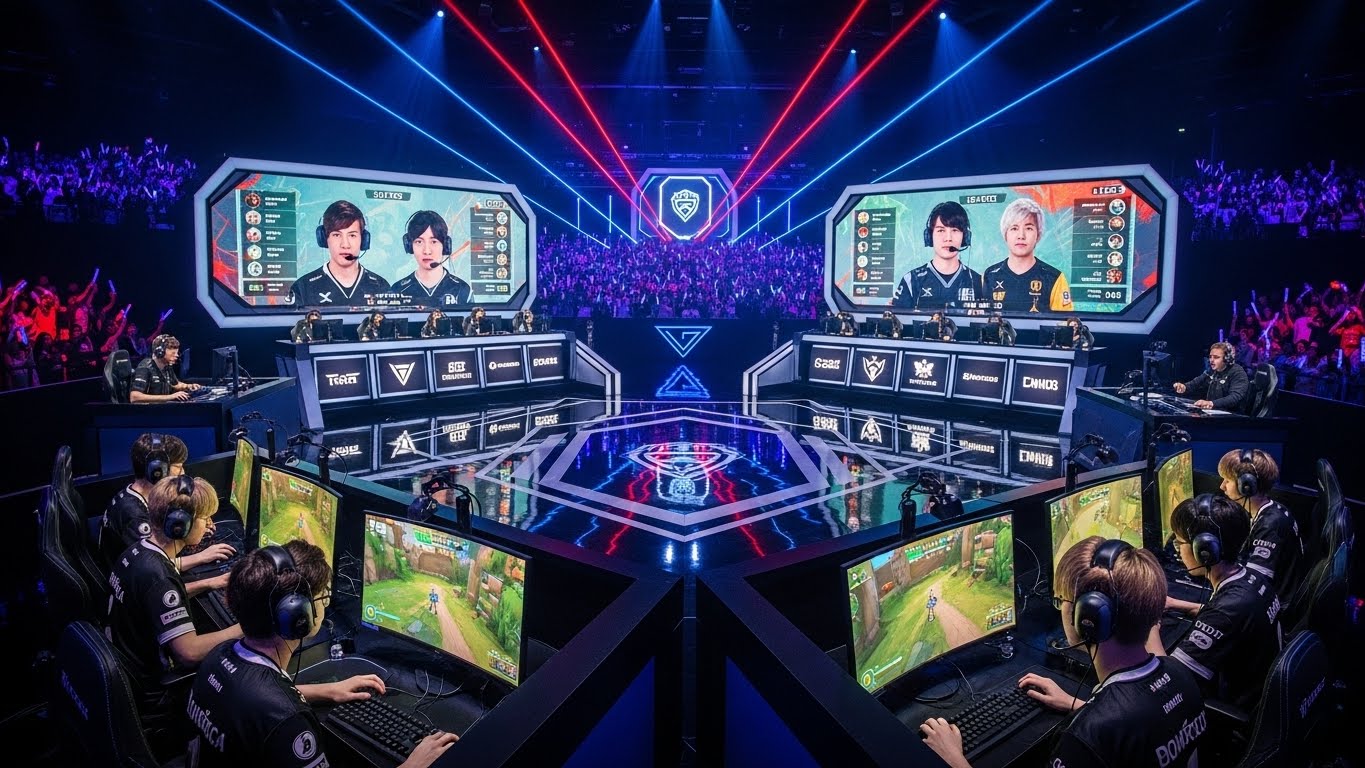
In the modern age of technology and entertainment, one of the most surprising yet transformative phenomena is the rise of Esports. Once dismissed as a casual pastime or hobby, Esports has evolved into a global industry that rivals traditional sports in audience size, prize money, and cultural influence. The word “Esports” refers to organized, competitive video gaming, where professional players and teams compete against each other in various titles such as League of Legends, Dota 2, Counter-Strike, Fortnite, and many more. These competitions are often watched by millions of fans both online and in massive live arenas, making Esports not just a form of gaming but a full-fledged spectator sport.
Esports is not a sudden creation; it is the result of decades of gaming culture, technological advancement, and the human desire for competition. Today, it stands as a multi-billion-dollar industry, influencing how people view entertainment, careers, and even education.
The Early Beginnings of Esports
The origins of Esports can be traced back to the late 20th century. In the 1970s and 1980s, video games like Space Invaders and Pac-Man captivated players around the world. The first known gaming competition was held in 1972 at Stanford University, where players competed in the game Spacewar. Although small and informal by today’s standards, it planted the seed for organized video game competition.
The 1980s saw the rise of arcade gaming, where players would compete for high scores on popular machines. These arcades became local battlegrounds, fostering a spirit of rivalry and skill. The emergence of console gaming further expanded the player base, allowing people to compete from their homes. However, it was not until the late 1990s and early 2000s, with the growth of the internet, that Esports truly began to take shape as a global competitive field.
The Rise of Online Gaming and Esports Tournaments
The development of high-speed internet and multiplayer capabilities in the late 1990s marked the true birth of modern Esports. Games like StarCraft in South Korea, Counter-Strike in Europe, and Quake in North America became early competitive favorites. Players could now face opponents from across the world, and spectators could watch these matches through early streaming platforms or recorded videos.
South Korea deserves special mention in the early history of Esports. The country embraced gaming as a form of entertainment and competition, investing heavily in internet infrastructure and gaming cafés known as PC bangs. Professional gamers in South Korea achieved celebrity status, with televised matches and dedicated fan bases. The Korean Esports Association (KeSPA) was established to regulate and promote the industry, setting a model that other nations would later follow.
Esports Becomes a Global Phenomenon
By the 2010s, Esports exploded into the mainstream. Major game developers and publishers recognized the potential of competitive gaming and began supporting tournaments with massive prize pools. Titles like League of Legends, Dota 2, and Counter-Strike: Global Offensive became staples of the competitive scene. The Dota 2 International tournament, for instance, set records with prize pools exceeding tens of millions of dollars, funded largely by contributions from the game’s community.
Streaming platforms such as Twitch and YouTube revolutionized Esports viewership. Fans could now watch live matches, interact with commentators, and follow their favorite players from anywhere in the world. The accessibility of streaming content also democratized the sport, allowing amateur players to build their own followings and even transition into professional careers.
Large organizations, sponsorships, and even traditional sports teams began investing in Esports. The involvement of well-known brands legitimized the industry further, turning it into a professional and financially sustainable ecosystem. Universities began offering scholarships for Esports athletes, and many countries recognized professional gamers as legitimate athletes.
Popular Esports Titles and Genres
Esports encompasses a wide variety of games across multiple genres, each with its own fan base, mechanics, and competitive scene. The diversity of titles is one of the strengths of the Esports world, as it caters to a broad range of interests and skills.
1. Multiplayer Online Battle Arena (MOBA)
Games like League of Legends and Dota 2 are MOBA titles, where teams of players control characters with unique abilities and compete to destroy the opponent’s base. These games are highly strategic and require exceptional teamwork, coordination, and decision-making.
2. First-Person Shooter (FPS)
The FPS genre includes some of the most iconic competitive titles, such as Counter-Strike, Call of Duty, and Overwatch. These games emphasize precision, reflexes, and tactical awareness. Counter-Strike, in particular, has been a pillar of the Esports scene for decades.
3. Battle Royale
Battle Royale games like Fortnite, Apex Legends, and PUBG introduced a new style of competition where numerous players fight to be the last one standing. Their fast-paced nature and unpredictable gameplay make them exciting for both players and viewers.
4. Sports and Racing Games
Games such as FIFA, NBA 2K, and Rocket League simulate traditional sports but add unique twists that appeal to gaming audiences. These titles have helped bridge the gap between traditional sports fans and the Esports community.
5. Fighting Games
Titles like Street Fighter, Tekken, and Super Smash Bros. represent one-on-one combat competitions. These games have long histories and passionate fan bases, often centered around skill, timing, and character mastery.
The Professional Esports Scene
The professional side of Esports mirrors traditional sports in many ways. Players train for hours each day, practice strategies, and work with coaches and analysts to improve performance. Teams are often sponsored by major corporations and operate under structured organizations with managers, psychologists, and nutritionists.
Tournaments range from local competitions to international championships, drawing massive audiences. Venues such as stadiums and arenas have hosted Esports events, with thousands of fans cheering live while millions more watch online. The scale of production and fan engagement at these events demonstrates how far the industry has come.
Esports players, much like traditional athletes, can achieve celebrity status. Names such as Faker from League of Legends, s1mple from Counter-Strike, and Bugha from Fortnite are recognized globally. Their dedication, skill, and achievements inspire millions of aspiring players.
The Role of Technology in Esports Growth
The advancement of technology has been the backbone of Esports. High-speed internet, powerful gaming PCs, and advanced streaming technology have all contributed to making the Esports experience seamless and engaging. Game developers continually push the limits of graphics and gameplay, creating immersive and competitive environments.
Virtual reality (VR) and augmented reality (AR) are emerging frontiers for Esports. These technologies have the potential to make gaming even more interactive, blurring the lines between the digital and physical worlds. Additionally, artificial intelligence and data analytics are being used to enhance training, analyze performance, and predict match outcomes.
Esports as a Career Path
In the past, gaming was often seen as a distraction or a hobby with little practical value. However, Esports has transformed that perception. Today, it offers multiple career opportunities beyond being a player. Professional Esports careers include roles such as coaches, analysts, commentators, event organizers, streamers, and content creators.
Educational institutions have begun recognizing the importance of Esports and are incorporating it into academic programs. Degrees in game design, digital media, and Esports management are becoming common. Scholarships and sponsorships encourage young talent to pursue their passion while gaining formal education.
Moreover, the Esports ecosystem supports numerous other professions, including marketing, broadcasting, game development, and hardware design. This wide range of opportunities has helped legitimize gaming as a viable and respected career choice.
Esports and Traditional Sports: A Comparison
The relationship between Esports and traditional sports is often discussed in terms of similarities and differences. Both share the core values of competition, skill development, teamwork, and entertainment. However, the nature of physical and digital environments sets them apart.
While traditional sports rely on physical athleticism, Esports focuses on mental agility, reaction time, and strategic thinking. Yet, the intensity, discipline, and commitment required in both are remarkably similar. Esports athletes follow rigorous training routines, adhere to strict schedules, and maintain mental and physical health to perform at their best.
Traditional sports organizations have started investing in Esports to expand their fan base. Football clubs, basketball teams, and other franchises have created Esports divisions to connect with younger, tech-savvy audiences. This crossover is blurring the line between physical and digital competition, creating a new era of entertainment.
Cultural and Social Impact of Esports
Esports has had a significant cultural impact, shaping how people view gaming, technology, and community. It has created a sense of global connection, where players from different countries compete and collaborate regardless of language or background. This international inclusivity is one of Esports’ greatest strengths.
The rise of Esports has also influenced popular culture. Gamers have become influencers, with large social media followings and brand partnerships. Esports themes appear in music, films, and fashion, integrating gaming into mainstream culture. The representation of gaming as a respected pursuit has also helped reduce the stigma once associated with it.
Furthermore, Esports fosters valuable skills such as communication, teamwork, and problem-solving. Many educators and parents are beginning to recognize these benefits, encouraging balanced participation rather than discouraging gaming entirely.
Challenges Facing the Esports Industry
Despite its rapid growth, Esports faces several challenges. One major concern is the physical and mental health of players. Extended hours of practice can lead to fatigue, burnout, and health issues. The industry is gradually adopting wellness programs and professional support systems to address these problems.
Another challenge is maintaining fair play and integrity. Issues such as cheating, match-fixing, and toxic behavior have occasionally tarnished the industry’s image. Game developers and tournament organizers are implementing stricter regulations and advanced monitoring systems to ensure fairness.
Monetization and sustainability are also key issues. While the top players and organizations earn substantial incomes, many smaller teams struggle financially. Creating equitable revenue distribution models and long-term career support for players remain ongoing challenges.
The Future of Esports
The future of Esports looks incredibly bright. With constant technological innovation, expanding audiences, and increasing corporate investment, Esports is poised for further growth. It is expected to become a core part of global entertainment, alongside film, music, and traditional sports.
The integration of new technologies like VR and AI will create fresh forms of competition and interaction. Esports could even be part of the Olympic Games someday, as discussions about including digital sports continue. Additionally, the focus on inclusivity and diversity will open opportunities for players from underrepresented regions and backgrounds.
The line between playing and watching Esports will likely blur as interactive platforms evolve. Viewers may become participants in new ways, merging entertainment with active engagement.
Conclusion
Esports is more than just a trend; it is a revolution in how we understand competition, community, and entertainment. From its humble beginnings in arcades to filling global stadiums, Esports represents the power of digital connection and human creativity. It brings together millions of people through passion, skill, and shared excitement.
As the industry continues to grow, it will shape the future of media, technology, and sports. Esports embodies the spirit of innovation and the endless possibilities of the digital age. It has proven that gaming is not merely a hobby but a platform for global unity, opportunity, and progress.
In the end, Esports is not just about playing games—it is about pushing boundaries, connecting worlds, and redefining what it means to compete in the 21st century.