Introduction: A New Arena of Competition
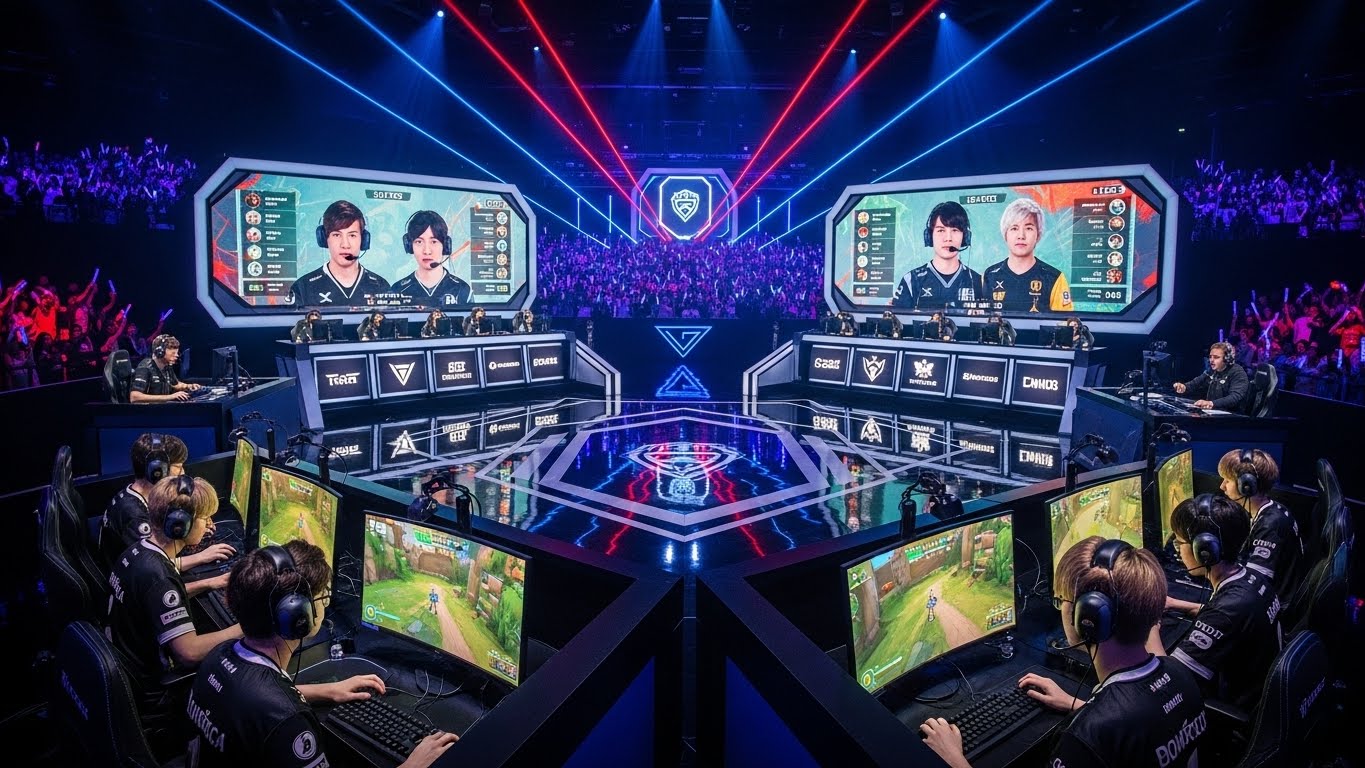
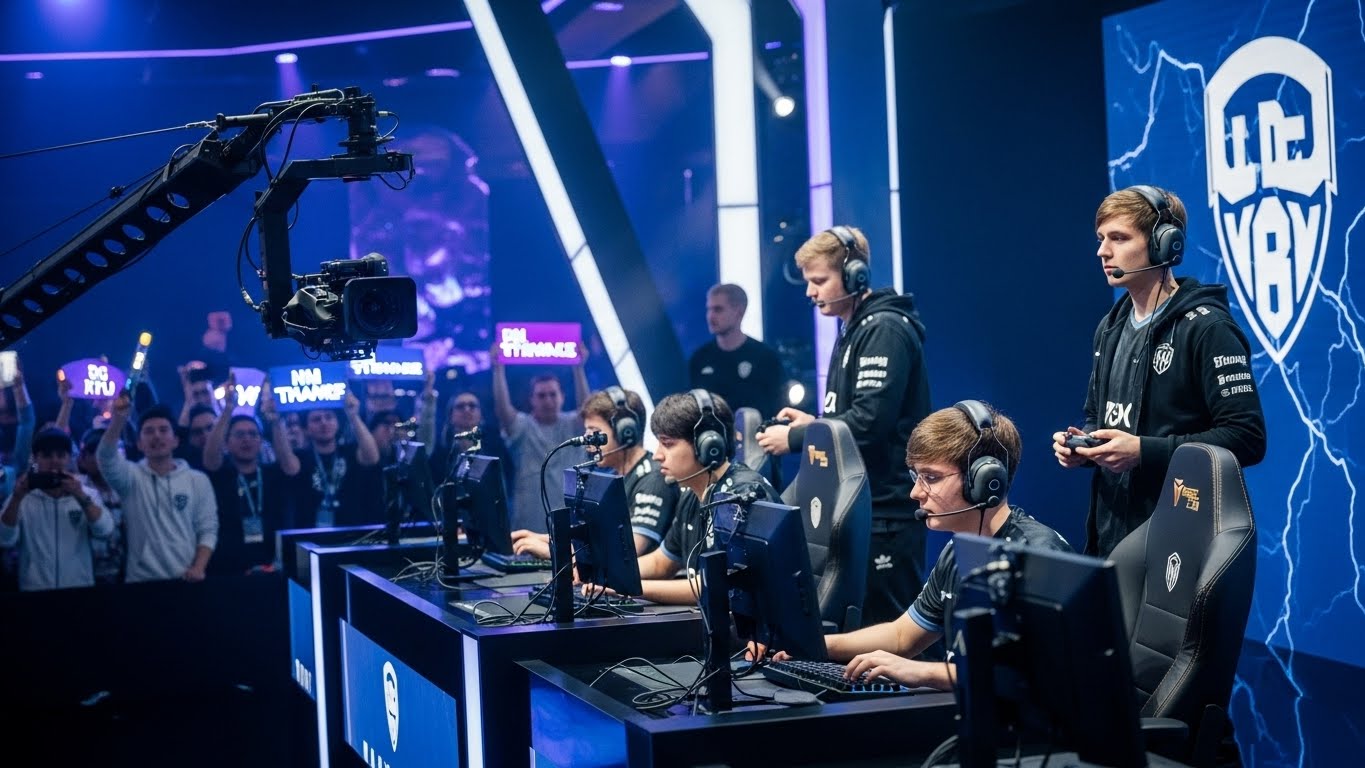
Esports, once considered a niche pastime for dedicated gamers, has transformed into a global competitive phenomenon. Stadiums filled with cheering fans, professional athletes with rigorous training schedules, multimillion-dollar prize pools, and millions of online viewers are now standard features of competitive gaming. Esports is no longer just about playing video games; it is about entertainment, culture, technology, and business converging into a single digital arena. This blog explores how esports rose to prominence, what defines its culture, how it impacts society, and where its future may lead.
The Origins of Esports
The roots of esports can be traced back to the early days of video gaming. Competitive play existed even in arcades, where high scores were a badge of honor. As home consoles and personal computers became widespread, players began competing against one another locally and later online. Early multiplayer games laid the foundation for organized competitions, with small tournaments and community-driven events shaping the early esports scene.
The rise of the internet was a turning point. Online connectivity allowed players from different regions to compete in real time, forming global communities around specific games. What started as friendly rivalry soon evolved into structured competitions, with rules, rankings, and spectators. This period marked the transition of gaming from a hobby to a competitive discipline.
The Professionalization of Competitive Gaming
As esports grew, it began to adopt many elements of traditional sports. Professional teams emerged, complete with coaches, analysts, and support staff. Players signed contracts, received salaries, and trained intensively to improve their skills. Practice schedules became demanding, often involving many hours of gameplay, strategy discussions, and physical conditioning.
Organizations and sponsors recognized the marketing potential of esports, investing heavily in teams and events. This influx of funding improved production quality, player welfare, and global reach. Tournaments began to feature professional commentary, high-quality broadcasts, and live audiences, further legitimizing esports as a professional industry.
Popular Esports Genres and Games
Esports spans a wide range of game genres, each offering a unique competitive experience. Multiplayer online battle arena games emphasize teamwork, strategy, and fast decision-making. First-person shooters focus on precision, reflexes, and tactical coordination. Real-time strategy games test players’ ability to manage resources and outthink opponents, while sports simulation games mirror real-world athletics in a digital format.
The diversity of esports games allows players and fans to find formats that resonate with their interests. This variety has contributed significantly to the growth of the industry, attracting audiences from different backgrounds and age groups.
The Esports Athlete: Skill, Discipline, and Dedication
Contrary to outdated stereotypes, professional gamers require a high level of discipline and skill. Reaction time, hand-eye coordination, strategic thinking, and mental resilience are critical attributes for success. Many players follow strict routines that include practice sessions, physical exercise, and mental training to maintain peak performance.
Mental health has become an important topic in esports. The pressure to perform, public scrutiny, and intense competition can take a toll on players. As a result, teams increasingly emphasize psychological support, balanced schedules, and long-term career planning. These efforts reflect the growing maturity of the industry.
Streaming and the Power of Online Communities
One of the defining features of esports is its deep connection to online streaming platforms. Fans do not just watch tournaments; they follow individual players, interact through live chats, and become part of vibrant digital communities. Streaming has allowed esports personalities to build personal brands, extending their influence beyond competitive matches.
This interactive relationship between players and fans has reshaped entertainment. Viewers feel closer to their favorite players, gaining insight into their personalities and daily routines. This sense of connection has helped esports grow organically, driven by community engagement rather than traditional advertising alone.
Economic Impact and Career Opportunities
Esports has become a significant economic force, generating revenue through sponsorships, advertising, merchandise, and media rights. Beyond professional players, the industry supports a wide range of careers, including event management, marketing, broadcasting, game development, and content creation.
Educational institutions have also taken notice, offering programs and scholarships related to esports. These initiatives recognize that the skills developed through competitive gaming, such as teamwork, communication, and problem-solving, are valuable beyond the digital arena.
Cultural Influence and Global Reach
Esports transcends geographical and cultural boundaries. International tournaments bring together players and fans from around the world, fostering cross-cultural exchange. The shared language of gaming creates connections that might not otherwise exist, promoting inclusivity and global understanding.
At the same time, esports has influenced popular culture, shaping fashion, music, and online trends. Gaming terminology and aesthetics have entered mainstream media, reflecting the growing acceptance of esports as a cultural force.
Challenges Facing the Esports Industry
Despite its rapid growth, esports faces several challenges. Issues such as player burnout, inconsistent regulations, and financial sustainability remain concerns. The fast-paced nature of the industry means that games can rise and fall in popularity quickly, creating uncertainty for players and organizations.
Maintaining competitive integrity is another challenge. Fair play, anti-cheating measures, and transparent governance are essential to preserving trust among fans and participants. Addressing these challenges will be crucial for the long-term success of esports.
The Future of Esports
Looking ahead, the future of esports appears promising. Advances in technology, such as virtual reality and improved connectivity, may introduce new forms of competition and spectator experiences. Greater collaboration between game developers, organizations, and governing bodies could lead to more stable ecosystems and clearer career pathways.
As esports continues to integrate with traditional media and sports, it may gain even broader recognition. What remains constant is the passion of players and fans, which continues to drive innovation and growth within the industry.
Conclusion: More Than Just a Game
Esports represents a new chapter in the evolution of competition and entertainment. It blends technology, creativity, and human skill into a dynamic global phenomenon. From its humble beginnings to its current status as a major industry, esports has proven that digital competition can be as meaningful and impactful as any traditional sport. As it continues to evolve, esports will not only redefine how we play games but also how we connect, compete, and celebrate excellence in the digital age.