Introduction
In the modern age of digital entertainment, esports has emerged as a global powerhouse. What was once a small-scale hobby enjoyed by gamers has evolved into a professional and highly competitive industry. Esports, short for electronic sports, brings together skill, technology, and teamwork, redefining what it means to compete and succeed in the digital world.
The Origin of Esports
The concept of esports began decades ago with small gaming contests and arcade tournaments. Early competitions were friendly gatherings, but with the advancement of technology and internet connectivity, gaming transformed into a global phenomenon. As online multiplayer games became popular, competitive gaming started to draw large audiences, marking the birth of modern esports.
The Rise of a Global Industry
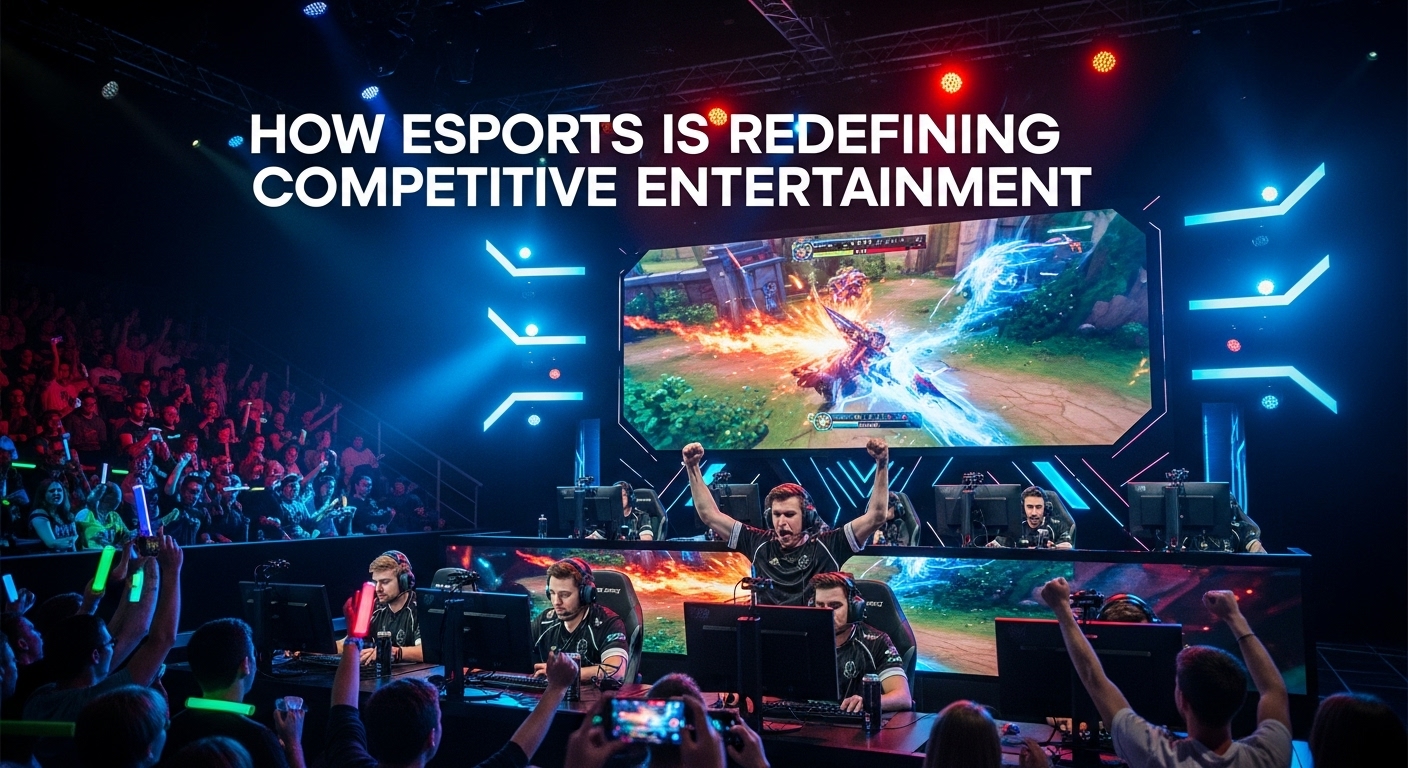
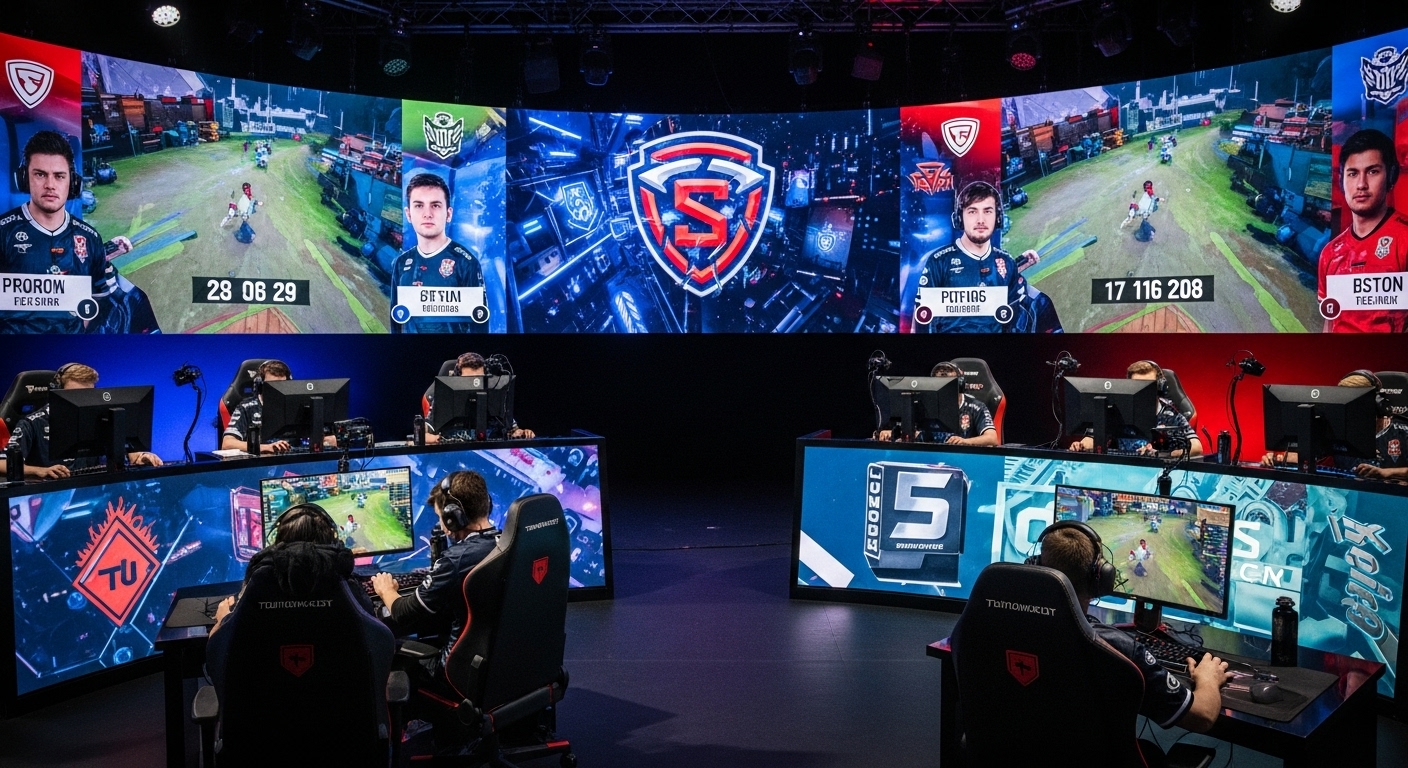
Esports has become one of the fastest-growing industries in the world. Professional tournaments now attract millions of viewers both online and offline. Stadiums once reserved for traditional sports are now filled with passionate fans cheering for their favorite gaming teams. Games like Dota 2, Valorant, Fortnite, and League of Legends have helped shape this vibrant new sporting culture. The financial success of esports has also been remarkable, creating opportunities for players, sponsors, and investors worldwide.
The Life of Professional Players
Professional gamers are true digital athletes. They undergo intense training, practicing for long hours each day to perfect their reflexes, strategies, and coordination. Their dedication mirrors that of traditional sports players. Many belong to organized teams supported by coaches, analysts, and fitness trainers. Competing at the highest level requires not just talent but discipline, teamwork, and mental strength.
Technology at the Core of Esports
Technology is the heartbeat of esports. High-speed internet, advanced gaming systems, and live streaming platforms have made it possible for millions to connect and compete. The use of artificial intelligence, virtual reality, and cloud gaming continues to enhance the experience for both players and fans. With every technological innovation, esports becomes more exciting, accessible, and immersive.
Community and Culture in Esports
One of the most inspiring aspects of esports is its global community. It unites people from different backgrounds, languages, and cultures through a shared love for gaming. Fans follow tournaments, create fan art, and interact on social media, forming strong connections with others who share their passion. Esports has built a culture that celebrates diversity, creativity, and mutual respect.
Educational and Career Opportunities
Esports is no longer just entertainment; it has become an academic and career path for many. Universities and colleges now offer esports scholarships and degrees in related fields such as game design, management, broadcasting, and marketing. Career opportunities extend beyond playing, including roles like event organization, content creation, and coaching. This growth has made esports a legitimate and respected industry.
Challenges Facing Esports
Despite its success, esports faces challenges that need careful attention. Issues such as player burnout, fair competition, and the need for better regulation are ongoing concerns. Additionally, creating a healthy environment for players and ensuring inclusivity remain essential goals. Addressing these challenges will help esports continue to grow responsibly and sustainably.
The Future of Esports
The future of esports looks incredibly promising. With technology advancing rapidly and audiences growing every year, esports is on its way to becoming one of the world’s leading forms of entertainment. It has already entered mainstream media, and the next step may even include recognition in international sporting events. Esports represents a blend of innovation, competition, and global unity.
Conclusion
Esports is not just about playing games—it is about passion, skill, and connection. It has changed the way people view competition, offering new opportunities for players and audiences alike. As it continues to evolve, esports will remain a symbol of how technology can bring people together, turning digital dreams into real-world success stories.