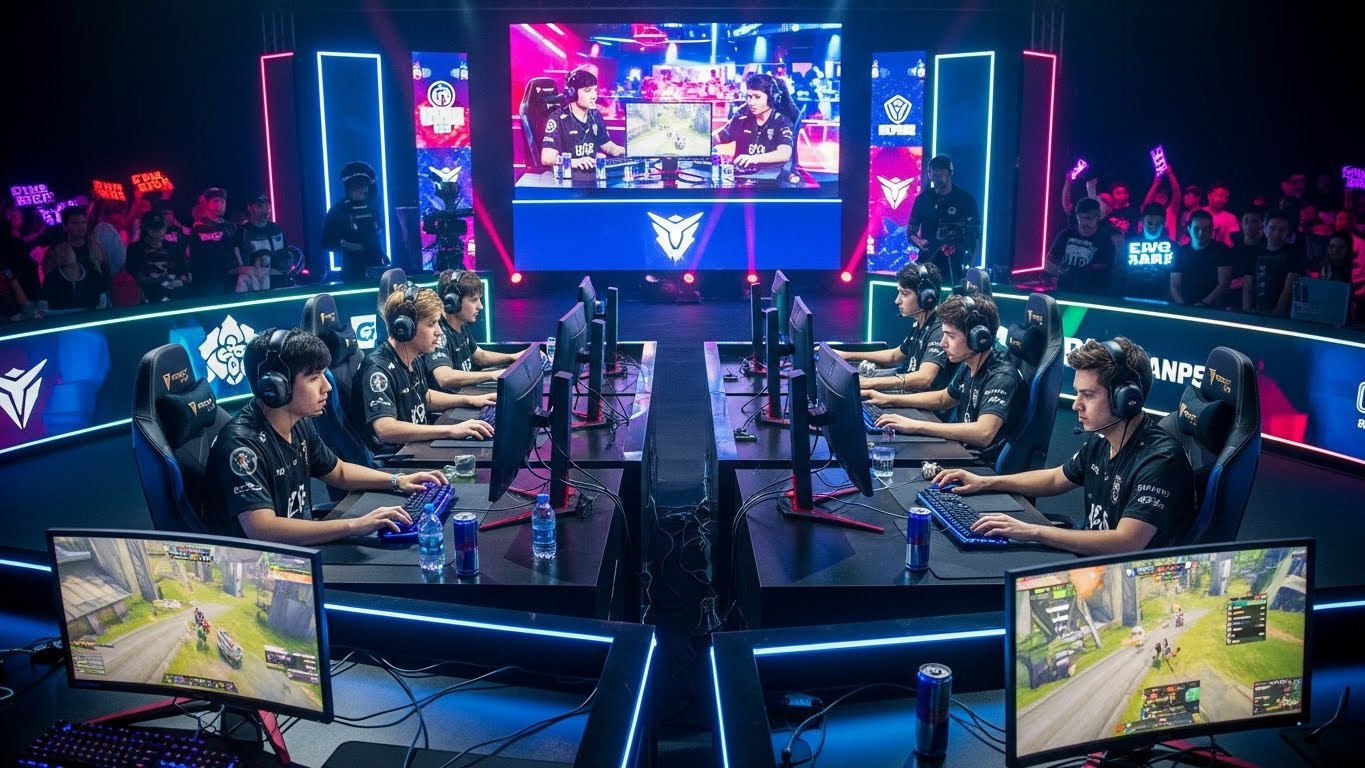
Introduction: eSports Takes Center Stage
eSports has rapidly transformed from casual gaming into a global phenomenon, attracting millions of players and fans worldwide. It combines strategy, skill, and teamwork, creating thrilling competitions that rival traditional sports. With professional leagues, international tournaments, and dedicated fan communities, eSports has cemented itself as a major force in entertainment and culture.
The Journey of eSports
The story of eSports began with local gaming competitions and arcade tournaments. As technology advanced and online multiplayer games became popular, competitive gaming expanded globally. Iconic titles like League of Legends, Counter-Strike, and Dota 2 paved the way for professional leagues and massive tournaments. Today, eSports has evolved into a structured ecosystem with sponsors, coaches, analysts, and players who train rigorously to excel.
Why eSports Captivates Fans
eSports appeals to both players and spectators for several compelling reasons:
- Skill and Strategy: Competitive gaming demands quick thinking, reflexes, and tactical planning.
- Community Engagement: Online platforms, forums, and live streams allow fans to interact, share strategies, and celebrate victories together.
- Entertainment Value: Watching professional players compete delivers excitement, suspense, and unforgettable moments.
- Career Opportunities: eSports opens doors to careers in gaming, streaming, coaching, and content creation.
Technology at the Core of eSports
Technology is the foundation of eSports. High-performance computers, gaming consoles, and stable internet connections enable competitive gameplay. Live streaming platforms broadcast tournaments to millions of viewers, while data analytics and performance tracking help players improve. Emerging technologies such as virtual reality and augmented reality promise even more immersive experiences in the near future.
Challenges Facing eSports
Despite its growth, eSports faces challenges. Maintaining fair competition, reducing online toxicity, and supporting players’ mental and physical health are critical issues. Professional leagues and organizations are implementing regulations, coaching programs, and wellness initiatives to address these challenges and create a sustainable environment.
The Future of eSports
The future of eSports is bright and full of potential. As technology evolves, competitions will become more immersive, accessible, and interactive. Recognition of eSports as a legitimate sport will continue to grow, opening opportunities for sponsorships, education, and global collaboration. eSports is no longer just a game—it is a platform for innovation, entertainment, and community.
Conclusion: More Than a Game
eSports is not just about winning—it is about skill, dedication, and community. It merges technology with human talent, creating experiences that inspire players and fans alike. As eSports continues to grow, it reshapes entertainment, competition, and culture, proving that gaming can be a powerful force in the modern digital world.