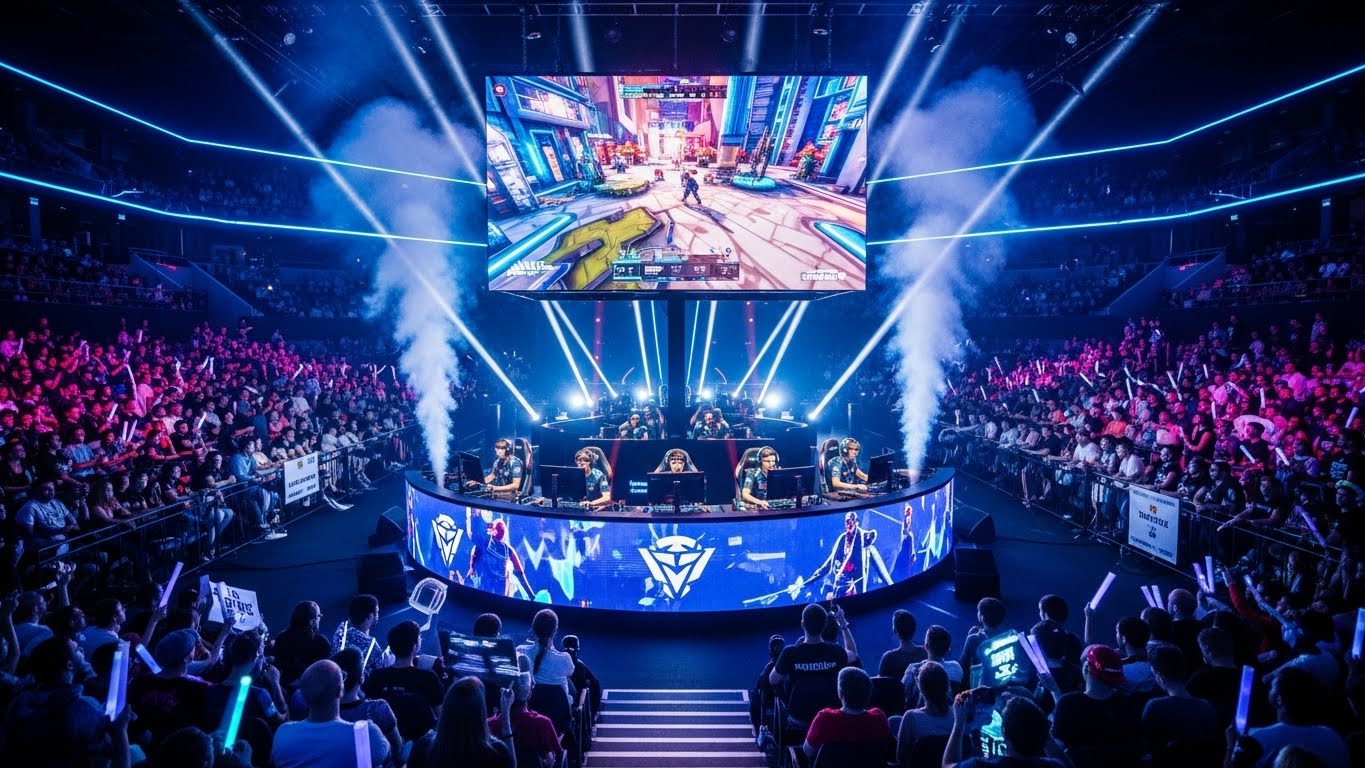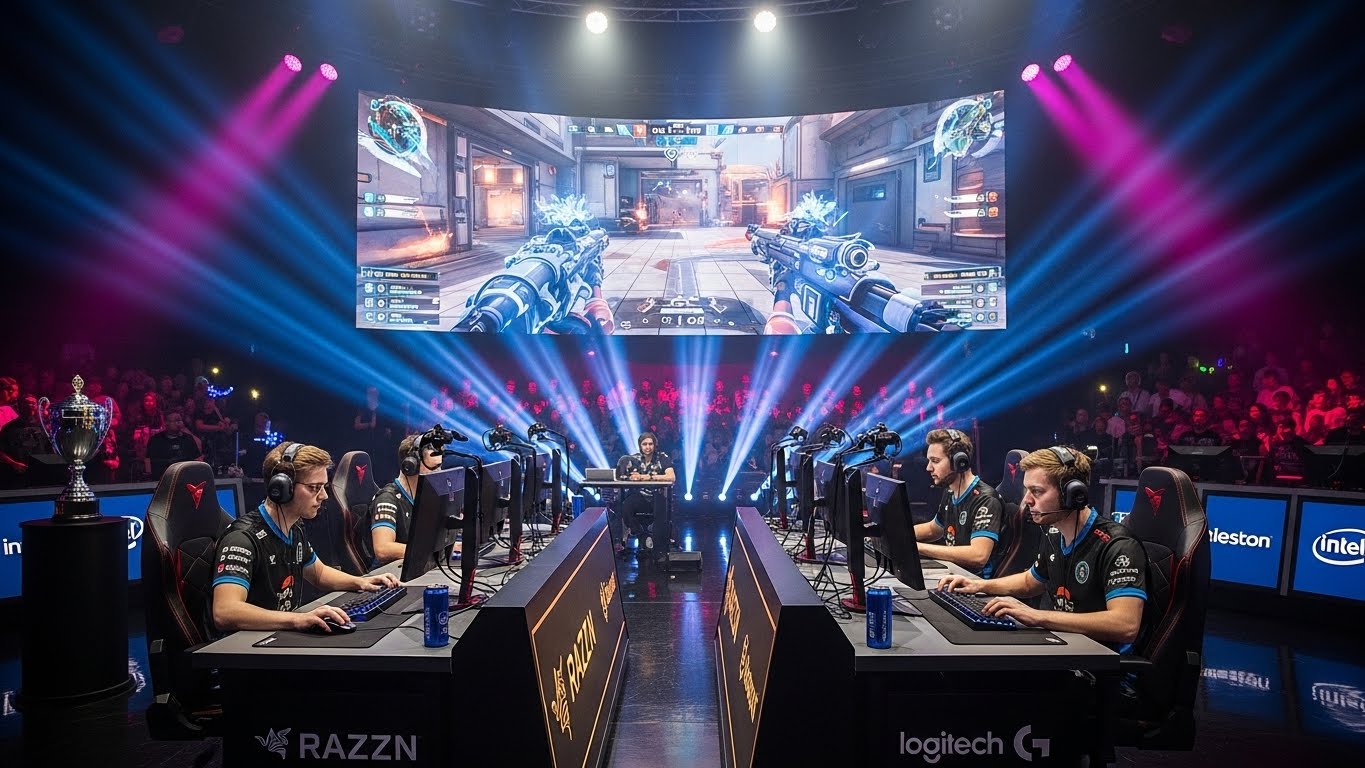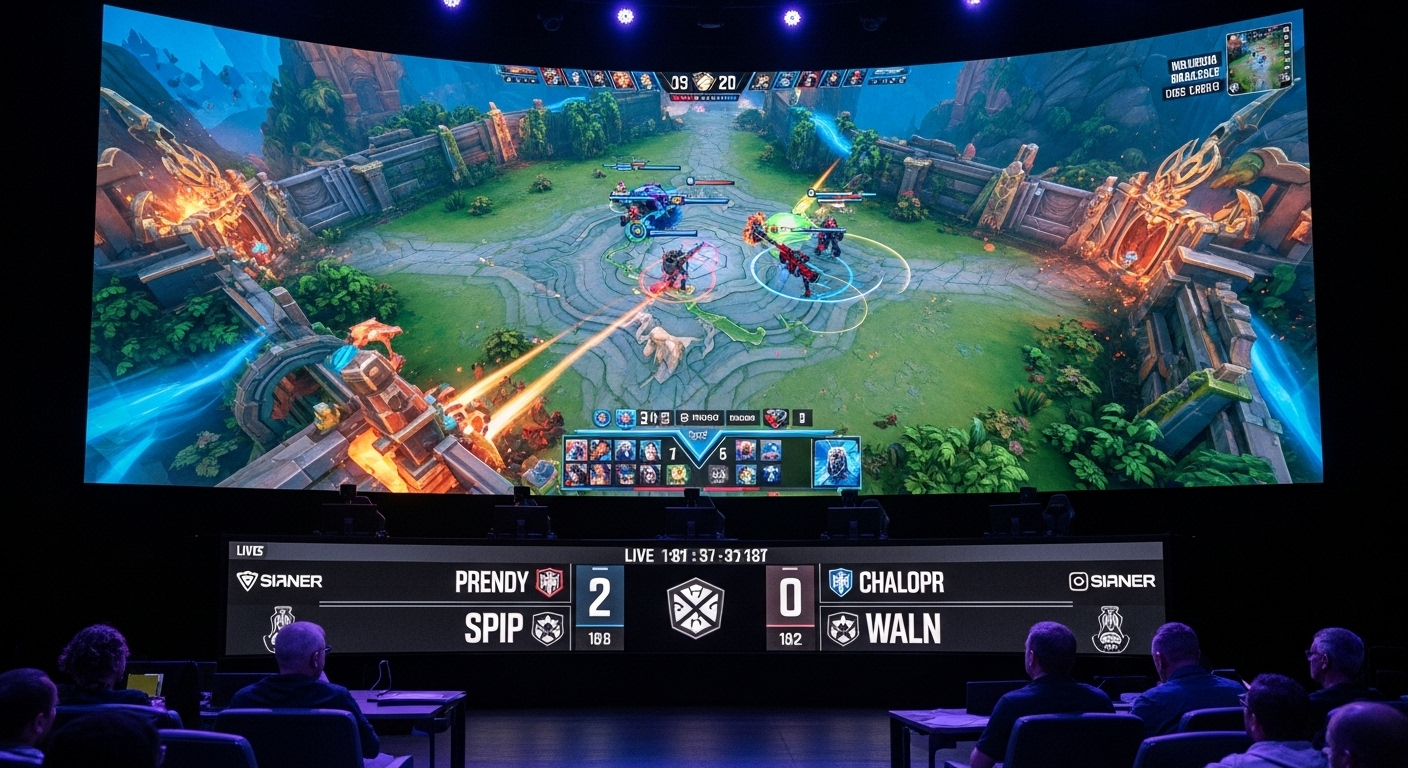
Esports, or competitive video gaming, has grown from a niche hobby into a global cultural phenomenon over the past two decades. Once confined to basement gatherings and small online communities, esports now fills arenas, commands millions of viewers online, and offers lucrative career opportunities for players, coaches, and content creators alike. The explosive growth of esports is not only reshaping the gaming industry but also influencing mainstream entertainment, sports, and digital media in unprecedented ways.
The Early Days of Competitive Gaming
The roots of esports trace back to the 1970s and 1980s, when video games first gained popularity in arcades. Early competitions like the “Space Invaders Championship” in 1980 in the United States highlighted the competitive spirit of gaming. However, these events were sporadic and lacked the structure that modern esports tournaments enjoy today.
The 1990s saw the emergence of PC gaming and the rise of multiplayer games like StarCraft, Quake, and Counter-Strike, which provided fertile ground for competitive play. Internet connectivity enabled players to compete across cities and countries, creating the first truly global competitions. LAN parties, small tournaments, and community-organized events became the breeding ground for the future of esports, laying the foundation for professional gaming culture.
The Rise of Professional Esports Leagues
By the early 2000s, esports began to formalize with the creation of professional leagues and sponsorships. Games like Warcraft III, Counter-Strike 1.6, and DotA attracted professional players who treated gaming as a serious career. South Korea, in particular, became a pioneer in esports infrastructure, with televised competitions for games like StarCraft: Brood War attracting millions of viewers. Professional esports organizations emerged, offering salaries, coaching, and training facilities for their players.
These developments marked a turning point: esports was no longer just a hobby; it became a legitimate career path. Players began to achieve celebrity status, and sponsors recognized the marketing potential of reaching a young, engaged audience through competitive gaming. This professionalization laid the groundwork for the massive esports ecosystem we see today.
Esports and Global Popularity
The past decade has witnessed a meteoric rise in esports’ popularity worldwide. Platforms like Twitch, YouTube Gaming, and other streaming services have transformed esports into an accessible, spectator-friendly entertainment medium. Millions of fans now watch tournaments live, engage with players through social media, and participate in online communities that celebrate their favorite games and teams.
Major esports titles such as League of Legends, Dota 2, Fortnite, Call of Duty, and Valorant dominate the competitive scene. International tournaments, including the League of Legends World Championship and The International Dota 2 Championship, now feature multi-million-dollar prize pools, drawing viewers comparable to traditional sports events. The growth of esports is not confined to a single region—it is truly a global phenomenon, with thriving scenes in North America, Europe, South Korea, China, Southeast Asia, and beyond.
The Role of Technology in Esports Growth
Technology has been a crucial driver in esports’ growth. High-speed internet, powerful gaming PCs, and advanced streaming platforms have made competitive gaming more accessible and engaging than ever before. Innovations like live streaming, instant replay, and in-game analytics have enhanced both player performance and viewer experience.
Virtual reality (VR) and augmented reality (AR) are now being explored as the next frontier for esports. These technologies promise immersive experiences, where fans can witness games from perspectives previously impossible, further bridging the gap between physical and digital sports. Additionally, AI-driven tools assist in coaching, strategy development, and performance analysis, elevating the competitive standard and shaping the future of professional gaming.
Esports as a Career Path
Esports careers have expanded far beyond playing competitively. Professional players, coaches, analysts, content creators, commentators, and tournament organizers all contribute to the industry. Salaries for top-tier players can rival those of traditional athletes, with sponsorship deals, streaming revenue, and tournament winnings providing substantial income.
Moreover, esports has created pathways for young players to pursue education and career opportunities. Many universities now offer esports scholarships and programs in gaming, management, and digital media, further legitimizing esports as a viable career choice. The growth of esports academies and training centers demonstrates the industry’s commitment to professional development and skill cultivation.
Esports and Mainstream Media Integration
One of the most significant indicators of esports’ legitimacy is its integration into mainstream media. Broadcast deals with networks and streaming platforms have made esports a staple of digital entertainment. Major sports organizations and celebrities have invested in esports teams, further bridging the gap between traditional sports and competitive gaming.
Media coverage has evolved beyond mere tournament reporting. Analysts, commentators, and industry experts provide in-depth analysis of strategies, player performance, and market trends, creating a sophisticated media ecosystem around esports. The result is an entertainment format that rivals traditional sports in terms of engagement, excitement, and cultural relevance.
The Impact on Youth and Culture
Esports has had a profound impact on youth culture. Gaming is no longer seen as a solitary hobby but as a social and competitive activity that fosters teamwork, communication, and strategic thinking. Young players are inspired by professional esports athletes, who serve as role models and motivators.
Cultural influences extend beyond gaming itself. Esports fashion, music collaborations, and merchandise create a lifestyle brand that resonates with younger generations. Communities built around esports promote collaboration, inclusivity, and creativity, although challenges like toxicity, harassment, and over-competition remain issues the industry continues to address.
Economic Implications of Esports
The esports industry has grown into a multi-billion-dollar ecosystem. Revenue streams include tournament prize pools, sponsorships, advertising, media rights, merchandising, and streaming subscriptions. Investors recognize the potential for growth, leading to increased funding for esports organizations, infrastructure, and technology.
Esports also contributes to job creation across multiple sectors, from event management to digital marketing, software development, and content production. Cities are increasingly investing in esports arenas and infrastructure, seeing the industry as a viable contributor to local economies and tourism.
Challenges Facing the Esports Industry
Despite its growth, esports faces several challenges. Player burnout and mental health are significant concerns, as professional gamers endure intense schedules, high expectations, and constant scrutiny. Maintaining longevity in a career that often peaks in early adulthood requires careful management and support systems.
Additionally, regulatory and governance issues remain complex. Standardizing rules across leagues, ensuring fair competition, and managing issues like cheating, match-fixing, and intellectual property rights are ongoing challenges. As esports continues to professionalize, addressing these concerns is crucial for sustainable growth.
The Future of Esports
The future of esports is full of possibilities. Expansion into mobile esports is creating opportunities in emerging markets, particularly in Asia, where mobile gaming dominates. New genres and hybrid experiences are pushing the boundaries of competitive gaming, while advancements in VR and AR may redefine how audiences interact with esports.
Esports is also poised for further mainstream integration. Collaboration with traditional sports leagues, educational institutions, and entertainment franchises suggests that esports will continue to shape the future of digital culture. The next decade may see esports achieving parity with traditional sports in terms of viewership, revenue, and societal influence.
Conclusion: Esports as a Cultural Force
Esports has evolved from humble beginnings to become a global cultural and economic force. Its impact spans entertainment, technology, education, and youth culture, demonstrating the power of competitive gaming as more than just a pastime. With ongoing innovation, growing professionalization, and an ever-expanding audience, esports is set to remain a dynamic and influential industry for years to come.
The journey of esports reflects the transformative potential of digital media, where passion, skill, and technology converge to create a new form of entertainment. As players, fans, and industry stakeholders continue to shape the landscape, esports will undoubtedly leave a lasting mark on global culture, redefining what it means to compete, watch, and connect in the digital age.