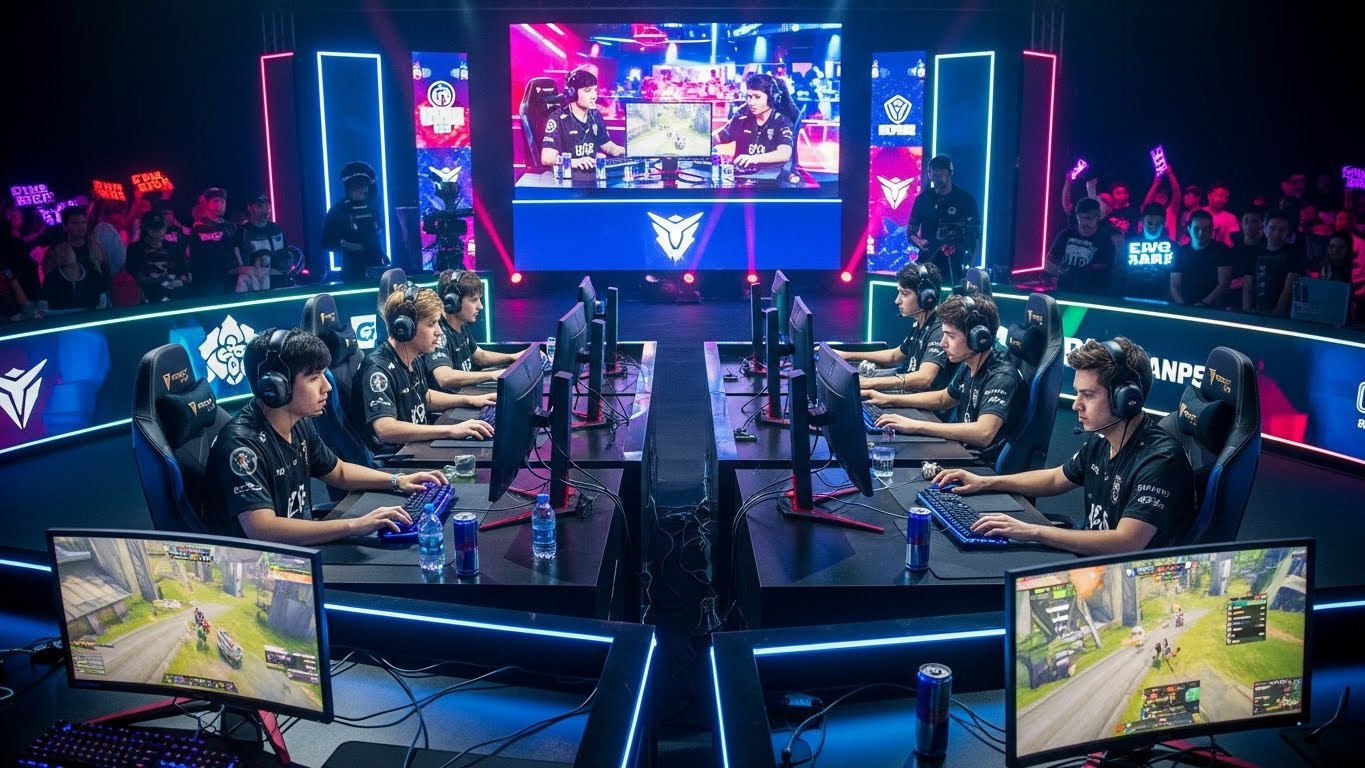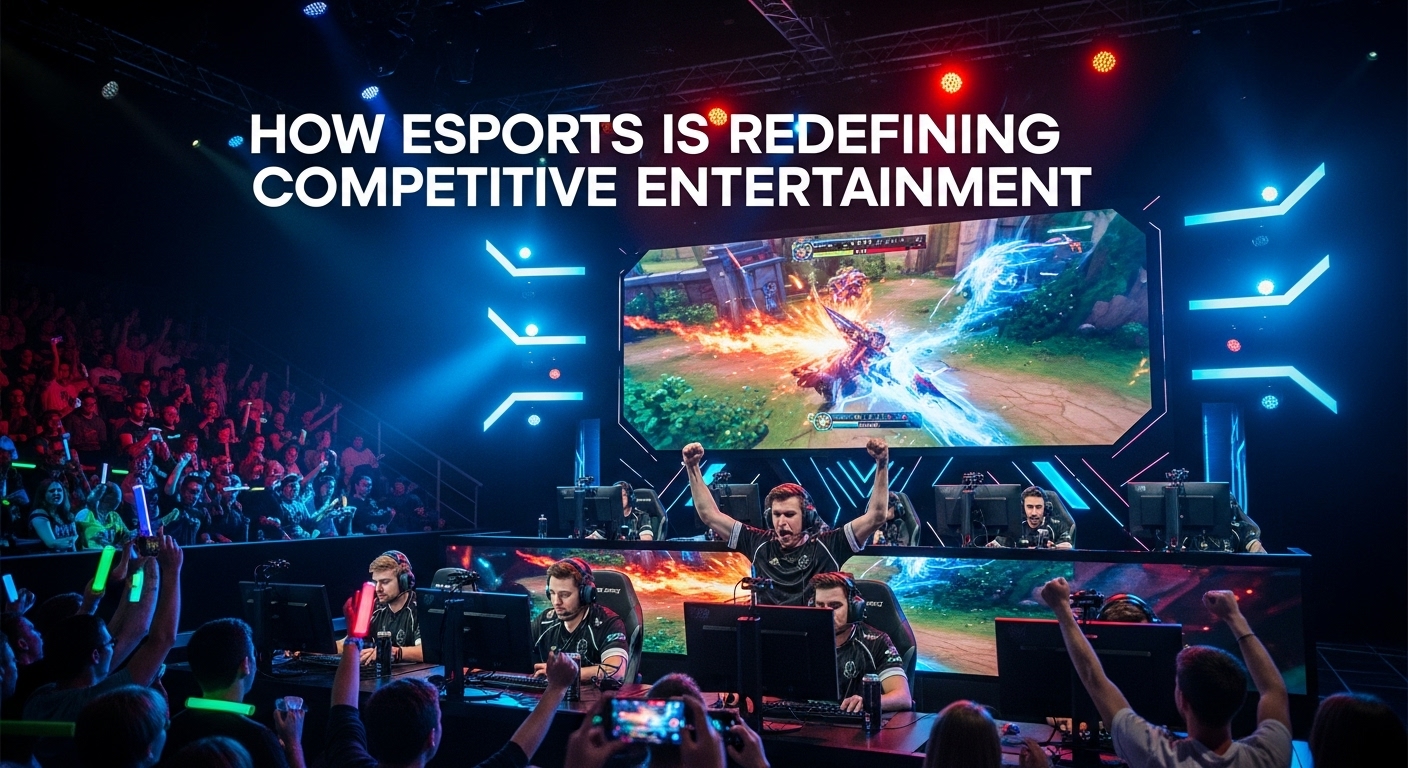
Esports has transformed from a niche hobby into a global phenomenon, redefining what we think of as competitive entertainment. Once dismissed as little more than kids playing video games, esports now commands massive audiences, billion-dollar investments, and international recognition as a legitimate form of competition.
From sold-out arenas to streaming platforms that rival traditional TV ratings, esports is rewriting the rules of how people watch, play, and engage with competition. But its impact is not just limited to gaming—it’s reshaping the entire entertainment industry.
This blog explores how esports is redefining competitive entertainment, why it has exploded in popularity, and what this means for the future of both sports and media.
The Rise of Esports: From Arcades to Arenas
The origins of esports can be traced back to the early days of arcade competitions in the 1970s and 80s. Games like Space Invaders and Street Fighter introduced players to competitive gaming long before live-streaming or high-speed internet existed.
The real turning point came with the spread of home internet in the late 1990s. Titles such as StarCraft in South Korea and Counter-Strike worldwide created passionate competitive communities. Tournaments began to attract thousands of players and spectators.
By the 2010s, professional leagues and large-scale events like The International for Dota 2 and the League of Legends World Championship began filling stadiums. These events blurred the line between traditional sports and digital competition.
Today, esports is not just a subculture—it’s a global entertainment industry.
Why Esports Captures Massive Audiences
The success of esports is not accidental. Several key factors explain why millions of fans tune in to watch digital competitions:
1. Accessibility for Players and Viewers
Unlike many traditional sports, almost anyone can try esports. You don’t need a certain body type, expensive equipment, or access to elite training facilities. All you need is a computer, console, or smartphone.
For viewers, esports is free and accessible. Platforms like Twitch and YouTube Gaming let fans watch live matches without paying expensive cable subscriptions.
2. Global Appeal
Esports transcends borders. Whether you’re in Seoul, Berlin, or São Paulo, you can watch the same matches and support your favorite teams. Unlike some sports that dominate only in certain regions, esports is inherently international.
3. Interactive Experience
Esports spectators aren’t passive viewers. They interact with streamers, join live chats, and even influence games through donations or in-game voting systems. This interactivity makes watching esports more engaging than traditional sports broadcasts.
4. Relatability
Most fans have played the same games they are watching. While few people have played professional football, millions have tried League of Legends, Valorant, or Fortnite. This connection makes fans feel closer to the action.
Esports vs. Traditional Sports
The debate between esports and traditional sports is ongoing. Are esports really “sports”? While the answer depends on how one defines sport, there’s no doubt esports shares many similarities:
- Competition: Both feature structured leagues, tournaments, and championships.
- Training: Esports athletes undergo rigorous practice schedules, sometimes 10–12 hours a day.
- Team Dynamics: Just like football or basketball, esports relies on strategy, teamwork, and communication.
- Fans & Fandoms: Esports teams have massive fanbases, merchandise sales, and rivalries.
The major difference lies in physicality. Traditional sports are based on athletic performance, while esports is based on mental agility, reflexes, and strategy. Yet, as society evolves, the definition of sport is expanding to include digital competition.
In fact, many sports organizations are embracing esports rather than rejecting it. NBA teams have esports divisions, Formula 1 runs virtual racing tournaments, and even the International Olympic Committee has launched esports events.
The Business of Esports
The esports industry has become a financial powerhouse. Estimates suggest global esports revenue exceeds $1.5 billion annually, and the growth shows no signs of slowing down.
Revenue Streams Include:
- Sponsorships – Companies like Red Bull, Intel, and Nike sponsor teams and events.
- Media Rights – Streaming platforms pay for broadcasting rights, just like with traditional sports.
- Merchandise & Apparel – Jerseys, gaming gear, and branded items generate significant income.
- In-Game Purchases – Developers tie esports to in-game cosmetics, which fans purchase to support teams.
- Prize Pools – Tournaments like The International have prize pools exceeding $40 million.
Esports is not just about games—it’s a massive entertainment ecosystem.
Streaming: The New Stadium
In the past, if you wanted to watch competitive entertainment, you had to buy tickets or tune into television broadcasts. Today, esports is leading the charge in live-streaming culture.
Twitch, YouTube Gaming, and Facebook Gaming have become virtual stadiums where millions gather to watch. Unlike TV, streaming platforms allow for real-time interaction, donations, and subscriptions, turning fans into active participants.
This model has influenced traditional sports broadcasting too. Major leagues like the NFL and NBA now experiment with live-streaming and interactive broadcasts to capture younger audiences who are more familiar with Twitch than ESPN.
Esports as a Cultural Movement
Esports isn’t just about games—it’s shaping global culture.
- Fashion & Lifestyle: Esports jerseys and gaming-inspired streetwear are mainstream fashion.
- Music & Entertainment: Artists like Imagine Dragons and Lil Nas X have performed at esports events.
- Education: Universities now offer esports scholarships and degrees in gaming management.
- Career Opportunities: Beyond players, careers include shoutcasters, analysts, event organizers, and content creators.
This cultural shift shows esports is more than competition—it’s a lifestyle movement.
Technology Driving Esports Forward
Esports wouldn’t exist without technology, and innovations continue to push it forward.
- 5G & Cloud Gaming: Faster connections reduce lag, making mobile esports accessible.
- AI & Data Analytics: Teams use advanced analytics to study opponents and optimize strategies.
- VR & AR: Virtual and augmented reality are creating new forms of immersive esports.
- Broadcast Enhancements: Virtual replays, holograms, and real-time stats make esports broadcasts rival—and often surpass—traditional sports coverage.
Technology doesn’t just support esports—it constantly reinvents it.
Challenges Facing Esports
Despite its success, esports faces challenges that could shape its future:
- Player Burnout – Long practice hours and constant travel lead to stress and mental health issues.
- Regulation – Unlike traditional sports, esports lacks a unified governing body, leading to inconsistent rules.
- Cheating & Integrity – Hacking, cheating software, and match-fixing scandals threaten legitimacy.
- Sustainability – While revenues are high, profitability for individual teams and players is still uncertain.
- Representation – Gender inequality and toxicity remain ongoing problems within the community.
How the industry addresses these issues will determine whether esports can sustain its momentum.
Esports and the Future of Entertainment
Esports is more than competition—it’s entertainment that speaks to the digital generation. Here’s how it is redefining the future of entertainment:
- Blurring Media Boundaries: Esports merges video games, sports, and streaming into a single experience.
- Global Communities: Fans from every corner of the world unite around shared passion.
- Interactive Viewing: Viewers don’t just watch—they participate, chat, and even influence matches.
- New Business Models: Subscriptions, microtransactions, and interactive ads create fresh revenue streams.
- Generational Shift: Younger audiences prefer esports over traditional sports, signaling a cultural change in entertainment preferences.
Esports isn’t competing with traditional sports—it’s expanding the definition of what competition can be.
Conclusion: A Redefinition in Progress
Esports is no longer a fringe activity. It’s a global powerhouse that rivals the biggest sports and entertainment industries. By combining technology, interactivity, and global connectivity, esports has redefined competitive entertainment for the digital age.
What started as casual gaming has become a cultural movement, shaping fashion, media, and even education. While challenges remain, the trajectory is clear: esports is here to stay, and it will continue to evolve alongside the very definition of entertainment itself.