Introduction
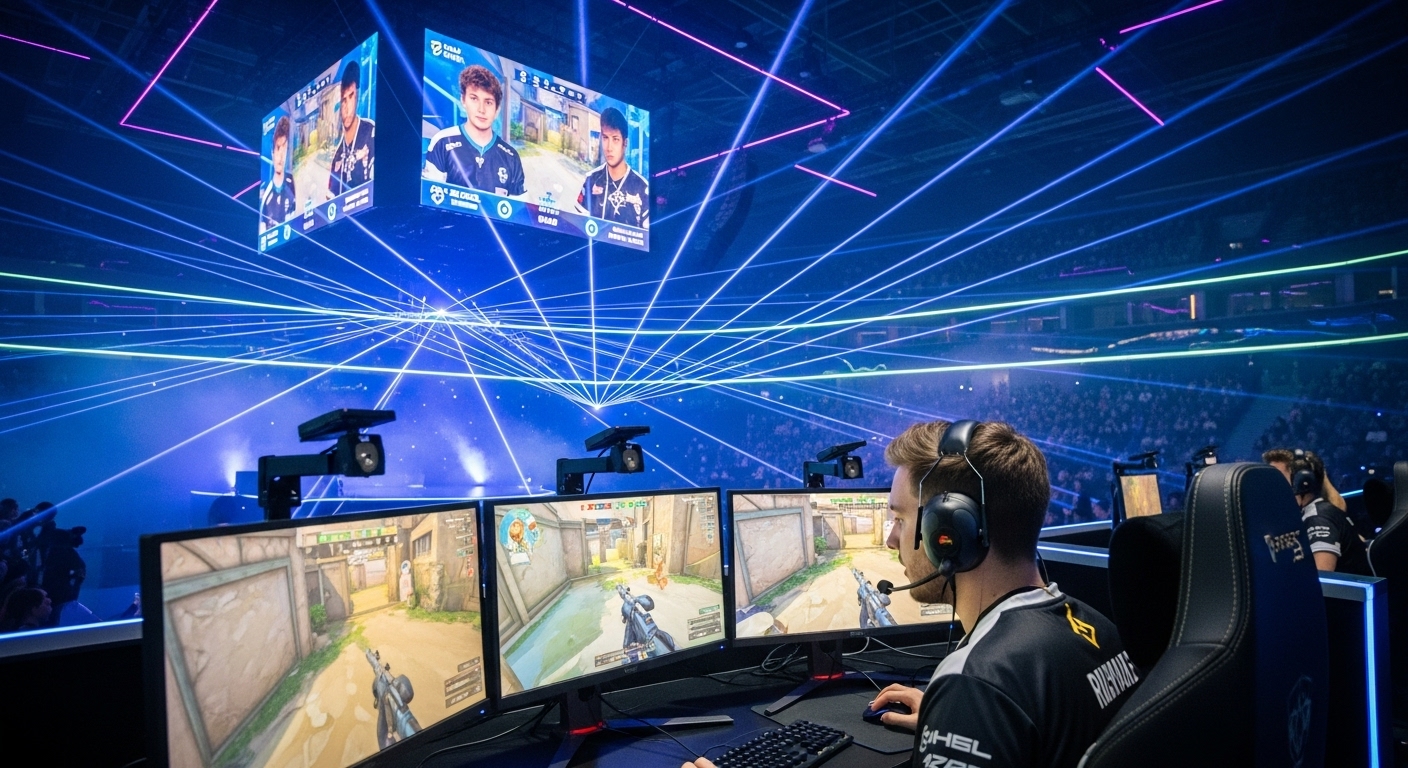
Esports has become more than just a competition between players — it’s a culture, a movement, and a shared passion among millions of fans around the world. Just like football or basketball fans argue over their favorite teams, esports fans have built intense communities with fierce loyalty. From online forums to live arenas, the energy of fans cheering for their favorite teams or players defines much of the excitement around modern esports.
Where there are fans, there are rivalries. These rivalries often extend beyond the players themselves and spill into the hearts of their supporters. Fandom rivalries in esports have become legendary — driving engagement, fueling narratives, and sometimes even shaping the direction of entire games. Whether it’s regional pride, team loyalty, or player personality clashes, these rivalries turn ordinary matches into unforgettable spectacles.
This blog takes a deep dive into the best fandom rivalries in esports history — exploring how they began, what makes them so intense, and how they’ve influenced the broader esports landscape.
The Rise of Esports Fandom
The Birth of Esports Communities
Before there were arenas filled with thousands of cheering fans, esports fandoms started online. Early gaming communities formed on forums, chat rooms, and streaming platforms where fans could connect with others who shared their passion for specific games and players. Over time, these digital communities evolved into structured fanbases that rivaled traditional sports supporters in devotion and intensity.
Games like StarCraft, Counter-Strike, and League of Legends cultivated fan cultures that treated their favorite players like celebrities. The rise of social media and live streaming amplified these rivalries, giving fans direct access to the personalities they admired and sometimes despised.
Emotional Investment in Teams
One of the unique aspects of esports fandom is how personal it feels. Fans often identify with their favorite teams because of shared language, humor, or gaming style. The community aspect of esports means that fans are not just watching—they’re participating in the culture through memes, discussions, and content creation. Rivalries ignite passion, and passion keeps fans engaged long after tournaments end.
League of Legends: The Global Battleground
T1 vs. G2 Esports
Few rivalries in esports capture the global imagination like the one between T1 (formerly SK Telecom T1) from South Korea and G2 Esports from Europe. This rivalry symbolizes the clash between the East and the West — a narrative that has driven much of League of Legends’ international competition.
When these two teams meet, it’s not just a match; it’s a cultural event. Fans from both regions flood social media, predicting outcomes, creating highlight videos, and defending their favorite teams. The personalities of players like Faker from T1 and Caps from G2 only add fuel to the fire. Every time they face off, the hype reaches astronomical levels.
LCK vs. LPL Rivalry
Within Asia, the rivalry between the Korean League (LCK) and the Chinese League (LPL) defines much of competitive League of Legends. The LCK dominated the early years of the game, but as Chinese teams rose to prominence, fans from both sides began clashing over who truly ruled the global stage.
These matches are often accompanied by national pride. Korean fans boast about their disciplined and strategic gameplay, while Chinese fans celebrate their region’s aggressive and fearless style. Whenever teams like T1 and JD Gaming meet, millions tune in to witness not just a competition, but a national rivalry played out through esports.
Counter-Strike: Legacy and Loyalty
Na’Vi vs. FaZe Clan
In Counter-Strike: Global Offensive, few rivalries burn as brightly as Na’Vi versus FaZe Clan. Both organizations have loyal fanbases spread across continents, and their matches frequently define major tournaments. The rivalry intensified as both teams battled for supremacy in grand finals, with dramatic comebacks and individual heroics adding to the tension.
Na’Vi’s fans admire the consistent brilliance of players like s1mple, while FaZe supporters celebrate their team’s unpredictable flair and international roster. Every time these two titans clash, fan debates erupt about which team represents the true spirit of competitive Counter-Strike.
Europe vs. North America
On a regional scale, the classic Europe vs. North America rivalry has defined Counter-Strike for decades. European fans often see their teams as more tactical and experienced, while North American fans pride themselves on passion, creativity, and flair. This rivalry is less about hostility and more about identity — a cultural difference that has shaped how fans view success in the game.
Dota 2: A Rivalry of Legends and Nations
OG vs. Team Secret
In the world of Dota 2, OG and Team Secret are names that command respect. Both teams have passionate, almost cult-like fanbases. OG’s storybook victories at The International tournaments made them beloved underdogs turned champions, while Team Secret’s dominance in regional leagues earned them a reputation for consistency and discipline.
Fans of OG often highlight their emotional connection to the game and their fearless playstyle. In contrast, Team Secret supporters admire the professionalism and structure of their team. When these two powerhouses meet, the clash isn’t just about skill—it’s about philosophy. The arguments between fans online are intense, filled with analysis, jokes, and sometimes heated exchanges.
China vs. the Rest of the World
Another major rivalry in Dota 2 fandom revolves around China versus everyone else. The Chinese Dota scene is known for its methodical strategies, disciplined approach, and years of competitive success. Fans of Western teams often root passionately against Chinese squads, creating a rivalry fueled by both respect and national pride.
The International tournaments often amplify this rivalry, as Chinese fans rally behind their local teams while Western fans unite to cheer for their representatives. It’s one of the most enduring and respectful rivalries in esports, built on a shared love of the game and mutual recognition of excellence.
Overwatch: Clash of Regions and Cultures
Seoul Dynasty vs. New York Excelsior
During the early years of the Overwatch League, Seoul Dynasty and New York Excelsior embodied the rivalry between Asia and North America. Both teams entered the league with immense expectations, and their fans carried national and regional pride into every match.
The rivalry wasn’t just about who won—it was about cultural dominance. Korean fans celebrated their mechanical perfection and discipline, while North American fans took pride in creativity and unpredictability. Matches between these two teams became must-watch events filled with drama, storylines, and emotional intensity.
Dallas Fuel vs. Houston Outlaws
On the other hand, within North America itself, few rivalries are as heated as Dallas Fuel versus Houston Outlaws. Known as the “Texas Showdown,” this rivalry captures the same local pride found in traditional sports. Fans from both cities go all out — waving banners, wearing team colors, and filling arenas with chants. The rivalry is friendly yet fierce, proving that esports can generate regional pride just like any other sport.
Call of Duty: Legacy of Passion
OpTic Gaming vs. FaZe Clan
In Call of Duty, OpTic Gaming and FaZe Clan have created one of the most passionate and emotional rivalries in esports history. These organizations are more than just teams — they are lifestyles, brands, and symbols of different fan cultures.
OpTic’s “Green Wall” fanbase is one of the most loyal in all of esports. They see their team as the heart and soul of competitive Call of Duty. FaZe Clan, meanwhile, represents the modern, influencer-driven era of esports — a combination of gaming, content creation, and style. When these two fanbases collide online, social media lights up with debates, predictions, and celebrations.
Old Guard vs. New Generation
Another fascinating dynamic in Call of Duty esports is the clash between veteran fans who have followed the scene since the early 2010s and newer fans who joined during the era of franchised leagues. The tension between nostalgia and modernization fuels fan discussions, making every matchup feel like a battle between eras.
Valorant: The New Age of Rivalries
Team Liquid vs. Fnatic
As Valorant grows into one of the biggest esports titles in the world, new rivalries are emerging. One of the most exciting is between Team Liquid and Fnatic — two European giants with deeply devoted fanbases. Their encounters are full of strategic mind games, and their fans mirror that intensity with endless debates about which team plays the “real” Valorant style.
Both organizations have long histories in esports, which means their fanbases bring years of passion from other games. This history adds weight to every match they play, turning simple tournaments into high-stakes emotional experiences for their supporters.
North America vs. Europe
Just like in other games, the regional rivalry between North America and Europe has found new life in Valorant. NA fans take pride in their region’s individuality and flair, while EU fans boast about tactical mastery and discipline. When teams from these regions meet, fans flood streams, watch parties, and social media with fiery debates and light-hearted banter.
The Role of Social Media in Esports Rivalries
Amplifying the Hype
Social media platforms like Twitter, Reddit, and Discord have become battlegrounds for esports fandoms. Every match is accompanied by memes, predictions, and reactions. Fans use these spaces not only to support their teams but to engage with rival fanbases in playful (and sometimes not-so-playful) banter.
Player and Organization Interaction
Esports organizations have learned to embrace these rivalries. They often post humorous or provocative content before matches to hype up fans. Players themselves occasionally join the fun, teasing opponents or responding to rival fans. This level of interaction makes the rivalries feel more personal and engaging than those in traditional sports.
The Line Between Passion and Toxicity
While rivalries fuel excitement, they can also cross into unhealthy territory. Sometimes fan debates turn toxic, leading to harassment or negative behavior. Fortunately, most fans understand that rivalries should enhance the experience, not ruin it. Many organizations now promote sportsmanship and respect, reminding fans that competition is what makes esports special in the first place.
Why Fandom Rivalries Matter
Driving Engagement and Growth
Rivalries give esports identity and storylines. Fans love narratives — heroes versus villains, underdogs versus champions. When two major fanbases collide, viewership numbers skyrocket, merchandise sells out, and social media trends explode. Rivalries help sustain interest in the game, even during off-seasons.
Creating Community and Belonging
Being part of a fanbase gives people a sense of belonging. Rivalries deepen that bond, creating shared experiences that fans carry for years. Whether it’s chanting in a stadium or arguing online after a match, these interactions strengthen the esports ecosystem.
Inspiring Players
Players feel the energy of these rivalries too. Knowing that thousands of fans are cheering or debating their every move adds motivation and intensity. Rivalries push athletes to perform better, creating legendary moments that define esports history.
The Future of Fandom Rivalries in Esports
As esports continues to grow, rivalries will become even more diverse and global. With new titles emerging every year, fans from different cultures and regions will find new teams and players to support. The lines between fandoms will blur as streaming, international tournaments, and multilingual communities bring fans closer together.
However, the spirit of competition will remain the same. Friendly rivalries will continue to drive excitement, passion, and engagement across the esports world. Whether it’s an age-old battle between T1 and G2, or a new clash between Valorant giants, these rivalries remind us why we love competitive gaming in the first place.
Conclusion
Esports fandom rivalries are the heartbeat of competitive gaming. They transform matches into events, players into legends, and games into global spectacles. Whether it’s the East versus West battles in League of Legends, the tactical duels of Counter-Strike, or the regional pride of the Texas Showdown in Overwatch, these rivalries define what makes esports special.
At their best, these rivalries unite fans across continents through a shared love of the game. They create memories, inspire future players, and ensure that every tournament feels like a story worth watching. As esports continues to evolve, one thing is certain — the passion of its fans will keep the fire of rivalry burning brighter than ever.