Introduction: The New Age of Competition
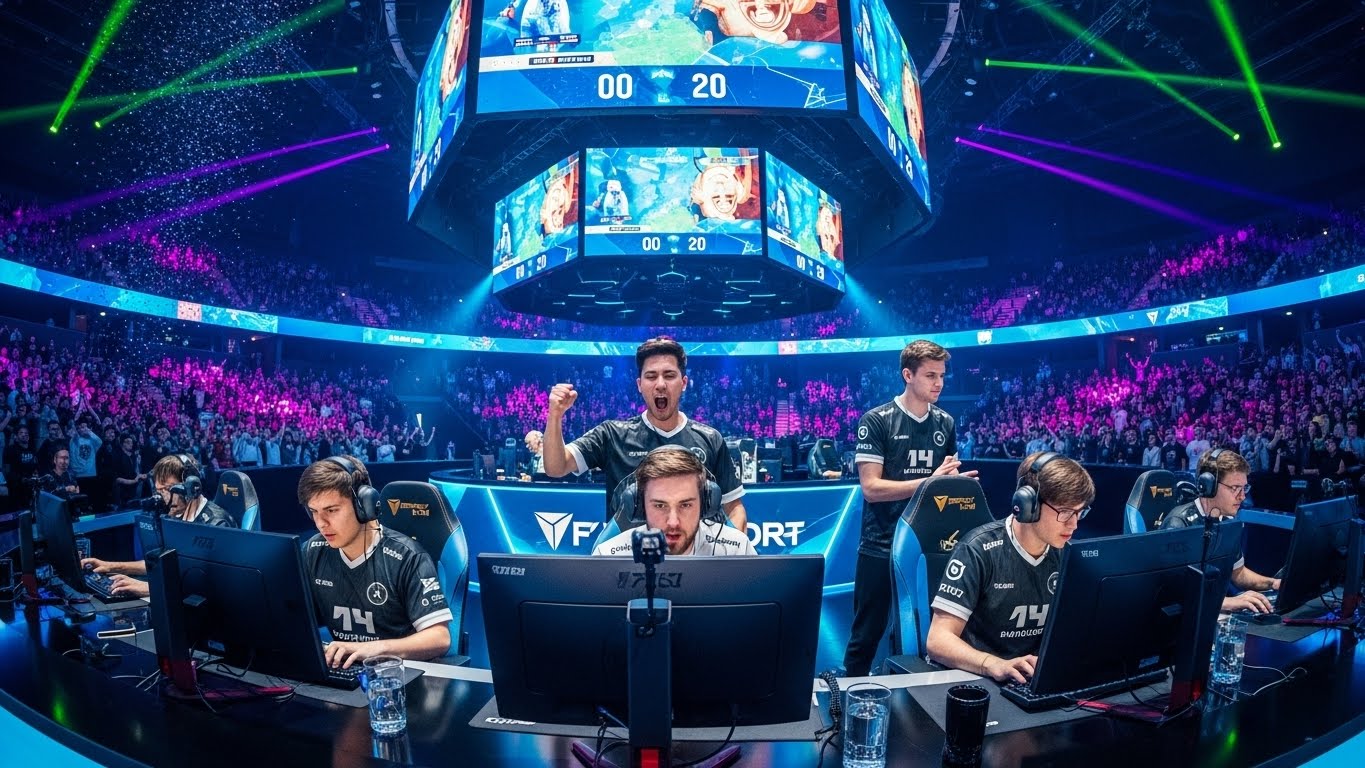
In the last two decades, a new form of competition has surged beyond traditional sports arenas, captivating millions across the globe. This phenomenon, known as esports, or competitive video gaming, has grown from small communities playing for fun into a professional industry with global reach and immense influence. Esports combines the intensity of sports with the immersive appeal of digital technology, bringing together skill, strategy, and entertainment in an unprecedented way.
This blog explores the journey of esports from its humble beginnings to the multi-billion dollar industry it is today. It delves into the unique structure of the esports ecosystem, profiles the major games and tournaments, examines the players’ lives, and discusses how esports is reshaping the future of competition and entertainment worldwide.
The Origins and Evolution of Esports
Competitive gaming has roots stretching back to the early days of video games. From arcade competitions in the 1980s to local LAN parties in the 1990s, the idea of playing video games competitively has always existed. However, it wasn’t until the rise of the internet and online multiplayer gaming that esports began to take form as we know it today.
In the late 1990s and early 2000s, games like Quake, StarCraft, and Counter-Strike pioneered competitive formats that drew players from around the world. These games introduced ranking systems, matchmaking, and early tournaments that laid the groundwork for professional leagues. The advent of streaming platforms in the 2010s, enabling fans to watch players live, exploded the popularity of esports and made stars out of gifted gamers.
Today, esports is a vibrant industry with millions of fans watching professional players compete in high-stakes tournaments broadcasted worldwide, all from the comfort of their homes.
The Esports Ecosystem: An Interconnected Web of Roles and Responsibilities
Esports is much more than players battling it out in front of computers. It’s a complex ecosystem involving numerous stakeholders, each playing a vital role in maintaining the industry’s momentum.
Game Developers and Publishers are the architects of the esports world. They create the games, design the rules, balance gameplay to maintain fairness, and often organize official tournaments. Without their continued support and innovation, the esports scene would stagnate.
Teams and Players form the heart of esports. Players dedicate thousands of hours mastering the intricate mechanics and strategies of their chosen games. Teams provide structure, coaching, training facilities, and management, turning talented individuals into disciplined professionals.
Tournament Organizers and Leagues plan, execute, and promote competitions. They are responsible for creating engaging formats, securing venues, handling logistics, and ensuring smooth broadcasts to global audiences.
Sponsors and Brands provide essential funding through endorsements and advertising, helping sustain prize pools and team operations. Their involvement also indicates esports’ growing commercial viability and appeal.
Media, Streaming Platforms, and Content Creators connect fans to the action, offering commentary, analysis, and entertainment beyond gameplay. Their work keeps fans engaged year-round.
Fans and Communities are the lifeblood of esports, supporting players, attending events, creating fan art, and driving the culture that surrounds competitive gaming.
Popular Esports Genres and Games
Esports covers a wide range of game genres, each with its own competitive nuances and fanbase. Among the most popular are:
Multiplayer Online Battle Arenas (MOBA), such as League of Legends and Dota 2. These games focus on team-based strategic battles where players control individual heroes or champions with unique abilities. MOBAs are known for their depth and complexity, requiring both mechanical skill and tactical acumen.
First-Person Shooters (FPS) like Counter-Strike: Global Offensive, Valorant, and Overwatch emphasize precise aiming, reflexes, and teamwork in fast-paced combat scenarios. FPS esports appeal to fans who enjoy raw mechanical skill and intense action.
Real-Time Strategy (RTS) games, historically exemplified by StarCraft II, require players to manage resources, build units, and execute precise strategies in real time, showcasing multitasking and decision-making under pressure.
Battle Royale and Survival Games such as Fortnite and Apex Legends bring a unique twist with large-scale last-player-standing formats, combining shooting, strategy, and exploration.
Fighting Games like Street Fighter and Super Smash Bros attract competitive players through one-on-one matches focusing on reflexes, timing, and mastery of combos.
Each genre has carved out a distinct community and tournament scene, contributing to esports’ overall diversity and appeal.
The Life of a Professional Esports Player
Becoming a professional esports player is no simple task. Behind the scenes lies a demanding lifestyle requiring dedication, resilience, and constant improvement.
Training is intense and structured. Top players often practice for 8 to 12 hours a day, focusing on mechanics, strategy, teamwork, and reviewing gameplay footage to identify mistakes and opportunities. Many teams have coaches, analysts, and sports psychologists to support their players’ development.
Mental and Physical Health are increasingly recognized as crucial factors. Long hours of practice can lead to burnout, repetitive strain injuries, and mental fatigue. Consequently, players now often incorporate physical fitness routines, proper nutrition, and mental wellness exercises into their schedules.
Career Longevity varies by game and individual. While some players enjoy careers spanning several years, others retire early due to intense competition or physical strain. Many transition into coaching, streaming, or content creation after their playing days.
Player Contracts and Salaries have grown substantially. Top esports professionals can earn significant income through tournament winnings, salaries, sponsorships, and streaming revenue. However, income levels vary widely across games and regions.
The Structure of Esports Tournaments and Leagues
Esports tournaments come in various formats, from small local competitions to massive international events. Understanding how these tournaments are structured helps fans appreciate the competitive journey.
Open Qualifiers allow aspiring teams or players to compete for spots in major events, providing a pathway from amateur to professional play.
Group Stages usually follow, where teams are split into groups and compete in round-robin or double-elimination formats. This stage determines who advances to playoffs.
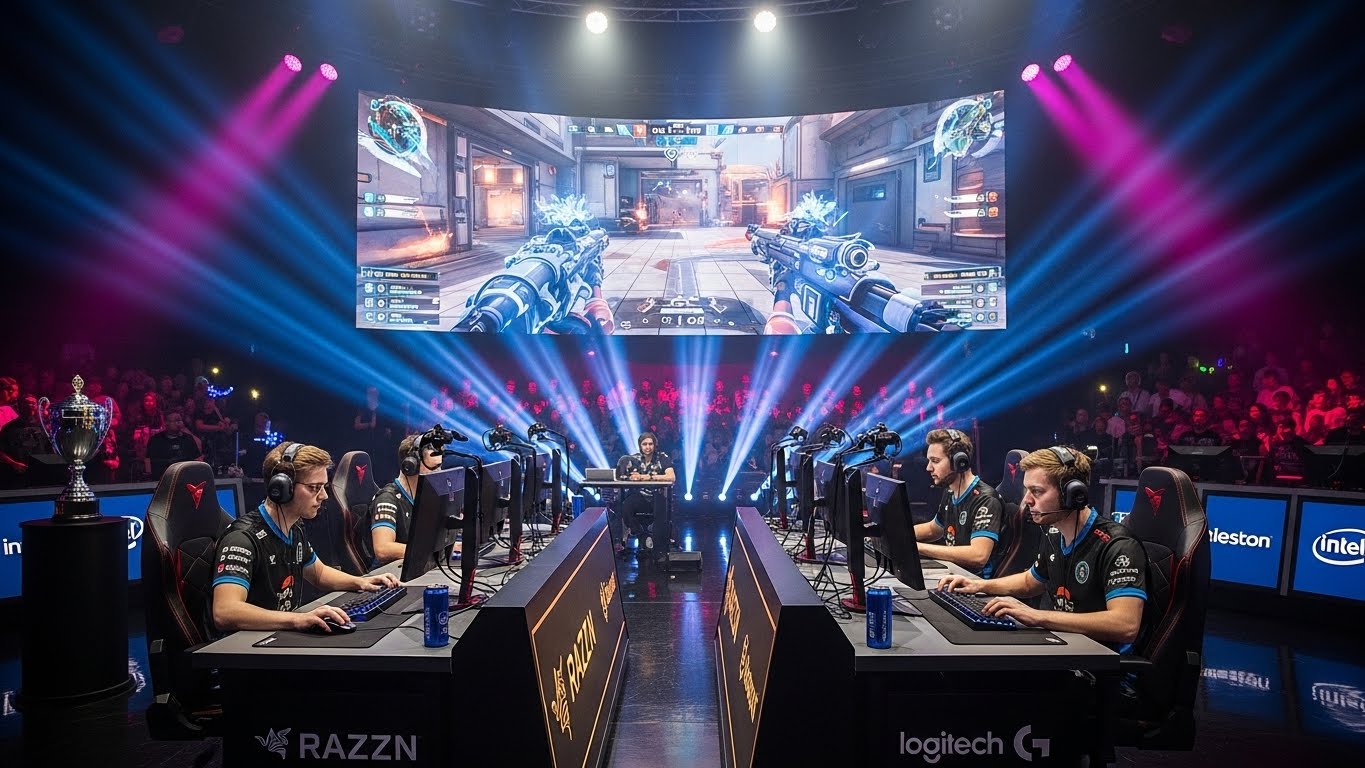
Playoffs and Grand Finals feature the top teams competing in knockout rounds, often culminating in a best-of-five or best-of-seven series to crown the champion.
Leagues often operate on a seasonal basis, with regular matches leading to playoffs. Some leagues adopt franchising models similar to traditional sports, ensuring stability for teams and allowing long-term investments.
The Business of Esports: Economics and Sponsorship
Esports has evolved into a significant economic force. The global esports market generates billions annually through sponsorships, advertising, media rights, merchandise, and ticket sales.
Sponsorship Deals from technology brands, energy drinks, apparel companies, and even mainstream consumer goods fuel the ecosystem. These partnerships fund tournaments, teams, and content creators, while providing brands access to young, engaged audiences.
Media Rights and Broadcasting deals are becoming increasingly valuable as streaming viewership rivals that of traditional sports broadcasts. Exclusive streaming contracts are a growing revenue source for leagues and organizers.
Merchandising and Ticket Sales from live events contribute to revenue, especially as major esports tournaments fill stadiums worldwide.
Investment and Venture Capital have entered the scene, with startups focused on analytics, team management, streaming technology, and fan engagement tools emerging.
Despite the booming market, esports faces challenges including fluctuating game popularity, regulatory hurdles, and the need for sustainable team and league operations.
The Role of Streaming and Content Creation
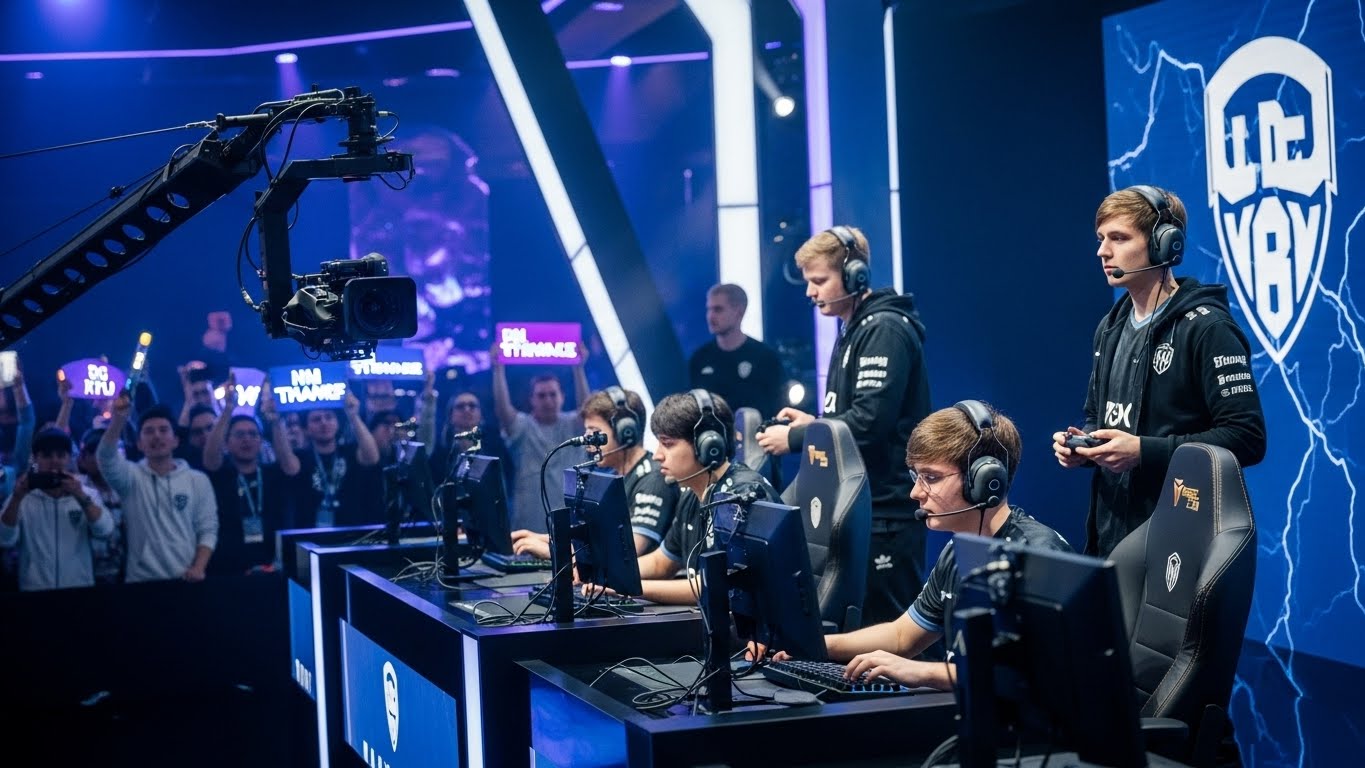
Streaming platforms like Twitch, YouTube Gaming, and others have revolutionized how esports content is consumed. Live broadcasts allow fans to watch tournaments, follow players’ practice sessions, and interact with communities in real time.
Casters and Commentators bring matches to life, explaining strategies, hype moments, and player personalities. Their role is crucial in making esports accessible and entertaining.
Content Creators including influencers, analysts, and vloggers, generate content that deepens fan engagement. They produce highlights, tutorials, behind-the-scenes footage, and community discussions that maintain interest outside competitive matches.
Streaming also offers players an alternative income stream, where their personal brand and personality can generate revenue through subscriptions, donations, and sponsorships.
Challenges and Controversies in Esports
Like any rapidly growing industry, esports faces several challenges:
Player Wellbeing is a growing concern due to long hours, mental health issues, and physical strain. Teams and organizations are increasingly adopting holistic health programs.
Cheating and Fair Play issues require constant vigilance through anti-cheat software and tournament rules enforcement.
Inclusivity and Diversity are critical topics, as the industry seeks to broaden participation and address toxicity and harassment in gaming communities.
Regulatory and Legal Issues including contracts, intellectual property, gambling, and broadcasting rights require clear frameworks and global cooperation.
Addressing these challenges is vital for esports’ long-term legitimacy and growth.
The Future of Esports: Trends and Predictions
Esports shows no signs of slowing down. Its future is shaped by several exciting trends:
Technological Innovations such as virtual reality and augmented reality could transform how games are played and viewed, creating more immersive experiences.
Integration with Traditional Sports is growing, with sports franchises investing in esports teams and cross-promotional events.
Educational Programs and Collegiate Esports are formalizing competitive gaming, offering scholarships and career pathways.
Global Expansion continues as new regions develop competitive scenes, contributing fresh talent and diverse audiences.
New Game Genres and Formats will continue to emerge, keeping the scene dynamic and evolving.
Conclusion: Esports as a Cultural and Competitive Force
Esports is more than just video games—it’s a cultural movement, an entertainment spectacle, and a legitimate form of competition that has transformed the landscape of sports and digital media. The dedication of players, the passion of fans, the ingenuity of developers, and the professionalism of teams and organizers have combined to create a global industry that connects millions.
As esports continues to grow, it challenges traditional notions of what competition means, who can participate, and how entertainment is delivered. For players, fans, and businesses alike, esports represents a frontier full of opportunity and excitement—a digital arena where the future of sports and entertainment is being forged.