Esports, or competitive gaming, has transformed from a niche hobby into a global phenomenon. What was once a pastime for small communities has grown into an industry with professional leagues, international tournaments, celebrity players, and a massive audience spanning every continent. Esports is now recognized not just as entertainment but as a cultural, technological, and economic force. This blog delves into the history of esports, its growth, its impact on society, and the future potential of competitive gaming.
The Origins of Esports
The roots of esports trace back to the 1970s and 1980s when arcade gaming became popular. Games like Space Invaders and Pac-Man attracted players to local arcades, where high scores were celebrated. Although these early competitions were informal, they laid the groundwork for organized gaming tournaments.
With the rise of personal computers in the 1990s, multiplayer games like Doom, Quake, and StarCraft enabled players to compete online. Small tournaments began to emerge, offering cash prizes and recognition. Communities formed around these games, marking the early stages of professional competitive gaming.
The Rise of Competitive Online Gaming
The 2000s marked a turning point for esports. The widespread availability of high-speed internet allowed players to compete globally, connecting individuals across countries. Multiplayer online games such as Counter-Strike, World of Warcraft, and League of Legends became central to competitive gaming culture.
During this period, the formation of professional teams and leagues elevated the level of competition. Sponsorships, prize pools, and organized tournaments helped legitimize esports as a serious pursuit. Players could now dedicate themselves to gaming as a career, practicing for hours each day to maintain competitive advantage.
The Role of Streaming Platforms
Streaming platforms have been instrumental in esports’ growth. Platforms like Twitch and YouTube Gaming allow players to broadcast live gameplay to millions of viewers. Fans can watch competitions, interact with streamers, and feel part of a global community.
Live streaming transformed esports into a spectator sport. Unlike traditional sports, viewers can follow in-game action with complete transparency, often experiencing matches alongside commentary and interactive features. Monetization through subscriptions, donations, and sponsorships has also allowed professional gamers to generate revenue beyond tournament winnings.
Professional Teams and Players
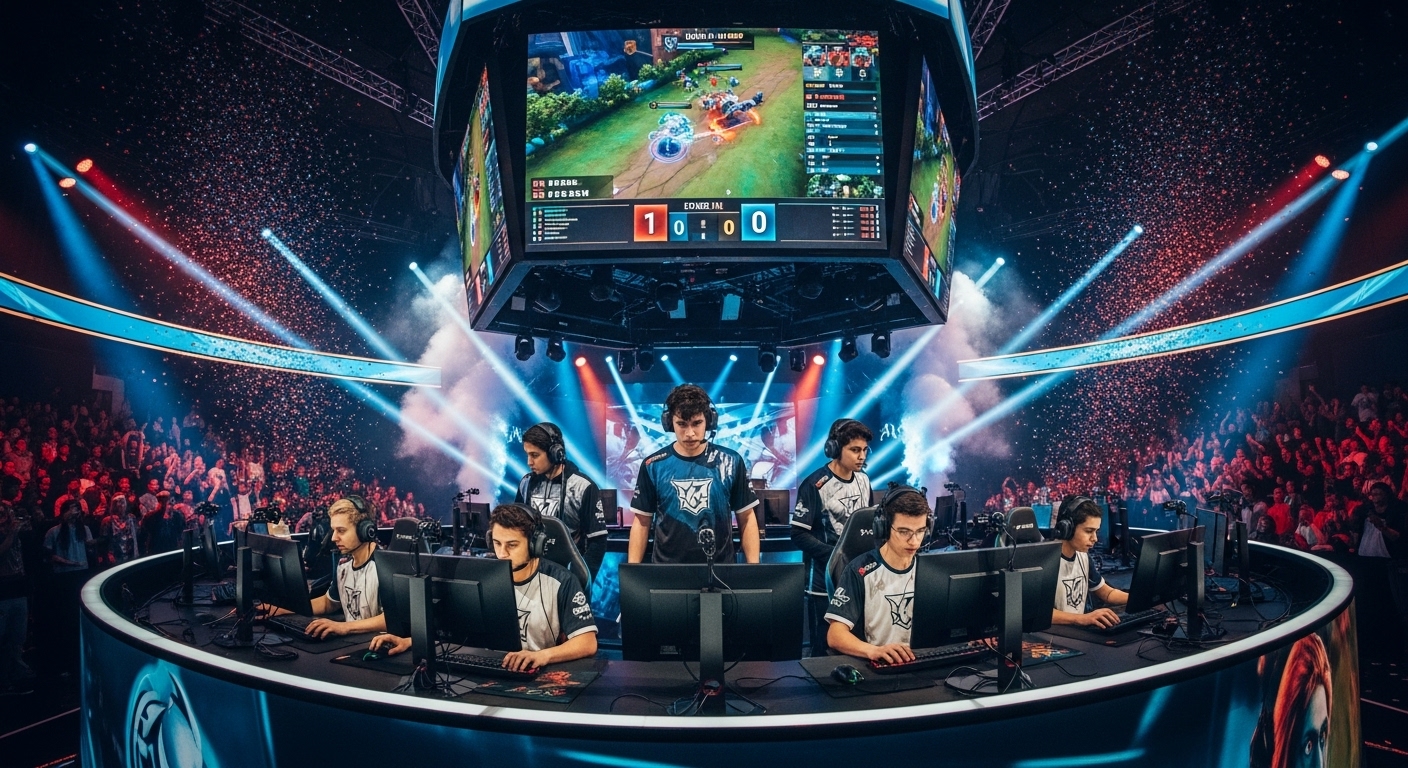
Esports teams operate similarly to traditional sports franchises. They recruit skilled players, provide coaching, and secure sponsorship deals. Teams compete in regional and international tournaments, covering genres like first-person shooters, multiplayer online battle arenas, and real-time strategy games.
Top esports players achieve celebrity status, attracting fan followings rivaling those of athletes. Contracts, merchandise sales, and endorsement deals supplement their income. Success requires discipline, teamwork, and strategic thinking, underscoring esports’ legitimacy as a professional career.
Major Esports Tournaments
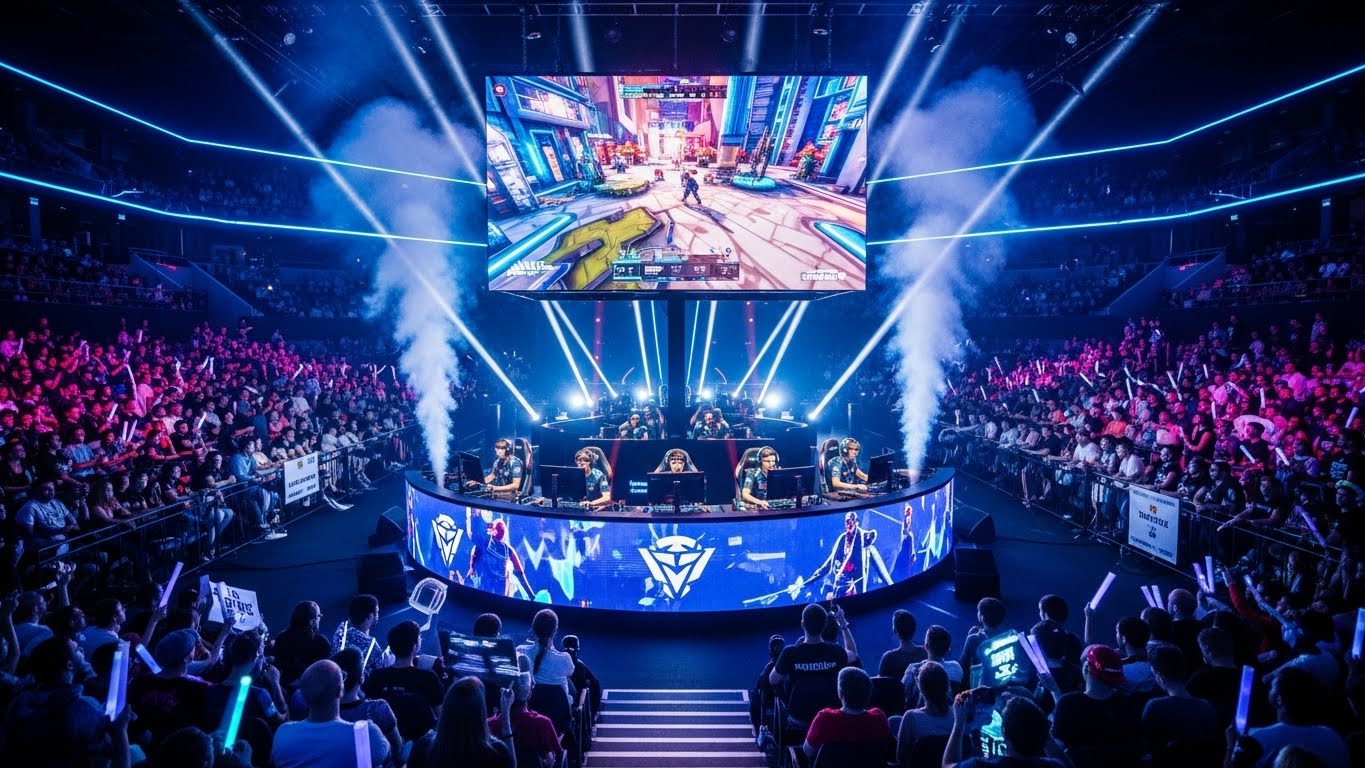
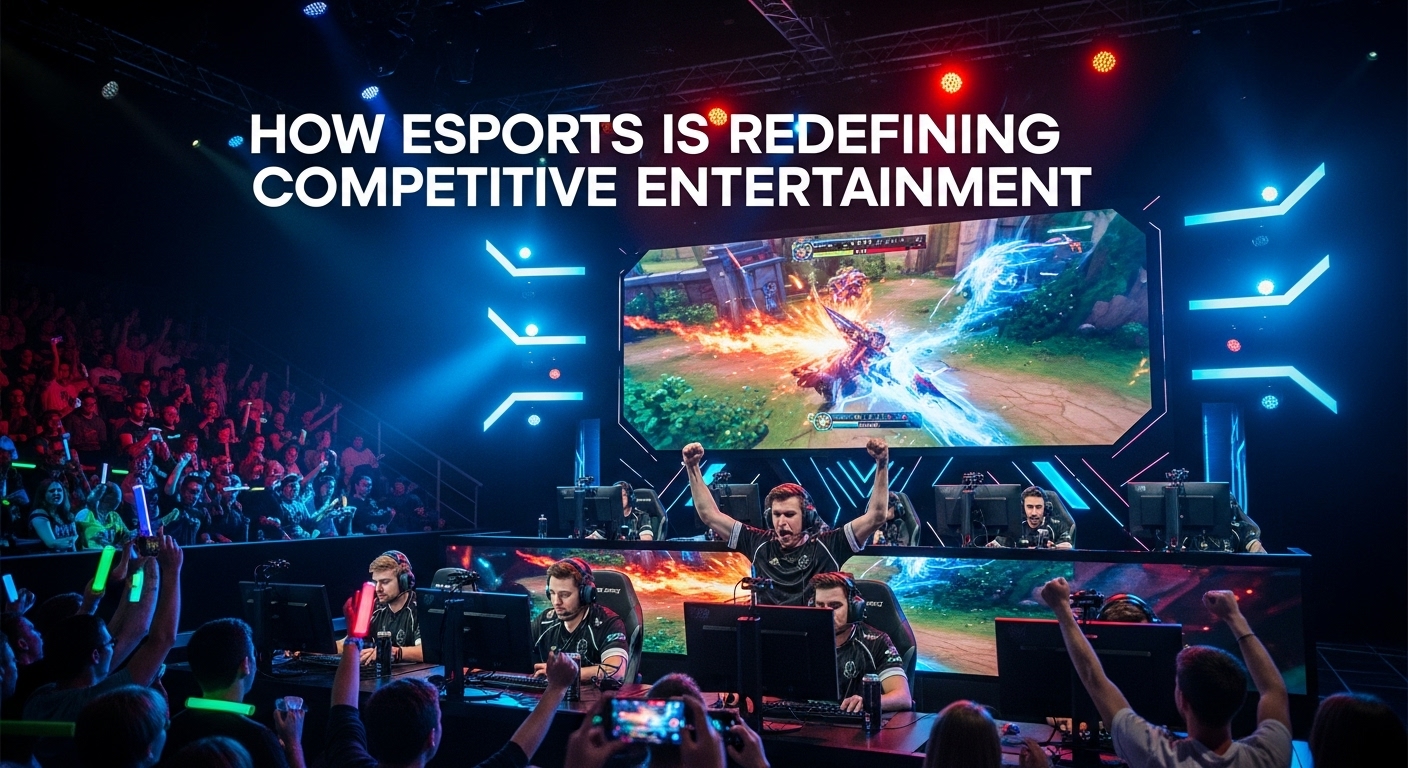
Esports tournaments have become major events with global audiences. Competitions such as The International, League of Legends World Championship, and the Fortnite World Cup offer multi-million-dollar prize pools. These events are broadcast online and attract live spectators to arenas, making them spectacles comparable to traditional sports finals.
Tournaments combine competition with entertainment. Professional commentary, elaborate stage production, fan interactions, and digital experiences elevate these events beyond gaming. They validate esports as a cultural phenomenon and highlight its economic and entertainment value.
Economic Impact of Esports
Esports has grown into a multi-billion-dollar industry. Revenue streams include sponsorships, advertising, media rights, ticket sales, and merchandise. Brands in technology, apparel, and consumer goods invest heavily in esports to connect with younger, digitally native audiences.
The industry also generates employment opportunities beyond players. Coaches, analysts, content creators, event organizers, and technical staff all play critical roles in esports operations. Universities now offer esports management programs and scholarships, reflecting its integration into mainstream education and business.
Esports and Youth Culture
Esports has profoundly influenced youth culture. It provides platforms for competition, social interaction, and skill development. Young people are inspired to pursue professional gaming or careers in related fields such as content creation, technology, and digital media.
Esports encourages strategic thinking, communication, and collaboration. Players learn to handle pressure, adapt quickly, and work in teams. These skills have applications beyond gaming, contributing to personal and professional growth.
Health and Well-Being in Esports
While esports offers opportunities, it also presents challenges related to health and well-being. Long practice sessions can lead to eye strain, repetitive stress injuries, and mental fatigue. The high-pressure environment of professional gaming can cause stress and burnout.
Professional teams now employ sports psychologists, fitness coaches, and nutritionists to support players. Balanced routines, exercise, and mental health awareness are critical for sustaining peak performance. Ensuring player well-being is essential for the long-term sustainability of the industry.
Technology and Esports
Technology underpins esports at every level. High-performance computers, fast internet connections, gaming peripherals, and advanced graphics software are essential for competitive play. Online platforms enable global tournaments and real-time interaction with fans.
Data analytics and artificial intelligence are increasingly used to improve performance. Teams analyze player statistics, strategies, and game patterns to refine tactics. Emerging technologies like virtual reality and augmented reality promise to create even more immersive esports experiences.
The Global Reach of Esports
Esports is a global phenomenon, with major hubs in North America, Europe, and Asia. Emerging regions are increasingly participating, supported by better infrastructure, tournaments, and talent development programs.
This international reach fosters cultural exchange and global collaboration. Players and fans from different countries unite through shared interests, showcasing how esports bridges geographical and cultural gaps in ways traditional sports cannot.
The Future of Esports
The future of esports is full of potential. Advancements in virtual reality, cloud gaming, and artificial intelligence will redefine gameplay and audience engagement. Immersive and interactive experiences will make spectators feel like active participants.
Esports may also become more integrated with traditional sports ecosystems. Partnerships between leagues, academic institutions, and media organizations could further professionalize the industry. Continued growth will require investment in infrastructure, governance, and player development to ensure sustainability.
Challenges Facing Esports
Despite its growth, esports faces several challenges. Cheating, integrity, and fair play must be constantly monitored. Mental health, career longevity, and player support remain ongoing concerns. Accessibility in regions with limited technology infrastructure can restrict participation, making inclusivity an important goal for the industry.
Addressing these challenges will be crucial for maintaining credibility and fostering long-term growth. Governance, ethical standards, and responsible management will determine the future success of esports.
Esports as a Cultural Phenomenon
Esports has become a cultural force. It influences fashion, music, online communities, and entertainment media. Professional players act as role models, inspiring creativity and ambition. Fan culture, cosplay, and esports media reflect how gaming extends into lifestyle and identity.
By embracing esports, society recognizes digital competition as a legitimate form of entertainment and human achievement. It demonstrates the convergence of technology, creativity, and culture in shaping modern experiences.
Conclusion: The Transformative Power of Esports
Esports has evolved from small competitions into a global industry with millions of participants and spectators. It combines skill, strategy, entertainment, and technology into a dynamic ecosystem that continues to grow. Beyond gameplay, esports fosters community, drives economic opportunities, and influences youth culture worldwide.
As technology advances and the industry matures, esports will become even more immersive, interactive, and influential. It is no longer just a game; it is a platform for innovation, connection, and human potential. The rise of esports proves that competitive gaming can be both a legitimate career and a transformative cultural phenomenon, offering a future full of possibilities.