Introduction
Esports, short for electronic sports, is no longer a niche subculture but a booming global industry that is redefining entertainment. What started as a hobby for avid gamers has transformed into a billion-dollar ecosystem, attracting millions of viewers, top-tier athletes, and even investors from diverse sectors. From massive live-streamed tournaments to university scholarships, esports has evolved into a legitimate profession and cultural phenomenon that rivals traditional sports in terms of audience size and financial impact.
Esports is not just about playing video games—it’s about the experience, the community, and the opportunities it presents for players, teams, fans, and brands. The industry continues to grow at a rapid pace, driven by technological innovations, the rise of streaming platforms, and a new generation of passionate fans. But how did esports become a mainstream force in entertainment, and what does the future hold for this rapidly evolving industry?
This blog post will explore the rise of esports, the factors contributing to its success, the players, teams, and tournaments that drive the industry, and the challenges that lie ahead. From its origins in competitive gaming to its current status as a global entertainment juggernaut, esports is shaping the future of entertainment in ways that were once unimaginable.
The Evolution of Esports: From Casual Gaming to Global Phenomenon
Esports as we know it today has its roots in the early days of multiplayer video games. In the 1990s, games like Doom, Warcraft, and StarCraft introduced the concept of online multiplayer gaming, where players could compete against each other over the internet. These games set the stage for organized competitions, though the esports scene at the time was small, and competitions were mostly informal and localized.
However, the landscape of competitive gaming began to change dramatically in the late 1990s and early 2000s with the advent of more sophisticated multiplayer games and the first major esports tournaments. In 1997, the Red Annihilation tournament for Quake offered a Ferrari as the grand prize, marking the first major esports competition with a significant reward. This event is often considered the beginning of modern esports. It was followed by other tournaments, but esports remained mostly confined to a small, dedicated group of players.
The true breakthrough for esports came in the mid-2000s with the rise of professional gaming leagues in South Korea. The StarCraft Pro League and the World Cyber Games introduced organized, televised competitions that helped cement esports as a legitimate form of entertainment. South Korea’s investment in esports infrastructure, including dedicated gaming cafes, broadcasting of tournaments, and large fan bases, played a significant role in the rise of esports as a global phenomenon.
The next phase of esports’ expansion came with the growth of live streaming platforms. The launch of Twitch in 2011 revolutionized the way gamers and fans interacted with each other. Twitch allowed professional players to stream their gameplay to millions of viewers around the world, creating a direct connection between fans and athletes. Streaming platforms, combined with popular games like League of Legends, Dota 2, and Counter-Strike: Global Offensive, helped esports reach a global audience and turned it into a multi-billion-dollar industry.
Today, esports is an integral part of the entertainment landscape, attracting millions of viewers to live-streamed events, packed stadiums, and even television broadcasts. It’s no longer just about playing games—esports has become a legitimate career for many, offering sponsorship deals, endorsement opportunities, and multi-million-dollar prize pools for professional players and teams.
The Business of Esports: Sponsorships, Revenue, and Investment
One of the most significant factors driving the rise of esports is the influx of money from sponsorships, media rights, and investments. Esports tournaments and leagues generate millions of dollars in revenue, which has transformed esports from a grassroots activity into a multi-billion-dollar industry.
Sponsorships are a major source of income for esports organizations and events. Global brands like Intel, Coca-Cola, Red Bull, and Samsung have invested heavily in esports through sponsorship deals with players, teams, and tournaments. These companies are attracted by esports’ ability to reach a young, tech-savvy demographic that is often difficult to target through traditional advertising methods. As esports viewership continues to grow, more and more companies are investing in the industry, creating an environment where brands can align themselves with top players and events.
Media rights are another key revenue stream for the esports industry. Just like traditional sports leagues, esports tournaments are broadcasted on various platforms, including television networks and online streaming services. Companies pay for the rights to broadcast these events to reach millions of viewers across the globe. Major tournaments like The International for Dota 2 and the League of Legends World Championship have become massive media properties, attracting broadcasting partners from around the world.
In addition to sponsorships and media rights, esports also generates income from ticket sales, merchandise, and in-game purchases. Large tournaments and leagues often sell tickets to fans who want to experience the excitement of live events in person. Fans also support their favorite teams by purchasing branded merchandise, including jerseys, hats, and accessories. In-game purchases, such as skins and cosmetic items, also contribute significantly to the revenue generated by popular games, creating a steady stream of income for developers and tournament organizers.
With its increasing revenue potential, esports has attracted investment from traditional sports teams, venture capital firms, and even celebrities. For example, major sports organizations like the New York Knicks and Dallas Cowboys have invested in esports teams, while high-profile investors like Mark Cuban and Michael Jordan have backed esports ventures. This influx of capital has helped fuel the industry’s growth, enabling esports to expand into new markets and offer more opportunities for players and fans.
Esports Teams, Players, and Tournaments: The Pillars of the Industry
At the heart of the esports industry are the teams, players, and tournaments that make the sport exciting and competitive. Professional esports teams are similar to traditional sports teams, with players who train intensively and compete in high-stakes tournaments. These teams are often sponsored by major brands, and they have coaches, analysts, and other staff who work together to help players improve their performance.
Esports players are highly skilled athletes who spend countless hours practicing, strategizing, and perfecting their gameplay. Many professional players start at a young age, often as teenagers, and dedicate their lives to becoming the best in their chosen game. These players are often subject to intense pressure to perform, especially in high-stakes tournaments with substantial prize pools on the line.
Top esports players can earn substantial salaries from tournament winnings, sponsorships, streaming, and content creation. For example, the prize pool for The International, the premier Dota 2 tournament, has reached over $40 million in recent years, with the winning team taking home a significant portion of that amount. In addition to tournament prizes, players often sign lucrative sponsorship deals with major brands, further increasing their earnings.
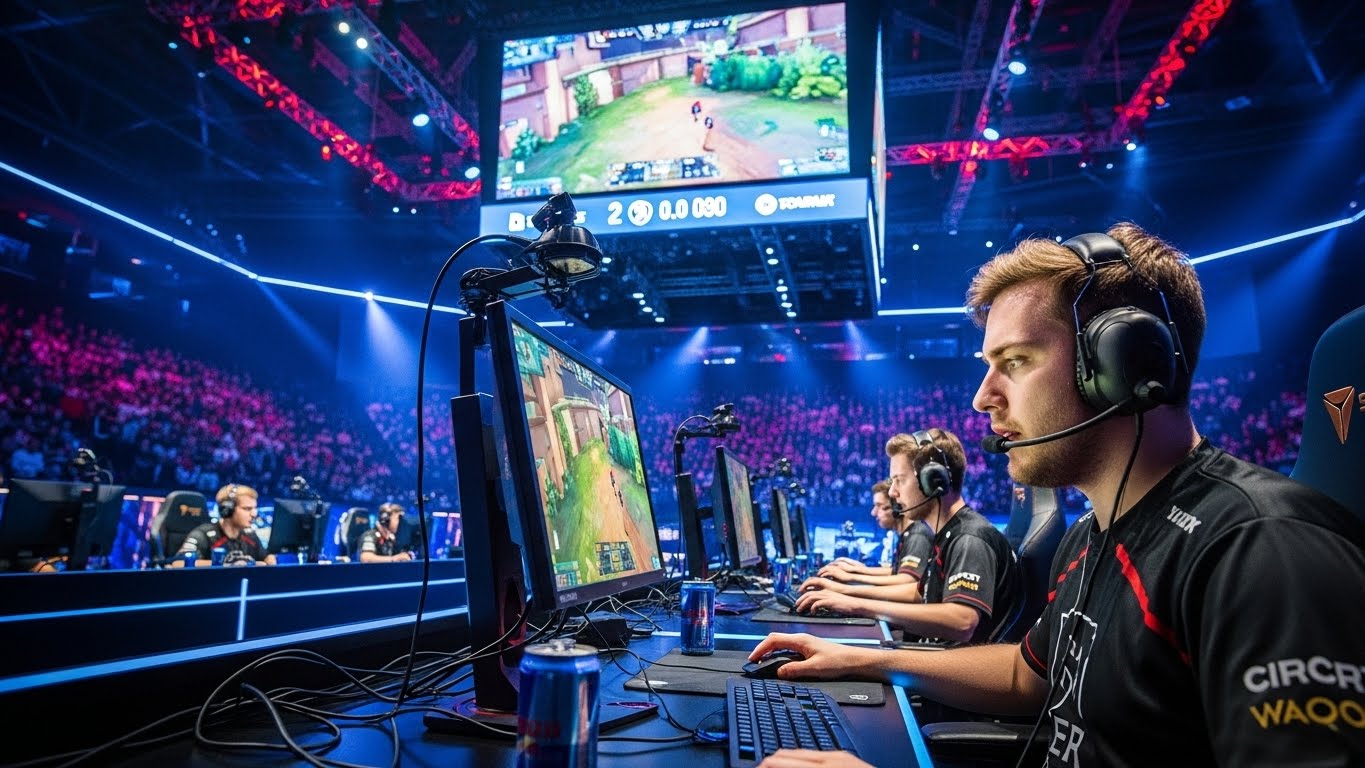
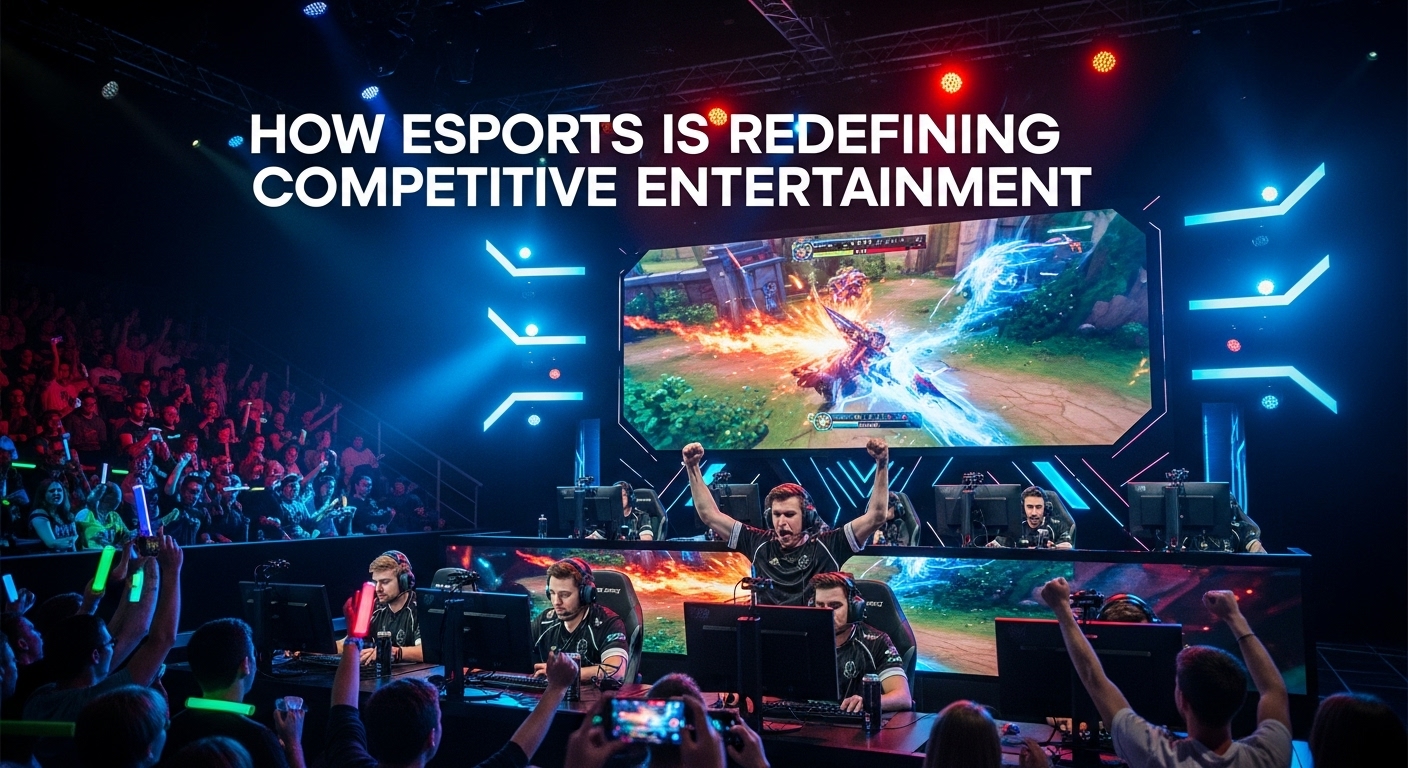
Esports tournaments are the main events that bring players and fans together. These tournaments, such as The League of Legends World Championship and CS:GO Majors, attract millions of viewers both online and in person. These events are broadcasted live on streaming platforms like Twitch and YouTube, allowing fans to follow the action in real-time. Some of the biggest esports tournaments take place in sold-out arenas, where fans cheer for their favorite teams, creating an electrifying atmosphere similar to that of traditional sports events.
Tournaments are not limited to a few games—they cover a wide range of titles across different genres. From multiplayer online battle arena (MOBA) games like League of Legends to first-person shooters like Overwatch and Counter-Strike: Global Offensive, esports offers something for every type of gamer. The diversity of games in the esports ecosystem helps the industry reach a broad audience, catering to both casual and hardcore gamers alike.
The Impact of Streaming and Social Media on Esports
One of the driving forces behind the growth of esports has been the rise of streaming platforms. Twitch, YouTube Gaming, and Facebook Gaming have transformed how esports content is consumed, allowing fans to watch live competitions, interact with players, and engage with the community in real-time.
Twitch, the dominant platform for esports streaming, boasts millions of active users who tune in daily to watch their favorite players and teams compete. The interactive nature of streaming allows fans to engage with content in ways that traditional sports broadcasts cannot match. Viewers can chat with players and other fans, donate to their favorite streamers, and even vote on in-game decisions during live streams.
Social media platforms like Twitter, Instagram, and TikTok also play a vital role in the growth of esports. Players, teams, and tournament organizers use social media to promote their events, share behind-the-scenes content, and interact with their fanbase. Fans, in turn, use these platforms to stay updated on the latest esports news, discuss their favorite teams, and share highlights from tournaments.
The relationship between players and fans is much more personal in esports than in traditional sports, thanks to the close-knit nature of the gaming community. Fans can directly interact with their favorite players, creating a sense of connection and loyalty that is rare in traditional sports. This level of fan engagement has helped esports become more than just a form of entertainment—it has created a global community that transcends geographical boundaries.
The Challenges Ahead for Esports
Despite its tremendous growth, the esports industry faces several challenges that could impact its future trajectory. One of the biggest concerns is the physical and mental health of players. Professional esports players often spend long hours training and competing, which can lead to repetitive strain injuries, poor posture, and eye strain. Mental health is also a significant concern, with the pressures of competition, intense media scrutiny, and the constant grind of training taking a toll on players’ well-being.