Esports, a portmanteau of “electronic sports,” has grown from a niche hobby into a global powerhouse in the entertainment industry. With millions of fans, professional teams, lucrative sponsorships, and major international tournaments, esports is no longer just about playing games in your bedroom. It has evolved into a legitimate competitive field, blending skill, strategy, and entertainment to create a multi-billion dollar industry. In this blog post, we will explore the rise of esports, the key factors that contributed to its growth, and its future as a mainstream form of entertainment.
The Early Days of Esports: From LAN Parties to International Tournaments
The origins of esports can be traced back to the early days of computer gaming in the late 1990s and early 2000s. Back then, competitive gaming was relatively limited to local area network (LAN) parties, where friends would gather in a single location to compete against each other in multiplayer video games. Titles such as “Warcraft,” “Quake,” and “StarCraft” were early favorites, attracting gamers who wanted to test their skills in a competitive environment.
As internet speeds improved and online multiplayer games became more widespread, competitive gaming transitioned to the digital realm. Games like “Counter-Strike” and “Dota” (later “Dota 2”) began to build communities around competitive play, and tournaments began to pop up, albeit on a small scale. These events were mostly local or regional in scope, but they set the foundation for what would become a global phenomenon.
The first major breakthrough for esports came in 1997 with the launch of the Red Annihilation tournament for “Quake.” This event attracted professional gamers and helped lay the groundwork for the more organized esports events that followed. In 2000, the World Cyber Games (WCG) was founded, and it became the first truly international esports competition. The WCG brought players from all over the world to compete in games such as StarCraft and Warcraft III, signaling the beginning of esports’ transformation into a global competition.
The Growth of Esports: Professional Teams and Global Tournaments
As the 2000s progressed, esports began to take on a more professional form. Competitive gaming was no longer just a hobby, but a career for some players. Teams were formed, sponsorships were secured, and organizations like ESL (Electronic Sports League) and MLG (Major League Gaming) began to host large-scale tournaments with substantial cash prizes. These events were often broadcast live, first on niche platforms and later on major media outlets, bringing esports to a wider audience.
The rise of streaming platforms like Twitch and YouTube Gaming played a crucial role in the growth of esports. Twitch, in particular, revolutionized the way fans interacted with competitive gaming. It allowed fans to watch live tournaments, follow their favorite players, and even engage in real-time commentary through live chat. The accessibility of these platforms helped expand esports’ reach to millions of fans who could now watch tournaments from the comfort of their homes.
Around this time, game developers began to realize the potential of esports as a marketing and revenue-driving tool. Games like League of Legends, Dota 2, Overwatch, and Counter-Strike: Global Offensive (CS: GO) became staples in the esports world. These games not only offered deep gameplay mechanics but were also designed to be highly competitive, creating a perfect ecosystem for professional esports leagues.
The League of Legends World Championship, which started in 2011, became one of the most-watched esports events globally. With prize pools reaching into the millions of dollars, it quickly became one of the most prestigious tournaments in the industry. This marked a turning point in esports, as it began to gain legitimacy as a mainstream form of entertainment.
Key Elements Driving Esports Success
Esports’ explosive growth can be attributed to several key factors that have combined to make it a multi-billion dollar industry:
1. The Global Appeal of Gaming
One of the biggest advantages of esports is that it has a universal appeal. Unlike traditional sports, which often have geographic or cultural barriers, video games can be played and enjoyed by people around the world. Esports transcends borders, allowing players from different countries and cultures to compete on a level playing field.
The rise of mobile gaming has only amplified this global appeal. Games like PUBG Mobile, Clash Royale, and Mobile Legends have opened up esports to a new generation of players, especially in regions like Southeast Asia, where mobile gaming is extremely popular.
2. The Professionalization of Esports
Over the years, esports has become increasingly professionalized. Top-tier teams are often backed by major organizations that provide players with salaries, sponsorships, and full-time training. This has turned esports into a legitimate career choice for many young gamers, who can now make a living from their gaming skills. Esports athletes train and compete at the highest level, similar to professional athletes in traditional sports.
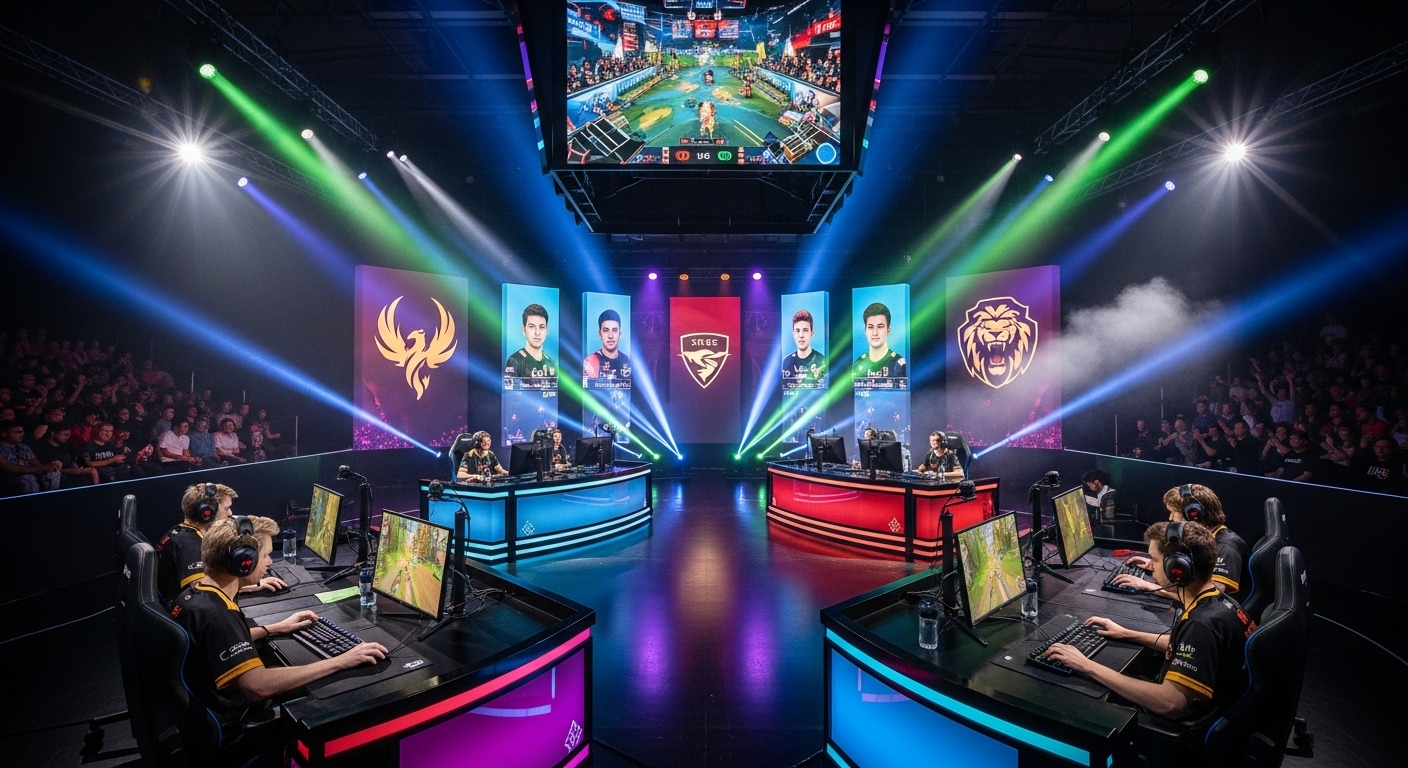
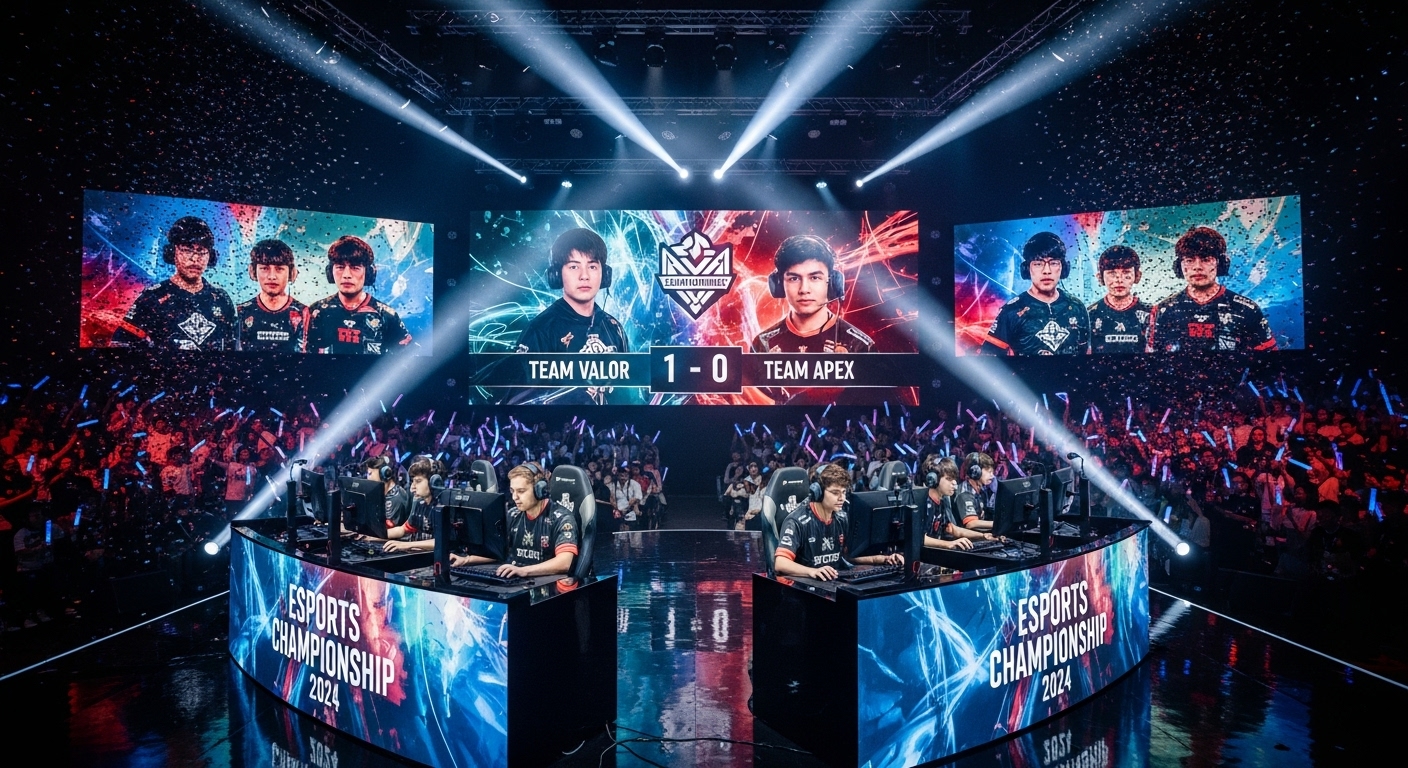
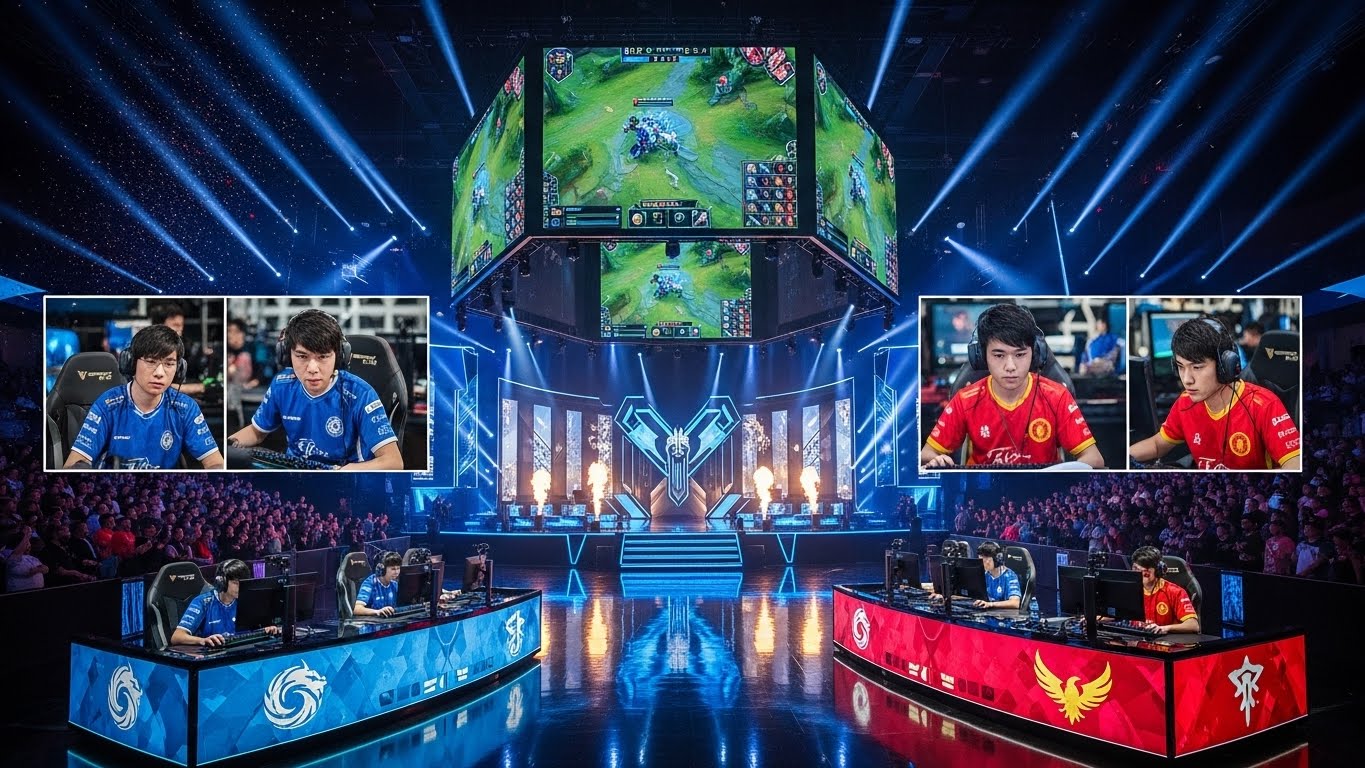
Moreover, esports tournaments have become highly organized affairs, often held in massive arenas or stadiums, with broadcasting teams, analysts, and commentators creating a similar atmosphere to traditional sports events.
3. The Influence of Streaming and Social Media
The rise of live streaming platforms like Twitch and YouTube Gaming has played a pivotal role in the growth of esports. These platforms provide an interactive environment where fans can not only watch tournaments but also engage with players, coaches, and analysts in real time.
Social media platforms like Twitter, Instagram, and TikTok have allowed esports personalities to build personal brands, interact with fans, and market their teams and sponsors. This has helped esports become more relatable to fans, creating a deeper emotional connection with the audience.
4. The Role of Sponsorships and Investments
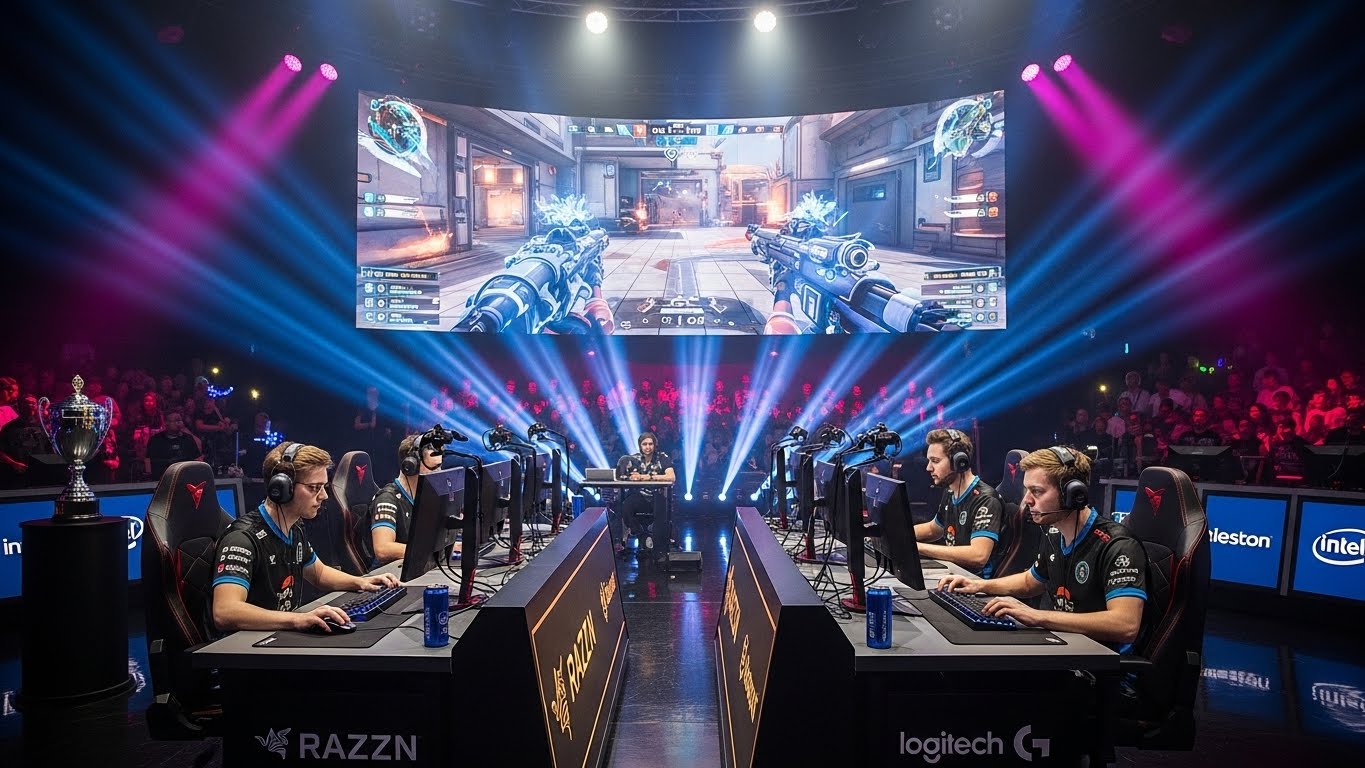
Corporate sponsorships have been crucial in the rise of esports. Major companies, including Coca-Cola, Intel, and Red Bull, have invested heavily in the esports ecosystem, sponsoring tournaments, players, and teams. These sponsorships have not only provided financial support but also helped legitimize esports as a mainstream industry.
In addition, venture capital and private equity investments have flooded the esports market, helping to fund the growth of esports teams, leagues, and platforms. This influx of capital has allowed the industry to scale rapidly and has attracted more attention from traditional media.
The Esports Audience: A New Generation of Fans
One of the most fascinating aspects of esports is the demographic of its fanbase. Esports attracts a younger, tech-savvy audience that is highly engaged with online content and streaming platforms. In fact, a significant portion of esports fans are part of the millennial and Gen Z age groups, many of whom consume content primarily through digital channels.
Esports has proven to be a powerful form of entertainment for this generation, offering not only thrilling gameplay but also a sense of community and interaction. Fans can follow their favorite players, teams, and streamers, creating an ecosystem of fandom that is often more engaged than traditional sports fanbases.
The Future of Esports: Challenges and Opportunities
As esports continues to grow, it faces several challenges and opportunities. One of the key challenges is ensuring sustainability and growth in an industry that is still relatively young. While esports has seen significant investment, it is still in the process of finding long-term stability in terms of revenue models, player welfare, and tournament formats.
Another challenge is the issue of cheating and match-fixing, which has plagued esports competitions. Developers and tournament organizers are constantly working to address these issues and ensure fair play, but it remains a significant concern.
On the flip side, the opportunities for esports are immense. The potential for virtual reality (VR) and augmented reality (AR) to enhance gaming experiences could revolutionize the industry, offering fans and players entirely new ways to engage with esports. Furthermore, the integration of esports into traditional sports broadcasting could lead to even greater exposure, making esports a mainstream form of entertainment on par with traditional sports.
The growth of esports into a recognized Olympic event has also been a topic of discussion. If esports is officially recognized by the International Olympic Committee, it could further elevate its status and legitimacy as a global sport.
Conclusion: The Phenomenon That’s Here to Stay
Esports has come a long way from its humble beginnings in LAN parties to becoming a global entertainment juggernaut. The combination of technological advancements, professionalization, and the rise of streaming platforms has allowed esports to carve out a space in the world of sports and entertainment. With a rapidly growing fanbase, increasing sponsorship investments, and more mainstream exposure, esports is undoubtedly here to stay.
As we look ahead, the future of esports appears bright. The industry will continue to evolve, with new games, new players, and new technologies shaping its trajectory. Whether you’re a casual gamer or a die-hard esports fan, one thing is clear—competitive gaming is more than just a trend; it’s a global phenomenon that is shaping the future of entertainment.