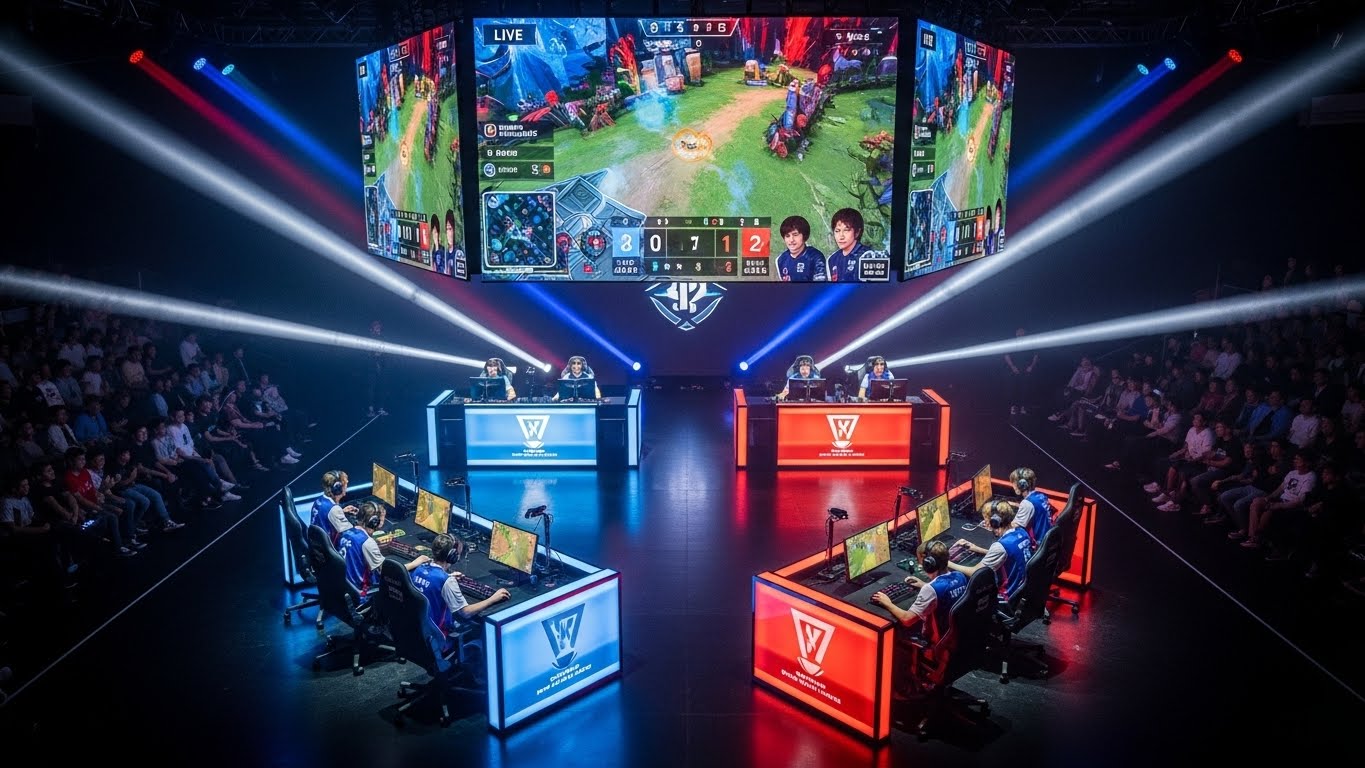
Esports, or competitive gaming, has transformed drastically over the past few decades. What began as casual video game competitions among friends in arcades and living rooms has now evolved into a multi-billion-dollar global industry. Esports encompasses professional players, international tournaments, massive prize pools, streaming platforms, sponsorships, and an ever-growing fan base. It is a cultural, economic, and social phenomenon that rivals traditional sports in reach and influence. This blog explores the origins, growth, cultural impact, professionalization, and future of esports.
The Early Days of Competitive Gaming
Esports did not emerge overnight. Its roots can be traced back to the 1970s and 1980s when video games first captured public imagination. Early arcade games such as Pong, Space Invaders, and Pac-Man inspired friendly competition, with players striving to achieve high scores. Leaderboards became a symbol of achievement, fostering a competitive spirit among gamers.
In 1980, the Space Invaders Championship in the United States became one of the first large-scale video game competitions, attracting thousands of participants. This event demonstrated the potential for organized gaming competitions and laid the groundwork for future esports tournaments. Personal computers and home consoles in the 1980s and 1990s allowed players to compete in new ways, often through local area networks or small tournaments, helping build communities around competitive gaming.
The Rise of Professional Esports
The professionalization of esports began in the late 1990s and early 2000s. South Korea became the epicenter of competitive gaming, particularly with the popularity of StarCraft: Brood War. The game’s strategic depth, speed, and complexity made it perfect for professional play. South Korea established gaming leagues, training facilities, and media coverage for esports, turning professional players into celebrities. Corporate sponsorships and televised tournaments helped create a legitimate career path for gamers.
Meanwhile, Europe and North America developed their competitive gaming scenes with games like Counter-Strike, Warcraft III, and Quake. International tournaments and online competitions began to emerge, connecting players and audiences across continents. These developments highlighted the potential for esports to grow into a global phenomenon.
The Role of Technology in Esports Growth
Technology has been a major catalyst for esports expansion. High-speed internet, advanced computers, and gaming peripherals have enabled real-time competitive play on a global scale. High-performance gaming equipment, including mechanical keyboards, precise mice, and fast monitors, is essential for professional performance.
Streaming platforms have revolutionized the way fans engage with esports. Services such as Twitch, YouTube Gaming, and Facebook Gaming allow audiences to watch live matches, interact with players, and build communities around their favorite teams and games. This accessibility has helped esports evolve into a spectator sport, attracting millions of viewers worldwide and creating a thriving ecosystem of content creators, analysts, and influencers.
Popular Esports Game Genres
Esports spans a wide range of game genres, each offering unique competitive experiences:
Multiplayer Online Battle Arena (MOBA) Games: Titles like League of Legends and Dota 2 dominate this genre. They require teamwork, strategy, and real-time decision-making, making matches intense and exciting. Players specialize in roles that contribute to overall team objectives, balancing individual skill with coordinated effort.
First-Person Shooters (FPS): Games such as Counter-Strike: Global Offensive, Valorant, and Call of Duty focus on precision, reflexes, and tactical planning. FPS competitions are often fast-paced and visually engaging, drawing large audiences both online and in stadiums.
Real-Time Strategy (RTS) Games: Titles like StarCraft II and Age of Empires emphasize strategic thinking, resource management, and multitasking. RTS esports reward players who can make calculated decisions under pressure, often combining speed with long-term planning.
Sports Simulation Games: Games like FIFA and NBA 2K replicate real-world sports, offering competitions that mirror professional leagues. These titles appeal to players who enjoy both gaming and traditional sports.
Fighting Games: Games such as Street Fighter, Tekken, and Super Smash Bros. test timing, reaction speed, and execution. Fighting game tournaments maintain a strong, passionate fan base with competitive scenes across multiple regions.
Each genre contributes to the diversity of esports, catering to a wide range of player preferences and audience interests.
Global Esports Industry and Revenue
Esports has grown into a multi-billion-dollar industry. Revenue is generated through tournament prize pools, sponsorships, advertising, merchandise, and media rights. Top tournaments, such as The International for Dota 2 and the League of Legends World Championship, offer prize pools in the millions of dollars, drawing international attention and massive live and online audiences.
Professional esports teams operate much like traditional sports franchises. Players receive salaries, training, coaching, and healthcare. Teams invest in analysts, psychologists, nutritionists, and support staff to optimize performance. Corporate investment continues to grow as brands recognize the marketing potential of esports for younger, digitally engaged audiences.
Streaming and Online Communities
Streaming platforms are central to esports culture. Fans can watch live matches, interact with players in real-time, and participate in digital communities. This creates a sense of intimacy and engagement, with viewers feeling connected to their favorite players and teams.
Beyond competitive matches, content creation has expanded esports into entertainment. Players produce tutorials, highlight reels, behind-the-scenes videos, and personal vlogs. This variety strengthens the esports ecosystem, attracting casual viewers and dedicated fans alike. Online communities also organize fan tournaments, discussions, and fan art, further embedding esports into contemporary digital culture.
Training and Professional Preparation
Professional esports players dedicate extensive hours to practice and preparation. Training routines can range from six to ten hours a day, focusing on reflexes, strategy, and teamwork. Unlike casual gaming, professional esports requires discipline, mental resilience, and continuous learning.
Teams employ coaches, analysts, and mental health professionals to maximize performance. Training involves reviewing past gameplay, studying opponents, and refining strategies. Team communication and coordination are critical for success, emphasizing that esports requires not just individual skill but collective synergy.
Major Esports Tournaments
International esports tournaments are cultural events that attract millions of viewers:
The International: Dota 2’s flagship tournament with one of the largest prize pools in esports history.
League of Legends World Championship: Annual global tournament featuring the best teams from around the world.
Counter-Strike Global Offensive Majors: High-profile FPS tournaments showcasing tactical skill and teamwork.
Overwatch League: City-based franchises that blend competitive play with fan engagement and high production value.
These tournaments provide high-stakes competition, professional production, and widespread media coverage, cementing esports as a legitimate spectator sport.
Esports and Youth Culture
Esports is deeply connected to youth culture. Teenagers and young adults are the primary participants and consumers. Gaming communities offer spaces for socialization, collaboration, and mentorship. Players form teams, engage in leagues, and connect with peers who share similar interests, often building lifelong friendships.
Esports also fosters creativity. Fans contribute content, design mods, and organize community events. Participation in esports encourages problem-solving, strategic thinking, and teamwork, offering both entertainment and educational value.
The Business of Esports
The esports industry is financially robust. Revenue streams include sponsorships, advertising, merchandise, ticket sales, and media rights. Major corporations invest in teams and events to reach engaged audiences. Players earn salaries, tournament winnings, and endorsement deals, creating sustainable careers.
Organizations adopt business models similar to traditional sports franchises. They invest in brand development, fan engagement, content production, and international expansion. The esports industry has also attracted venture capital and media partnerships, ensuring long-term growth and professionalization.
Integration with Traditional Sports
Esports increasingly intersects with traditional sports. Football clubs, basketball teams, and motorsport franchises have created esports divisions. Athletes participate in gaming competitions, bridging the gap between physical and digital sports.
This crossover expands audiences and legitimizes esports as a professional pursuit. It demonstrates that competitive skill, teamwork, and strategy can transcend traditional and digital boundaries, merging entertainment and athleticism.
Challenges in Esports
Despite its success, esports faces challenges. Mental and physical health are major concerns due to long hours, repetitive strain, and intense pressure. Burnout is common, requiring structured wellness programs.
Regulation and standardization remain issues. Without a unified governing body, rules, player contracts, and tournament standards vary, making fair competition and player protection a priority. Cultural acceptance also varies, with some regions still viewing esports as a hobby rather than a professional pursuit. Overcoming these perceptions is crucial for continued growth.
The Future of Esports
The future of esports is promising. Virtual reality, augmented reality, and AI-enhanced games could redefine competitive formats and fan experiences. Educational institutions are introducing esports scholarships and academic programs, preparing future players, coaches, and industry leaders.
Emerging markets in Asia, Africa, and South America are developing esports communities, creating new opportunities for growth. The industry is poised to expand globally, blending entertainment, technology, and competitive play in ways that are immersive, interactive, and culturally significant.
Esports as a Cultural Phenomenon
Esports is more than competition; it is a cultural movement. It reflects the values, creativity, and passions of the digital generation. Fans celebrate players as heroes, teams as communities, and tournaments as festivals of skill. Through streaming, social media, and interactive events, esports has created a shared culture that transcends borders.
It merges athleticism, strategy, and entertainment, offering experiences that are participatory and interactive. Esports provides a platform for identity, expression, and social connection, becoming a defining feature of modern digital culture.
Conclusion
Esports has transformed from casual gaming into a global industry with professional players, international tournaments, and millions of fans. It combines skill, strategy, and entertainment, offering a competitive experience on par with traditional sports. The professionalization of players, the rise of streaming platforms, and integration with traditional sports have cemented esports as a legitimate and influential field.
As technology advances and global connectivity increases, esports will continue to grow, reaching new audiences and pushing the boundaries of competition and entertainment. Esports represents the future of digital sports, inspiring millions, fostering community, and redefining what it means to compete in the modern era.
Esports is no longer just a pastime. It is a global movement, a career path, and a cultural phenomenon that continues to shape the landscape of entertainment, technology, and competition.