Introduction
Esports has grown from a niche pastime into a global phenomenon, reshaping the way people view competitive entertainment. With millions of fans, professional players, and international tournaments, esports is no longer just playing games—it is a career, a culture, and a global industry. This blog explores how esports has evolved and why it continues to captivate audiences worldwide.
The Growth of Esports
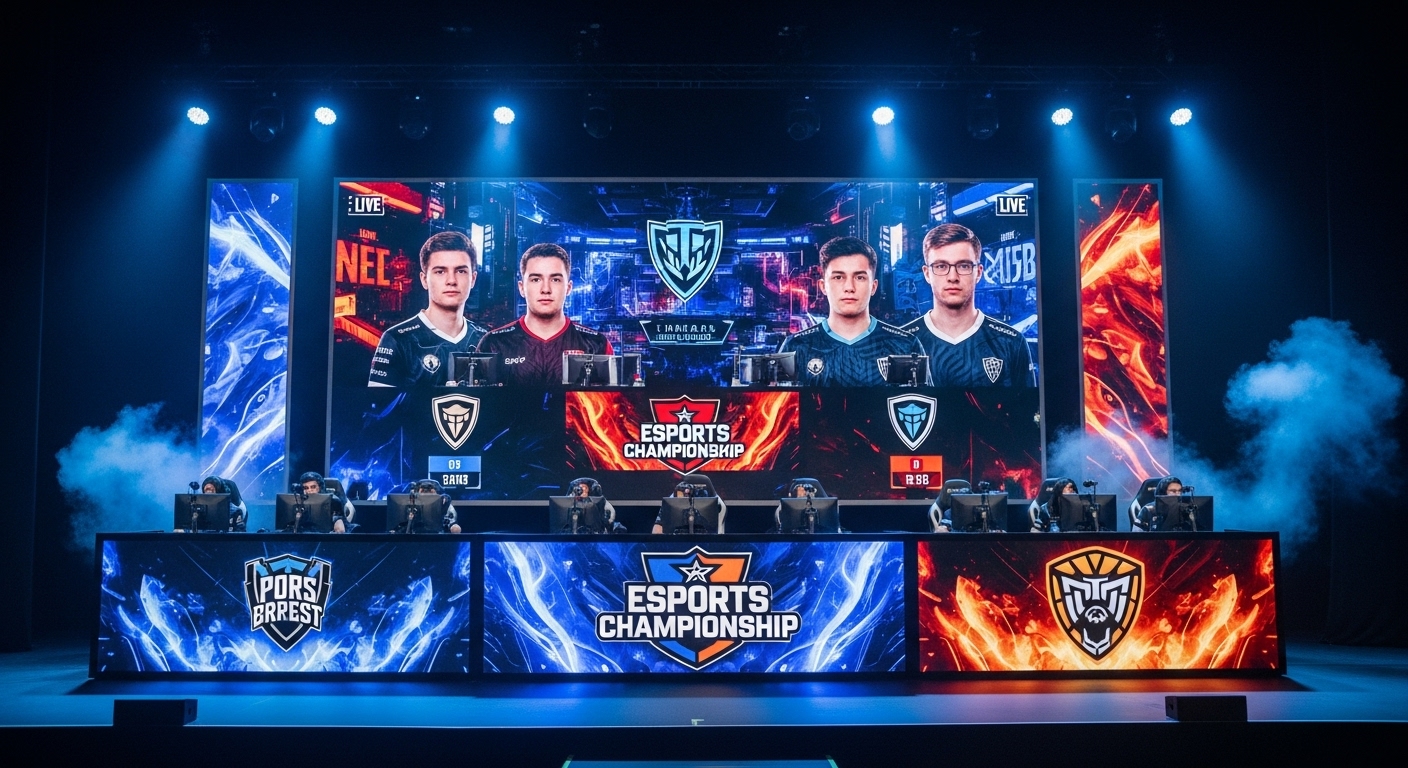
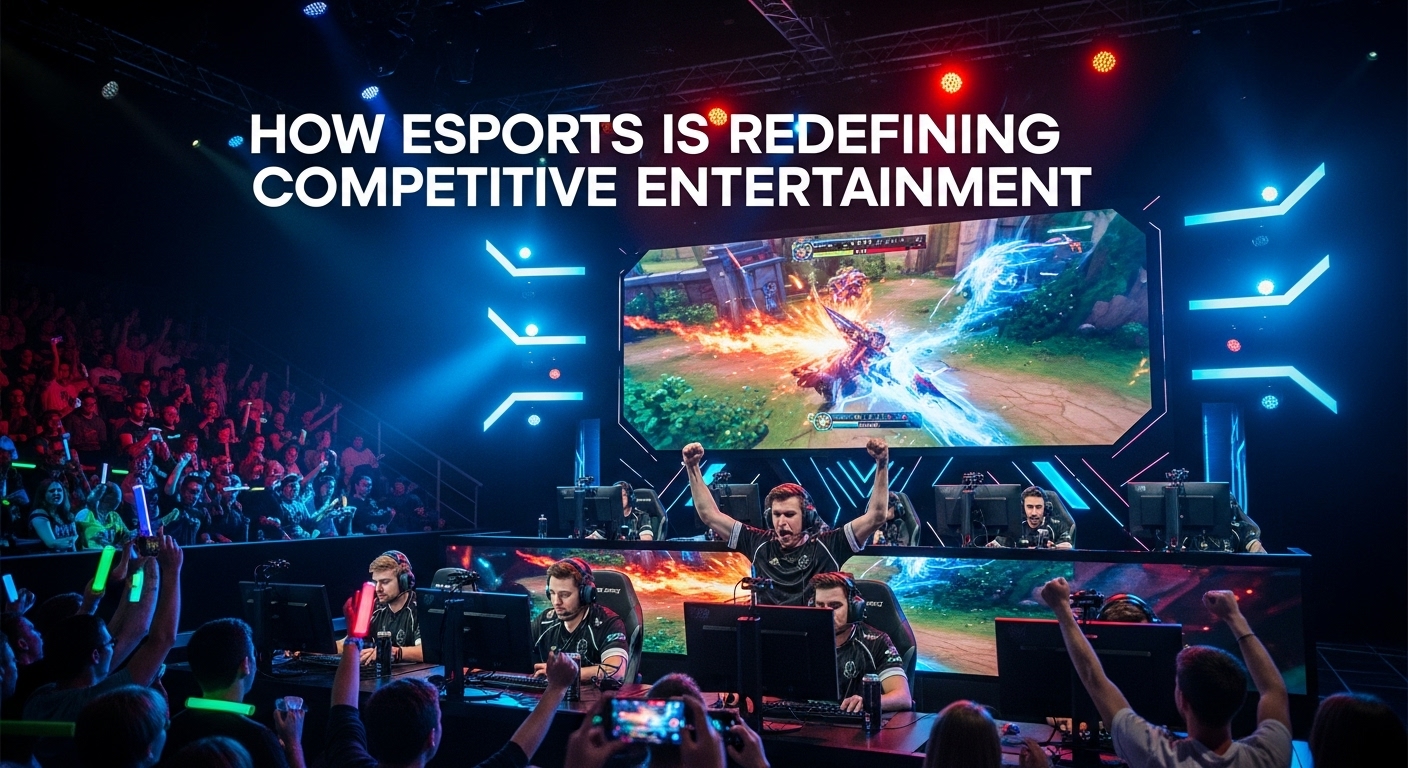
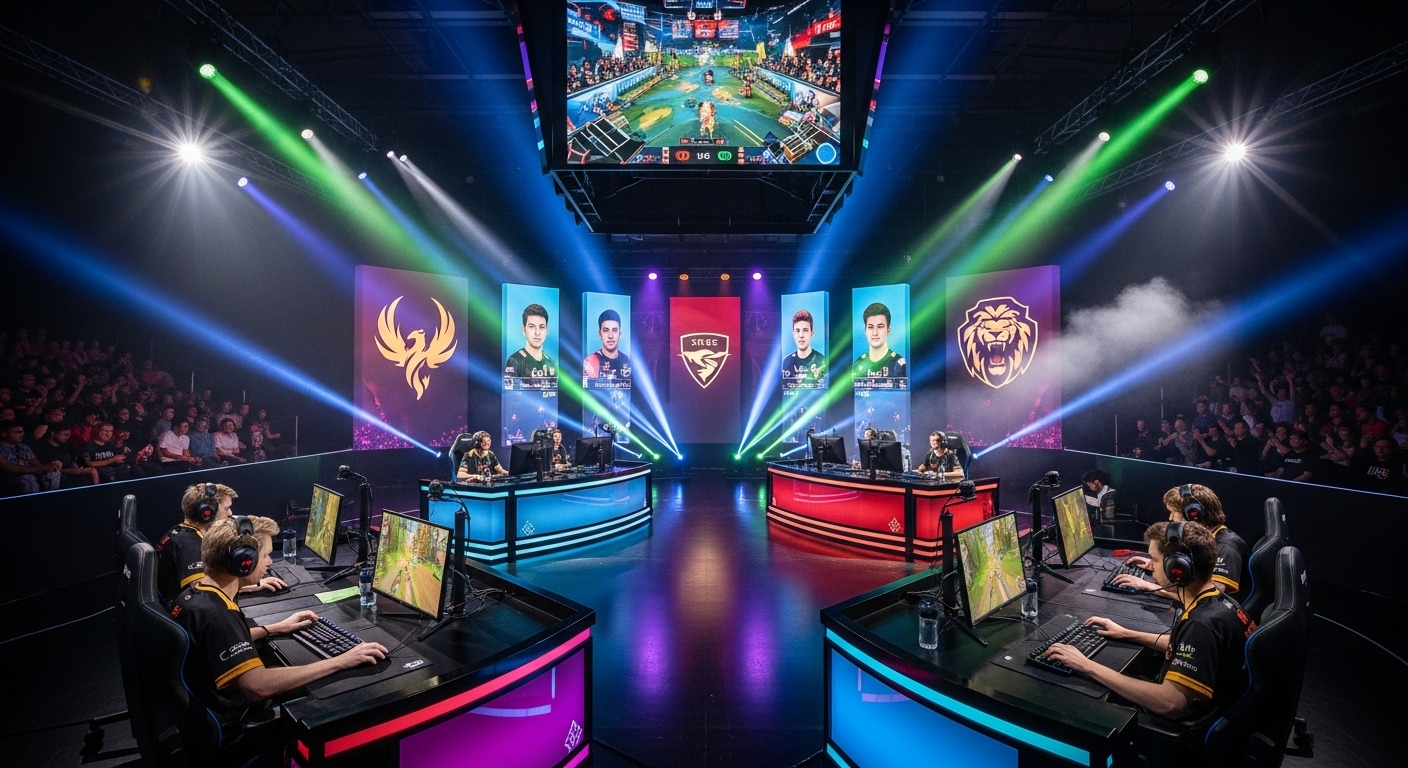
Esports began with small gaming competitions among friends and local communities. With the advent of online connectivity, these competitions expanded globally, attracting players and viewers from every corner of the world. Today, esports tournaments are held in arenas, streamed online to millions, and backed by professional teams, sponsorships, and media coverage.
Professionalism in Esports
Modern esports players approach gaming like professional athletes. Training schedules, strategic planning, and coaching are essential for success. Many players follow fitness routines, focus on mental health, and practice for hours daily to maintain peak performance. This level of dedication has made esports a legitimate career path for talented gamers.
Technology Driving Esports
Technology is at the heart of esports’ growth. High-speed internet, powerful gaming hardware, and advanced graphics enhance both gameplay and spectator experiences. Live streaming platforms allow fans to watch matches in real-time, while virtual reality and artificial intelligence are set to make esports even more immersive and interactive in the future.
Social and Cultural Impact
Esports creates communities and connections around the globe. Players, fans, and streamers interact, collaborate, and compete, building friendships and networks. Team-based games teach strategic thinking, communication, and leadership, while also fostering inclusivity and global cultural exchange. Esports is more than entertainment—it is a social movement.
Economic Influence of Esports
The esports industry is a major contributor to the global economy. Revenue comes from tournaments, sponsorships, merchandise, and media deals. Careers have expanded beyond players to include coaching, event management, content creation, and broadcasting. Esports demonstrates that competitive gaming can be both entertaining and economically impactful.
Challenges in the Esports World
Despite its popularity, esports faces challenges such as online toxicity, player burnout, and maintaining fair play. Ensuring responsible gaming and creating safe, inclusive environments are critical for the industry’s sustainability. Developers and organizers continue to innovate rules and systems to support ethical and healthy competition.
The Future of Esports
The future of esports is bright. With technological advancements like virtual reality, cloud gaming, and mobile esports, competitive gaming is becoming more immersive and accessible. Global interest continues to rise, and the next generation of esports athletes and fans will shape how the industry evolves, blending digital entertainment with professional competition.
Conclusion
Esports has transformed gaming into a global stage of skill, strategy, and community. It combines technology, teamwork, and dedication, offering players and fans experiences that go far beyond traditional entertainment. As esports continues to grow, it will redefine competition, inspire new generations, and establish itself as a permanent fixture in the world of entertainment.