Esports has become a global phenomenon, captivating millions of fans and players around the world. While various regions contribute to the growth and development of competitive gaming, Asia has undeniably emerged as the dominant powerhouse in the esports industry. From historic tournaments to cutting-edge technology and massive fanbases, Asia has proven time and again that it leads the charge in the esports revolution.
In this blog post, we’ll dive into why Asia is the epicenter of esports, looking at key regions, teams, players, and tournaments that have shaped the global esports landscape. If you’re curious about why Asia continues to hold such a prominent position in esports, keep reading!
The Rise of Esports in Asia
Esports in Asia isn’t a recent phenomenon. In fact, the region has been at the forefront of competitive gaming for decades. From the early days of StarCraft in South Korea to the more recent dominance in League of Legends and PUBG, Asia has fostered a gaming culture that values skill, competition, and innovation.
South Korea: The Birthplace of Competitive Gaming
When discussing the origins of esports in Asia, one cannot ignore South Korea’s pivotal role. The country’s deep-rooted gaming culture can be traced back to the late 1990s when StarCraft was the nation’s obsession. The rise of online gaming, coupled with the establishment of the Korean e-Sports Association (KeSPA) in 2000, helped launch South Korea into the global esports spotlight.
Today, South Korea continues to be a powerhouse in games like League of Legends, StarCraft II, and Overwatch. The nation’s professional gaming scene is well-organized, with major esports organizations like SK Telecom T1 (now T1) and Samsung Galaxy becoming household names. South Korean players have consistently dominated international competitions, earning the country a reputation for producing some of the most skilled and tactical gamers in the world.
China: The Rising Giant of Esports
China has also solidified its status as one of the most important esports hubs globally. As one of the most populous countries on the planet, it’s no surprise that China has cultivated a massive esports industry, both in terms of viewership and talent.
In recent years, League of Legends has become a major staple of the Chinese esports scene, with Chinese teams consistently challenging the best in the world. Organizations like Invictus Gaming, Royal Never Give Up, and FunPlus Phoenix have all found success at League of Legends World Championships, with Invictus Gaming clinching the title in 2018.
China is also home to multiple esports leagues, including the League of Legends Pro League (LPL), PUBG Mobile Pro League (PMPL), and Honor of Kings tournaments, which have massive viewership and sponsorship deals. The country has pioneered the integration of esports into mainstream media, with major television networks broadcasting events like The International and League of Legends tournaments.
The Esports Ecosystem in Asia
Esports in Asia is supported by a robust ecosystem that includes everything from gaming cafes to sponsorships, media rights, and tournaments. This infrastructure has been key to the rise of esports as a mainstream form of entertainment in the region.
Gaming Cafes: The Backbone of Asian Esports
In countries like South Korea and China, gaming cafes play a crucial role in the development of esports. These cafes provide an accessible and affordable place for gamers to come together, practice, and compete. In South Korea, they are known as “PC bangs,” while in China, they are often referred to as “Internet cafes.” These venues are not only places to game but also serve as community hubs where players can form teams, watch professional matches, and participate in local tournaments.
In fact, some of Asia’s top players and teams got their start in these gaming cafes. It’s a unique aspect of the region that has created a grassroots-level connection between the professional scene and the gaming community.
Sponsorships and Big Business
Sponsorships and corporate investments have played a pivotal role in making Asian esports the global powerhouse it is today. From hardware companies like Intel and Razer to energy drink giants such as Red Bull and Monster, esports sponsorships in Asia are a significant revenue stream.
Major tournaments in Asia also attract lucrative sponsorships. For example, the League of Legends Pro League (LPL) in China has secured multi-million-dollar deals with brands like Mercedes-Benz and Louis Vuitton. Such partnerships not only enhance the quality of the events but also elevate esports to a level of legitimacy comparable to traditional sports.
Major Esports Events in Asia
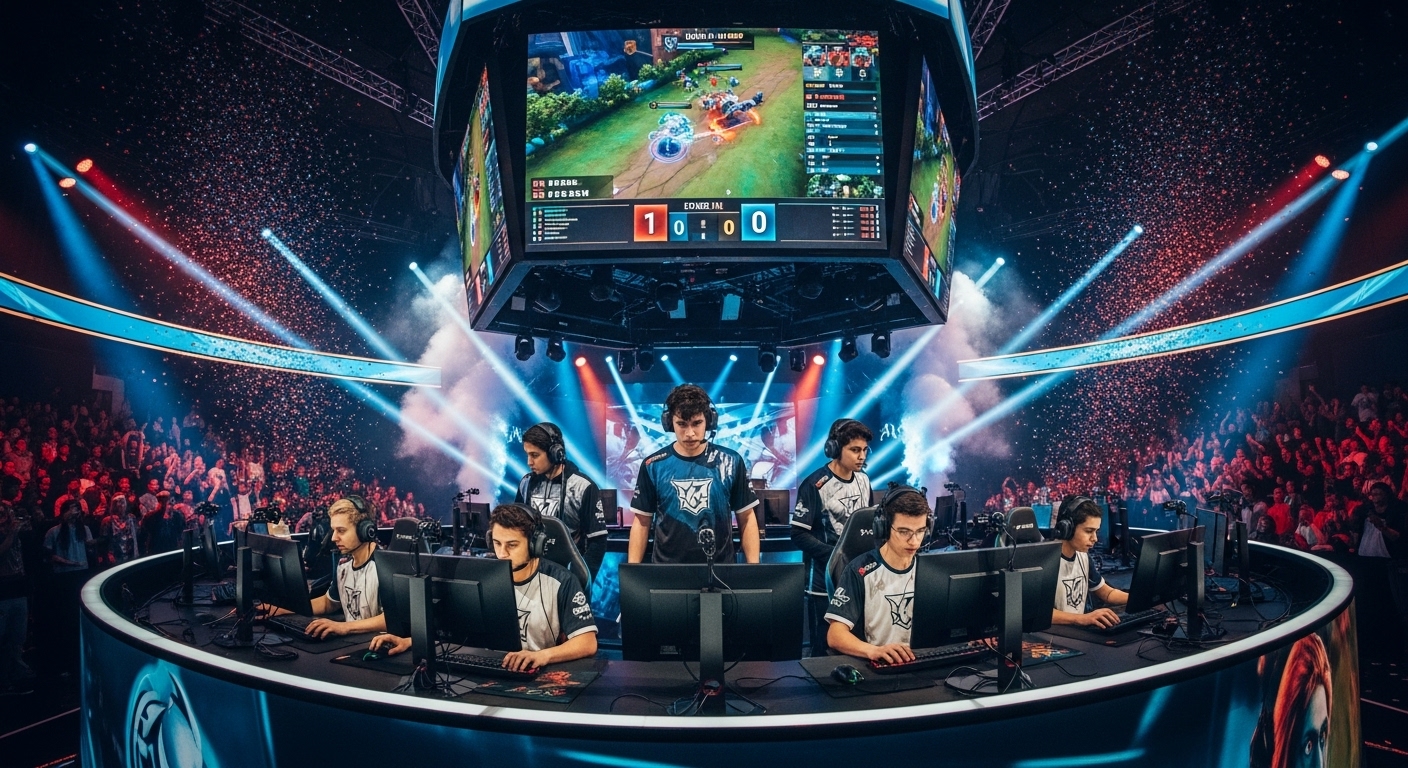
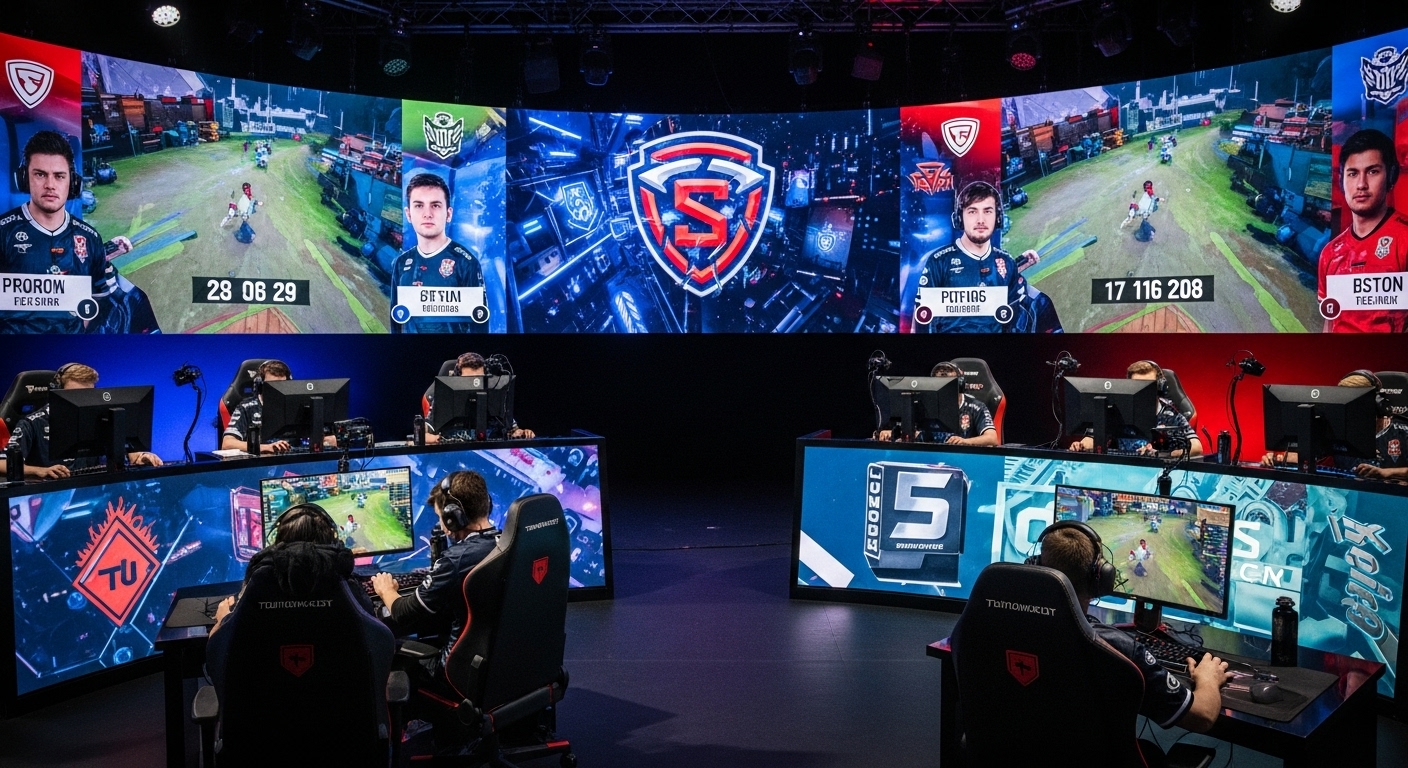
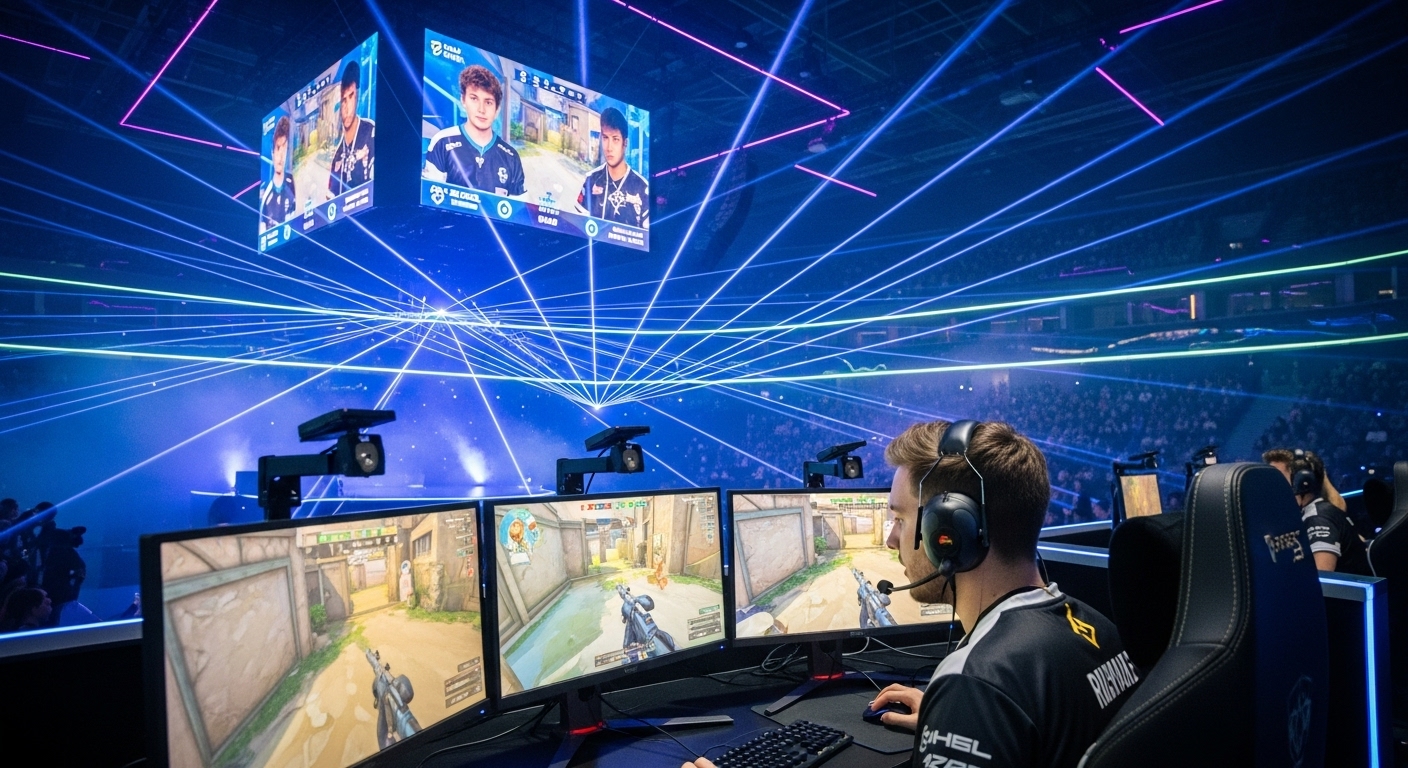
Asia is home to some of the biggest and most prestigious esports tournaments in the world. These events draw millions of viewers, both online and in person, and feature the best teams and players competing for massive prize pools and global recognition.
The League of Legends World Championship
One of the most watched and celebrated esports events globally, the League of Legends World Championship (commonly known as “Worlds”) has been held multiple times in Asian cities, including Seoul, Shanghai, and Incheon. With a massive global fanbase, Worlds is the epitome of competitive League of Legends, and the event attracts millions of viewers each year.
Asian teams have historically dominated Worlds, with teams like Samsung Galaxy, T1, and FunPlus Phoenix all winning the prestigious title. These tournaments serve not only as an exciting spectacle for fans but also as a powerful testament to the incredible skill level of Asian players.
The Dota 2 International
The Dota 2 International (TI) is another example of esports excellence in Asia. While the event rotates across different countries, it has frequently been hosted in Asian cities like Shanghai and Singapore. TI is one of the largest esports tournaments in terms of prize money, often surpassing the $30 million mark, much of which comes from community-driven crowdfunding.
Asian teams have been central to the success of TI. Newbee and LGD Gaming from China, for example, have consistently been top contenders, with Newbee even winning the International in 2014. These teams showcase the level of talent that is nurtured within Asia, making it a key region for competitive Dota 2.
The PUBG Mobile World Championship
PUBG Mobile has become one of the most popular mobile games globally, and its esports scene is particularly vibrant in Asia. With the PUBG Mobile Pro League (PMPL) in China, India, and Southeast Asia, the game has found a huge following. The PUBG Mobile World Championship brings together the best mobile gamers from around the world, with a heavy focus on Asian teams.
The rapid growth of mobile esports in Asia has helped turn games like PUBG Mobile, Garena Free Fire, and Arena of Valor into global phenomena, with Asian regions leading the charge in terms of competitive play and sponsorship deals.
Esports Players in Asia: The Pinnacle of Talent
Asian esports players are known for their precision, work ethic, and strategic thinking. Many of the best-known players in League of Legends, Dota 2, CS:GO, and other games come from this region. These players not only dominate their games but also set trends that influence the global esports community.
Iconic Asian Esports Players
- Faker (Lee Sang-hyeok) – South Korea: Widely considered one of the greatest League of Legends players of all time, Faker’s impact on the game is immeasurable. He has led his team, T1 (formerly SK Telecom T1), to three World Championships, and his skill and dedication have made him a living legend in esports.
- Jian “Uzi” Zi-Hao – China: Known for his mechanical skill and dominance in League of Legends, Uzi is regarded as one of the best AD carries in the history of the game. His rivalry with other top players from Korea and Europe has captivated fans worldwide.
- Miracle- (Johan “Miracle-” Sundstein) – Denmark, playing for Chinese teams: Though not from Asia, Miracle- made his mark in the Asian Dota 2 scene by playing with Chinese teams. His exceptional gameplay earned him a reputation as one of the best players in the Dota 2 community, leading his team, Team Liquid, to victory at The International 2017.
Conclusion: Asia’s Dominance in Esports
Esports in Asia is more than just a cultural phenomenon—it’s an industry, a passion, and a way of life for millions of people. With its well-established ecosystems, thriving tournaments, and legendary players, Asia continues to lead the world in shaping the future of esports.
Whether it’s the strategic brilliance of South Korea, the unstoppable force of China, or the innovation from Southeast Asia, the region’s influence on competitive gaming is undeniable. As esports continues to evolve in 2025 and beyond, Asia will undoubtedly remain at the forefront, pushing the boundaries of what is possible in gaming, competition, and entertainment.
For any esports fan, Asia is the place to watch, compete, and experience the pinnacle of gaming excellence.