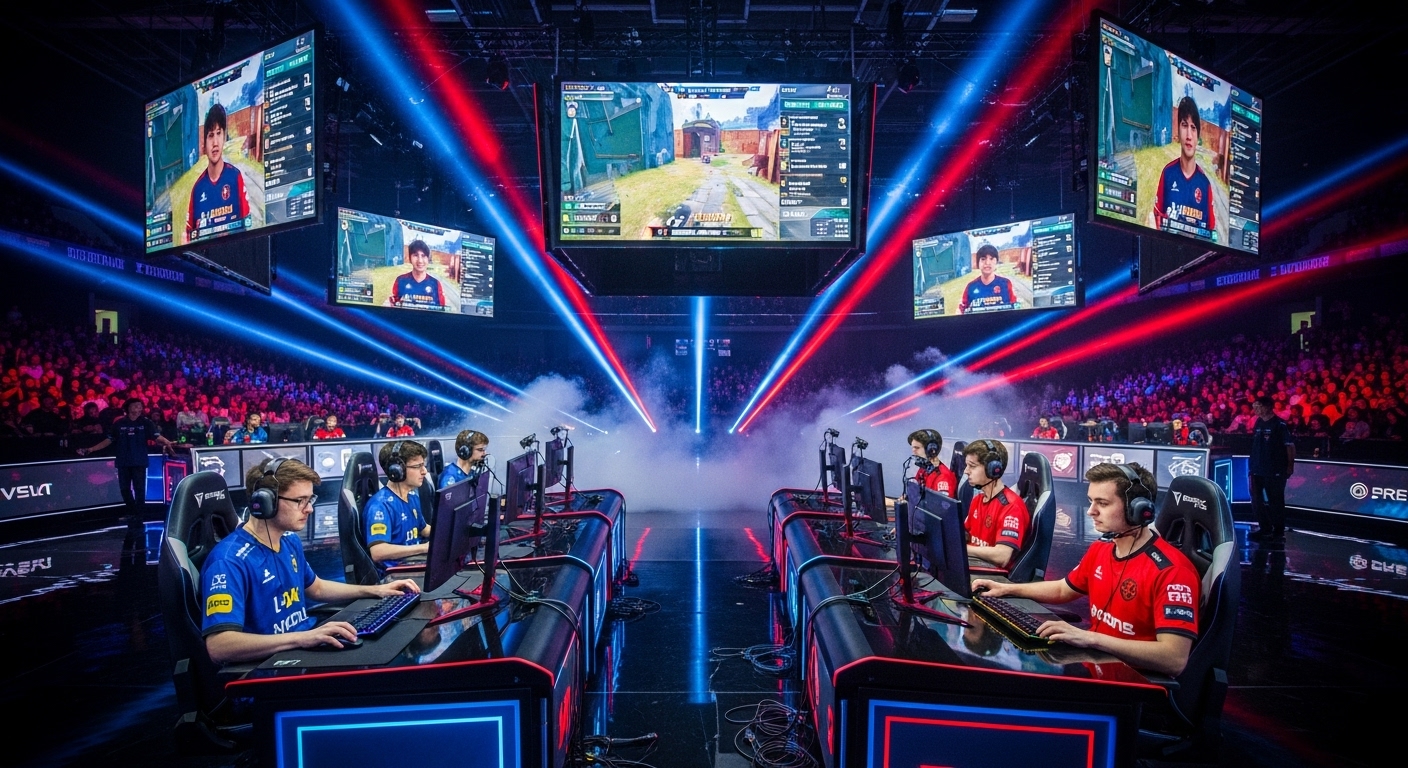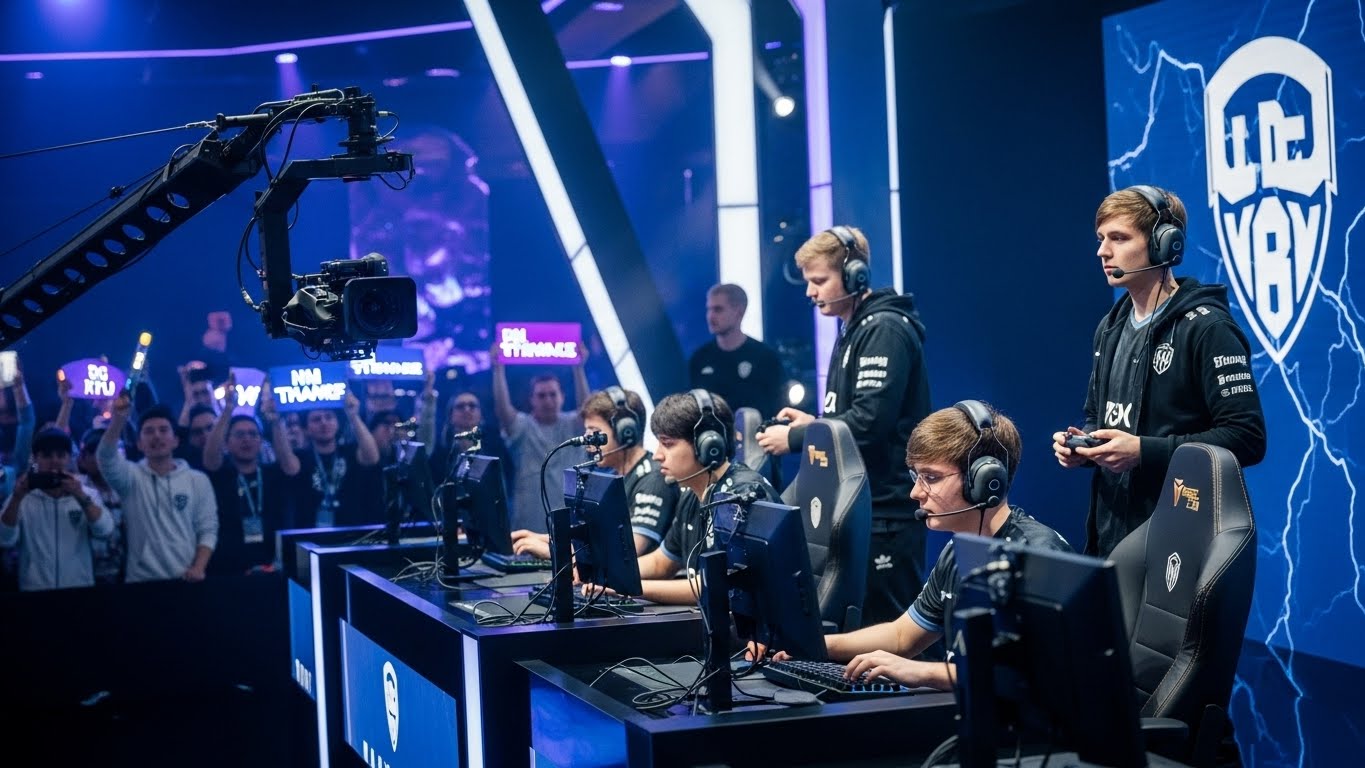
In recent years, esports has evolved from a niche hobby into a global phenomenon, capturing the attention of millions of fans and players worldwide. What was once a pastime dominated by small communities of gamers has now become a multi-billion-dollar industry, complete with professional leagues, sponsorships, and even international tournaments. The transformation of esports highlights the cultural, technological, and economic forces that are reshaping how we perceive competitive gaming.
The Origins of Esports
Esports, short for electronic sports, refers to competitive video gaming where individuals or teams compete at a professional level. The roots of esports can be traced back to the 1970s and 1980s, when arcade gaming and early home consoles gained popularity. Games like Space Invaders, Pac-Man, and later Street Fighter laid the groundwork for organized competition.
In the 1990s, with the rise of personal computers and local area networks (LANs), competitive gaming began to take a more structured form. Titles such as Quake and Counter-Strike emerged as popular games in competitive tournaments, bringing players together in gaming centers and LAN parties. These early competitions were small-scale but crucial in establishing a sense of community and legitimacy within gaming culture.
The Growth of Esports Tournaments
The 2000s marked a significant shift for esports with the establishment of professional leagues and international tournaments. Games like StarCraft in South Korea turned into national obsessions, and professional players were celebrated as celebrities. South Korea, in particular, became the epicenter of competitive gaming, creating a blueprint for professional esports leagues around the world.
International competitions such as the World Cyber Games and Major League Gaming began attracting participants from multiple countries. These tournaments not only increased the visibility of esports but also showcased the potential for esports to become a mainstream entertainment medium. The development of live streaming platforms further accelerated this growth, allowing fans to watch competitions from anywhere in the world.
The Role of Technology in Esports
Technology has been a driving force behind the meteoric rise of esports. The availability of high-speed internet, powerful gaming PCs, and advanced consoles has made competitive gaming more accessible than ever. Streaming platforms like Twitch, YouTube Gaming, and others have transformed esports into a spectator sport, creating global communities of fans who watch, comment, and interact in real time.
Moreover, technological advancements in game design have contributed to the competitive nature of esports. Developers now design games with competitive modes, ranking systems, and spectator-friendly features that make it easier for players to engage and for audiences to follow. Games like League of Legends, Dota 2, and Valorant are designed with professional esports in mind, balancing competitive integrity with entertainment value.
Popular Esports Genres
Esports encompasses a wide range of game genres, each with its unique competitive scene. Multiplayer online battle arena (MOBA) games like League of Legends and Dota 2 emphasize strategy, teamwork, and quick decision-making. First-person shooters (FPS) such as Counter-Strike: Global Offensive, Call of Duty, and Overwatch focus on precision, reflexes, and tactical coordination.
Battle royale games, including Fortnite and PUBG, combine survival mechanics with competitive scoring, offering high-stakes gameplay for both casual and professional players. Additionally, sports simulation games like FIFA and NBA 2K have created esports leagues that mirror real-world professional sports, attracting fans who enjoy both gaming and traditional sports. The diversity of genres allows esports to appeal to a broad audience, contributing to its rapid growth.
The Economics of Esports
The financial landscape of esports has grown tremendously in recent years. Sponsorship deals, advertising, merchandise sales, and ticket revenues contribute to a multi-billion-dollar industry. Companies ranging from tech giants to consumer brands recognize the marketing potential in esports, often sponsoring tournaments, teams, and individual players.
Prize pools for major esports tournaments have reached staggering numbers. For example, The International, a Dota 2 championship, regularly features prize pools exceeding tens of millions of dollars, funded by both sponsors and in-game purchases. These massive prize pools not only incentivize professional players but also demonstrate the commercial viability of competitive gaming on a global scale.
The Rise of Professional Players and Teams
Esports has given rise to professional players who are celebrated much like traditional athletes. These players often specialize in a single game, dedicating hours each day to practice, strategy, and skill development. Professional teams are supported by coaches, analysts, and managers, reflecting the structured approach found in conventional sports.
The popularity of esports stars has created a new form of celebrity culture. Players develop personal brands, amass social media followings, and engage with fans through streams, vlogs, and social media content. This visibility has opened up new career opportunities within esports, including commentary, coaching, content creation, and event management.
The Cultural Impact of Esports
Esports has had a significant cultural impact, influencing how society views gaming and digital entertainment. Competitive gaming is no longer seen as a solitary or niche hobby; it is a legitimate form of entertainment, sport, and even career. Esports tournaments are now broadcast on television, streamed online, and covered by mainstream media outlets, reflecting its growing influence on popular culture.
Moreover, esports fosters international collaboration and competition. Players from different countries and backgrounds compete on the same stage, creating a sense of global community. Fans from around the world unite to support their favorite teams, celebrate victories, and share the excitement of competition. This cultural shift has helped break down stereotypes associated with gaming and has legitimized esports as a serious pursuit.
Challenges Facing the Esports Industry
Despite its rapid growth, esports faces several challenges that must be addressed for sustainable development. One major issue is player health and well-being. The intense training schedules, long hours of gameplay, and high-stress competition can lead to physical and mental health problems. Organizations and teams are beginning to implement wellness programs, but more comprehensive solutions are needed.
Another challenge is regulation and governance. Unlike traditional sports, esports lacks a unified global governing body, which can lead to inconsistencies in rules, tournament formats, and player rights. Ensuring fair play, anti-cheating measures, and player protections are critical for maintaining the integrity of the industry.
Additionally, the esports ecosystem faces challenges related to accessibility and inclusivity. While competitive gaming is growing, barriers such as expensive hardware, limited internet access, and regional disparities can prevent talented players from entering the professional scene. Addressing these issues will be essential for the future growth of esports.
The Future of Esports
The future of esports is full of possibilities. As technology continues to advance, virtual reality (VR) and augmented reality (AR) could create new ways to experience competitive gaming, making it even more immersive for players and spectators. Artificial intelligence may also play a role in enhancing training methods, game design, and tournament management.
Esports is also likely to become more integrated with traditional sports and entertainment. Universities and schools are establishing esports programs, offering scholarships to talented players, and creating pathways to professional careers. The crossover between esports, mainstream media, and entertainment will continue to expand, making competitive gaming a central part of digital culture.
Furthermore, esports will likely become more localized and globalized simultaneously. Regional leagues and tournaments will provide opportunities for local talent, while global competitions will continue to unite fans worldwide. This dual approach will strengthen the esports ecosystem, ensuring that it remains both competitive and inclusive.
Conclusion
Esports has come a long way from its humble beginnings in arcades and LAN parties to a fully-fledged global industry. Its growth has been fueled by technological advancements, diverse gaming genres, professional players, and the dedication of fans worldwide. While challenges remain, the future of esports is bright, offering endless opportunities for players, spectators, and businesses alike.
Competitive gaming has proven that it is more than just a hobby; it is a cultural phenomenon, a career path, and a source of entertainment that unites people across borders. As esports continues to evolve, it will redefine the landscape of sports, entertainment, and digital culture, leaving a lasting impact on the world.