In recent years, a revolution has been quietly taking place in the world of entertainment. What started as casual gaming in basements and cybercafes has transformed into a global industry that commands millions of viewers and generates billions in revenue. This phenomenon, known as esports, is changing how we perceive sports, competition, and digital entertainment. Esports has become more than just a pastime; it is a cultural force, with dedicated fanbases, professional athletes, and massive financial backing from global brands.
What Is Esports?
Esports, short for electronic sports, is competitive video gaming. Unlike casual gaming, esports involves players or teams competing in organized tournaments, often for substantial prizes and global recognition. The games played in these tournaments can range from first-person shooters (FPS) and multiplayer online battle arenas (MOBAs) to battle royales and sports simulation games. Esports involves not only players but also coaches, analysts, broadcasters, and even social media influencers who contribute to the overall experience.
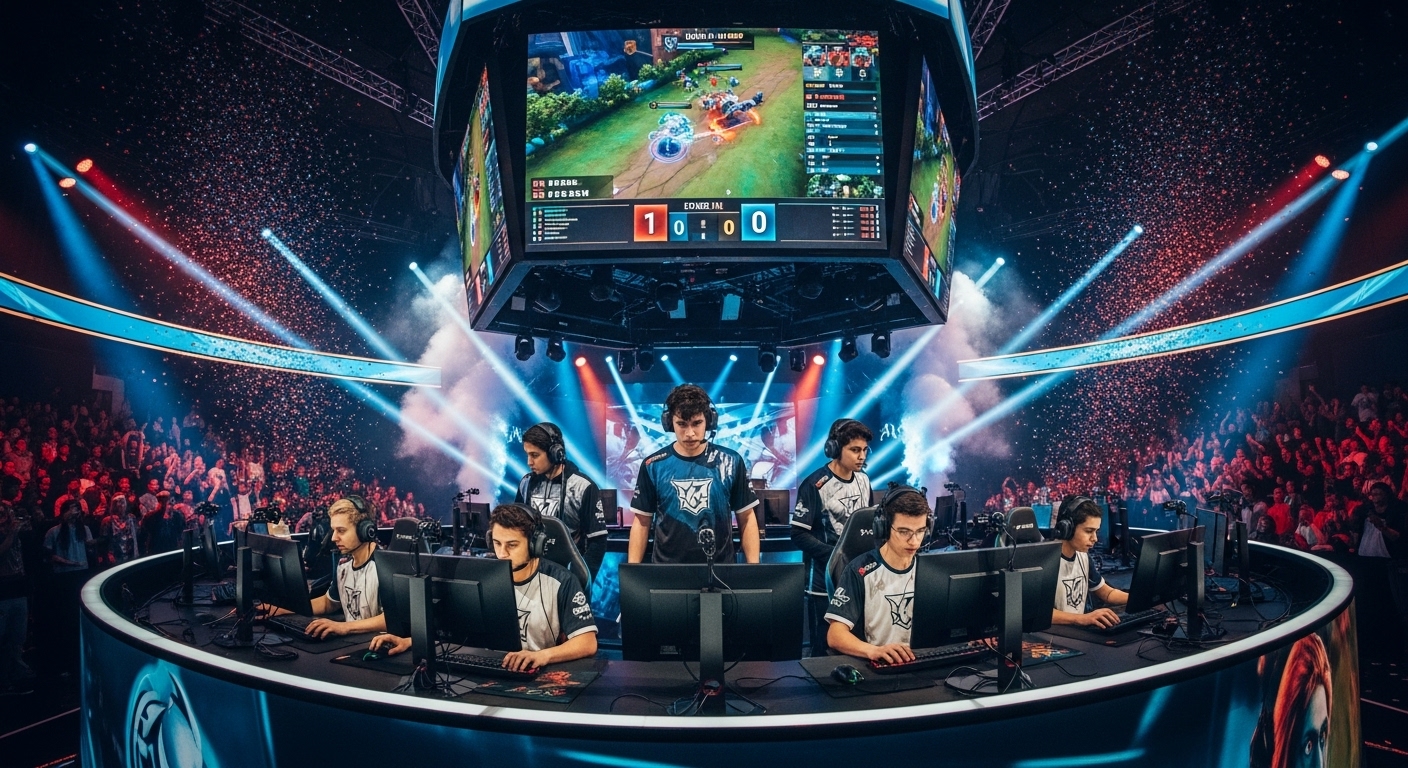
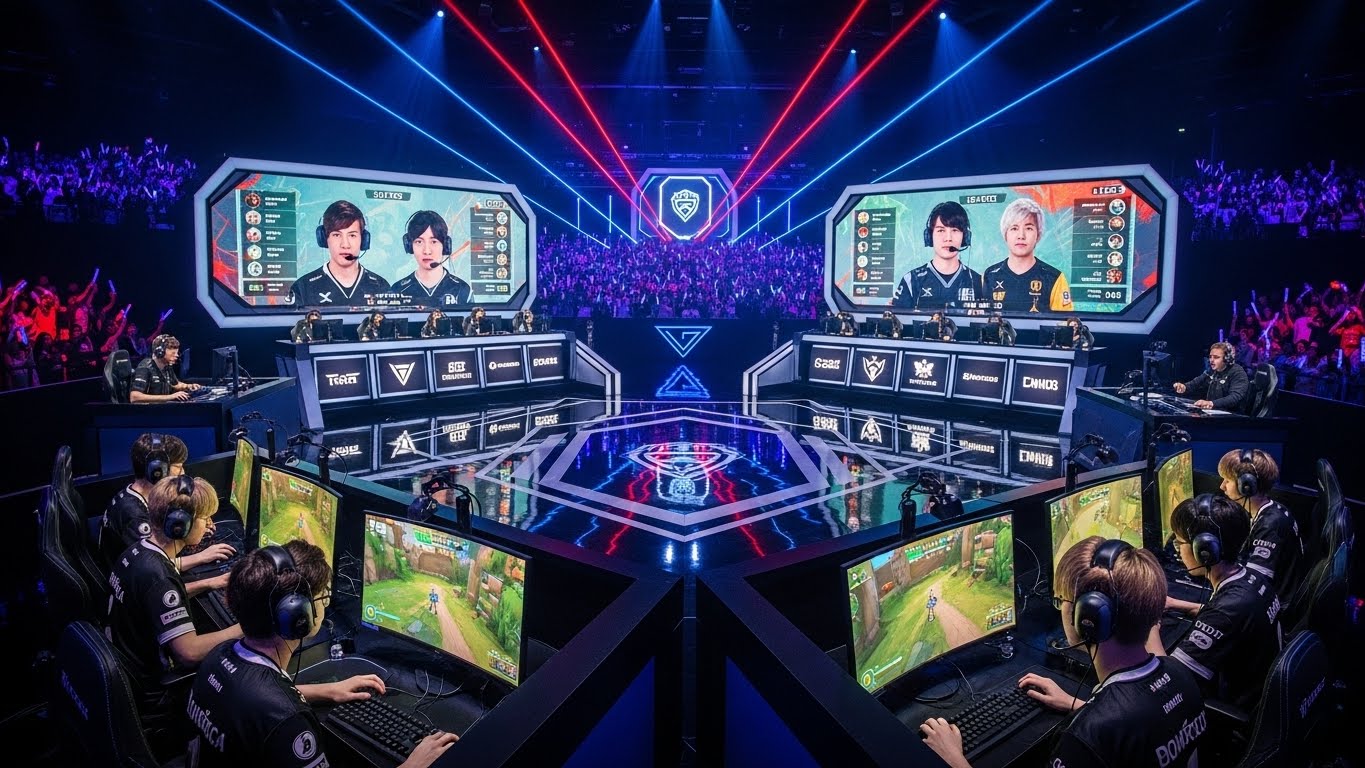
Esports has become so large that it now mirrors traditional sports in terms of organization, infrastructure, and media attention. Esports tournaments are held in massive arenas, live-streamed to millions of viewers, and broadcast on television. Players, often considered digital athletes, train and compete at the highest levels to achieve victory. Esports organizations are now structured like professional sports teams, with staff, sponsorships, and fan loyalty, solidifying esports as a legitimate and thriving industry.
The Evolution of Esports
Esports didn’t grow overnight. The journey began in the late 1990s and early 2000s when competitive gaming was in its infancy. Early video games like Quake and StarCraft introduced the idea of competitive play, but it wasn’t until the mid-2000s that esports began to take shape as a mainstream entertainment industry.
The first major esports tournaments were often small, local events. However, in 2000, the launch of the World Cyber Games (WCG) and the Electronic Sports World Cup (ESWC) gave esports its first taste of international attention. These tournaments attracted talented players from around the globe, though the prize pools were modest by today’s standards. It was clear that competitive gaming had a growing, passionate community, but it still needed a larger platform to thrive.
One of the key developments that helped esports rise to new heights was the launch of Twitch in 2011. Twitch, a live-streaming platform, allowed players to broadcast their gameplay to a global audience, creating an accessible space for fans to follow professional players and tournaments in real time. This increased the visibility of esports significantly, allowing fans to interact with players, coaches, and analysts, creating a more immersive experience. The combination of streaming, growing sponsorships, and the rise of esports-specific leagues fueled its transformation into a global industry.
Esports Today: A Multi-Billion Dollar Industry
As of 2023, esports has evolved into a billion-dollar industry. According to industry research firms, the global esports market was estimated to be worth over $1.5 billion in 2022, with revenue coming from various sources such as sponsorships, media rights, ticket sales, and merchandise. In fact, esports viewership now rivals that of traditional sports. Major events like The International (the world championship for Dota 2), League of Legends World Championship, and CS: GO Major Championships regularly draw millions of viewers, both online and in-person.
A key driver of this growth has been the increasing interest from major brands and corporations. Tech companies like Intel, Red Bull, and Nvidia sponsor esports teams and tournaments, while global brands such as Coca-Cola, Adidas, and Kia are investing in esports as part of their marketing strategies. These sponsorships provide teams with the resources needed to grow their operations, sign top-tier players, and invest in professional coaching and training.
Esports’ expansion has also been fueled by its young, tech-savvy audience. The majority of esports fans are between the ages of 18 and 34, making the industry particularly attractive to brands looking to target a millennial and Gen Z demographic. Esports offers a unique opportunity for these brands to engage with a highly dedicated and interactive fanbase, who often follow their favorite teams, players, and games closely.
Popular Esports Games: A Diverse Landscape
Esports encompasses a wide variety of games, each with its own unique appeal and competitive scene. Some games, like League of Legends and Counter-Strike: Global Offensive, have become iconic in the world of esports, while others, like Fortnite and Apex Legends, are newer entries that have quickly captured the attention of both players and fans.
1. League of Legends (LoL)
League of Legends (LoL), developed by Riot Games, is arguably the most popular esports title in the world. It is a multiplayer online battle arena (MOBA) game where two teams of five players compete to destroy each other’s base while defending their own. The game’s complexity, depth, and strategic variety have made it a favorite for both players and fans. LoL’s competitive scene is one of the most structured, with the League of Legends World Championship being a major event each year, drawing millions of viewers worldwide.
2. Counter-Strike: Global Offensive (CS: GO)
Counter-Strike: Global Offensive (CS: GO), a first-person shooter developed by Valve, has been a cornerstone of esports for over a decade. It is a tactical shooter where two teams—terrorists and counter-terrorists—face off in objective-based matches. CS: GO is known for its fast-paced action, precise shooting mechanics, and the importance of teamwork. Tournaments like ESL Pro League and the CS:GO Major Championships are among the most prestigious events in esports.
3. Dota 2
Dota 2, also developed by Valve, is another highly popular esports title. It is a complex MOBA game where two teams of five players control powerful heroes, each with unique abilities, to battle against each other. Dota 2’s competitive scene is famous for its high stakes, with The International, its annual world championship tournament, offering one of the largest prize pools in esports history. The game’s steep learning curve and emphasis on teamwork and strategy have attracted a dedicated and highly skilled player base.
4. Fortnite
Since its release in 2017, Fortnite has become a cultural phenomenon, both as a game and as an esports title. Developed by Epic Games, Fortnite popularized the battle royale genre, where players fight to be the last person (or team) standing. Fortnite’s esports scene, while still developing, has already attracted significant sponsorships and large-scale tournaments, including the Fortnite World Cup, which offered a $30 million prize pool in its inaugural year.
5. Overwatch
Overwatch, developed by Blizzard Entertainment, is a team-based first-person shooter that combines fast-paced action with strategic team play. The game has a unique cast of characters, each with distinct abilities, which adds a layer of strategy to the traditional shooter genre. The Overwatch League (OWL), launched in 2018, brings a sports-style structure to esports, with city-based teams competing against each other. The OWL has helped establish Overwatch as a prominent esports title, and its growth is expected to continue.
The Esports Athletes: Digital Superstars
Just as in traditional sports, esports players have become celebrities in their own right. These players are not only incredibly skilled at their games but have become household names in the gaming community. Top players such as Faker (Lee Sang-hyeok) from League of Legends, s1mple (Oleksandr Kostyliev) from CS: GO, and Ninja (Tyler Blevins) from Fortnite are known for their exceptional skill and large followings on platforms like Twitch and YouTube.
Esports athletes train just like traditional athletes. Many professional gamers follow intense practice schedules that include several hours of daily gameplay, strategy discussions, and physical fitness training to maintain mental sharpness. In fact, the mental endurance required for esports is one of the reasons why players often retire in their late 20s, as the level of concentration and reflexes needed can take a toll on their performance.
In addition to competing, many players engage with fans through social media and streaming, where they interact with viewers, share insights, and build personal brands. This connection between players and fans is one of the key factors that makes esports a uniquely interactive form of entertainment.
The Future of Esports: Opportunities and Challenges
Esports is still in its early stages, and there is much room for growth. As the industry matures, we are likely to see continued expansion in terms of viewership, revenue, and sponsorship. The growth of mobile gaming, VR esports, and new game genres will also provide exciting opportunities for players and fans alike.
However, esports faces several challenges as it grows. One of the most pressing issues is the sustainability of player careers. Esports players often retire in their 20s, which can leave them with limited career options afterward. To address this, organizations are increasingly offering career development opportunities for players, including roles in coaching, management, and content creation.
Another challenge is the potential for burnout, both among players and fans. The intensity and high-stakes nature of esports can lead to mental fatigue, and balancing competition with personal life remains a struggle for many players. Mental health initiatives, support systems, and a focus on player well-being will be crucial for the long-term sustainability of the industry.