Introduction: From Hobby to Global Phenomenon
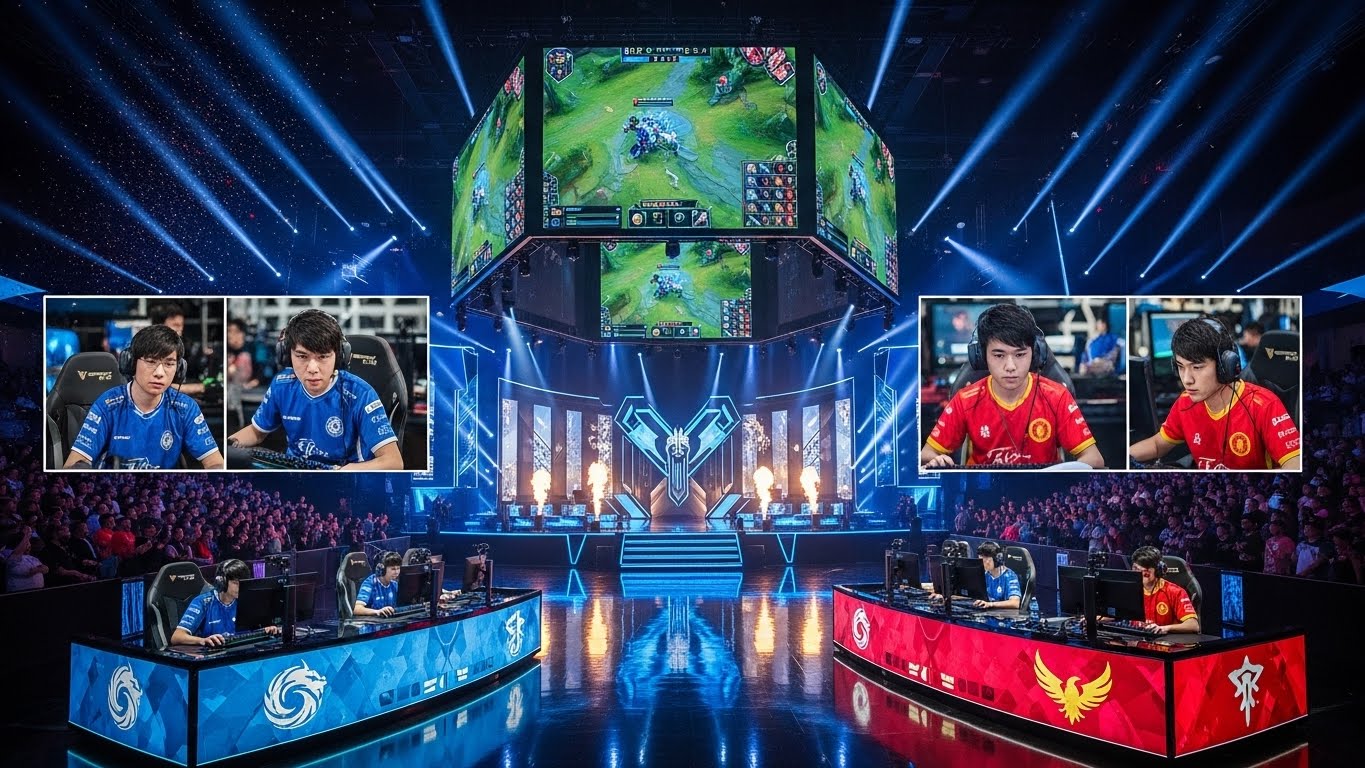
Esports, or electronic sports, has transformed from a casual pastime into a global entertainment industry in just a few decades. Once confined to small internet cafés and living rooms, esports now fills arenas with thousands of cheering fans, attracts millions of online viewers, and generates revenue in the billions. This shift is more than a story of games; it is a story of technology, culture, business, and community evolving together. The growth of esports reflects the changing ways people play, watch, and connect through digital platforms.
The Origins of Competitive Gaming
The roots of competitive gaming go back to the early 1980s when arcade tournaments allowed players to compete for high scores. However, esports as we know it began to take shape in the late 1990s and early 2000s with the rise of multiplayer online games. Titles like StarCraft, Counter-Strike, and Warcraft III became the foundation for organized tournaments. Players developed specialized skills, and fan communities began forming around teams and players.
The introduction of high-speed internet was a game-changer. Gamers could now compete across continents in real-time, and audiences could watch matches through online streaming. This connectivity gave birth to a global esports ecosystem that continues to expand rapidly.
Why Esports Appeals to Millions
Esports has a unique ability to captivate audiences across the globe. One key reason is accessibility. Unlike traditional sports, esports does not require physical stadiums or expensive equipment to start playing. Fans can engage directly by playing the games themselves, watching live streams, or interacting with players on social media platforms.
Another factor is interactivity. Unlike passive forms of entertainment like television or film, esports encourages viewers to analyze strategies, predict outcomes, and participate in discussions. Many fans even join amateur leagues or online competitions, blurring the line between spectator and participant.
The fast-paced, high-stakes nature of esports also makes it exciting. Whether it is a strategic battle in a multiplayer online arena or a tense shootout in a tactical shooter, esports offers the same adrenaline and unpredictability found in traditional sports. Additionally, the personalities of players enhance the appeal. Many stream their practice sessions, provide commentary, and engage with fans directly, creating a sense of connection that traditional sports often lack.
The Professionalization of Esports
Esports has developed a professional infrastructure comparable to traditional sports. Top-tier teams now employ managers, coaches, analysts, nutritionists, and mental performance experts. Professional players follow rigorous schedules, practice for hours each day, and study game strategies to maintain a competitive edge. Training facilities have become state-of-the-art, featuring high-performance computers, simulation rooms, and team collaboration spaces.
Broadcasting has also become highly professional. Matches feature live commentary, instant replays, and advanced analytics to enhance the viewer experience. Large tournaments are held in stadiums with elaborate stages, lighting effects, and fan experiences that rival major sporting events. Universities and colleges have even begun offering esports scholarships and programs, further legitimizing the field as a professional career path.
Popular Esports Genres and Their Impact
Esports is diverse, with multiple game genres contributing to its growth. Multiplayer Online Battle Arena games emphasize teamwork, strategy, and hero selection. Tactical shooters require precision, communication, and fast decision-making. Fighting games test reflexes and mastery of complex controls, while sports simulation games replicate traditional sports with digital precision. Battle royale games combine strategy, survival, and combat in massive player environments.
Each genre brings a unique community and fanbase. Some appeal to viewers who enjoy watching mechanical skill and quick reactions, while others attract strategy enthusiasts. This variety allows esports to reach a broad audience, accommodating different interests and viewing preferences.
The Business of Esports
The esports industry has grown into a complex business ecosystem. Revenue comes from sponsorships, merchandise, advertising, media rights, and live event ticket sales. Major brands across technology, food and beverage, fashion, and consumer goods invest in esports to reach younger, tech-savvy audiences.
Professional players earn salaries, tournament winnings, and sponsorship deals, with top performers achieving celebrity status. Teams are structured like professional sports franchises, often with dedicated marketing, social media, and fan engagement teams. Additionally, content creation, streaming, and influencer collaborations provide additional income streams and increase exposure.
Esports and Global Culture
Esports has influenced global culture in profound ways. It has created a new vocabulary, inspired fashion trends, and influenced entertainment. Esports events often combine gaming, music, live performances, and interactive experiences, making them cultural celebrations rather than mere competitions.
The rise of esports has challenged stereotypes about gaming. It demonstrates that video games foster skills such as teamwork, communication, discipline, and strategic thinking. Communities around esports are inclusive and diverse, connecting people from different countries and backgrounds through shared passions.
Community and Fan Engagement
Community is the backbone of esports. Fans contribute to its growth through streaming, content creation, fan art, discussion forums, and live event participation. Unlike traditional sports where fans primarily consume content, esports encourages interaction, creating a two-way relationship between players and audiences.
Esports communities often function like global families, sharing knowledge, supporting new players, and celebrating victories together. This strong sense of belonging has helped esports thrive and remain dynamic in an ever-changing digital landscape.
The Future of Esports
The future of esports is full of opportunities. Advances in technology, including virtual reality and augmented reality, will transform how games are played and watched. Mobile gaming, cross-platform play, and interactive experiences will attract new audiences.
Educational and governmental support is growing, paving the way for formalized leagues, regulations, and broader professional opportunities. Media coverage is expanding, making esports more mainstream. Most importantly, the passion of players and fans ensures that esports will continue to grow. As long as people enjoy competition, collaboration, and connection through games, esports will remain a major global force.
Conclusion: More Than a Game
Esports has evolved far beyond its origins as a hobby. It is now a thriving industry that blends competition, entertainment, community, and culture. For players, it offers careers and opportunities to achieve recognition. For fans, it offers excitement, engagement, and connection.
As esports continues to grow, it will shape the future of digital entertainment, influence global culture, and redefine what it means to be a professional athlete. Whether you are a long-time fan or just beginning to explore this world, one thing is certain: esports is here to stay, and its story is only getting started.


