Introduction to Esports
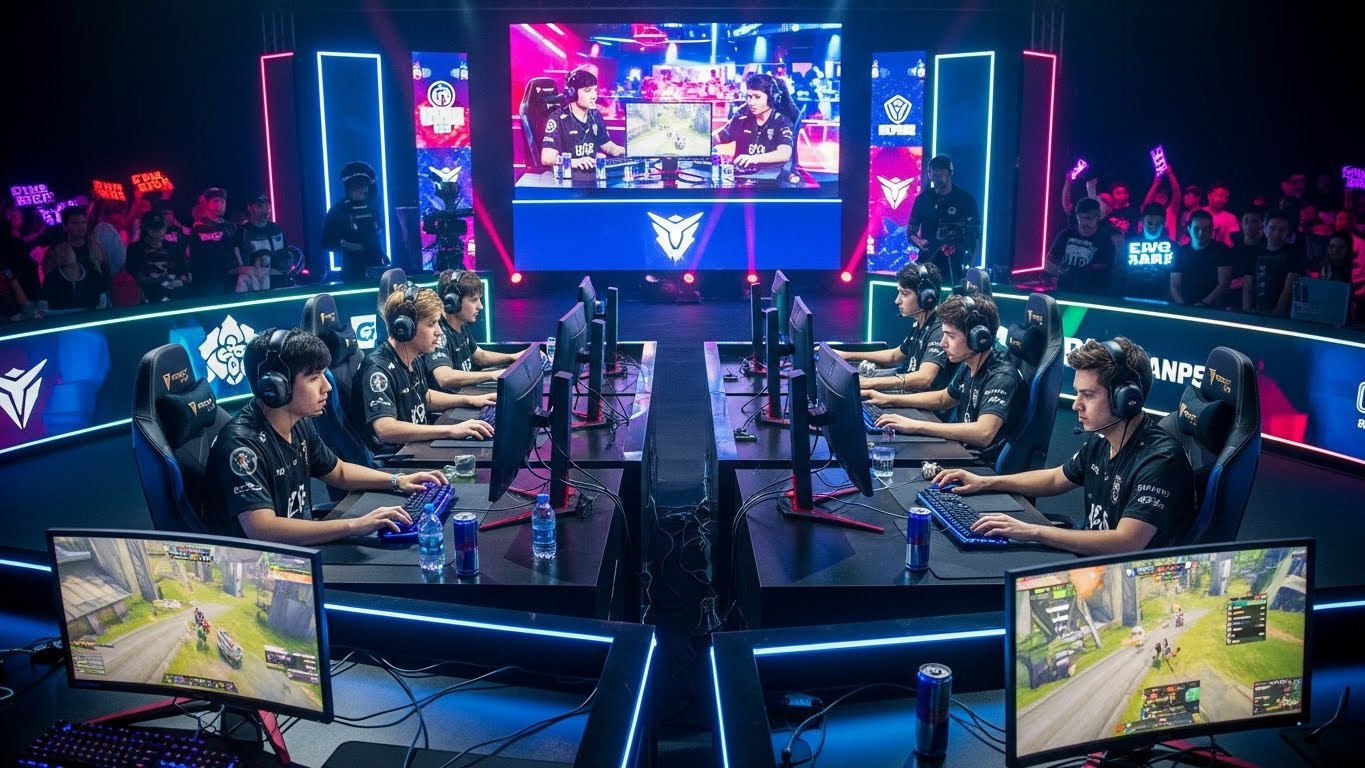
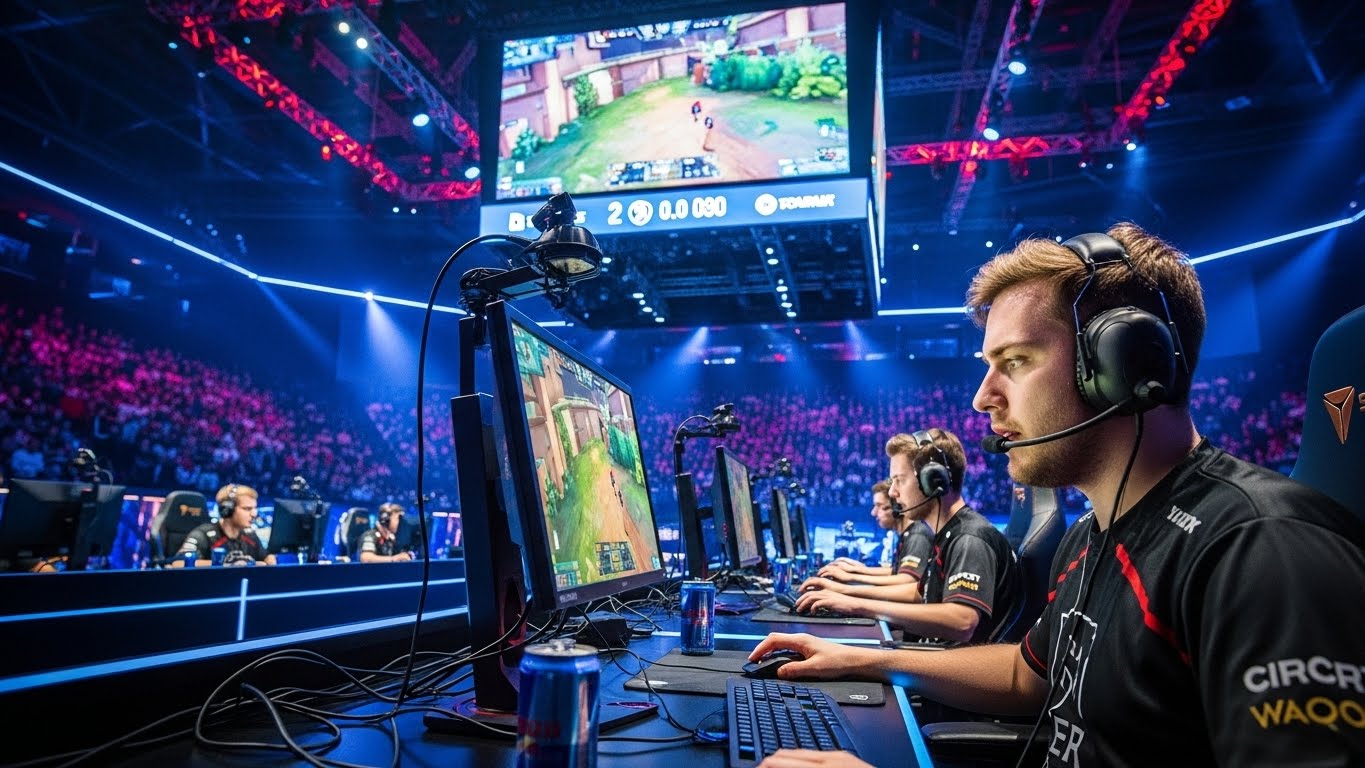
Over the past two decades, a silent revolution has been unfolding in the world of entertainment and competition. What once began as friendly matches between gamers in small arcades and college dorms has evolved into a global phenomenon known as esports. Esports, short for electronic sports, refers to organized competitive gaming where professional players and teams compete in video games across various genres. From strategy games like StarCraft to fast-paced shooters like Counter-Strike and battle royale titles like Fortnite, esports has become a cornerstone of modern digital culture. The industry has grown from niche gatherings to massive stadium events watched by millions online, creating stars, careers, and even entire ecosystems that rival traditional sports in influence and profitability.
The Origins and Early Development of Esports
The roots of esports can be traced back to the 1970s when video games first began to gain popularity. The earliest recorded gaming competition took place in 1972 at Stanford University, where students competed in the game “Spacewar.” The winner received a one-year subscription to a magazine—a humble prize that marked the beginning of something far greater. As video games advanced in the 1980s with titles like Pac-Man, Donkey Kong, and Tetris, competitive gaming began to attract larger audiences.
The real momentum, however, came in the 1990s with the rise of personal computers and multiplayer connectivity. Games like Doom and Quake introduced online competition, allowing players from different parts of the world to test their skills against one another. The late 1990s also saw the birth of professional gaming leagues, such as the Cyberathlete Professional League (CPL) and the emergence of tournaments like the StarCraft competitions in South Korea, where esports truly began to take off as a legitimate career path.
The Golden Era of Esports in the 2000s
By the 2000s, esports had entered its golden era. With faster internet connections, better hardware, and global online platforms, gaming became more accessible and interconnected. Games such as Counter-Strike 1.6, Warcraft III, and Dota became the foundations of competitive gaming culture. South Korea, in particular, became the heart of esports. The country invested heavily in gaming infrastructure, broadcasting matches on television, and celebrating professional players as celebrities.
During this period, esports also began to receive significant sponsorship and viewership. Large tournaments with substantial cash prizes attracted more players, and teams began forming structured organizations. Companies recognized the marketing potential, leading to corporate sponsorships and the birth of professional gaming organizations that resembled sports franchises.
The Modern Era of Esports and Its Global Expansion
In the 2010s, esports underwent an unprecedented transformation. With streaming platforms such as Twitch, YouTube Gaming, and Facebook Gaming, esports found a massive global audience. Suddenly, millions of fans could watch their favorite players live from anywhere in the world. This accessibility catapulted esports into mainstream entertainment. Games like League of Legends, Dota 2, and Counter-Strike: Global Offensive became household names, with tournaments filling entire arenas.
The League of Legends World Championship, The International (Dota 2’s flagship event), and the Overwatch League became cornerstones of this digital revolution. The International, in particular, became famous for its record-breaking prize pools, funded by in-game purchases from fans. These events drew millions of live viewers, rivaling and sometimes surpassing traditional sporting events like the NBA Finals or the Super Bowl in terms of online engagement.
Esports as a Career Path
One of the most fascinating aspects of esports is its transformation into a viable career path. Where gaming was once viewed merely as a hobby, it is now a legitimate profession. Players sign contracts, receive salaries, and train rigorously much like athletes in physical sports. The average professional gamer spends hours each day honing their skills, studying strategies, and analyzing opponents.
Moreover, esports careers extend beyond just players. The industry has opened opportunities for coaches, analysts, shoutcasters (commentators), event organizers, game developers, and even psychologists specializing in performance enhancement for gamers. The ecosystem now mirrors that of traditional sports, complete with managers, sponsors, and structured leagues.
The Role of Technology in Esports Growth
The explosive growth of esports would not have been possible without the evolution of technology. High-speed internet, advanced graphics, and powerful gaming hardware have made competitive gaming smoother and more visually engaging. Virtual Reality (VR) and Augmented Reality (AR) are now beginning to shape the next frontier of esports, promising immersive experiences that blend the digital and physical worlds.
Streaming technology has also played a pivotal role. With high-definition broadcasts and real-time commentary, viewers can experience the thrill of esports from the comfort of their homes. Cloud gaming platforms are further breaking down barriers, allowing players with less powerful systems to compete on equal footing using cloud-based servers.
The Economic Impact of Esports
The economic impact of esports cannot be understated. The global esports market has grown into a multibillion-dollar industry encompassing sponsorships, merchandise, ticket sales, advertising, and media rights. Major brands from energy drinks to technology companies now invest heavily in esports sponsorships.
Prize pools in major tournaments often reach tens of millions of dollars. Beyond direct competition, esports has spurred an entire economy of content creators, streamers, and influencers. This digital ecosystem generates employment and contributes to economies around the world. Countries like China, South Korea, and the United States have developed specialized esports programs and facilities, while universities are offering scholarships to talented gamers.
The Culture and Community of Esports
At the heart of esports lies its community. The fans are the lifeblood of this industry, forming passionate communities around their favorite teams, games, and players. Social media platforms, Discord servers, and forums serve as gathering spaces for fans to discuss matches, share memes, and celebrate victories.
Esports culture also emphasizes inclusivity and diversity. While the industry has historically been male-dominated, more women are entering the scene as players, commentators, and organizers. Initiatives promoting gender equality and anti-toxicity have gained momentum, aiming to make esports a welcoming space for everyone.
Additionally, esports has bridged cultural gaps across countries. Players from different continents compete on the same stage, and fans from around the world unite under the shared love of gaming. This global connectivity is one of the defining features that sets esports apart from traditional sports.
Education and Esports Integration
In recent years, educational institutions have recognized the value of esports as both a competitive and academic pursuit. Schools and universities across the globe now offer esports programs focusing not only on gaming skills but also on management, marketing, psychology, and technology.
These programs teach students about teamwork, leadership, and strategy—skills transferable to many careers. Esports scholarships are becoming increasingly common, allowing talented players to pursue higher education while competing at collegiate levels. This integration of education and esports further legitimizes the industry as a long-term career option.
Esports and Mental Health
While esports offers fame and fortune, it also brings unique challenges. Professional players often face intense pressure to perform, long hours of training, and limited personal time. These factors can lead to burnout, stress, and other mental health issues. Recognizing this, organizations have started investing in player welfare programs, including psychological support, fitness training, and structured rest schedules.
Maintaining a healthy lifestyle is now emphasized, with teams hiring nutritionists and trainers to ensure players sustain both physical and mental well-being. This shift reflects the growing understanding that esports athletes, much like traditional ones, need balance and discipline to perform at their peak.
The Global Stage and International Competitions
Esports has become a symbol of global unity. International tournaments bring together players from dozens of countries, competing not only for prize money but also for national pride. The inclusion of esports in events like the Asian Games and the possibility of future Olympic recognition signify its growing acceptance as a legitimate sporting discipline.
Countries such as China, South Korea, the United States, and Sweden have established themselves as powerhouses in various games. These nations invest in infrastructure, training facilities, and talent development programs to maintain their competitive edge. The international stage also encourages cultural exchange, where fans from diverse backgrounds share their enthusiasm and experiences.
The Future of Esports
As technology continues to evolve, the future of esports looks even brighter. The integration of artificial intelligence, data analytics, and virtual reality will redefine how games are played and experienced. AI-driven coaching tools are already helping players analyze strategies, predict outcomes, and refine gameplay.
The metaverse concept—virtual interconnected worlds—also holds vast potential for esports. Imagine attending a virtual arena in real-time, interacting with fans globally through avatars, and experiencing tournaments as if you were physically present. Such innovations could revolutionize audience engagement and redefine what it means to watch and participate in esports.
Moreover, as 5G and cloud computing become more widespread, access to esports will become easier and faster, particularly in developing regions. This democratization of gaming could bring new talent from parts of the world previously underrepresented in global tournaments.
Challenges and Controversies in Esports
Despite its rapid growth, esports faces several challenges. Issues such as cheating, match-fixing, and the exploitation of young players have raised concerns. The industry also grapples with the question of regulation—how to maintain fairness and integrity across international borders and diverse gaming titles.
Another pressing issue is the sustainability of esports careers. The lifespan of a professional player is often short, with many retiring before their late twenties due to fatigue, declining performance, or injury. To counter this, the industry must continue developing career transition programs and alternative roles within the ecosystem.
Additionally, while esports thrives online, the digital divide still prevents equal participation in many regions. Ensuring accessibility and inclusivity will be key to the industry’s long-term health.
Esports and Traditional Sports: The Convergence
Interestingly, the line between esports and traditional sports continues to blur. Major sports organizations such as FIFA, NBA, and Formula 1 have embraced esports by creating virtual leagues that mirror their physical counterparts. These collaborations have brought traditional sports fans into the gaming world and vice versa.
Esports has also introduced innovative broadcasting techniques, data analysis, and fan interaction models that traditional sports are beginning to adopt. The convergence between the two industries represents the future of entertainment—a hybrid ecosystem where physical and digital competition coexist seamlessly.
Conclusion: The Ever-Expanding World of Esports
Esports is no longer a subculture—it is a global movement redefining entertainment, sports, and technology. From humble beginnings in university labs to filling massive arenas with roaring fans, esports has proven its staying power. It embodies the spirit of modern innovation: digital, connected, and limitless.
As the world continues to evolve, so too will esports, expanding its influence across education, economy, and culture. Its community-driven nature, technological adaptability, and global reach ensure that it will remain a dominant force for decades to come. The future of esports is not just about games—it is about the unification of passion, skill, and digital progress, inspiring millions to compete, create, and connect across the virtual frontier.