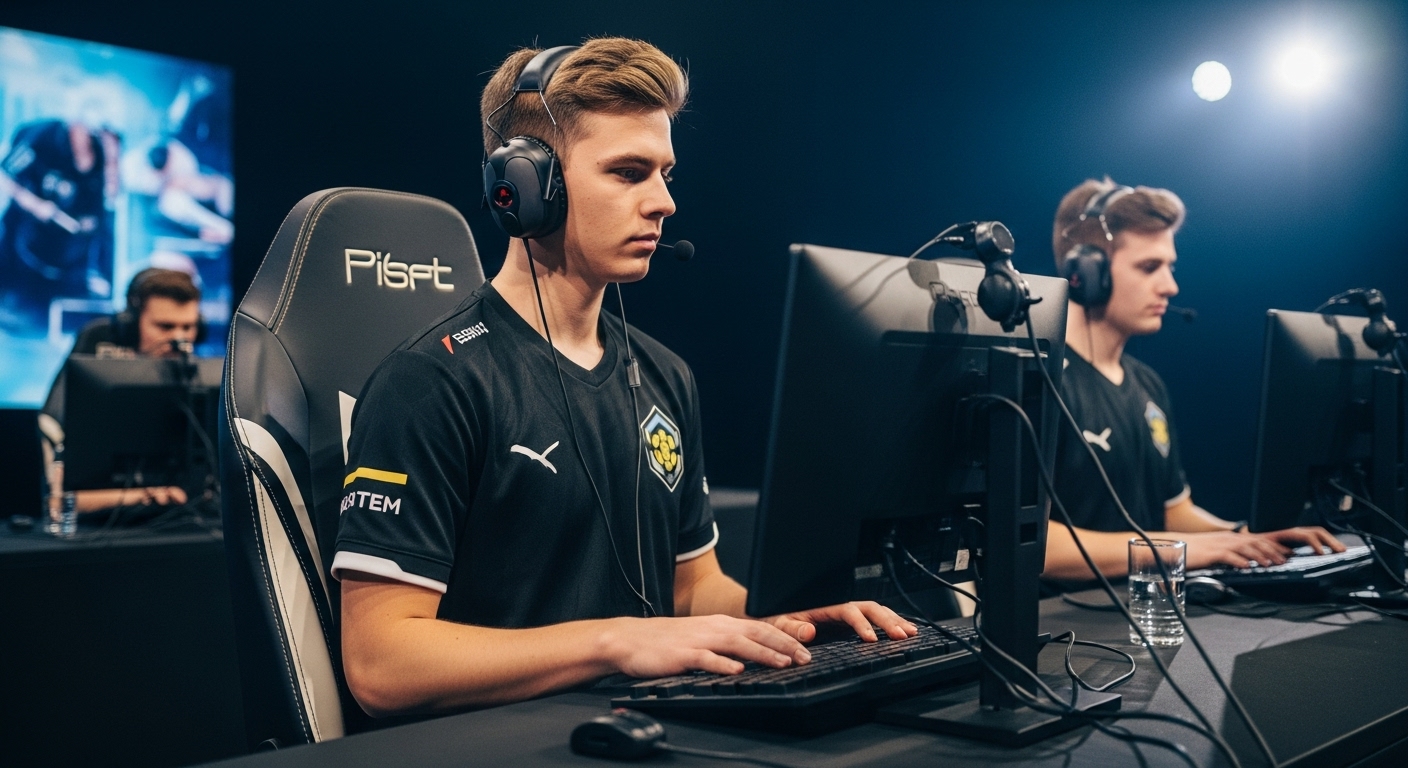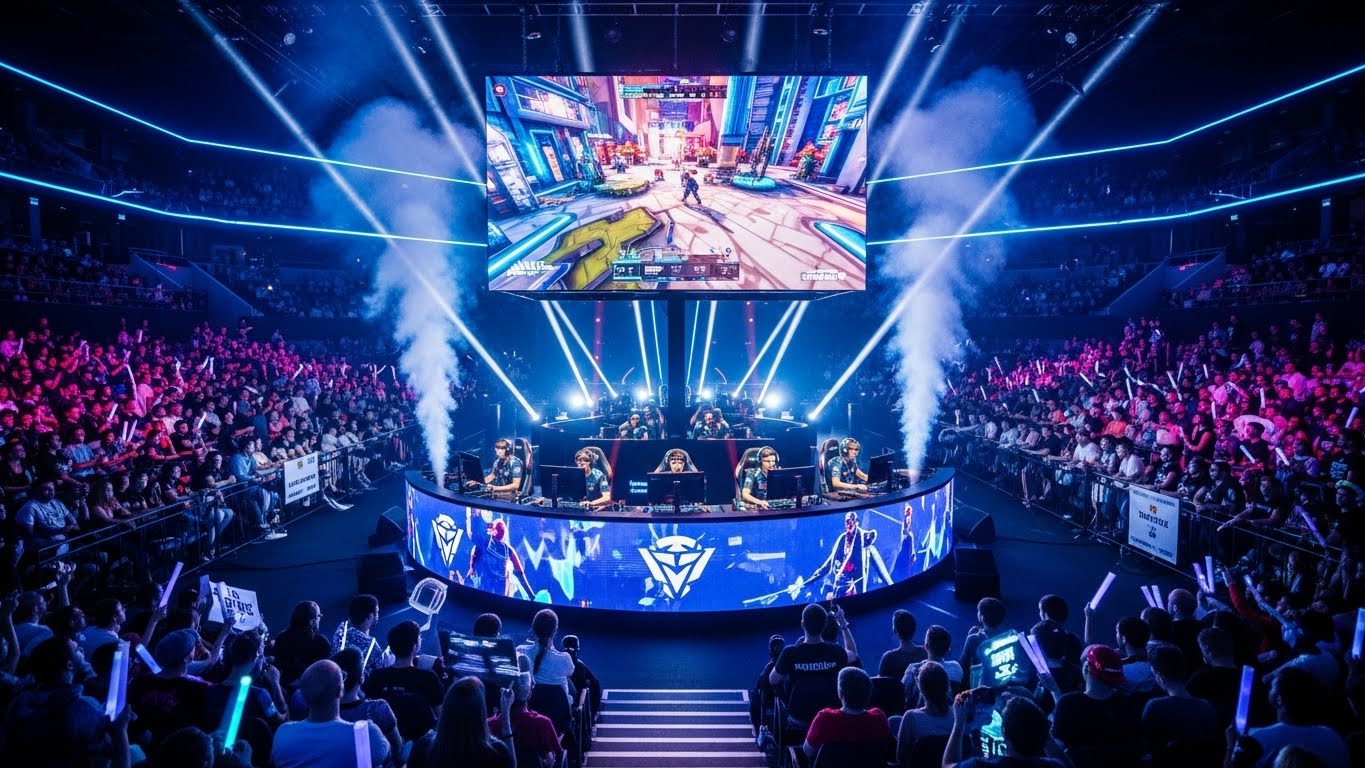
Over the last two decades, esports has transformed from a niche hobby into a billion-dollar industry. Today, esports is not just about playing video games; it’s a multi-faceted global ecosystem that involves professional players, organizations, tournaments, broadcasting, sponsorships, and millions of passionate fans worldwide. As the lines between traditional sports and esports continue to blur, it’s clear that esports is not only here to stay—it’s a massive cultural force that continues to reshape entertainment. This blog will dive into the rise of esports, its current landscape, and what the future holds for this digital revolution.
The Birth of Esports: From Casual Gaming to Competitive Play
The history of esports can be traced back to the earliest days of video games. In the 1970s, the first competitive gaming events were held, albeit on a much smaller and localized scale. Games like Pong and Space Invaders were the first to draw crowds and create a sense of competition, but it wasn’t until the 1990s that esports as we know it began to emerge.
With the rise of personal computers and the internet, gaming evolved from a solo experience into a multiplayer one. Games like Warcraft and Quake were instrumental in the early days of competitive gaming. Players could now compete remotely, connecting through online servers, making it possible for larger events to take place.
The first notable esports tournament was the Red Annihilation tournament in 1997, which was centered around the game Quake. This event drew significant attention, including sponsorship from a major hardware company, marking the beginning of corporate interest in the esports scene.
However, it wasn’t until the early 2000s that esports really began to take shape with the advent of massive multiplayer online games (MMOs) and real-time strategy games (RTS). Titles like StarCraft and Counter-Strike became household names, and tournaments began to draw significant attention. The World Cyber Games (WCG) and Electronic Sports World Cup (ESWC) were established during this period, and these events helped lay the foundation for esports as a formal competitive sport.
The Explosion of Esports: Mainstream Attention and Massive Growth
By the 2010s, esports had exploded in popularity. The industry began to see mainstream attention as large-scale tournaments drew millions of viewers. Titles like League of Legends and Dota 2 took center stage, and the prize pools for major tournaments began to rival those of traditional sports. The League of Legends World Championship in 2019, for example, attracted over 100 million unique viewers, a figure that rivaled traditional sports finals like the Super Bowl.
A major factor in the rise of esports is the advent of live streaming platforms. Services like Twitch and YouTube Gaming provided gamers with an accessible platform to watch others play games live. This created a direct connection between players and viewers, allowing fans to follow their favorite players, teams, and tournaments in real-time. Twitch, in particular, has been pivotal in fostering a sense of community within esports. The platform has made gaming more social, offering interactive features like chat rooms, emotes, and live reactions that further immerse viewers in the experience.
This period also saw the growth of esports organizations and professional leagues. Teams like Cloud9, Team Liquid, and FaZe Clan began to emerge as key players, signing top talent and representing their sponsors. As these teams grew in stature, they began to receive serious financial backing from major corporations. Companies like Intel, Coca-Cola, and Nike started to view esports as a legitimate marketing opportunity, recognizing the power of the gaming demographic.
Esports Today: A Thriving Industry with Multiple Stakeholders
In the current landscape, esports has evolved into a highly professionalized industry, with distinct roles for players, teams, coaches, analysts, broadcasters, and even psychologists. The ecosystem has expanded far beyond just the players, and there are now multiple stakeholders contributing to the industry’s success.
Players
At the core of esports are the professional players. These are individuals who dedicate their lives to mastering the games they compete in. The training regimen for esports players is often rigorous and requires both technical skill and strategic thinking. Just like traditional athletes, esports players often practice for several hours a day, improving their reaction times, team coordination, and mental resilience.
Esports players are also beginning to get more recognition, with some even becoming global celebrities. Players like Faker (Lee Sang-hyeok) of League of Legends and Johan “N0tail” Sundstein of Dota 2 have millions of followers on social media and are idolized by fans across the globe.
Teams and Organizations
Esports organizations function much like traditional sports franchises. They sign players, manage sponsorships, and organize tournament participation. Some of the biggest esports organizations include Cloud9, Team Liquid, and G2 Esports. These organizations provide a support structure for players, including coaching staff, analysts, and performance coaches, who help players stay at their best.
These teams also generate significant revenue through sponsorship deals, merchandising, and media rights. For example, Team Liquid has sponsorships with major brands like Alienware, Nike, and HyperX, helping to fund their operations and enable them to sign top-tier players.
Broadcast and Media
The rise of streaming platforms like Twitch has had a profound impact on how esports is consumed. Major tournaments are broadcast live, often with professional commentators, analysts, and even post-match breakdowns. These broadcasts are designed to be just as engaging as traditional sports broadcasts, offering insightful commentary and analysis to enhance the viewing experience.
Esports has also crossed into traditional media, with networks like ESPN airing esports events. This mainstream coverage has played a significant role in making esports more accessible and legitimate in the eyes of a broader audience.
Sponsors and Advertisers
Corporate sponsorship is a key driver of the esports industry’s growth. Companies like Coca-Cola, Red Bull, Intel, and Mercedes-Benz are heavily invested in esports, using it as a platform to reach the lucrative gaming demographic. These sponsors not only help fund tournaments but also partner with teams and players for promotional campaigns. As esports continues to grow, the financial backing from sponsors will only increase, providing more resources for players and teams to thrive.
The Relationship Between Esports and Traditional Sports
As esports gains momentum, the relationship between esports and traditional sports becomes increasingly intertwined. Many traditional sports teams have begun to invest in esports, either by launching their own esports divisions or by sponsoring existing teams. For instance, professional football clubs like Manchester City and Paris Saint-Germain have both entered the esports space, launching teams in games like FIFA and League of Legends.
In addition, professional athletes are also getting involved in esports. Players like JuJu Smith-Schuster (NFL), Rick Fox (NBA), and David Beckham (soccer) have invested in esports teams, recognizing the potential growth and cultural relevance of the industry. This intersection of traditional sports and esports highlights the evolving nature of entertainment, where both domains overlap and feed off each other.
Moreover, esports has also been recognized as a legitimate competitive activity by several countries. In some regions, professional esports players are even granted athlete visas, similar to their counterparts in traditional sports.
Challenges and Opportunities for Esports in the Future
While esports is currently thriving, the industry still faces several challenges that need to be addressed in order to maintain its growth trajectory.
1. Mental Health and Well-being of Players
One of the major concerns in esports is the mental and physical well-being of players. Esports athletes often spend long hours in front of screens, which can lead to physical issues such as eye strain and repetitive stress injuries. Additionally, the pressure to perform can take a toll on a player’s mental health, leading to burnout and stress-related issues. It is crucial for esports organizations to invest in player wellness programs, including access to psychologists, physical therapists, and stress management resources.
2. Sustainability of Business Models
As the esports industry grows, sustainability becomes a pressing issue. Esports teams and organizations rely heavily on sponsorships and advertising revenue, but these sources of income can fluctuate. It is important for the industry to diversify its revenue streams and develop sustainable business models to ensure long-term success.
3. Expanding Global Reach
While esports has a massive following in regions like North America, Europe, and Asia, it still has untapped potential in many parts of the world. Emerging markets in Africa, Latin America, and the Middle East represent new opportunities for expansion. As internet access continues to improve in these regions, esports can flourish, creating more global tournaments and a wider pool of talent.
The Future of Esports: A Digital Revolution
Esports is on the cusp of becoming one of the most significant entertainment sectors in the world. With continuous growth in viewership, professional leagues, sponsorships, and technology, the future of esports looks incredibly bright. We are witnessing a digital revolution in entertainment, where esports is becoming as important as traditional sports.
The rise of virtual reality (VR) and augmented reality (AR) also holds immense promise for the future of esports. Imagine competing in an immersive VR tournament where players are physically in the game environment, offering a level of engagement that traditional gaming cannot match. Furthermore, innovations in artificial intelligence (AI) could lead to more personalized experiences for both players and viewers, making esports even more accessible and dynamic.
Esports is no longer a niche activity—it is a global phenomenon with vast economic, cultural, and social implications. As it continues to evolve, it will continue to captivate audiences around the world, with more people embracing it as a form of entertainment, competition, and community.