Introduction
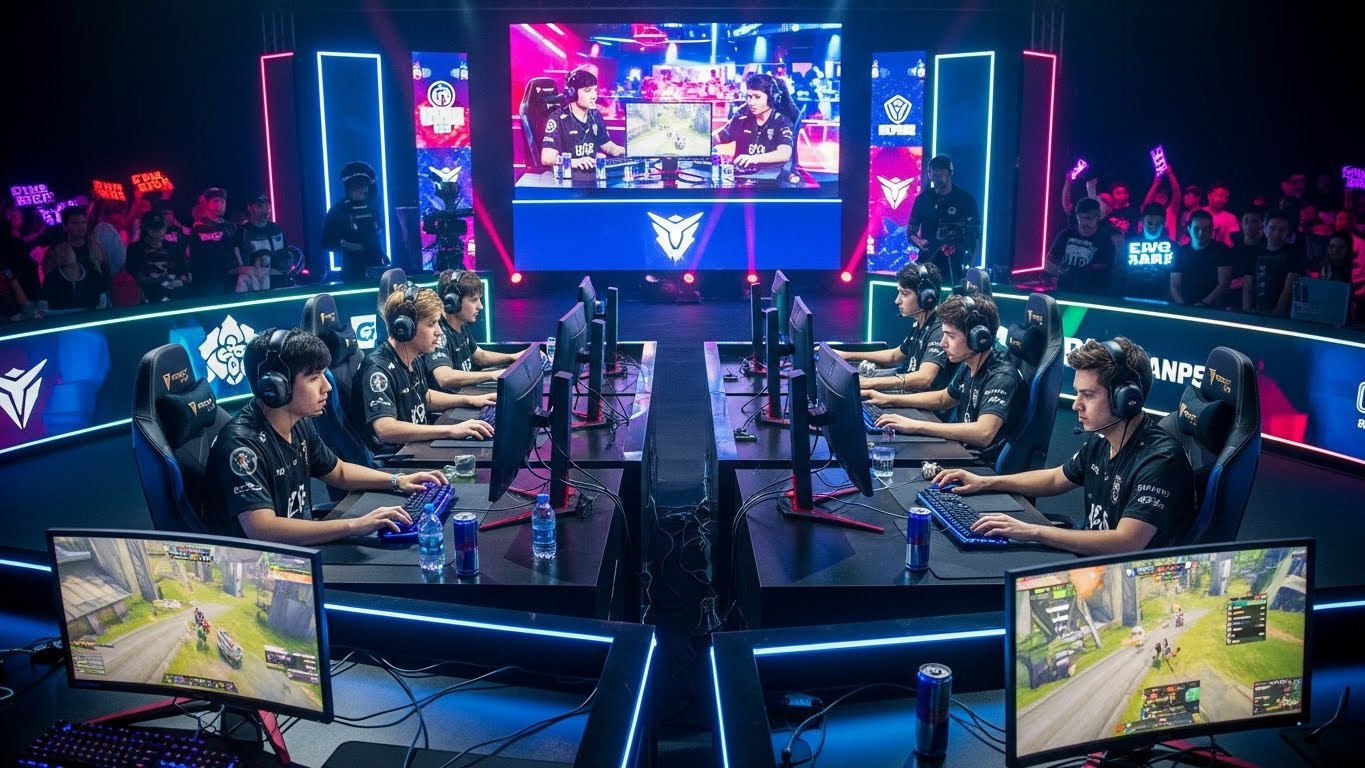
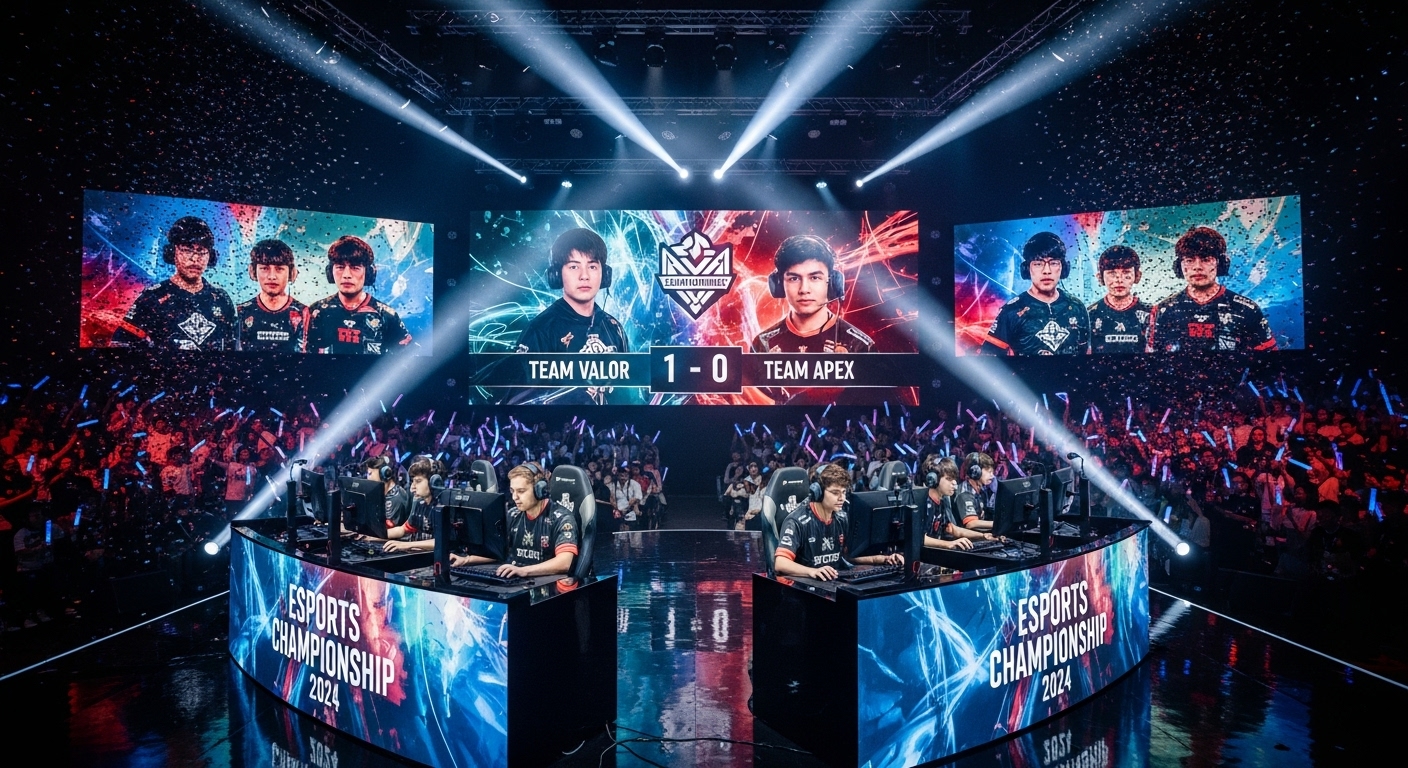
Esports has transformed from a niche hobby into a worldwide cultural and economic phenomenon. What once began with small gaming tournaments held in dimly lit rooms has evolved into a massive global industry with sold-out arenas, celebrity-status players, multimillion-dollar prize pools, and a rapidly expanding fan base. Today, esports stands shoulder to shoulder with traditional sports, drawing millions of viewers and shaping new career paths for gamers, creators, and organizations. This blog explores how esports grew into a digital colosseum of competition, its impact on society, and what the future might hold for this thriving ecosystem.
The Evolution of Esports: From Arcades to Arenas
The earliest seeds of esports sprouted in the arcades of the 1970s and 1980s. Friendly competitions on games like Space Invaders and Pac-Man began shaping a new culture of digital rivalry. During this era, gaming was still viewed as a pastime rather than a professional pursuit. Yet these competitive seeds grew as technology advanced.
The rise of personal computers and home consoles in the 1990s gave birth to more serious organized competitions. Titles like Doom, StarCraft, and Street Fighter attracted dedicated communities where skill and strategy became central. By the early 2000s, professional leagues emerged, setting the stage for competitive careers. But it was the rise of high-speed internet and streaming platforms that ignited the true evolution of esports. Suddenly, players could compete with anyone in the world, while fans could tune in from their homes. This shift propelled esports from local tournaments to a global stage.
The Rise of Major Esports Titles
At the heart of esports are the games themselves. Some titles have become iconic pillars that define the competitive landscape.
League of Legends has built a global empire of competition, known for its massive international tournaments and dynamic gameplay. Dota 2, another titan of the multiplayer online battle arena genre, boasts one of the largest prize pools in esports history. Counter-Strike, with its fast-paced tactical combat, continues to draw millions of fans, while Fortnite revolutionized competitive gaming by merging esports with mainstream entertainment and influencer culture.
Beyond these giants, games like Valorant, Rocket League, Overwatch, and Mobile Legends have cultivated passionate communities around the world. Each game brings a unique strategy, pace, and culture to the esports landscape, offering diverse avenues for players and spectators alike.
Esports Athletes: The New Age Professionals
The idea of professional gamers once sounded unusual, but today esports athletes are recognized as elite competitors who dedicate countless hours to training, strategy, and communication. Unlike casual gaming, professional play demands sharp reflexes, exceptional mental agility, and strong teamwork. Many esports athletes follow strict routines that mirror traditional sports training, including physical workouts, mental coaching, and performance analysis.
These players often begin their careers young, with some joining academies and development programs similar to those in soccer or basketball. Teams seek out rising talent through scouting, ranked play, and trial sessions. The top athletes not only compete at major tournaments but also build personal brands through streaming and social media, turning themselves into influential figures within the gaming community.
Esports Organizations and the Business Behind the Scenes
Behind every successful player is a complex ecosystem of organizations, sponsors, coaches, and support staff. Professional esports organizations function much like traditional sports clubs. They recruit players, run training facilities, develop strategies, and manage sponsorship agreements. Many organizations have diversified into content creation, merchandising, talent management, and community building.
Sponsors play a crucial role in sustaining the industry. Major brands from technology, fashion, beverage, and automotive sectors invest heavily in esports to reach its youthful and engaged audience. This influx of investment has legitimized esports as a serious commercial industry, offering stable income sources for teams and players alike.
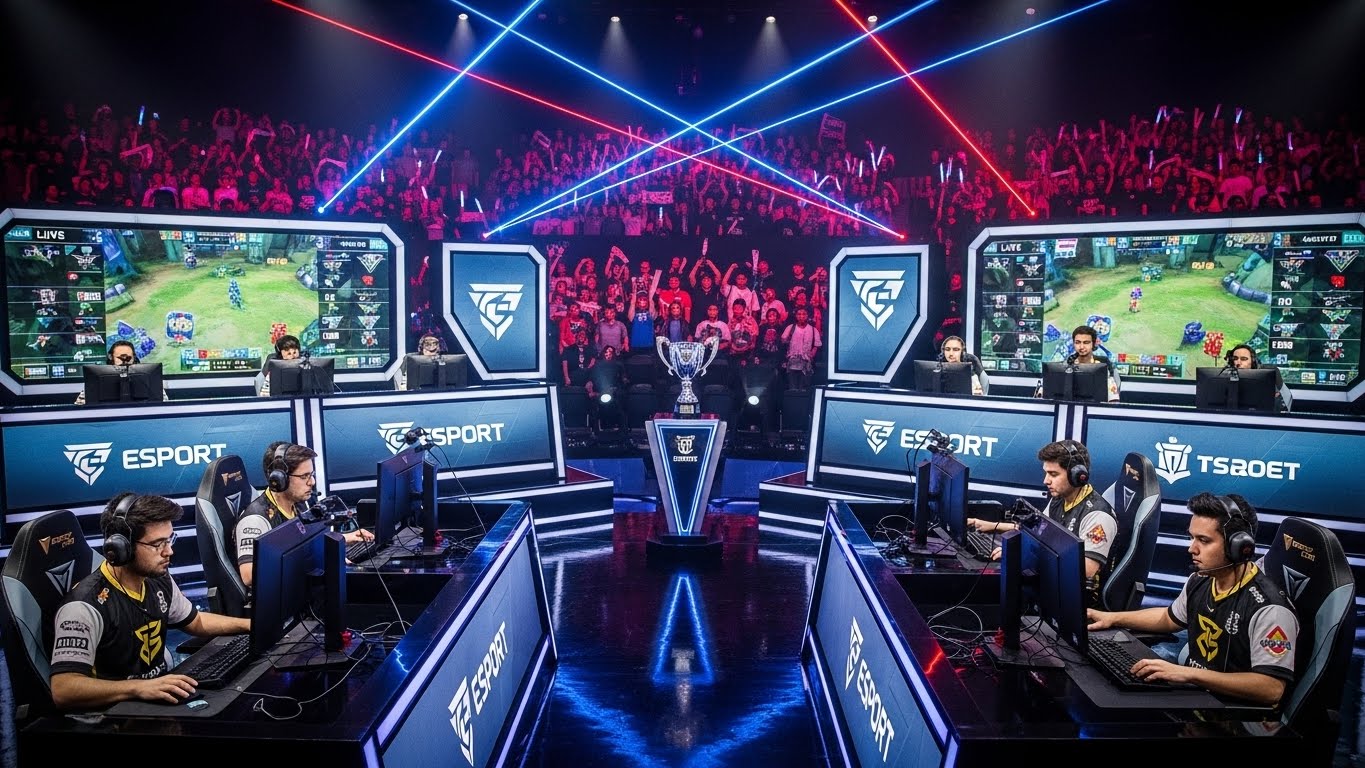
Broadcasting rights, merchandise sales, and prize pools also contribute to the economic backbone of esports. Some tournaments attract millions of live viewers worldwide, generating revenue and demonstrating the industry’s growing influence.
The Global Fan Community
One of the most remarkable elements of esports is its vibrant global community. Fans come from every corner of the world, united by a shared love for competition, strategy, and digital culture. Unlike traditional sports, which often depend on geographic ties, esports fandom is borderless. A fan in Brazil might passionately support a team based in Korea, while a viewer in Europe might follow a North American player.
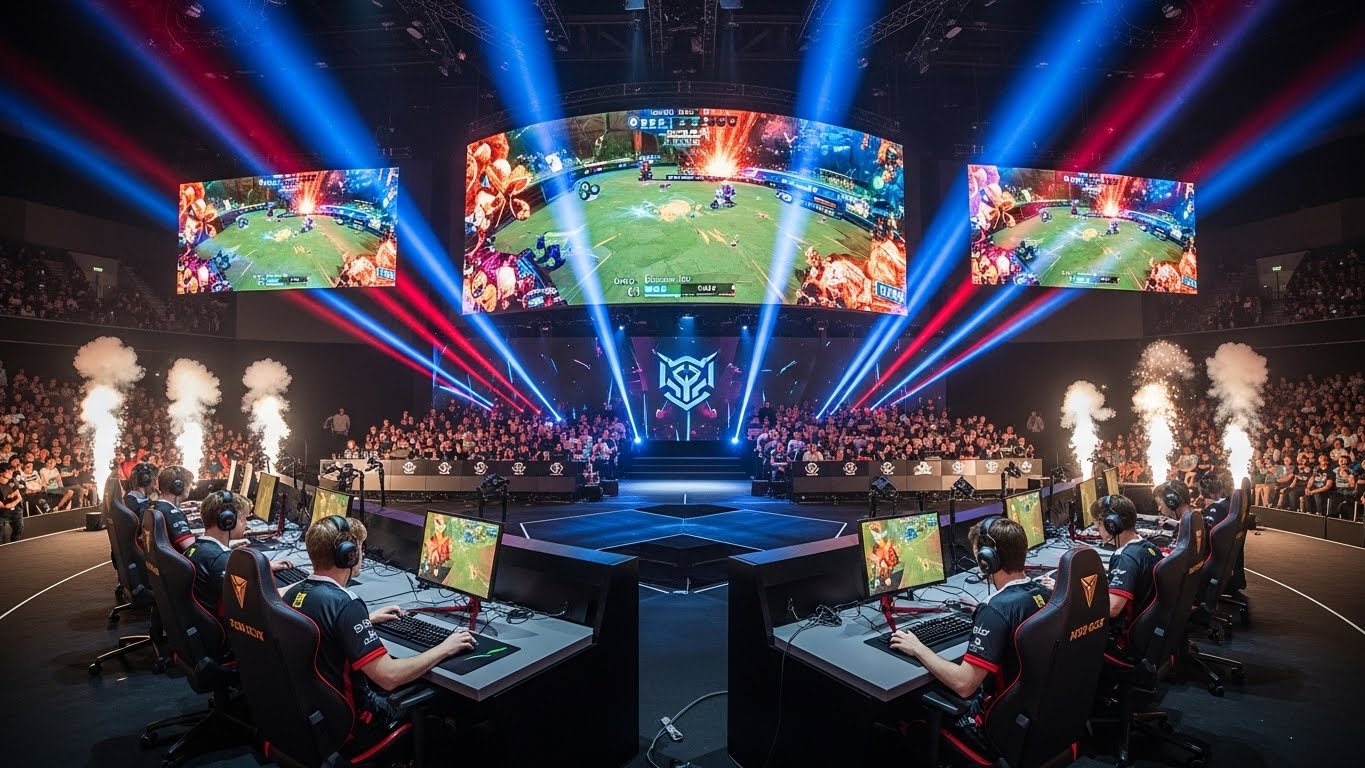
Streaming platforms, social media, and online forums allow fans to connect instantly, discuss gameplay strategies, share memes, and celebrate victories together. Esports events have also become spectacular gatherings where fans experience the energy of live matches, meet their favorite players, and immerse themselves in gaming culture. This level of accessibility and interaction is one of esports’ strongest advantages.
Education, Careers, and the Esports Ecosystem
Esports has opened the door to a variety of new career paths. Beyond becoming a professional player, individuals can now pursue jobs as coaches, analysts, commentators, event organizers, content creators, and community managers. Schools and universities around the world have begun offering esports programs, scholarships, and dedicated arenas. These academic pathways help legitimize esports as an evolving discipline and offer professional development opportunities for aspiring students.
Additionally, careers in game design, marketing, streaming production, and user experience are intertwined with the esports world. The industry encourages creativity, technological innovation, and entrepreneurship, making it a powerful driver of new opportunities in the digital age.
The Positive Impact of Esports on Society
Esports contributes far more than entertainment. It promotes teamwork, problem-solving, and communication. Players learn to strategize, adapt, and perform under pressure. For many, gaming provides a sense of belonging, especially for individuals who may not resonate with traditional sports or social circles.
Esports also encourages global connection. Players and fans from different cultures interact, collaborate, and compete, fostering understanding and shared experiences. In some cases, esports has even been used to promote charitable causes, raise awareness, and encourage positive online behavior.
Additionally, gaming is increasingly recognized as a tool for cognitive development. Studies suggest that certain games improve reaction time, memory, multitasking, and spatial reasoning, proving that esports can serve as both a competitive pursuit and a mental workout.
Challenges Faced by the Esports Industry
Despite its success, esports faces significant challenges. Player burnout is a genuine concern, as rigorous schedules and pressure can take a toll on mental health. The fast-paced nature of the industry also means that careers can be short.
Regulation is another ongoing challenge. Unlike traditional sports, esports lacks global governing bodies. This can lead to inconsistent rules, contract disputes, and issues with cheating or unethical behavior. Maintaining fairness and player welfare is essential as the industry scales.
Financial stability for smaller teams and tournaments can also be difficult. While top organizations thrive, many grassroots communities struggle to secure funding or visibility. Creating a sustainable ecosystem is crucial for long-term growth.
The Future of Esports: What Lies Ahead
The future of esports is bright, dynamic, and full of potential. Technological advancements such as virtual reality, augmented reality, and artificial intelligence may redefine how games are played and experienced. Mobile esports is expected to grow even further, especially in regions where smartphones are the primary gaming device.
Esports could also integrate more closely with traditional sports, with collaborations, crossover events, and shared training methodologies. Governments and educational institutions may establish more formal support systems, offering infrastructure, regulation, and professional development.
As esports continues to expand, its cultural influence will deepen. It will shape entertainment, technology, communication, and even physical sports. The digital colosseum is still growing, and millions of fans will continue to fill its virtual stands.
Conclusion
Esports has rapidly evolved into a global powerhouse that blends competition, technology, creativity, and community. What began as friendly arcade challenges has transformed into an industry that rivals traditional sports in scale and excitement. From passionate fans and dedicated players to thriving careers and innovative game design, esports represents the spirit of modern digital culture.
As the world becomes increasingly connected, esports will continue to inspire, entertain, and shape the future of interactive competition. Whether you are a seasoned gamer or a curious newcomer, there has never been a more exciting time to explore the digital arena.