Introduction: The Rise of a New Arena
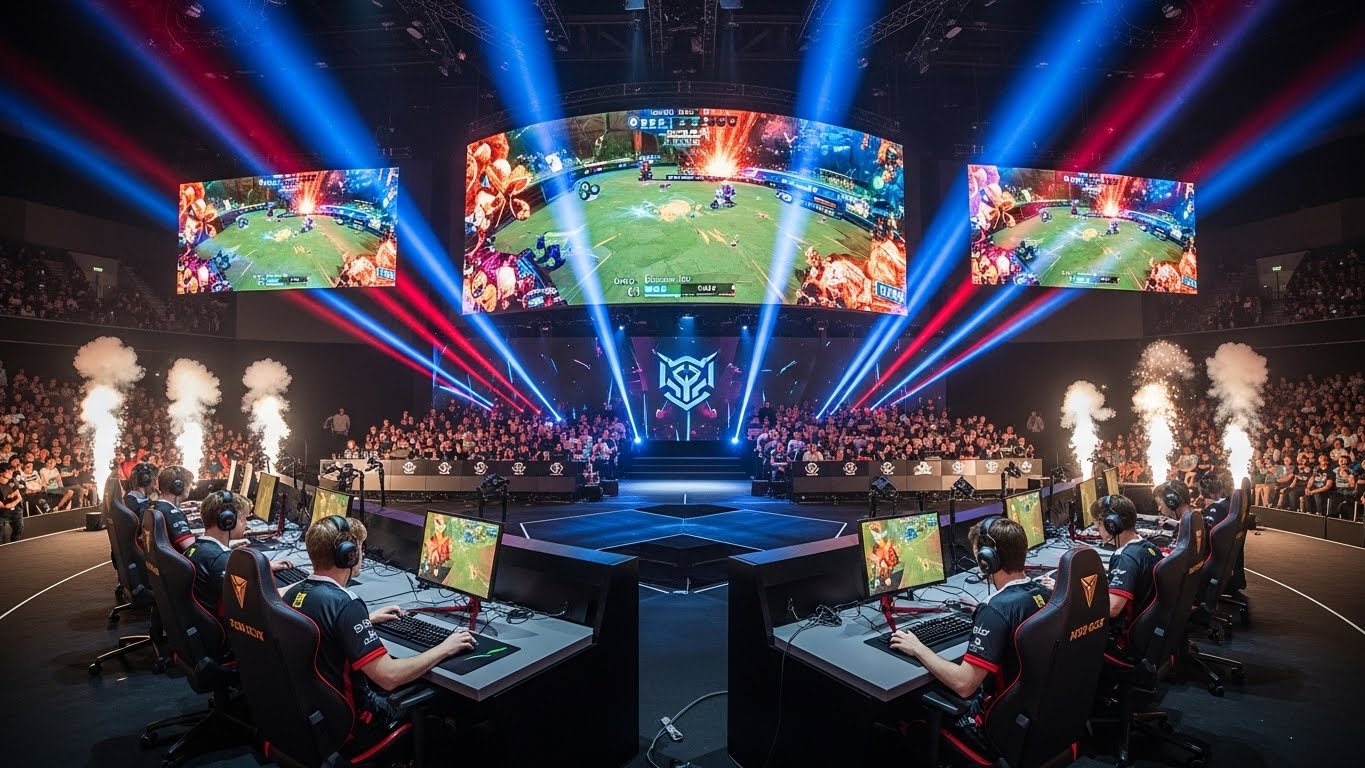
Not long ago, competitive gaming was seen as a niche hobby, limited to small gatherings, internet cafés, or bedrooms filled with glowing monitors. Today, esports stands as a global phenomenon, rivaling traditional sports in viewership, revenue, and cultural impact. Stadiums sell out for gaming tournaments, professional players gain celebrity status, and millions of fans tune in to watch digital battles unfold in real time. Esports is no longer just about games; it is about skill, strategy, community, and a redefinition of what competition means in the modern world.
Understanding Esports Beyond Gaming
Esports, short for electronic sports, refers to organized, competitive video gaming where individuals or teams compete at a professional or semi-professional level. What separates esports from casual gaming is structure. Matches are governed by rules, leagues, and governing bodies. Players train rigorously, often for many hours a day, and teams employ coaches, analysts, psychologists, and support staff.
At its core, esports mirrors traditional sports. There is preparation, teamwork, performance under pressure, and a constant pursuit of improvement. The difference lies in the medium. Instead of physical fields or courts, esports takes place in digital environments where reflexes, decision-making, and coordination are tested at lightning speed.
The Evolution from Hobby to Industry
The journey of esports from underground tournaments to billion-dollar industry did not happen overnight. Early competitive gaming events were small and community-driven, often organized by passionate players rather than corporations. As internet connectivity improved and streaming platforms emerged, competitive gaming found a global audience.
The ability for fans to watch live matches, interact with players, and engage in online communities transformed esports into a spectator sport. Sponsorships, advertising, and media rights followed, attracting major brands and investors. Today, esports is a fully developed ecosystem that includes event organizers, publishers, teams, broadcasters, and content creators, all contributing to its rapid growth.
Popular Esports Titles and Their Appeal
Different esports games attract different types of audiences, but all share one thing in common: depth. Games commonly played in esports are easy to watch at a basic level yet incredibly complex when mastered. Strategy, timing, teamwork, and adaptability define success.
Some games emphasize tactical shooting and precise aim, others focus on long-term strategy and resource management, while some highlight fast-paced action and mechanical skill. This diversity allows esports to appeal to a wide range of players and fans, ensuring that the ecosystem remains vibrant and inclusive.
The Life of a Professional Esports Player
Becoming a professional esports player requires far more than talent. It demands discipline, mental strength, and resilience. Players often start young, dedicating countless hours to practice while balancing education or personal responsibilities. At the professional level, training schedules can rival those of traditional athletes, including scrimmages, individual practice, strategy sessions, and physical exercise.
Mental health is a growing focus within esports. The pressure to perform, public scrutiny, and short career spans can take a toll on players. As a result, many organizations now prioritize well-being, offering psychological support and promoting healthier lifestyles to ensure longevity and sustained performance.
Esports Teams and Organizational Structure
Esports teams function much like professional sports franchises. They sign players under contracts, manage branding, secure sponsorships, and compete in leagues or tournaments throughout the year. Behind the scenes, a wide range of professionals contribute to success, including managers, analysts, coaches, and marketing specialists.
These organizations play a crucial role in shaping the careers of players and the overall perception of esports. Strong management can help players develop skills, maintain balance, and build personal brands that extend beyond competition.
The Role of Fans and Online Communities
One of the most powerful aspects of esports is its community. Fans are not passive spectators; they actively engage through live chats, social media, and fan-created content. This interaction creates a sense of closeness between players and audiences rarely seen in traditional sports.
Communities form around teams, players, and games, fostering loyalty and shared identity. Memes, discussions, and fan art become part of esports culture, making it dynamic and constantly evolving. This strong fan involvement is a key reason esports continues to grow at an unprecedented rate.
Economic Impact and Career Opportunities
Esports is not just entertainment; it is a significant economic force. Revenue streams include sponsorships, advertising, merchandise, ticket sales, and media rights. This financial growth has opened doors to numerous career paths beyond playing professionally.
Opportunities exist in event management, broadcasting, journalism, marketing, game design, coaching, and data analysis. Educational institutions are beginning to recognize this potential, offering courses and scholarships related to esports and game development. For many, esports represents a legitimate and exciting career choice in the digital economy.
Esports and Global Culture
Esports transcends geographical boundaries. Players from different countries compete on the same virtual stage, and fans from across the world share the same excitement. International tournaments celebrate diversity while fostering global connections, making esports a unique cultural bridge.
Language barriers fade when gameplay takes center stage. Moments of brilliance, unexpected comebacks, and emotional victories resonate universally. In this way, esports has become a shared global language, uniting people through competition and passion.
Challenges Facing the Esports Ecosystem
Despite its growth, esports faces several challenges. Issues such as player burnout, inconsistent regulations, and concerns about fairness and integrity remain. Match-fixing, cheating, and toxic behavior can harm the credibility of the industry if left unchecked.
There is also ongoing debate about sustainability. Not all teams and leagues are profitable, and rapid expansion can sometimes outpace infrastructure. Addressing these challenges requires collaboration between publishers, organizers, teams, and players to ensure long-term stability and trust.
The Future of Esports
Looking ahead, the future of esports appears promising. Advances in technology, such as virtual reality and augmented reality, may introduce new forms of competitive gaming. Improved broadcasting tools will enhance viewer experiences, making matches more immersive and accessible.
As acceptance grows, esports may further integrate with mainstream culture, education, and even traditional sports institutions. What once seemed unconventional is steadily becoming normalized, reshaping how society views competition, skill, and entertainment.
Conclusion: More Than Just a Game
Esports is a reflection of the digital age, where technology, creativity, and competition intersect. It challenges outdated definitions of sports and proves that dedication and excellence can take many forms. From players striving for greatness to fans finding community, esports represents a powerful shift in how we connect and compete.
As the industry continues to evolve, one thing remains clear: esports is not a passing trend. It is a cultural movement that has transformed pixels into powerhouses and games into global stages of human ambition and skill.