Esports, or electronic sports, has rapidly transformed from a niche activity into a global phenomenon. With millions of fans tuning in, massive prize pools, and professional leagues, esports has emerged as one of the most influential industries in the world of entertainment. In this blog post, we’ll explore the explosive growth of esports, its impact on the gaming industry, and the exciting future that lies ahead for this digital revolution.
The Rise of Esports: A New Era of Competition
Esports can trace its origins back to the early days of competitive gaming, when players first gathered in small LAN (Local Area Network) cafes to compete against each other. Games like Quake and StarCraft were early pioneers in the competitive gaming scene, and while the events were relatively small, they ignited the spark that would eventually grow into a massive global industry.
The real transformation came in the early 2010s when games like League of Legends, Dota 2, and Counter-Strike: Global Offensive took competitive gaming to the next level. These games introduced professional leagues, major sponsorships, and high-stakes tournaments, establishing esports as a legitimate and lucrative field. The explosion of streaming platforms such as Twitch and YouTube Gaming made it easier for fans to watch live matches, fueling further growth and engagement in the esports ecosystem.
As the popularity of esports skyrocketed, large-scale events like The International and the League of Legends World Championship began to offer prize pools in the millions of dollars, attracting the best players and teams from around the world. Today, these tournaments are global spectacles that rival traditional sports events in terms of viewership and excitement.
The Players: Athletes in the Digital Arena
Esports players are more than just gamers—they are digital athletes. The level of skill, dedication, and strategy required to excel in esports is on par with traditional sports. Professional players often train for hours each day, practicing their gameplay, studying opponent strategies, and refining their techniques. Many players begin their careers at a young age, typically in their teens, and their path to success involves intense practice, competition, and teamwork.
The life of an esports player can be demanding. Just like traditional athletes, they need to maintain peak physical and mental health, and some teams even employ coaches, psychologists, and analysts to help players stay at their best. These players are subject to the pressures of competing at the highest levels, often traveling for tournaments around the world and living in team houses where they train together as a unit.
For top-tier players, esports is a full-time career. They make money through tournament winnings, sponsorships, and streaming deals. Some of the best players have become celebrities in their own right, amassing millions of followers on platforms like Twitch, YouTube, and social media. These digital athletes are redefining what it means to be a professional in the 21st century, using their skills to entertain and inspire millions of fans worldwide.
Esports as a Spectator Sport: The New Frontier of Entertainment
While esports is rooted in competition, its rise can also be attributed to the growing number of fans who now consider esports a form of entertainment. Thanks to streaming platforms like Twitch, millions of viewers can watch live tournaments and follow their favorite players and teams in real-time. This level of accessibility has played a key role in transforming esports into a spectator sport on par with traditional sports.
Esports events are broadcasted live with expert commentary, in-depth analysis, and interviews with players and coaches, offering a comprehensive viewing experience. Fans can engage with the action in real-time by watching streams, chatting with fellow viewers, and even interacting with players during live broadcasts. The interactivity and community-driven nature of esports make it an immersive experience that keeps viewers engaged and invested in the outcome of every match.
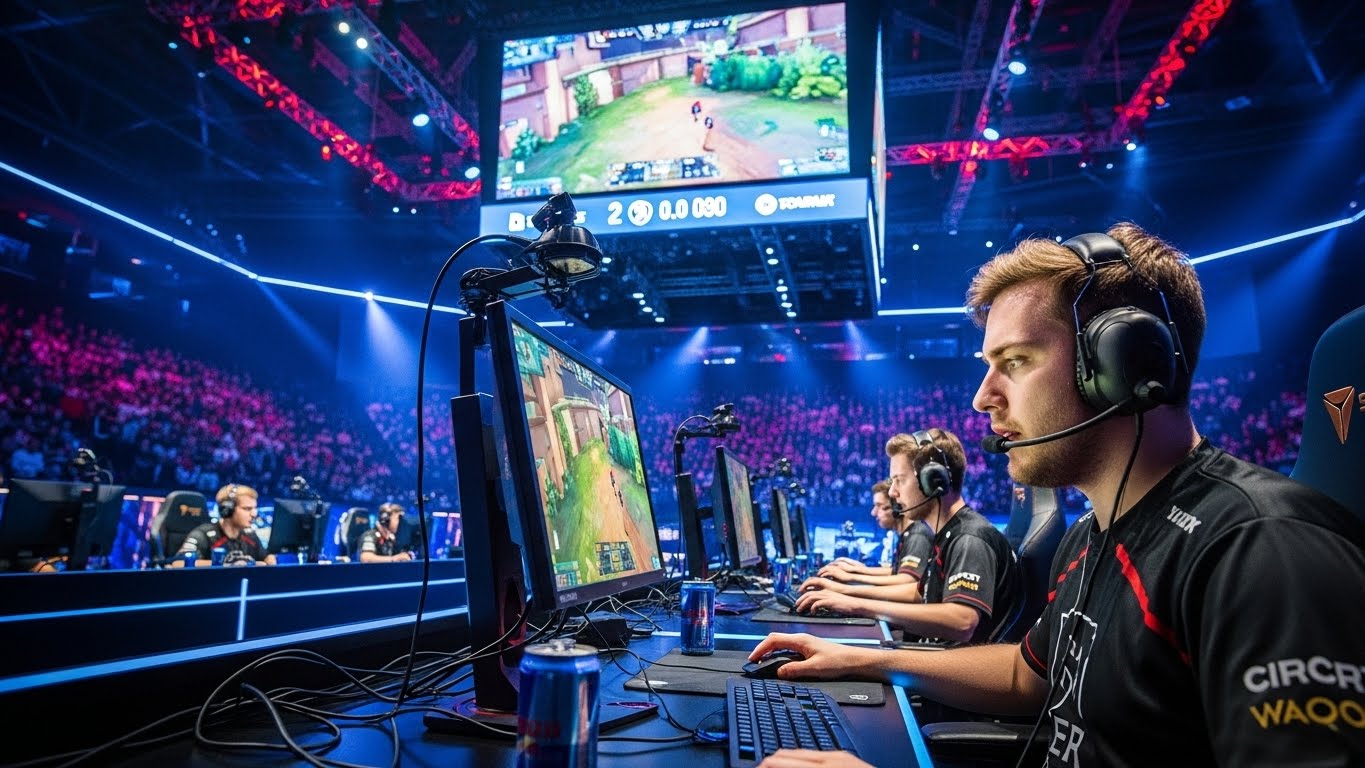
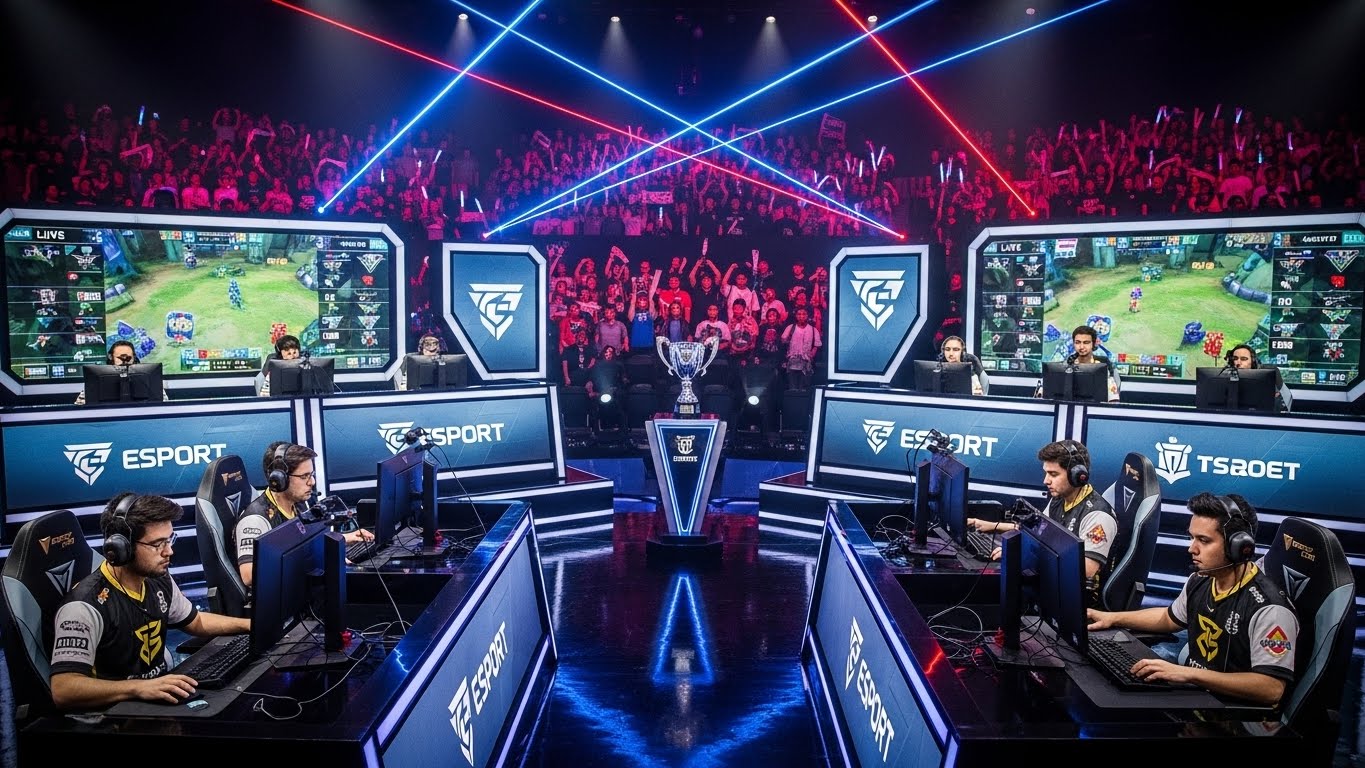
Major esports tournaments now draw huge live audiences as well. Events like The International and the Overwatch League Finals have been held in packed arenas, with tens of thousands of fans cheering for their favorite teams. These events are akin to traditional sports finals, complete with stage productions, lighting, and high-energy performances. For many fans, attending an esports tournament is as much about the experience and the atmosphere as it is about the competition itself.
The Business of Esports: A Billion-Dollar Industry
Esports has proven to be not only an exciting form of entertainment but also a highly profitable industry. In 2021, the global esports industry was valued at over $1 billion, and projections suggest that number will only continue to rise. Much of the industry’s revenue comes from sponsorships, media rights, ticket sales, and merchandise, all of which contribute to the financial success of esports organizations, teams, and event organizers.
Major global brands, such as Coca-Cola, Nike, and Intel, have partnered with esports teams and tournaments, recognizing the value in reaching a younger, tech-savvy audience. These brands sponsor events, create co-branded products, and even form strategic partnerships with professional players. Additionally, esports has attracted investment from traditional sports organizations, with some teams owned by football, basketball, and other professional sports franchises.
The increasing popularity of esports has also led to a boom in esports media. In addition to live streams on platforms like Twitch, esports events are now broadcast on television networks and streaming services, reaching wider audiences around the world. Media rights deals for major tournaments are a significant source of revenue for organizers and players alike. As esports continues to gain mainstream recognition, it will likely continue to evolve as a multi-faceted industry encompassing everything from broadcasting to merchandise and player development.
The Future of Esports: Innovation and Growth on the Horizon
The future of esports looks incredibly promising, with technological advancements and new trends shaping the next phase of the industry. One major trend is the growing integration of mobile gaming into the esports ecosystem. Mobile esports titles, such as PUBG Mobile and Free Fire, are already attracting large audiences, especially in regions where mobile phones are the primary gaming device. As mobile technology continues to improve, we can expect mobile esports to become an even larger part of the global esports scene.
Another exciting development is the potential for virtual reality (VR) and augmented reality (AR) to revolutionize esports. With VR headsets becoming more accessible and affordable, there is a growing interest in creating immersive, first-person competitive experiences. Players and fans alike could soon be able to step into the game world itself, creating a level of engagement and excitement never seen before in traditional sports or esports.
Esports will also continue to expand into new regions. While the industry is currently dominated by North America, Europe, and Asia, emerging markets in Africa, Latin America, and the Middle East are showing increasing interest in esports. As internet infrastructure improves globally, we can expect these regions to become key players in the esports ecosystem, both in terms of players and viewership.
Despite the optimism surrounding the future of esports, the industry does face challenges. Player health and well-being, the risk of burnout, and maintaining fairness in competitions will need to be addressed as esports continues to scale. Furthermore, regulation and standardization of esports leagues, tournaments, and player contracts will be important to ensure the long-term sustainability and credibility of the industry.
Conclusion: Esports Is Here to Stay
Esports has proven itself to be much more than a passing trend. With its rapid growth, global fanbase, and increasingly sophisticated business ecosystem, it is clear that esports is here to stay. From professional players pushing the limits of skill and strategy to the fans who passionately support them, esports is redefining the landscape of competitive entertainment.
As the industry continues to evolve, driven by technological innovation and global interest, we are only beginning to see the full potential of esports. Whether you are a player, a fan, or someone intrigued by this new era of digital competition, esports is shaping the future of entertainment and competition in ways that were once unimaginable. The digital revolution is here, and esports is at the forefront of it all.