Introduction
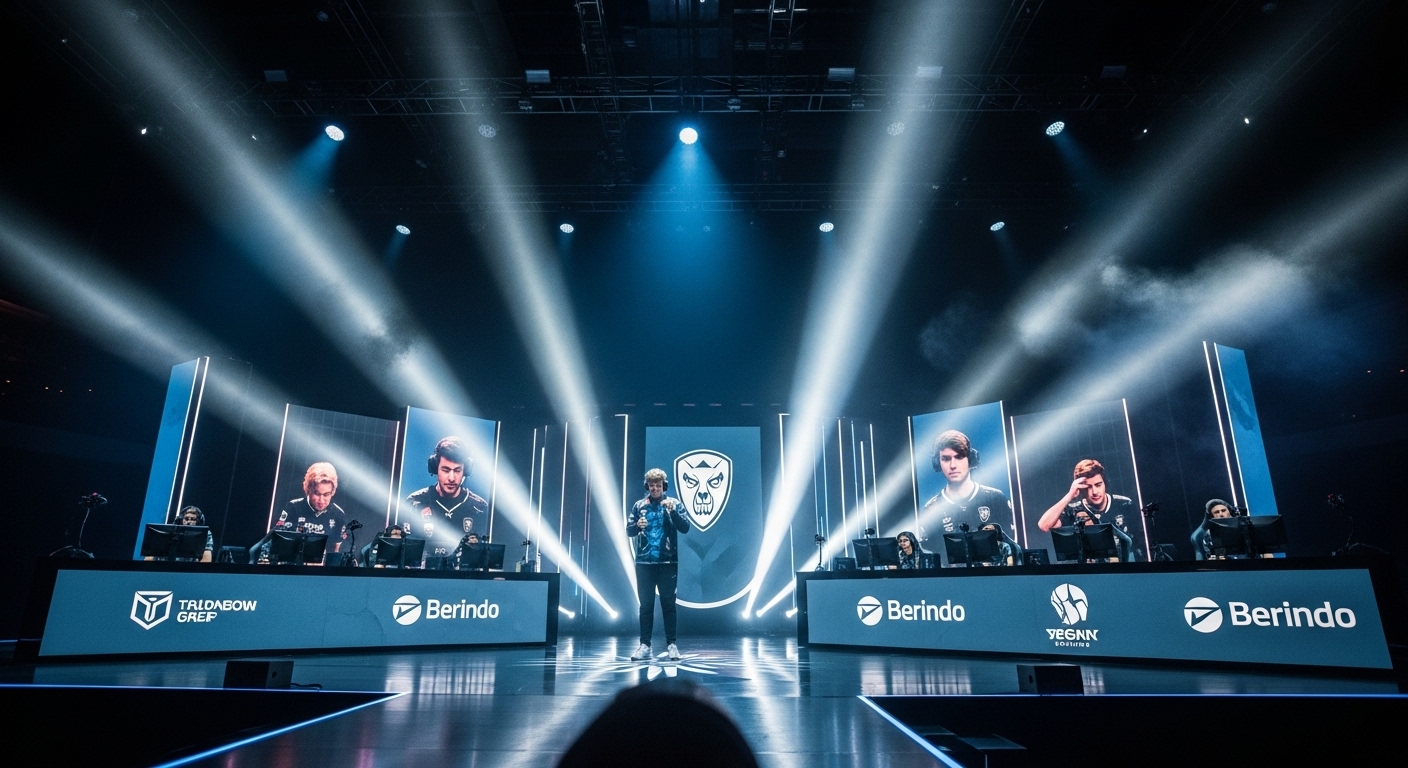
Once seen as a pastime for teenagers locked in their bedrooms, esports has grown into a global phenomenon that redefines what it means to be an athlete in the twenty-first century. The world of competitive gaming has evolved from small-scale arcade tournaments into multimillion-dollar events that attract millions of viewers from every corner of the planet. Today, esports is more than just playing video games; it is a thriving industry, a cultural revolution, and a testament to the digital generation’s power to reshape entertainment. As technology continues to advance, esports stands at the crossroads of innovation, community, and global influence.
The Origins of Competitive Gaming
To understand the explosive growth of esports, we must first return to its humble beginnings. The earliest recorded video game competition took place in 1972 at Stanford University, where students gathered to compete in a game called Spacewar. The prize was a magazine subscription, but the event symbolized something greater — the human instinct for competition through technology. In the 1980s, the rise of arcade gaming brought a new wave of competition. Titles like Pac-Man, Donkey Kong, and Street Fighter gave players a platform to showcase skill and dexterity. Arcade leaderboards became early symbols of achievement, and local tournaments began to spread, setting the foundation for organized competitive play.
The 1990s marked a turning point when gaming consoles entered homes, and multiplayer experiences became possible. Games like Doom and Quake introduced online play, allowing players to compete across distances that were once unimaginable. By the late 1990s, professional tournaments such as the Cyberathlete Professional League and QuakeCon began attracting thousands of competitors. What was once a hobby was becoming a profession.
The 2000s: The Internet Revolution and Birth of Global Esports
The early 2000s ushered in an era that would forever change gaming: the internet revolution. Broadband connections replaced slow dial-up systems, and online gaming communities flourished. This was the period when esports truly began to take shape as an organized, global entity. Titles like Counter-Strike, StarCraft, and Warcraft III became the cornerstones of competitive gaming. South Korea emerged as a powerhouse of the esports world, building an infrastructure that treated gaming like a legitimate sport. Televised StarCraft matches drew millions of viewers, and professional gamers became national celebrities.
Meanwhile, Western countries began developing their own leagues and tournaments. LAN (Local Area Network) parties, where gamers connected their computers in massive venues, became social and competitive hubs. Esports was no longer a niche hobby; it was becoming a serious form of entertainment with fans, sponsors, and media attention. The internet did more than connect players; it connected cultures, fostering a shared digital identity that transcended language and geography.
Streaming: The Engine Behind Esports Growth
No discussion of esports’ meteoric rise would be complete without acknowledging the role of streaming. Before live streaming, fans could only read about tournaments or watch short highlight reels. Then came platforms that allowed players to broadcast their gameplay live to the world. Suddenly, fans could interact directly with their favorite players, watch events in real time, and become part of a global digital audience. Streaming transformed gaming into a spectator sport on par with traditional athletics. It democratized access, allowing anyone with talent and charisma to build a following and enter the professional scene.
This accessibility sparked an explosion of interest in esports. Viewers tuned in not only for the games but also for the personalities behind them. Gamers became influencers, entertainers, and role models. Major tournaments began drawing millions of concurrent viewers, rivaling even traditional sports broadcasts. Esports had become mainstream entertainment, and streaming was its lifeblood.
Professionalization of the Esports Industry
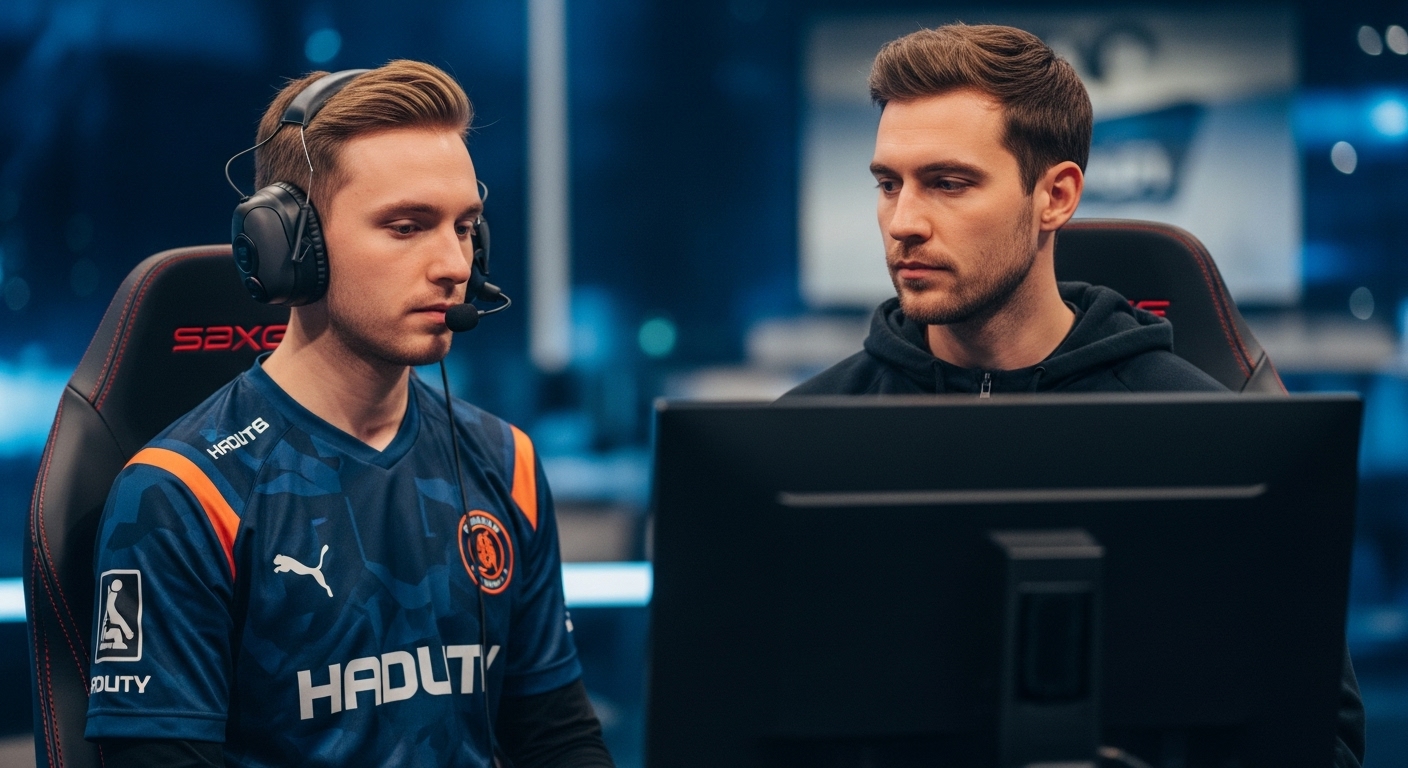
As esports audiences grew, so did the need for structure and professionalism. Teams evolved from casual groups of friends to organized businesses with managers, coaches, analysts, and investors. Players signed contracts, earned salaries, and represented sponsors. Esports organizations began mirroring the structure of traditional sports teams. Training facilities were built, complete with nutritionists, psychologists, and performance coaches. The modern esports athlete now trains both body and mind, dedicating countless hours to refining their skills, communication, and strategy.
Game developers also recognized the potential of esports as a long-term investment. Companies like Riot Games, Valve, and Blizzard started hosting official leagues and tournaments with structured seasons and enormous prize pools. Events such as The International for Dota 2 and the League of Legends World Championship became annual spectacles that filled arenas and attracted millions of online viewers. Esports was no longer an underground culture — it had become a legitimate global sport.
The Global Business of Esports
Behind the screens and flashing lights lies a booming business ecosystem. Esports today is a multibillion-dollar industry driven by sponsorships, media rights, merchandise, and advertising. Global brands that once focused exclusively on traditional sports began pouring money into esports. Energy drink companies, hardware manufacturers, and even fashion labels saw an opportunity to reach a young, tech-savvy audience that lived and breathed gaming culture.
Broadcasting rights have also become a major source of revenue. Esports tournaments are now streamed across multiple platforms, and major media outlets compete for exclusive broadcasting deals. Teams generate income through sponsorships, branded content, and merchandise sales. In addition, gaming houses, boot camps, and training facilities have become common, with organizations investing heavily in player development. What began as a grassroots movement has become an economic powerhouse capable of influencing mainstream media and entertainment industries worldwide.
The Players: Athletes of the Digital Age
Professional esports players are the heart of the industry. Their dedication, reflexes, and strategic thinking rival those of traditional athletes. The misconception that gamers are lazy or unfit has been shattered by the discipline required at the professional level. Top players practice for ten to twelve hours daily, analyzing gameplay footage, refining tactics, and maintaining physical health through exercise and balanced diets. Teams employ coaches to manage strategies and psychologists to help players cope with stress, focus, and motivation.
The average esports career, however, is relatively short. Reflexes and hand-eye coordination peak in the early twenties, and burnout is a common challenge. Despite this, many retired players transition into coaching, commentary, or streaming, ensuring their expertise continues to shape the community. Esports athletes are more than competitors; they are ambassadors of a cultural movement that bridges technology and sport.
Esports in Education and Career Development
The rise of esports has opened unexpected pathways in education and career development. Universities and high schools around the world now offer esports programs and scholarships, recognizing the value of gaming as a legitimate academic and career pursuit. Students can study subjects like esports management, broadcasting, event organization, and game design, blending creativity and business in a rapidly growing field.
Beyond professional gaming, esports has spawned countless related careers. There are opportunities in marketing, journalism, data analysis, software engineering, and live production. The industry requires broadcasters, tournament organizers, content creators, and statisticians. In essence, esports has created an ecosystem that supports both technical and creative professions, providing diverse opportunities for the next generation