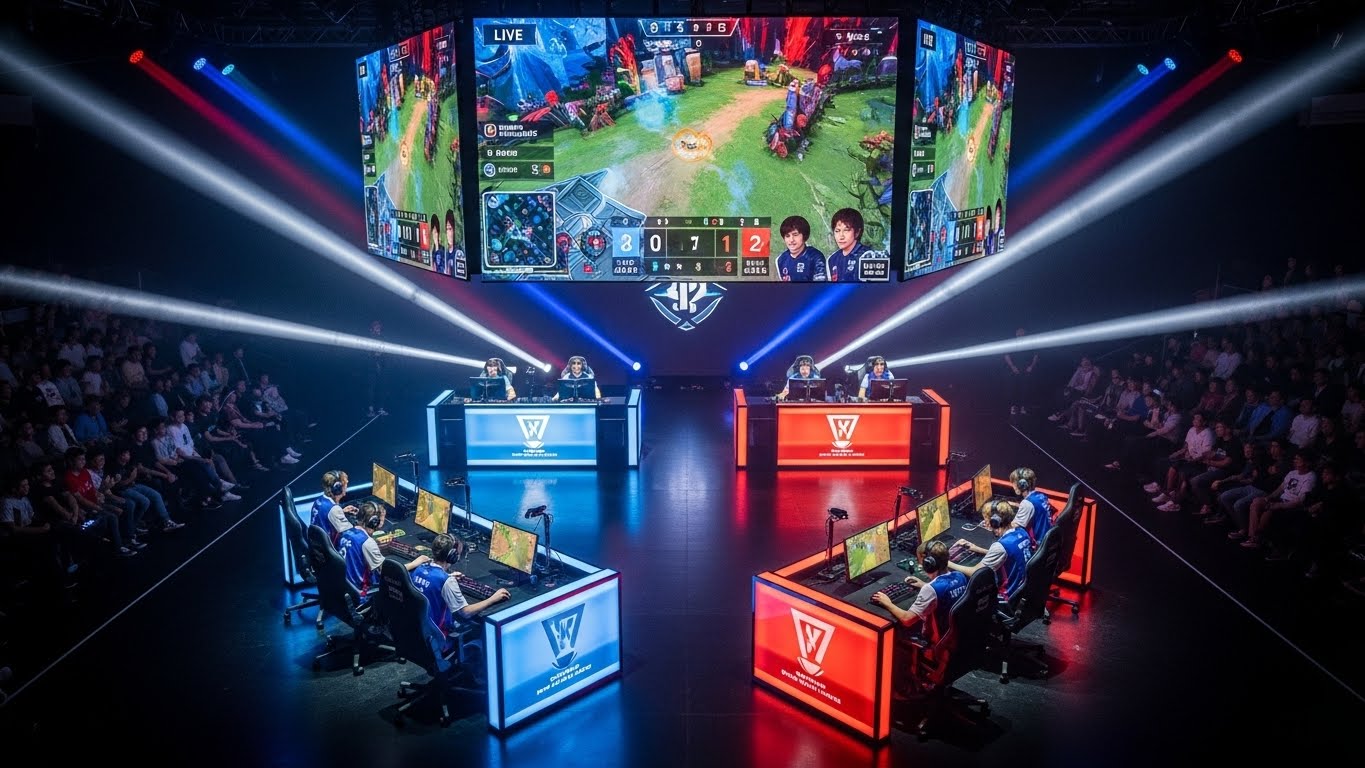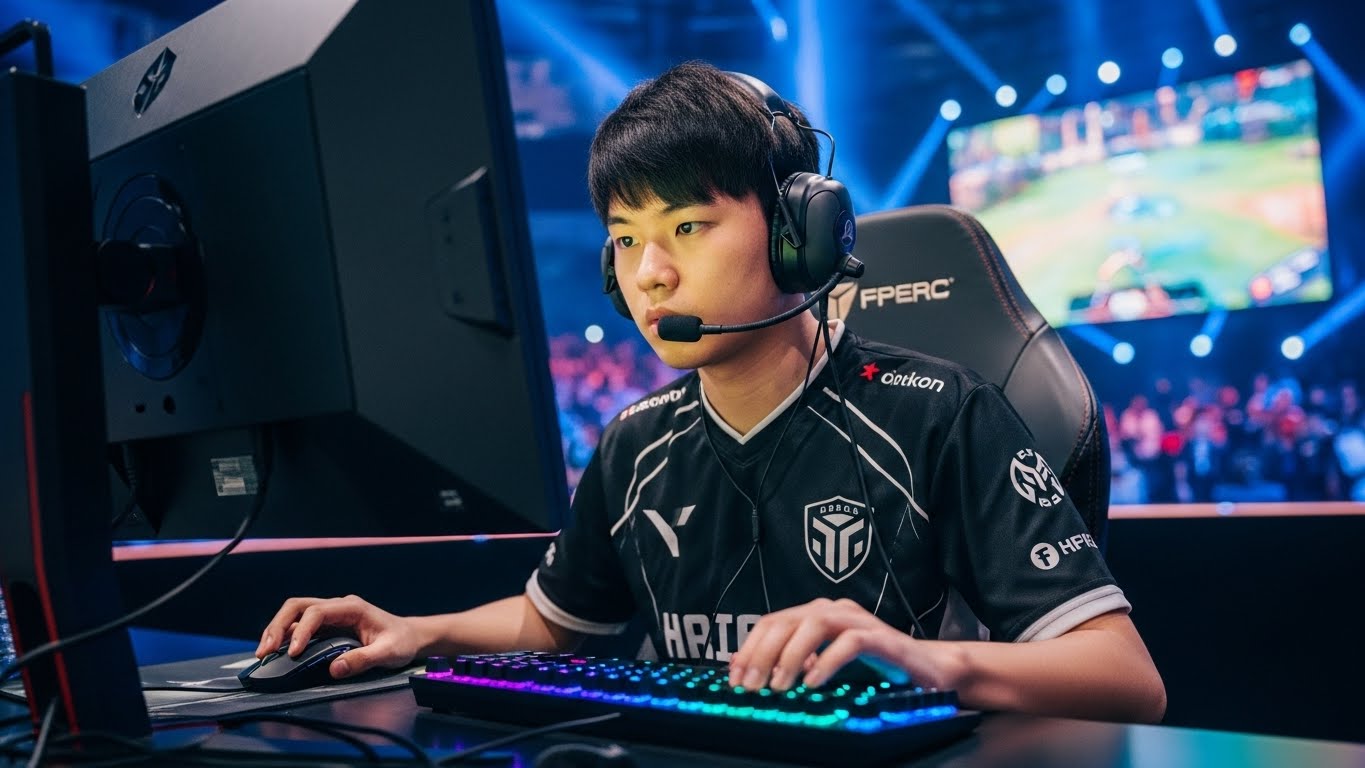
Esports, or electronic sports, has emerged as one of the most significant cultural and economic phenomena in the digital era. What was once seen as casual video game play has transformed into a professional, structured, and highly competitive global industry. Millions of fans worldwide watch live matches, professional players train rigorously, and major brands invest in tournaments and sponsorships. Esports has not only redefined entertainment but has also created new career paths, global communities, and a cultural movement that spans generations.
The Birth of Competitive Gaming
Competitive gaming traces its roots back to the 1970s and 1980s, when arcade halls became hubs for high-score contests and small tournaments. Early video games like Pong and Space Invaders inspired friendly rivalries and local competitions. The introduction of home consoles and personal computers expanded access to gaming, allowing players to compete in new ways. Online multiplayer functionality became a game-changer, connecting players across regions and creating a foundation for modern esports. Games like StarCraft, Counter-Strike, and Warcraft introduced structured competition, paving the way for professional leagues.
Esports as a Professional Industry
Esports has transitioned from informal competitions to a fully professionalized industry. Professional teams now operate like traditional sports organizations, employing coaches, analysts, and support staff. Players receive salaries, training programs, and sponsorship deals, while tournaments offer prize pools that rival those of mainstream sports. This professionalization has legitimized esports as a career path and motivated players to develop their skills with the same dedication as traditional athletes. The industry has grown to include numerous roles beyond playing, creating a diverse ecosystem of employment opportunities.
The Role of Technology in Esports
Technology is the backbone of esports. High-speed internet, powerful gaming PCs, advanced consoles, and specialized peripherals enhance competitive performance. Games now include spectator modes, replay analysis, and real-time statistics, improving both player strategy and viewer engagement. Streaming platforms have made esports accessible to millions of fans globally, allowing live broadcasts with interactive features. Virtual reality, cloud gaming, and AI-powered coaching are emerging technologies that will shape the future of esports, making competition more immersive and engaging.
Popular Esports Game Genres
Esports encompasses a wide range of game genres, each with distinct competitive rules and player skills. Multiplayer online battle arena games require teamwork, strategic planning, and rapid decision-making. First-person shooters test reflexes, accuracy, and coordination. Real-time strategy games emphasize critical thinking, resource management, and long-term planning. Sports simulations allow players to compete in virtual versions of traditional sports. This diversity ensures that esports appeals to a broad audience and provides multiple avenues for players to specialize and excel.
The Global Esports Audience
Esports has cultivated one of the fastest-growing global audiences in entertainment history. Millions of fans watch tournaments, streams, and highlight reels daily. Unlike traditional sports, esports allows fans to interact directly with players, participate in live chats, and create content for social media. The accessibility and online nature of esports have made it particularly appealing to younger generations, who engage with competitive gaming both as spectators and participants. The sense of community and shared enthusiasm among fans strengthens the global esports culture.
Training and Discipline in Esports
Professional esports players train with intensity similar to athletes in physical sports. Training sessions often last several hours a day, focusing on reaction speed, strategic thinking, teamwork, and situational awareness. Players analyze match footage, study opponents, and develop strategies to gain competitive advantages. Physical fitness, mental health management, and rest are also critical components of performance. This dedication highlights the level of discipline required to succeed at the highest level and challenges stereotypes that gaming is merely recreational.
Esports Organizations and Teams
Esports organizations function like professional sports franchises, managing rosters, branding, and sponsorship deals. They provide structured training programs, marketing support, and logistical management for tournaments. Some organizations also produce content for fans, including interviews, behind-the-scenes footage, and community events. This organizational structure ensures stability for players while fostering growth for the industry. By building recognizable brands and fan loyalty, esports organizations contribute to the long-term sustainability and professionalism of competitive gaming.
Tournaments and Events
Tournaments are the centerpiece of the esports experience. They range from local competitions to global championships with massive audiences. Events like these are often held in large arenas, featuring elaborate stage setups, live commentary, and entertainment segments. Prize pools can reach millions of dollars, attracting top-tier talent from around the world. Tournaments provide opportunities for players to showcase skill, build reputations, and engage with fans. They also serve as marketing platforms for sponsors and developers, contributing significantly to the industry’s economic growth.
The Business of Esports
Esports has developed into a multi-billion-dollar industry. Revenue streams include sponsorships, media rights, merchandise sales, advertising, and event tickets. Global brands recognize the influence of esports audiences and invest heavily in partnerships. Streaming services also generate income through subscriptions and ad revenue. This commercial viability has encouraged further investment, innovation, and professionalization within the industry. The business model of esports reflects the integration of technology, entertainment, and marketing in the digital age.
The Influence of Esports on Youth Culture
Esports has a profound impact on youth culture. Young people grow up watching tournaments, following players, and participating in online competitions. Esports encourages strategic thinking, collaboration, and problem-solving skills. It also fosters a sense of identity and community, especially among those who might struggle to find similar connections in traditional sports or social settings. Esports influences fashion, media consumption, and social interactions, becoming an integral part of digital lifestyle for younger generations.
Challenges Facing Esports
Despite rapid growth, esports faces several challenges. Online harassment, cheating, and inconsistent regulations are ongoing concerns. Player burnout and mental health issues are significant due to demanding schedules and public scrutiny. Ensuring competitive fairness and maintaining integrity requires continuous vigilance from developers and organizations. Additionally, the industry must manage market saturation and adapt to evolving audience preferences. Addressing these challenges is essential for sustainable growth and long-term credibility.
Inclusivity and Diversity in Esports
Esports has historically been male-dominated, but initiatives promoting inclusivity are gaining traction. Women, LGBTQ+ individuals, and underrepresented groups are increasingly finding opportunities in competitive gaming. Inclusive tournaments, mentorship programs, and community-driven initiatives aim to reduce barriers and foster participation. Diversity enhances the industry by introducing different perspectives, strategies, and fan engagement styles. A more inclusive esports culture ensures broader appeal and helps secure the industry’s long-term relevance.
Streaming, Content Creation, and Fan Engagement
Streaming platforms have transformed esports consumption. Fans can watch live matches, interact with players, and participate in online communities. Content creators and influencers amplify engagement through tutorials, commentary, and entertainment-focused streams. This interactive dimension strengthens the connection between players and audiences, creating a dynamic ecosystem of entertainment, education, and community. The synergy between professional esports, streaming, and fan-generated content has become a defining feature of the modern esports experience.
The Future of Esports
The future of esports is promising and filled with innovation. Virtual reality, augmented reality, and AI-powered analytics will create more immersive and competitive experiences. Esports is expected to expand into educational programs, traditional sports collaborations, and global media partnerships. The industry’s growth will continue as technology advances and the global audience becomes increasingly connected. Esports is poised to become a permanent and influential part of the entertainment and sports landscapes.
Conclusion
Esports has evolved from casual gaming competitions to a structured, professional, and globally recognized industry. Its growth has been driven by technology, passionate communities, and professional organizations that support players and fans alike. Esports represents more than competition—it is a cultural movement, a career path, and a form of entertainment that engages millions around the world. As the industry continues to expand, esports will remain a defining element of modern digital culture, shaping the future of competitive entertainment for generations to come.