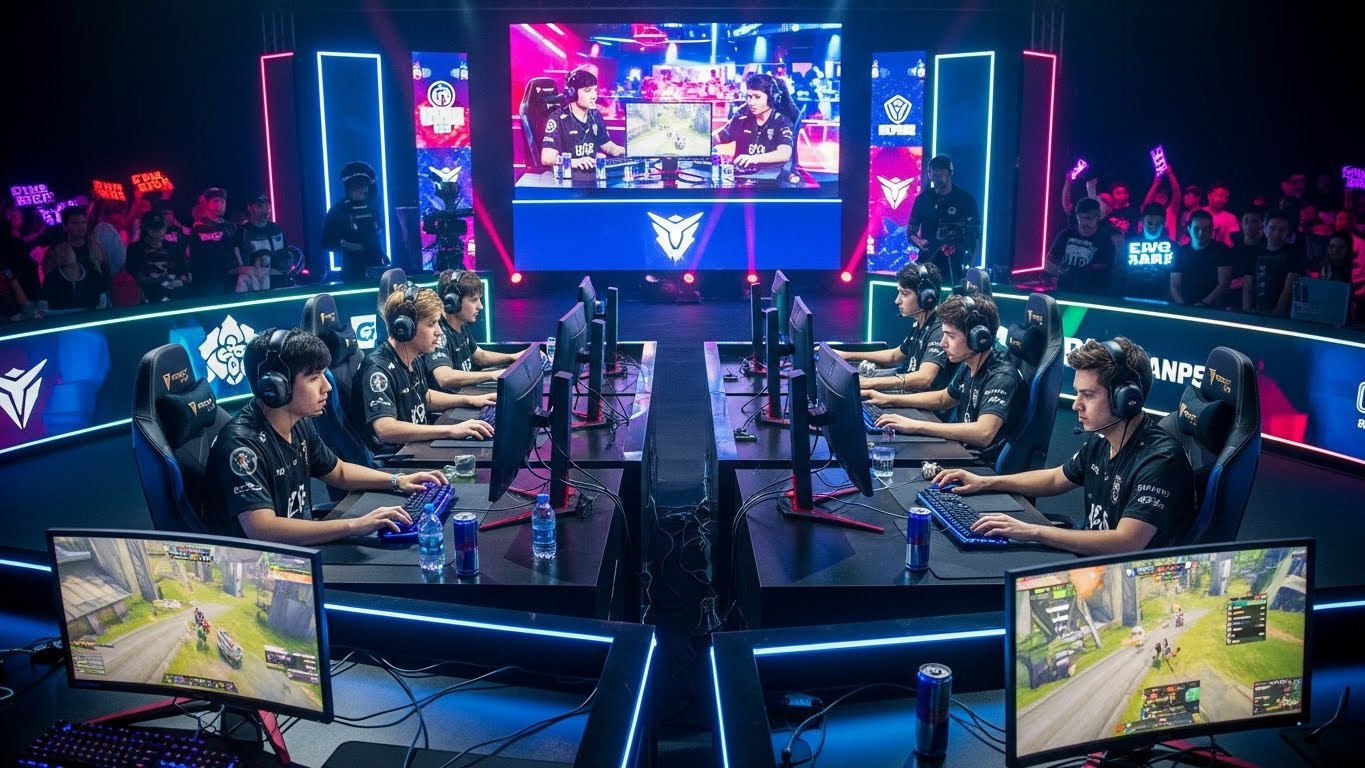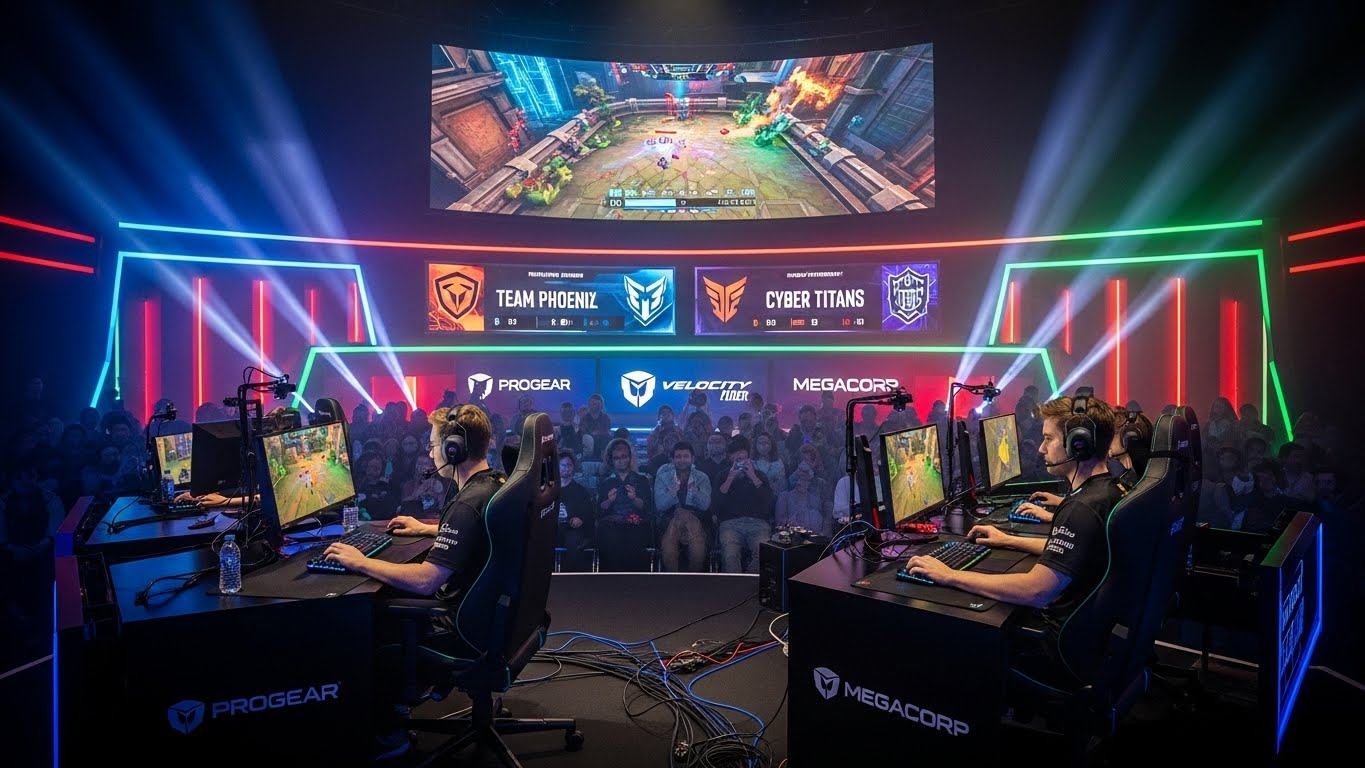
Esports has evolved from casual gaming competitions into a global cultural and economic force. What was once seen as a hobby limited to bedrooms and internet cafés is now a professional industry filling stadiums, generating massive revenue, and shaping modern entertainment. Competitive gaming has earned recognition alongside traditional sports, capturing the attention of millions of fans worldwide. This blog explores how esports rose to prominence, the ecosystem that supports it, and why it continues to grow at an unprecedented pace.
Understanding What Esports Truly Is
Esports refers to organized, competitive video gaming where players or teams compete in structured tournaments and leagues. These competitions are governed by rules, officiated by organizers, and often feature professional athletes who train extensively. Unlike casual gaming, esports emphasizes skill mastery, strategic depth, teamwork, and mental resilience.
Games played in esports vary widely, ranging from strategy-based titles to fast-paced shooters and sports simulations. Each game has its own competitive structure, audience, and professional circuit. This diversity allows esports to appeal to a broad range of players and viewers, making it one of the most inclusive forms of modern competition.
The Early Days of Competitive Gaming
The roots of esports trace back to early arcade competitions and local gaming events. In the late twentieth century, small tournaments emerged where players competed for high scores and bragging rights. As home consoles and personal computers became more accessible, gaming communities began organizing informal competitions.
The real turning point came with the rise of online multiplayer games. Internet connectivity allowed players from different regions to compete against each other, creating the foundation for global tournaments. This era marked the beginning of esports as a structured activity, with dedicated teams, sponsors, and fan bases forming around popular games.
Esports as a Professional Industry
Today, esports operates as a fully developed professional industry. Teams function like traditional sports organizations, employing coaches, analysts, psychologists, and support staff. Players follow strict training schedules, often practicing for several hours each day to refine mechanics, strategies, and teamwork.
Professional esports athletes earn income through tournament prize money, salaries, sponsorships, and personal brand partnerships. Top players enjoy fame, recognition, and financial success comparable to traditional athletes. However, the path to professionalism is demanding, requiring discipline, adaptability, and consistent performance under pressure.
Popular Esports Genres and Competitive Diversity
One of esports’ greatest strengths is its genre diversity. Multiplayer online battle arena games emphasize strategic planning and team coordination. First-person shooters reward precision, reaction speed, and tactical awareness. Battle royale games bring unpredictability and survival-based competition, while fighting games focus on individual skill and mastery.
Sports simulation games replicate real-world athletics, bridging the gap between traditional sports fans and gaming audiences. This wide range of genres ensures that esports remains dynamic, offering something for every type of player and spectator. The diversity also prevents stagnation, allowing new games to enter the competitive scene and refresh the ecosystem.
The Role of Streaming and Digital Media
Streaming platforms have played a crucial role in the explosion of esports popularity. Live broadcasts allow fans to watch competitions in real time, interact with commentators, and engage with other viewers. This interactive experience sets esports apart from traditional sports broadcasting.
Beyond live tournaments, players and teams build communities through regular streaming, behind-the-scenes content, and fan engagement. Digital media has transformed esports into a social experience, where fans feel directly connected to the players they support. This accessibility has fueled rapid audience growth and global reach.
The Esports Audience and Community Culture
Esports audiences are global, diverse, and highly engaged. Fans are not just spectators; they actively participate in discussions, create content, and support their favorite teams through social engagement. This sense of belonging is a defining feature of esports culture.
Unlike traditional sports, esports communities often interact directly with players. Fans can watch practice sessions, communicate during live streams, and witness personal moments beyond competition. This transparency builds strong emotional connections, turning players into role models and influencers within gaming culture.
Economic Impact and Business Opportunities
The esports industry has become a major economic force. Revenue streams include sponsorships, advertising, ticket sales, merchandise, media rights, and digital content. Large tournaments generate significant economic activity, benefiting host cities and surrounding businesses.
Brands from various industries invest in esports to reach younger, digitally native audiences. This has created new career opportunities beyond playing, including event management, marketing, content creation, broadcasting, and game development. Esports is no longer just about competition; it is a complex business ecosystem supporting thousands of jobs worldwide.
Technology as the Backbone of Esports
Technology is at the heart of esports success. High-performance gaming hardware ensures competitive fairness, while advanced software enables smooth gameplay and accurate data tracking. Tournament organizers rely on robust systems to manage matches, enforce rules, and deliver high-quality broadcasts.
Data analytics has become an essential tool for teams. Performance metrics help players identify weaknesses, optimize strategies, and prepare for opponents. Emerging technologies such as artificial intelligence and immersive digital environments are expected to further enhance training methods and spectator experiences.
Challenges Facing Competitive Gaming
Despite its success, esports faces notable challenges. Player burnout is a growing concern due to intense training schedules and constant competition. Career longevity can be short, making mental health support and sustainable practices essential.
Regulation remains another challenge. Issues such as cheating, match manipulation, and inconsistent governance threaten competitive integrity. Establishing standardized rules and ethical guidelines is crucial for maintaining trust and professionalism within the industry. Addressing these challenges will determine esports’ long-term stability.
Education and Esports Development
Educational institutions are increasingly recognizing esports as a legitimate discipline. Schools and universities now offer esports programs, scholarships, and training facilities. These initiatives help develop talent while promoting teamwork, leadership, and strategic thinking.
Esports education also extends beyond gameplay. Courses in event production, game design, marketing, and management prepare students for diverse careers within the industry. This integration into education systems further legitimizes esports and ensures a steady pipeline of skilled professionals.
The Future Vision of Esports
The future of esports appears promising and expansive. Continued technological advancements will enhance gameplay realism and audience engagement. Global expansion will introduce esports to new regions, cultures, and markets.
As mainstream acceptance grows, esports is likely to integrate further with traditional sports, entertainment, and media industries. Hybrid events, cross-industry collaborations, and innovative competition formats will redefine what competitive entertainment looks like in the digital era.
Conclusion: A New Era of Competitive Entertainment
Esports represents a powerful shift in how competition, entertainment, and community intersect. From humble beginnings to global recognition, competitive gaming has proven its ability to inspire passion, create opportunities, and unite people across borders. It blends technology, skill, and storytelling into an experience uniquely suited for the modern world.
As esports continues to evolve, its influence will extend far beyond gaming. It is shaping careers, redefining sports culture, and setting new standards for digital engagement. The rise of esports is not a passing trend but a defining chapter in the future of global entertainment.