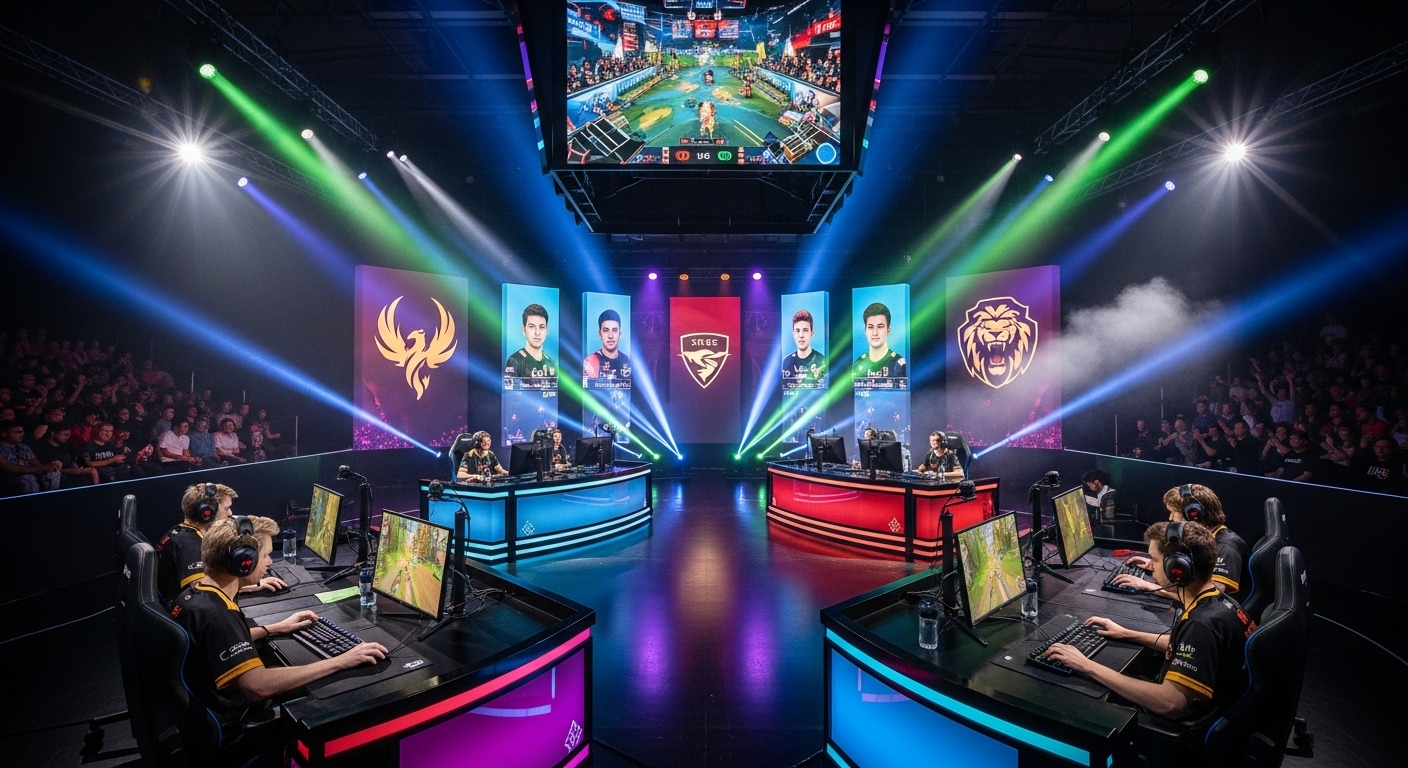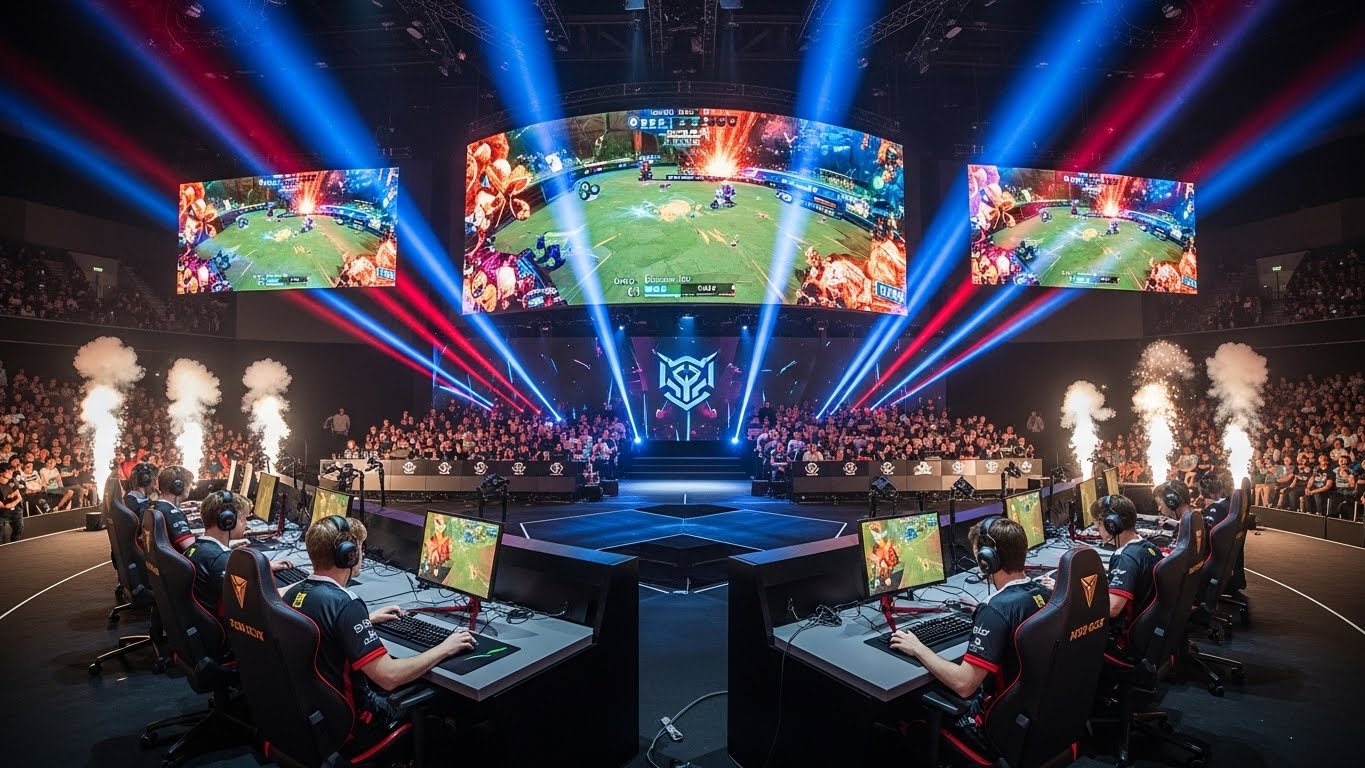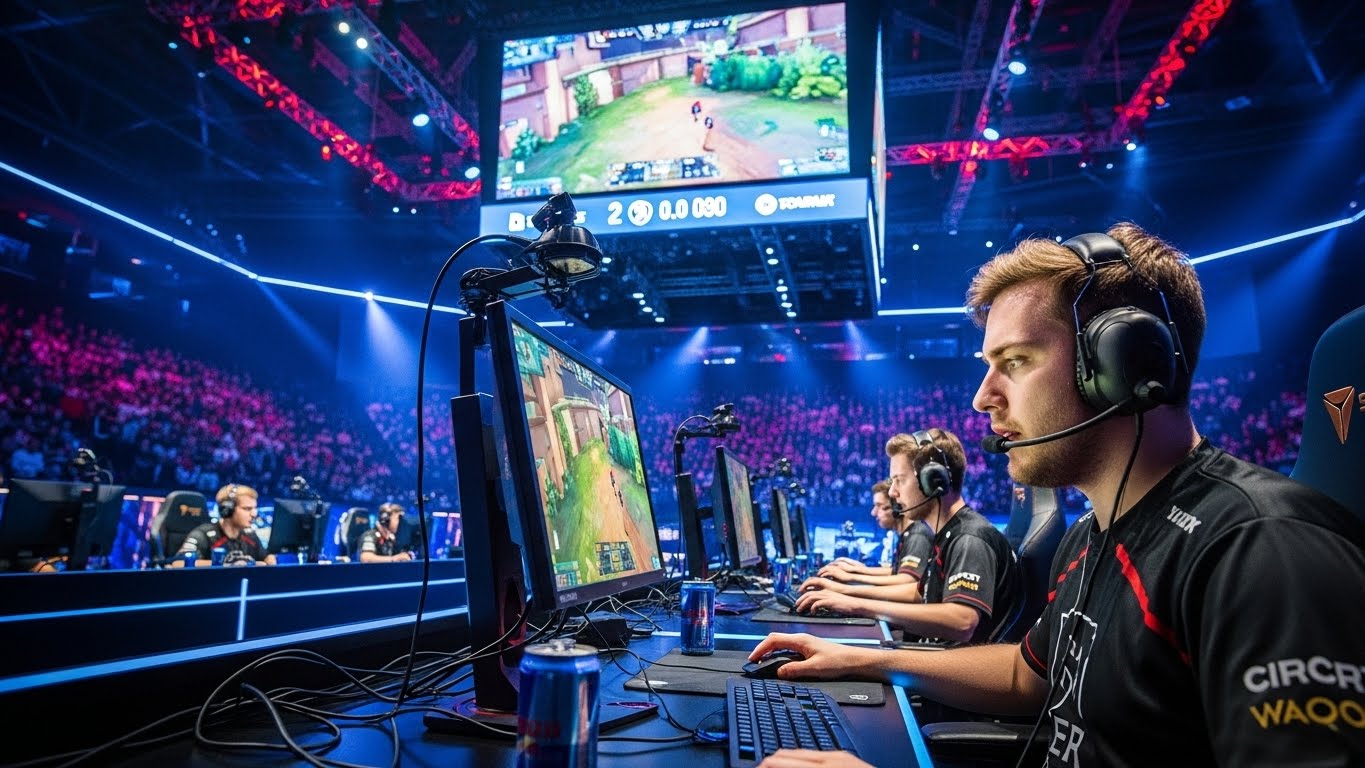
In the last decade, eSports has transitioned from a niche hobby to a multi-billion-dollar global phenomenon. What once started as casual competitions among friends has now evolved into a thriving industry, attracting millions of viewers, professional players, and high-profile sponsors. With tournaments filling massive stadiums and online streams pulling in millions of viewers worldwide, eSports is no longer just a trend but a cornerstone of modern entertainment. This blog will explore the rise of eSports, its cultural significance, economic impact, and the future of competitive gaming.
What is eSports?
At its core, eSports refers to competitive video gaming, where players, individually or in teams, compete in various video game genres for rewards, recognition, and prestige. Unlike traditional sports, eSports is entirely digital, but it shares many similarities, such as the need for skill, strategy, teamwork, and a relentless drive to win. While some people may still think of gaming as a recreational activity, eSports represents a serious and professional avenue for gamers to showcase their skills and compete on the world stage.
The games featured in eSports tournaments cover a broad range of genres, including real-time strategy (RTS), first-person shooters (FPS), multiplayer online battle arena (MOBA) games, and battle royale formats. Popular titles like League of Legends, Dota 2, Counter-Strike: Global Offensive, and Fortnite dominate the competitive scene, each attracting large audiences and offering significant prize pools.
The Growth of eSports: From Casual to Professional
The roots of competitive gaming can be traced back to the 1990s, when early games like Quake and StarCraft saw players compete in local and online tournaments. However, it wasn’t until the mid-2000s that eSports truly began to take shape. This period saw the emergence of organized leagues, tournaments, and gaming communities, which laid the foundation for the industry’s growth.
One of the key turning points in the evolution of eSports was the introduction of major tournaments with substantial prize pools. The launch of League of Legends in 2009 by Riot Games played a pivotal role in propelling eSports into the mainstream. The game’s professional league, the League of Legends Championship Series (LCS), became one of the first to establish a structured, professional competitive environment.
As digital platforms like Twitch and YouTube gained popularity, eSports reached new heights. These platforms allowed fans to watch live streams of tournaments, interact with players and commentators, and immerse themselves in the competitive gaming scene. With the increasing accessibility of high-speed internet and the growing popularity of streaming, eSports quickly became a global phenomenon.
The Players: The Athletes Behind the Screens
One of the defining features of eSports is the level of skill and dedication required to succeed. Professional gamers, or eSports athletes, spend countless hours practicing and refining their strategies to perform at the highest level. Just like in traditional sports, being successful in eSports requires mental and physical endurance, quick reflexes, exceptional hand-eye coordination, and the ability to work seamlessly with teammates.
Unlike traditional athletes who train for physical competitions, eSports athletes focus on mental and cognitive performance. The constant need to analyze game scenarios, develop strategies, and react swiftly to in-game events makes eSports incredibly challenging. Professional gamers often practice for several hours a day, perfecting their skills and studying gameplay to understand the strengths and weaknesses of both their opponents and their own playstyle.
eSports athletes, like their counterparts in traditional sports, also have coaches, analysts, and support teams to help them improve. Coaching has become a critical aspect of professional eSports, as experts assist players with strategy, in-game decision-making, and psychological preparation. The mental and emotional toll of being an elite player can be significant, leading to a greater focus on player health and well-being within the industry.
The Audience: A Global Fanbase
One of the most remarkable aspects of eSports is its massive and passionate fanbase. What began as a niche hobby has grown into a global entertainment spectacle, attracting millions of viewers. Major tournaments like The International (Dota 2), League of Legends World Championship, and Fortnite World Cup consistently draw huge live audiences and millions of online viewers from around the world.
Tournaments are now streamed on platforms like Twitch, YouTube, and Facebook Gaming, providing fans with real-time access to their favorite games and players. These platforms not only allow fans to watch the action unfold but also offer them the opportunity to engage with the community, comment on plays, and follow their favorite teams and players. The sense of community and interactivity has helped eSports become more than just a spectator sport—it’s a shared experience for fans who are just as invested in the outcome of the competition as the players themselves.
The rise of eSports has also brought new forms of fan interaction, such as virtual merchandise, fan voting, and online tournaments. Fans are not only consumers of content but are active participants in shaping the eSports landscape. This strong sense of community has allowed eSports to flourish, with fanbases that are incredibly loyal and dedicated.
The Economic Impact of eSports
The financial success of eSports is undeniable. In 2021, the global eSports market was valued at over $1 billion, with projections of continued growth in the coming years. This rapid expansion has made eSports one of the most lucrative industries in the entertainment world.
The primary sources of revenue in eSports come from sponsorships, advertising, media rights, and prize money. Major corporations such as Intel, Samsung, and Coca-Cola have partnered with eSports organizations to sponsor tournaments and teams, providing significant funding for the industry. These sponsorships not only support the players and teams but also help eSports gain legitimacy as a professional enterprise.
Additionally, eSports has become a key player in the broader digital entertainment ecosystem. The popularity of live-streaming platforms, where fans can watch tournaments, has opened up new opportunities for content creators and broadcasters. Major media outlets, including ESPN, have recognized the growing importance of eSports and have begun airing competitive gaming events, further legitimizing the industry in the eyes of the mainstream.
Prize pools in eSports have grown to impressive levels, with some tournaments offering millions of dollars in rewards. The International 2021, for example, featured a prize pool of over $40 million, the largest in eSports history. This kind of financial backing has attracted top-tier players from around the world, eager to compete for their share of the prize money.
Challenges and Criticisms of eSports
While eSports has seen tremendous growth, it is not without its challenges and criticisms. One of the primary concerns is the issue of player burnout. The intense schedules and mental demands of professional gaming can take a toll on players, leading to physical and mental fatigue. Additionally, eSports players often start their careers at a young age, and the pressure to perform can lead to early retirements or mental health struggles.
Another criticism of eSports is the lack of regulation compared to traditional sports. While many eSports tournaments follow strict rules, the lack of a unified governing body means that the standards for competition, player contracts, and tournament organization can vary widely. Match-fixing, cheating, and doping are also concerns in the industry, as the competitive nature of eSports can tempt some individuals to take shortcuts.
Gender representation is another area where eSports has faced scrutiny. While there have been some improvements, the industry remains predominantly male, and female players often face discrimination and harassment. However, there are growing efforts to create more inclusive spaces for women in eSports, and initiatives to promote diversity within the industry are becoming more widespread.
The Future of eSports
The future of eSports looks bright, with continued growth expected in both viewership and revenue. The integration of virtual reality (VR) and augmented reality (AR) into eSports is likely to revolutionize the way competitions are experienced, providing even more immersive and interactive experiences for both players and fans.
The increasing involvement of traditional sports organizations in eSports is another indicator of its growing influence. Many professional sports teams and leagues, such as the NBA and NFL, are now investing in eSports, either by sponsoring events or creating their own eSports teams. This cross-industry collaboration will likely lead to greater mainstream acceptance of eSports and a more robust ecosystem for players and fans alike.
Mobile gaming is also set to play a significant role in the future of eSports. With the rise of mobile gaming titles like PUBG Mobile and Clash Royale, eSports will continue to diversify its offerings and attract even broader audiences.
As eSports continues to grow and evolve, it has the potential to become a major form of entertainment, rivaling traditional sports in terms of global viewership, sponsorship, and cultural influence.
Conclusion
eSports has come a long way from its humble beginnings. What was once considered a niche activity is now a major global industry, with millions of fans, professional players, and sponsors supporting its growth. While the industry faces its fair share of challenges, including burnout, regulation, and diversity issues, the future of eSports looks incredibly promising.
With its ability to bring people together, create new career opportunities, and provide a platform for gamers to showcase their skills, eSports has firmly established itself as a cornerstone of digital entertainment. Whether you’re a hardcore fan, a casual viewer, or someone interested in the business side of gaming, eSports is a phenomenon that is here to stay—and it’s only getting bigger.