Introduction
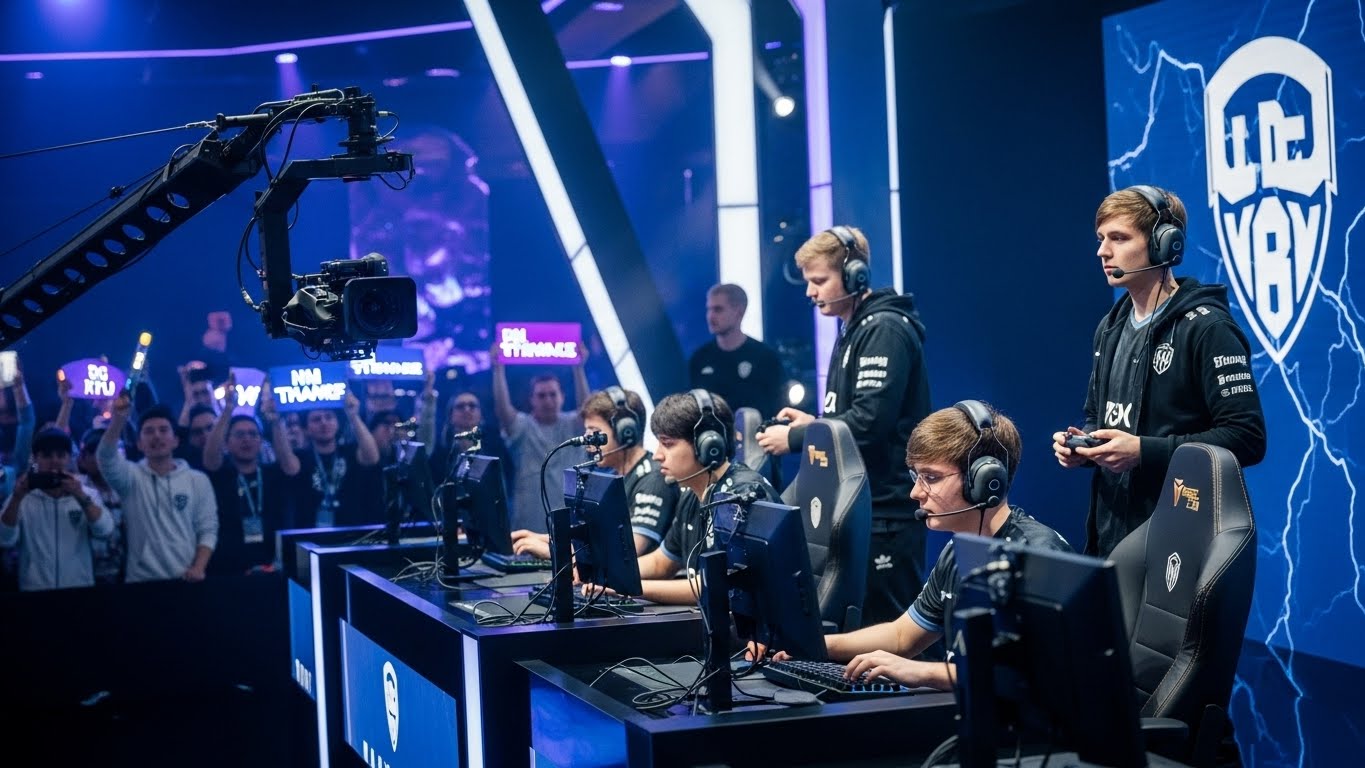
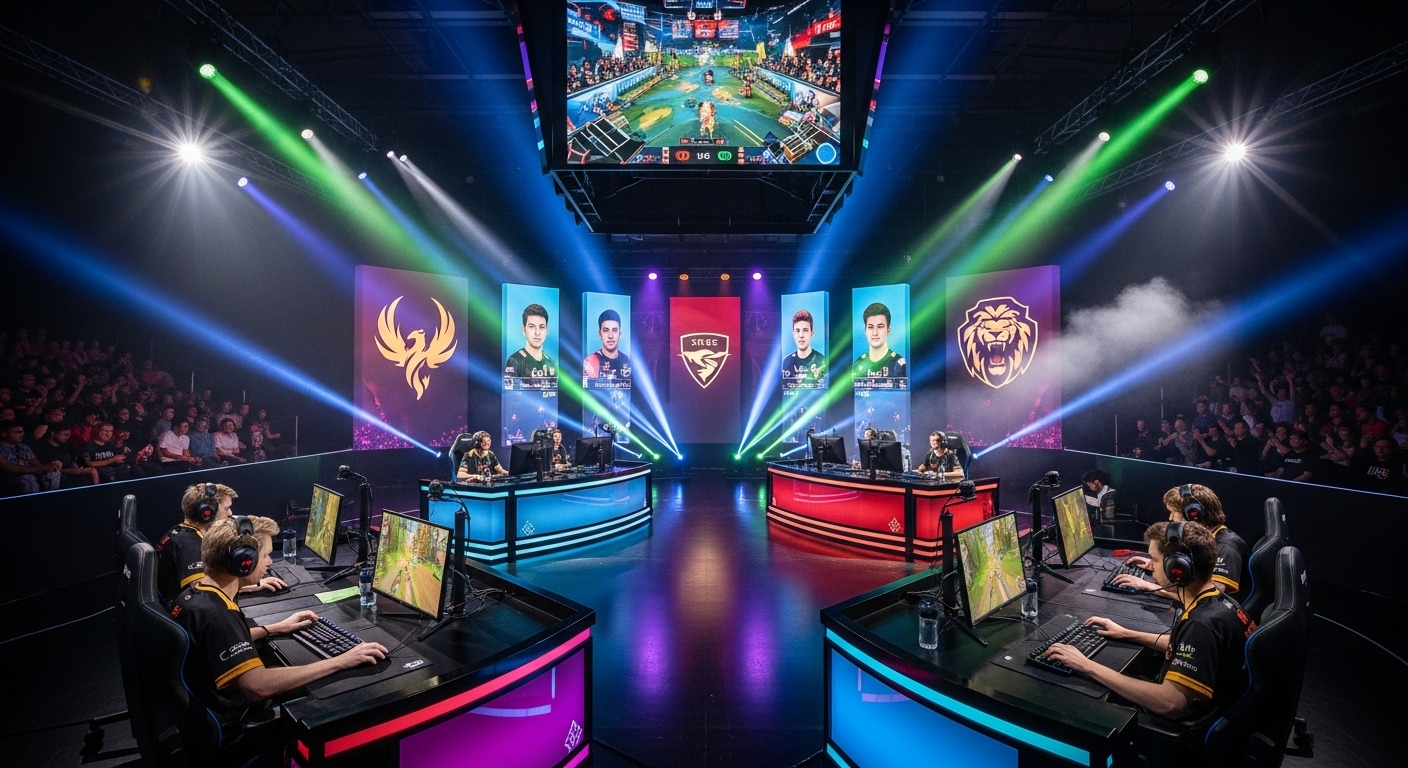
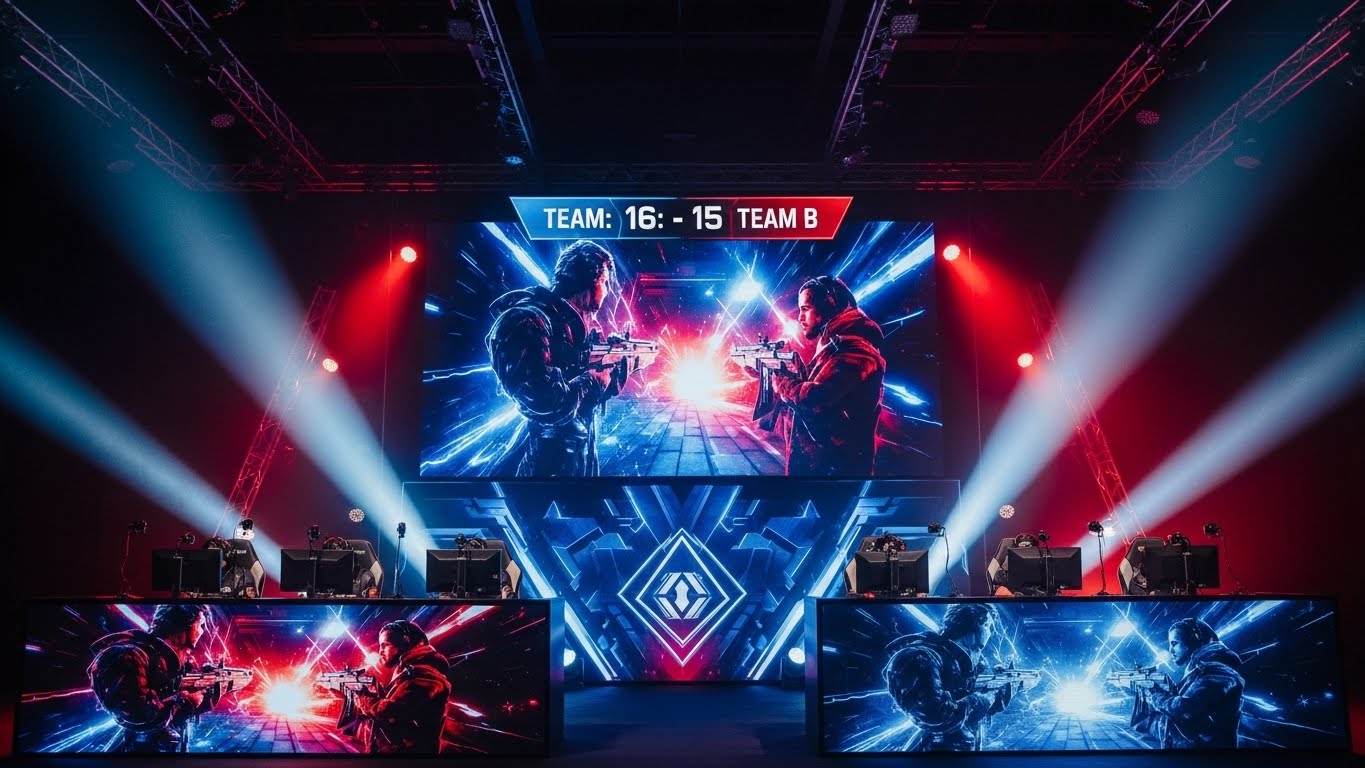
Esports, or electronic sports, has rapidly evolved into a multi-billion-dollar industry, transforming competitive gaming into a global cultural phenomenon. What once was considered a niche hobby enjoyed by gamers has now become a legitimate and highly professionalized sector of the entertainment industry. From massive tournaments with millions of viewers to global sponsorships and partnerships, esports is a dominant force in the entertainment world today. This post delves into the rise of esports, its impact on society and culture, the business and economic opportunities it offers, and where it’s headed in the future.
The Origins of Competitive Gaming
Esports may seem like a recent development, but its origins date back to the early days of gaming. The concept of competition in gaming started in the 1970s and 1980s, when arcade machines became popular in public spaces. Early arcade games such as Space Invaders and Pac-Man saw players competing for high scores. These competitions, although informal, laid the groundwork for the competitive spirit that would eventually evolve into the formalized esports scene we know today.
In the 1990s, the advent of home computers and the rise of the internet gave birth to the idea of online multiplayer games. Titles such as Quake and StarCraft allowed players to battle each other over the internet, sparking the first wave of online competitions. These early online gaming events were small, but they created a foundation for what would eventually become the esports ecosystem.
The Explosion of Esports as a Spectator Sport
While competitive gaming had existed for years, it wasn’t until the 2000s that esports began to truly explode in terms of both popularity and organization. Games like Warcraft III, Dota, and Counter-Strike created massive communities of players who participated in online leagues and tournaments. However, it wasn’t just the players who were drawn to these events – fans started to take notice as well.
Esports became a spectator sport with the advent of streaming platforms like Twitch and YouTube. These platforms allowed fans to watch their favorite players and teams compete live from the comfort of their homes. Watching esports matches live soon became as engaging as watching traditional sports events. Competitive gaming was no longer just a niche activity enjoyed by players; it had become a global entertainment spectacle.
The transition from being a behind-the-scenes hobby to a spectator-driven event was one of the key milestones in the rise of esports. With high-quality broadcasting, commentary, and production, esports tournaments gained significant attention, attracting millions of viewers globally.
Popular Games and Their Impact on the Industry
The rise of esports has been closely tied to the success of certain games that have transcended their original formats to become global phenomena. Some of the most iconic titles include League of Legends, Dota 2, Counter-Strike: Global Offensive, Overwatch, and Fortnite. These games have not only changed the landscape of gaming but have also contributed to the mainstream acceptance of esports.
League of Legends (LoL), developed by Riot Games, revolutionized the esports scene by creating a highly competitive, team-based game with strategic depth. LoL’s regular tournaments, such as the World Championship, draw millions of viewers annually, with prize pools exceeding tens of millions of dollars.
Similarly, Dota 2, developed by Valve Corporation, is known for its massive prize pools, particularly in its flagship event, The International. In 2018, the prize pool for The International exceeded $25 million, a testament to the game’s popularity and the large-scale investment from both fans and sponsors.
Counter-Strike: Global Offensive (CS:GO) is another major pillar of esports, with a thriving professional scene that includes international leagues and tournaments. The game’s strategic depth, skill ceiling, and fast-paced action have kept it relevant for over a decade.
In addition to these long-standing staples, games like Fortnite and Overwatch have brought a new level of excitement and appeal to the esports world. Fortnite, with its free-to-play model and innovative battle royale format, became a cultural sensation, attracting a huge audience, including casual gamers who may not have typically followed esports.
Each of these games has contributed to the growing global interest in esports, attracting millions of fans and players, while fostering the creation of professional teams and leagues. These games are more than just entertainment; they represent entire ecosystems that drive revenue, generate media content, and create communities.
Esports as a Profession
The professionalization of esports is one of the most significant developments in the industry’s history. Professional players, teams, and organizations now operate like traditional sports teams, with management structures, coaches, analysts, and support staff working behind the scenes to ensure success.
Players in the esports industry have the opportunity to make a living by competing at the highest level. Salaries, sponsorships, and tournament prize pools have created a lucrative environment for top-tier players. While the top players earn millions, even mid-level professionals and content creators can generate substantial incomes through sponsorships, streaming, and merchandising.
In addition to players, esports organizations now employ a wide range of professionals. Coaches, analysts, and performance trainers help players improve their game, while event organizers, broadcasters, and marketing teams promote and manage tournaments. Esports has given rise to a new breed of jobs that didn’t exist a decade ago, contributing to the expansion of the global economy.
The Role of Streaming and Content Creation
Streaming platforms like Twitch and YouTube have played a pivotal role in the rise of esports. These platforms allow players to broadcast their gameplay, interact with fans, and build their personal brands. For many, streaming is a full-time career, and some of the most popular streamers in the world earn millions annually through subscriptions, donations, and sponsorships.
Content creation has become a key aspect of the esports ecosystem, with streamers and YouTubers creating everything from tutorial videos to funny moments, to match analyses. As esports continues to grow, these content creators help to expand the fan base by making the sport more accessible and engaging for casual viewers.
Furthermore, live-streaming allows esports to remain relevant to fans worldwide, breaking down geographical barriers and fostering a sense of community among global audiences. Fans don’t just watch the games; they engage with the players and interact with the community through chats, social media, and fan forums.
Esports and Its Cultural Impact
Esports has become more than just a form of entertainment; it is now a powerful cultural movement. With its huge global following, esports has influenced everything from fashion and music to social media and digital content. Top players and teams have developed their own fanbases, much like athletes in traditional sports.
The rise of esports has also contributed to the normalization of gaming as a hobby for people of all ages. It has helped combat the stereotype that gaming is solely for young people or “nerds.” Today, players and fans from all walks of life participate in esports, from teenagers to adults in their thirties and beyond.
Additionally, esports has inspired a new wave of online communities, where fans connect, share content, and support their favorite players and teams. Platforms like Reddit, Discord, and Twitter are filled with discussions and fan interactions, contributing to the sense of belonging within the esports world.
The Economic Power of Esports
Esports is now a billion-dollar industry, and its economic impact is growing year after year. Revenue streams in esports include advertising, sponsorships, media rights, ticket sales, and merchandise. Global brands such as Coca-Cola, Nike, and Intel are heavily invested in esports sponsorships, while streaming platforms like Twitch and YouTube make millions from broadcasting esports events.
Tournaments like The International (Dota 2) and the League of Legends World Championship draw millions of viewers and generate significant advertising revenue. In 2020, the global esports market was estimated to be worth around $1.1 billion, and projections suggest that this number will continue to grow in the coming years.
Esports has also stimulated local economies by hosting large-scale events in major cities. These events attract tourists, increase revenue for local businesses, and generate international attention for the host cities.
Challenges Facing Esports
Despite its rapid growth, esports faces several challenges. One of the biggest concerns is player burnout. Due to the high-intensity nature of the industry, many professional players struggle with mental and physical exhaustion, leading to early retirements and a lack of career longevity.
Another challenge is the lack of regulation across different regions and games. As esports grows, establishing standardized rules and regulations becomes increasingly important to ensure fairness and consistency.
Finally, issues like cheating, match-fixing, and online toxicity remain prevalent in the esports community. Addressing these concerns is essential for maintaining the integrity of esports as a legitimate, professional industry.
The Future of Esports
The future of esports looks incredibly promising. As technology continues to advance, esports will likely become even more immersive, with the potential for virtual reality and augmented reality experiences. New game genres and formats will continue to emerge, providing fresh content for players and fans.
The integration of esports with traditional sports will also likely continue, as more professional sports leagues, such as the NBA and NFL, invest in esports teams and events. The growth of mobile gaming and the rise of casual gaming will also create new opportunities for esports to expand further into the mainstream.
Esports is poised to become a permanent fixture of global entertainment, shaping how we think about competition, entertainment, and digital culture for decades to come.
Conclusion
Esports has undeniably transformed from a niche activity into a global industry with significant cultural, economic, and professional impact. From its humble beginnings in arcades and early online tournaments to the multi-billion-dollar ecosystem we see today, esports has reshaped the way we view gaming.