Introduction: Esports as a Modern Phenomenon
The world of competitive gaming, commonly known as esports, has transformed dramatically in the past two decades. What was once considered a niche hobby has become a global industry that rivals traditional sports in popularity, prize money, and fan engagement. From teenagers streaming their gameplay online to professional athletes competing in massive stadiums, esports has carved a unique space in entertainment and culture. Its rapid rise has been fueled by technology, community, and the evolution of video games into highly competitive platforms. Understanding esports today means examining its history, economic impact, cultural influence, and the future potential it holds.
The Origins of Competitive Gaming
Esports has deep roots in the early days of video gaming. Competitive tournaments date back to the late 1970s and early 1980s, with arcade games like Space Invaders and Pac-Man drawing enthusiasts to local competitions. However, the concept of esports as an organized, professional activity began in the 1990s with games such as StarCraft, Counter-Strike, and Quake. These games were ideal for competitive play due to their strategic depth and emphasis on skill.
The rise of the internet in the late 1990s and early 2000s accelerated esports growth. Players could now compete online with people from around the world, allowing communities to form and share strategies. Forums, fan sites, and online leagues emerged, laying the foundation for a connected global esports ecosystem. The increasing accessibility of competitive gaming set the stage for professional leagues and large-scale tournaments.
Professional Players: The New Athletes
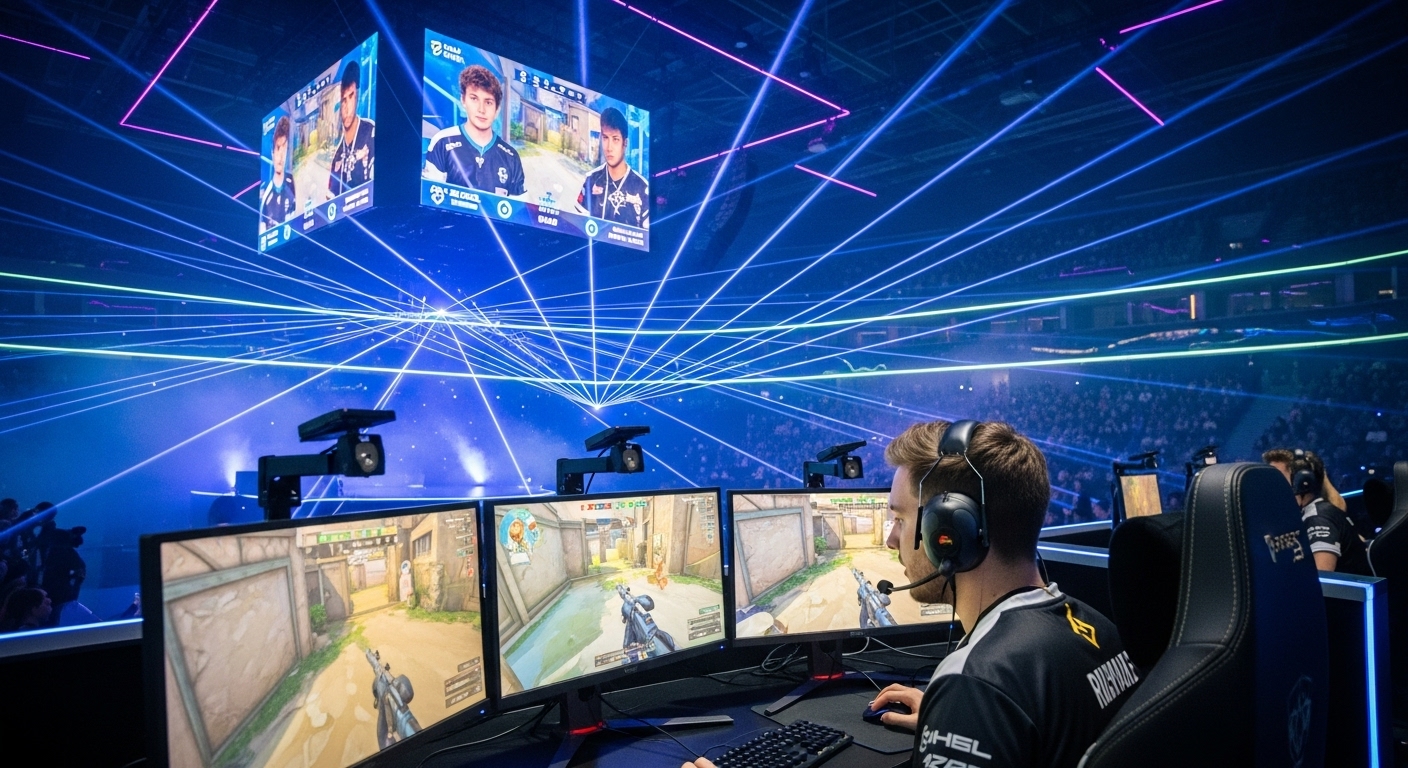
Contrary to the outdated stereotype of gamers as casual hobbyists, professional esports players train intensely, often dedicating eight to twelve hours per day to practice and strategy. They develop hand-eye coordination, reflexes, and in-depth knowledge of game mechanics. Many teams employ coaches, analysts, nutritionists, and mental health specialists to optimize player performance.
Esports professionals are required to master teamwork, communication, and adaptability under pressure. Like traditional athletes, their careers can be short-lived due to stress, burnout, or changes in game meta. However, those who achieve success can earn significant prize money, sponsorship deals, and recognition on a global scale. The dedication and discipline of these players have helped legitimize esports as a professional field, with a level of skill comparable to conventional sports.
The Role of Streaming Platforms in Growth
Streaming platforms have been instrumental in bringing esports into the mainstream. Services that allow players to broadcast gameplay live provide fans with direct access to competitive matches, casual play, and personal interactions with their favorite players. This visibility has expanded the reach of esports beyond tournament arenas and traditional media coverage.
Professional players often use streaming to supplement their income, build personal brands, and engage with their fanbase. Streams offer content ranging from high-level competitive gameplay to tutorials, lifestyle content, and behind-the-scenes insights. For fans, streaming creates a sense of participation and community, connecting people from around the globe over shared interests and personalities.
The Economic Power of Esports
Esports has grown into a billion-dollar industry with diverse revenue streams. Sponsorships, merchandise, tournament ticket sales, media rights, and in-game purchases contribute to the financial ecosystem. Brands from energy drinks to technology companies actively invest in esports, recognizing its potential to reach a young and engaged audience.
Game developers also play a crucial role by supporting competitive titles, organizing tournaments, and providing regular updates that keep games fresh and exciting. Professional teams, event organizers, and players rely on this infrastructure for sustainable careers. The economic impact of esports extends beyond gaming, influencing advertising, media, technology, and lifestyle sectors, making it a driving force in the entertainment industry.
Popular Esports Genres
Esports is not confined to a single type of game; it spans a wide range of genres, each with its own competitive ecosystem and fan base.
Multiplayer Online Battle Arenas (MOBAs): These games require strategy, teamwork, and deep knowledge of character abilities. Games like League of Legends and Dota 2 dominate the global esports scene due to their complexity and strategic depth.
First-Person Shooters (FPS): Games like Counter-Strike and Call of Duty emphasize quick reflexes, precision, and team coordination. They attract players and audiences who enjoy fast-paced, high-intensity action.
Battle Royale Games: Titles such as Fortnite and Apex Legends offer unpredictable, last-player-standing gameplay. Their dynamic nature creates dramatic moments that are highly engaging for spectators.
Sports Simulations: Digital versions of traditional sports, like FIFA or NBA 2K, appeal to fans of both real-world and virtual sports. They provide a familiar competitive experience in a digital format.
Fighting Games: These one-on-one competitions emphasize technical skill, timing, and mental strategy. Fighting game communities are known for grassroots tournaments and passionate fan engagement.
This diversity allows esports to attract a broad range of participants and audiences, each drawn to the specific style of competition they enjoy most.
Fan Communities: The Heart of Esports
The success of esports is deeply tied to its fans. Communities form around games, teams, and individual players, creating an environment of collaboration, discussion, and celebration. Online forums, social media, and streaming platforms allow fans to interact, share content, and participate in events even from remote locations.
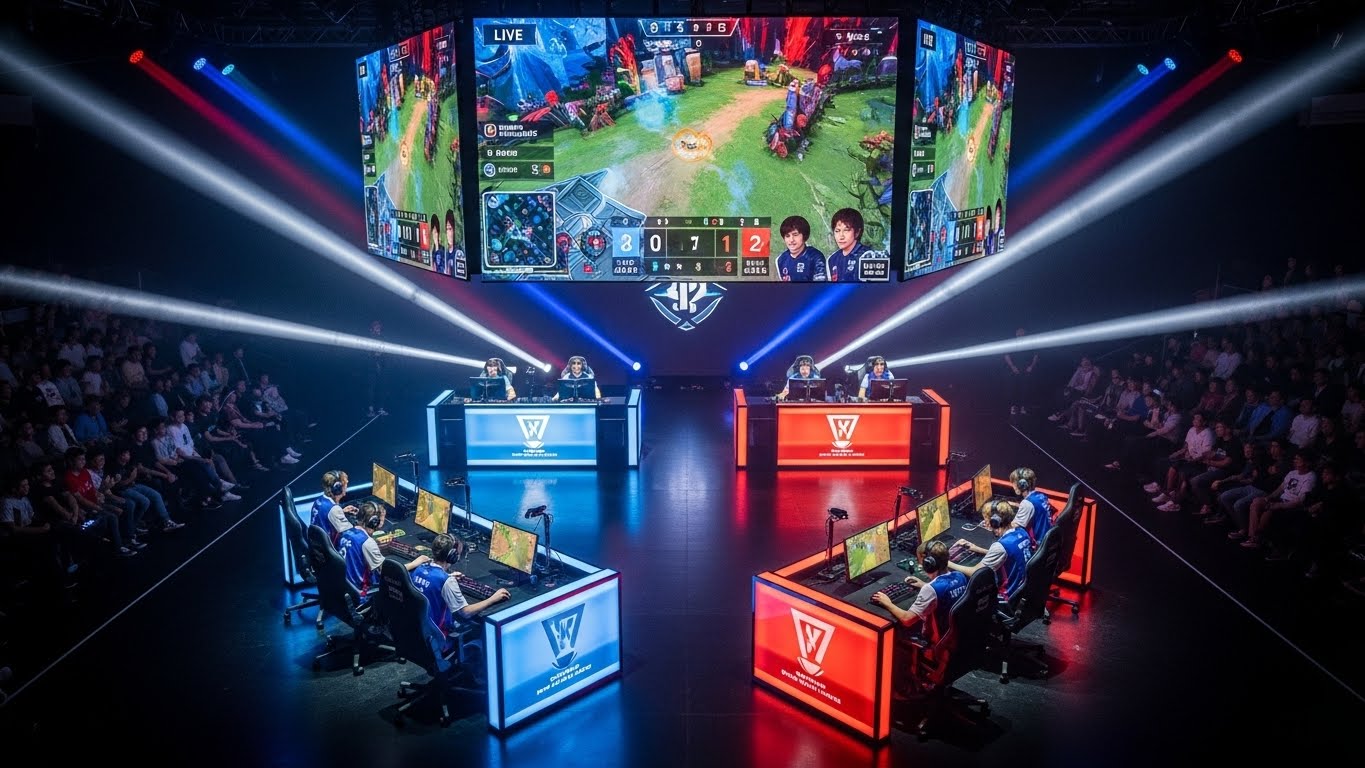
Live tournaments add another layer to the fan experience. Spectators attend events in stadiums or watch online, experiencing the excitement of high-stakes matches in real-time. The combination of accessibility and engagement has helped esports cultivate a loyal and diverse global fanbase that rivals traditional sports in passion and energy.
Globalization of Esports
Esports is a worldwide phenomenon. Asia, particularly South Korea and China, has long been a hub for competitive gaming, with established leagues and large-scale tournaments. North America and Europe have also developed robust esports ecosystems, producing globally recognized teams and players. Latin America, the Middle East, and Africa are emerging markets experiencing rapid growth, fueled by increasing internet access and regional competitions.
International tournaments bring together teams from multiple continents, fostering cross-cultural competition and collaboration. This global dimension highlights esports’ universal appeal and its ability to bridge cultural and geographic boundaries.
The Future of Esports
The future of esports looks promising and innovative. Emerging technologies such as virtual reality, augmented reality, and cloud gaming will expand how players compete and how fans engage. Esports may become more immersive, allowing spectators to experience matches from new perspectives.
Educational institutions are beginning to embrace esports, offering scholarships, structured programs, and organized competitions. This legitimization encourages younger players to pursue professional careers while balancing education, further strengthening the industry’s foundation.
As the industry grows, career opportunities will extend beyond players. Coaches, analysts, event managers, content creators, and marketers all contribute to the esports ecosystem, making it a multifaceted career landscape.
Conclusion: A Cultural and Competitive Revolution
Esports has redefined the concept of competition in the digital age. It combines skill, strategy, and entertainment in ways that traditional sports cannot fully replicate. The dedication of professional players, the support of passionate fan communities, and the involvement of global brands have transformed esports into a legitimate industry with lasting impact.
From its humble origins in arcades to massive international tournaments, esports represents a cultural shift in how people perceive gaming, sports, and digital entertainment. Its influence will continue to grow, shaping careers, communities, and the future of competition in ways that extend far beyond the screen.
Esports is no longer just about playing games; it is about ambition, passion, and global connection. The digital arena has become a stage for talent, strategy, and excitement, and its story is only beginning.