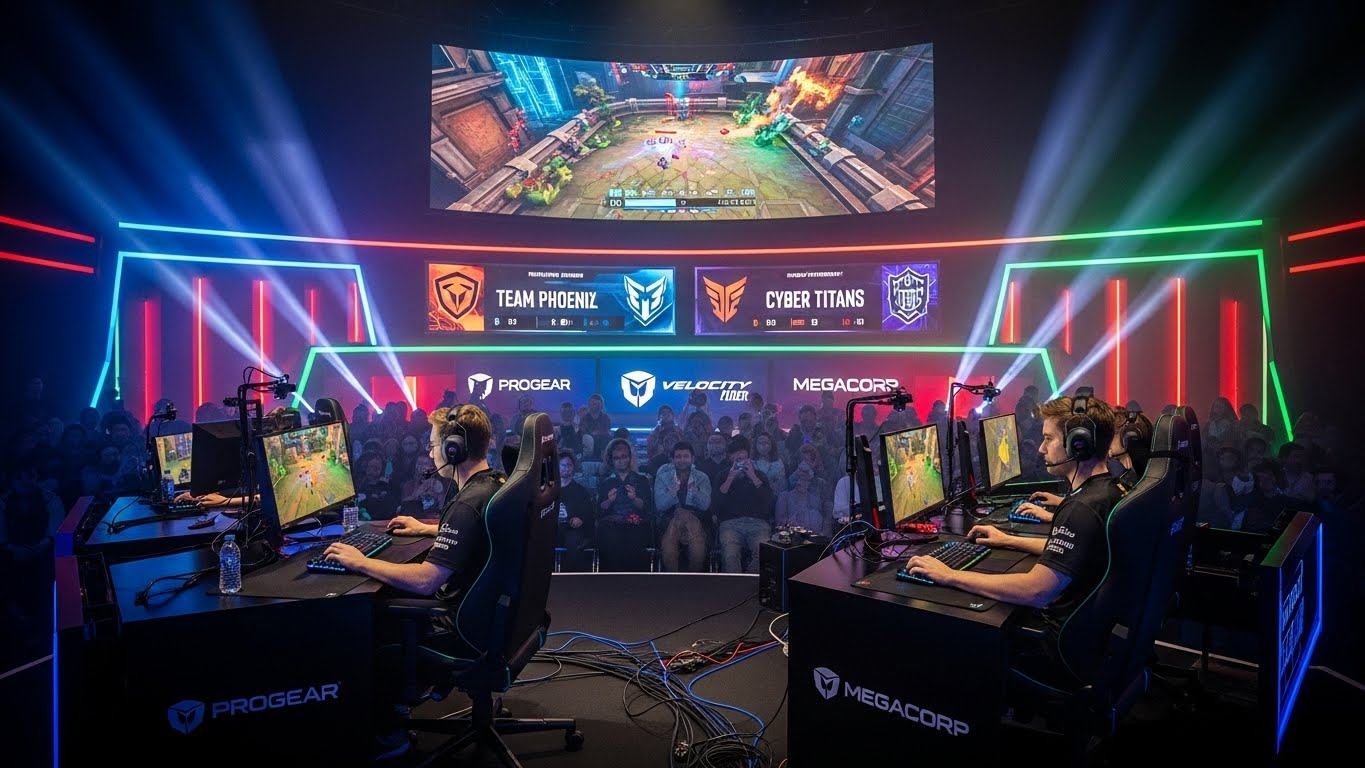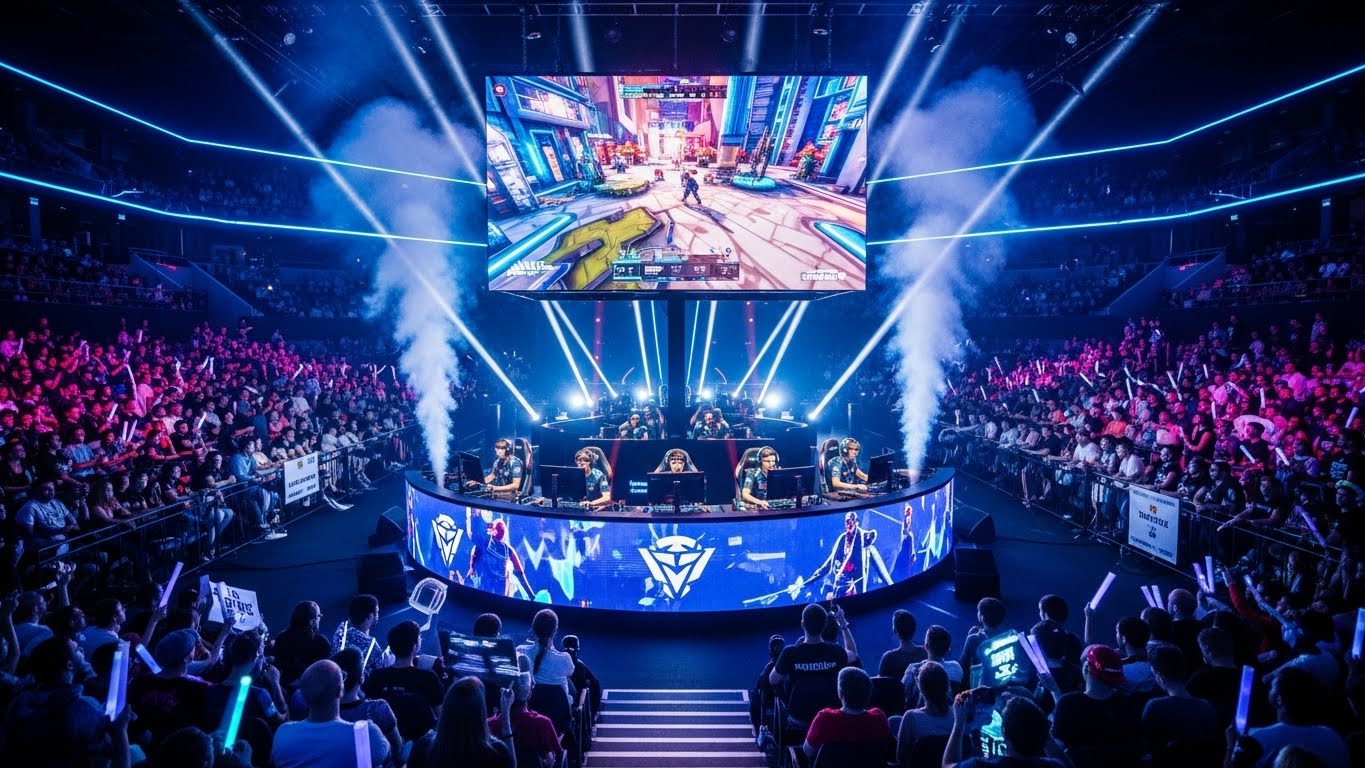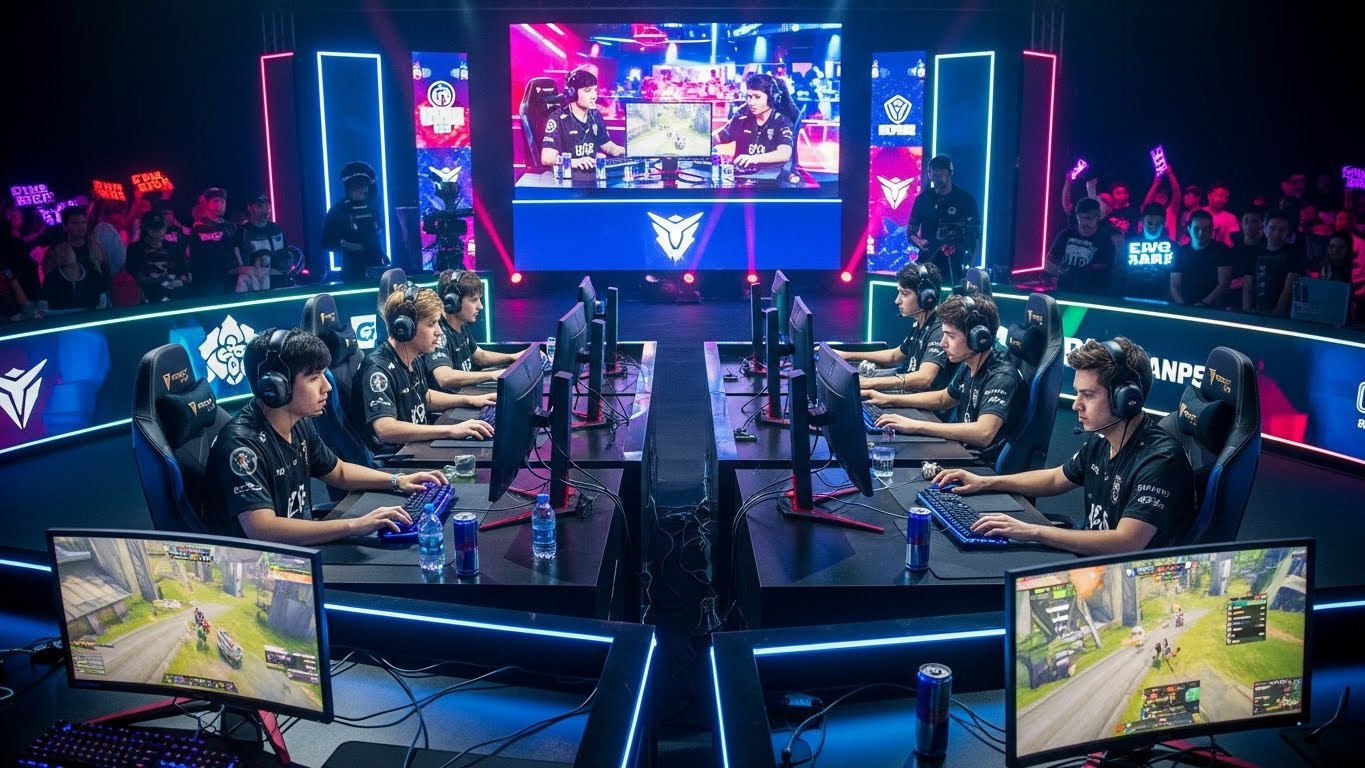
Esports, short for electronic sports, has grown into one of the most prominent and rapidly expanding industries in the world. What once began as a niche hobby for avid gamers has now evolved into a multi-billion-dollar ecosystem encompassing professional competitions, lucrative sponsorships, streaming platforms, and a global fanbase. With millions of viewers, thousands of professional players, and a rapidly growing market, esports has proven that video games are more than just a pastime—they are a global phenomenon. This blog post explores the rise of esports, its impact on the entertainment industry, and the future of competitive gaming.
The Evolution of Esports: From Casual Play to Global Competitions
Esports has come a long way since its humble beginnings in the late 1990s and early 2000s. Initially, competitive gaming was a fringe activity, often limited to LAN (Local Area Network) parties or small, regional tournaments. Early games like Quake and StarCraft helped lay the foundation for the esports scene, but it wasn’t until the late 2000s that the industry began to gain significant traction.
The Early Days of Competitive Gaming
The first major milestones in esports came with the rise of online multiplayer games, which allowed players to compete against each other in real-time over the internet. Titles like Warcraft III, Counter-Strike, and League of Legends played pivotal roles in shaping the competitive gaming landscape. These games not only introduced players to the concept of professional gaming but also sparked the creation of dedicated esports organizations, tournaments, and online streaming platforms.
In the early 2010s, the first significant esports leagues emerged, including the League of Legends World Championship and The International for Dota 2. These tournaments attracted large audiences and offered hefty prize pools, signaling to both players and investors that esports had the potential to be a legitimate career.
The Rise of Streaming Platforms and the Global Fanbase
One of the key drivers behind the rapid growth of esports has been the rise of streaming platforms, particularly Twitch. Launched in 2011, Twitch allowed gamers to stream their gameplay live to a global audience, creating a new form of entertainment that blurred the lines between player and spectator. As more players began streaming their matches, esports grew in popularity, and the esports ecosystem began to expand beyond traditional tournaments.
Platforms like YouTube Gaming, Facebook Gaming, and Trovo followed suit, offering even more opportunities for players and fans to engage with esports. As a result, esports became a truly global phenomenon, with tournaments drawing millions of viewers from around the world.
The Business of Esports: Sponsorships, Merchandising, and Broadcasting Deals
As esports began to grow in popularity, so did its commercial potential. Companies and brands from outside the gaming industry recognized the value of associating with competitive gaming and started investing in sponsorships, partnerships, and advertising. Major brands such as Coca-Cola, Intel, and Red Bull have all become heavily involved in esports, sponsoring tournaments and players, and even creating branded content targeted at esports fans.
Sponsorships and Partnerships
Sponsorships are one of the main revenue streams for esports organizations and players. Top-tier esports teams often sign lucrative deals with companies that want to advertise their products to the gaming community. These partnerships go beyond just logo placement on jerseys—brands are deeply involved in creating content, hosting events, and supporting players in their journeys.
The sponsorship market within esports is diverse, ranging from technology companies like Nvidia and Razer to beverage companies like Monster Energy and G Fuel. The high level of engagement and loyalty from esports fans makes this an attractive marketing opportunity for brands. As esports continues to grow, we can expect even more mainstream companies to join the space.
Merchandising and Team Branding
Esports teams have embraced merchandising as a vital revenue stream. Just like traditional sports teams, esports organizations sell branded apparel, accessories, and other merchandise to their fanbase. Jerseys, hoodies, and caps featuring the logos and colors of top esports teams are highly coveted by fans, often becoming symbols of identity and support.
Moreover, esports teams have started to develop their own unique brands, which extend beyond the game itself. Some teams, like Cloud9, Team Liquid, and T1, have become recognized names not only for their competitive prowess but also for their community engagement and lifestyle brand. This branding has enabled esports teams to build loyal followings, further boosting the commercial side of the industry.
Broadcasting and Media Rights
As esports continues to gain mainstream attention, broadcasting and media rights have become a significant source of income. Major platforms like ESPN, BBC, and Turner Sports have started airing esports events, while streaming platforms like Twitch, YouTube Gaming, and Facebook Gaming have become the primary channels for fans to watch competitions.
The lucrative media rights deals allow esports leagues and tournament organizers to monetize their content in a way that mirrors traditional sports. These partnerships have not only helped increase the visibility of esports but also provided teams and players with greater financial security. Broadcast deals are expected to continue growing as esports become an even more integral part of global sports and entertainment.
Esports as a Career: The Life of a Professional Gamer
For many aspiring gamers, esports has gone from a hobby to a legitimate career. Professional gamers now have the opportunity to make a living through tournament winnings, sponsorships, streaming, and content creation. But the path to becoming a professional gamer is not as easy as it may seem.
The Path to Professional Gaming
Becoming a professional gamer requires a combination of talent, dedication, and resilience. The road is incredibly competitive, as players must constantly practice, refine their skills, and compete at the highest level to earn a spot on a top-tier esports team. For many players, this journey begins at the grassroots level, competing in local tournaments and developing a reputation within the community.
Top-tier games like League of Legends, Counter-Strike: Global Offensive, Dota 2, and Fortnite have professional leagues with recruitment systems where the best players are scouted by major teams. These players often live and train together, much like traditional athletes, with regular practice schedules and coaching to hone their skills.
Earning a Living Through Esports
The financial rewards of professional gaming are significant, particularly for players who compete in major tournaments. Prize pools for tournaments like The International for Dota 2 and Fortnite’s World Cup have reached millions of dollars. Winning a major tournament can result in a life-changing payout, but players also earn income through sponsorships, merchandise sales, and streaming.
However, not every player reaches the upper echelons of professional gaming. The competition is fierce, and only a select few make it to the highest level. For many aspiring gamers, the dream is to land a spot on a professional team or to make a living as a streamer. The rise of platforms like Twitch has made this more feasible than ever, with top streamers making a substantial income through subscriptions, donations, and ad revenue.
The Challenges of Being a Professional Gamer
While the rewards can be great, the life of a professional gamer also comes with its own set of challenges. Intense practice schedules, physical strain, mental fatigue, and the constant pressure to perform at the highest level can take a toll on players. Many professional gamers retire at a relatively young age, often in their mid-20s, as the demands of competitive gaming become too much to handle.
Additionally, the lack of a traditional career path can be daunting for players who retire or transition out of the competitive scene. Many esports organizations are now focusing on offering career development opportunities to players, including coaching, content creation, and management positions within the industry.
The Global Impact of Esports: Building Communities and Fostering Inclusion
Esports has not only transformed the gaming industry but has also had a profound impact on communities worldwide. The global nature of competitive gaming allows people from different cultures, backgrounds, and countries to come together through their shared love of video games.
Building Communities
One of the most significant contributions of esports is the sense of community it has built among players and fans. Esports allows people to connect with others who share similar interests, creating global communities where fans can interact, compete, and celebrate their favorite players and teams. Online platforms and social media have played a crucial role in this process, enabling fans to engage with the esports scene and support their favorite players.
Esports has also proven to be a powerful tool for social inclusion. Many individuals who may have felt marginalized or disconnected from traditional social spaces have found belonging in esports communities. Competitive gaming offers a platform for people to interact, make friends, and showcase their skills, regardless of geographic location, gender, or age.
Promoting Diversity and Equality
In recent years, there has been a push to promote diversity and equality within the esports industry. Organizations are making a concerted effort to increase female representation, support players from underrepresented backgrounds, and create a more inclusive environment for all. Initiatives like women’s leagues, diversity scholarships, and awareness campaigns are helping to address disparities and create a more equitable industry.
Esports has become a catalyst for social change, providing a space for players and fans from all walks of life to come together and showcase their talents.
The Future of Esports: What’s Next?
The future of esports looks incredibly bright. As technology continues to advance, we can expect even more immersive and interactive experiences for players and viewers alike. Virtual reality (VR), augmented reality (AR), and AI-powered gameplay could all play a role in the evolution of esports, offering new ways for fans to experience competitions and for players to enhance their skills.
Furthermore, the expansion of mobile gaming and the growing popularity of mobile esports tournaments indicate that esports will continue to diversify and attract new audiences from all over the world.
Esports is no longer just a hobby; it has become a cultural force that is reshaping the entertainment industry. As more people around the world embrace