Introduction
In the span of a few decades, competitive gaming has transformed from a niche hobby into a global entertainment phenomenon known as esports. What began as small tournaments among friends has evolved into an industry with professional players, multimillion-dollar prize pools, international sponsors, and packed arenas filled with cheering fans. Esports is not merely a pastime anymore; it is a cultural movement that blurs the line between sports, entertainment, and technology.
Today, esports stands shoulder to shoulder with traditional sports in terms of viewership, revenue, and global influence. Its rapid ascent reflects the changing dynamics of how people consume entertainment, interact online, and engage with technology. This blog explores the fascinating journey of esports, tracing its roots, its rise to mainstream popularity, and the vast ecosystem that supports it.
The Origins of Competitive Gaming
The roots of esports stretch back to the early days of video games in the 1970s. The first known video game competition took place in 1972 at Stanford University, where students competed in a game called Spacewar. The prize for the winner was a year’s subscription to Rolling Stone magazine. It was a modest beginning, but it marked the birth of organized competitive gaming.
Throughout the 1980s, arcade gaming played a vital role in shaping early competitive culture. Players competed for high scores in games like Pac-Man, Donkey Kong, and Space Invaders. Leaderboards became the first virtual arenas, where players from different towns could compare their skills indirectly. In 1980, Atari organized the Space Invaders Championship, attracting more than ten thousand participants across the United States. It was a massive event for its time and hinted at the untapped potential of gaming competitions.
The 1990s brought home consoles and personal computers into the mainstream, further fueling the competitive spirit. Games like Street Fighter II and Mortal Kombat turned arcades into battlegrounds for fighting game enthusiasts. At the same time, the rise of local area networks (LAN) made multiplayer PC gaming possible, giving birth to iconic games such as Doom, Quake, and StarCraft. These titles laid the groundwork for modern esports, introducing concepts of clans, strategies, and international competition.
The Dawn of Online Competition
The true revolution in esports came with the advent of online gaming. As internet access became more widespread in the late 1990s and early 2000s, players could compete without being physically present in the same location. This technological leap democratized esports, allowing global participation and making competitive gaming more accessible than ever.
Games like Counter-Strike, StarCraft: Brood War, and Warcraft III became household names in the early online esports scene. South Korea emerged as the epicenter of competitive gaming, largely due to its early investment in high-speed internet and a passionate gaming culture. Televised matches, gaming houses, and sponsorship deals appeared long before the rest of the world caught up. South Korean players achieved celebrity status, inspiring future generations worldwide.
Online tournaments began to flourish, and dedicated esports organizations formed to manage teams and events. The rise of platforms like Battle.net and later Steam made organizing online matches more seamless. What was once an underground activity became a structured, professional pursuit.
The 2000s: The Era of Growth and Organization
The 2000s marked a turning point for esports as it transitioned from a niche pastime into a structured global industry. Major tournaments like the Cyberathlete Professional League (CPL), World Cyber Games (WCG), and Electronic Sports World Cup (ESWC) standardized competitive play. These tournaments offered substantial prize money, international recognition, and sponsorship deals.
During this era, first-person shooters and real-time strategy games dominated the scene. Titles like Counter-Strike, Quake, Warcraft III, and StarCraft II defined the competitive meta. LAN parties evolved into global tournaments broadcast online, drawing thousands of live viewers.
Meanwhile, console gaming also found its competitive footing with franchises like Halo and Call of Duty hosting major tournaments in North America. The formation of Major League Gaming (MLG) in 2002 was particularly significant. MLG provided a professional structure for North American players, similar to what South Korea had established years earlier.
Esports was becoming more than just a hobby; it was an emerging career path. Professional players signed contracts, earned sponsorships, and traveled worldwide to compete. Gaming was finally being recognized as a legitimate form of competitive entertainment.
The Streaming Revolution and the Explosion of Esports
The 2010s brought about a massive transformation in esports, driven by streaming technology. The launch of platforms like Twitch and YouTube Gaming revolutionized how fans consumed esports content. Instead of relying on television broadcasts or event recordings, audiences could now watch live matches from anywhere in the world.
This accessibility helped esports reach millions of new viewers. Major events such as The International (Dota 2), League of Legends World Championship, and the Fortnite World Cup drew online audiences comparable to traditional sports finals. Players who once competed in obscurity became internet celebrities with loyal fanbases.
The streaming revolution also changed the relationship between players and fans. Viewers could directly interact with their favorite streamers, learning from their gameplay or simply enjoying their personalities. This two-way engagement created a new kind of celebrity — one built on accessibility and authenticity rather than distance.
Game developers began to design titles with esports potential in mind. Riot Games, Blizzard, and Valve structured their competitive ecosystems around regular seasons, ranking systems, and massive annual tournaments. The infrastructure surrounding esports matured rapidly, encompassing professional teams, analysts, coaches, commentators, and production crews.
Esports as a Career
The notion of making a living from playing video games was once met with skepticism. Today, esports careers extend far beyond professional gaming. The ecosystem includes coaches, team managers, event organizers, casters, commentators, analysts, and content creators.
Professional players dedicate countless hours to mastering their craft. Training often involves eight to twelve hours of daily practice, team strategy sessions, and mental conditioning. Teams live together in dedicated gaming houses or training facilities designed to optimize performance.
The financial rewards can be immense. Top players earn millions through prize money, sponsorships, and streaming revenue. However, esports careers are often short due to the demanding reflexes and mental endurance required. As a result, many players transition into coaching, commentary, or content creation after retiring from active competition.
Beyond players, there are opportunities for journalists, event hosts, software developers, marketing specialists, and even psychologists specializing in esports performance. The industry’s growth has created an entire professional ecosystem around digital competition.
The Global Esports Ecosystem
Esports is a truly global phenomenon. Asia, particularly South Korea and China, remains a dominant force. In South Korea, esports is a cultural staple, with players enjoying celebrity status and televised matches drawing millions of viewers. China hosts some of the largest tournaments in the world, supported by state sponsorship and massive audiences.
Europe and North America have also built strong esports infrastructures. Organizations like Fnatic, G2 Esports, Team Liquid, and Cloud9 have become household names. Each region has developed its own competitive identity, with different games dominating different territories.
In Latin America, the Middle East, and Africa, esports is on a sharp rise. Increased internet penetration and affordable mobile gaming are fueling growth in these regions. Mobile esports, in particular, have democratized access, with titles like PUBG Mobile, Free Fire, and Mobile Legends creating massive competitive scenes without requiring expensive gaming setups.
The Role of Technology in Esports
Esports owes much of its growth to rapid technological advancement. High-speed internet, powerful gaming hardware, and advanced graphics have made competitive gaming smoother and more immersive. Cloud computing and online platforms have made tournaments accessible to players around the world.
The integration of artificial intelligence has improved matchmaking systems, training tools, and anti-cheat software. Virtual reality and augmented reality are also poised to redefine the spectator experience, potentially allowing fans to watch matches from within the game world itself.
Streaming platforms have become as important as the games themselves. Innovations in broadcasting technology allow for real-time commentary, player statistics, replays, and immersive production quality rivaling traditional sports broadcasts. The viewer experience continues to evolve with each passing year.
Esports and Education
Educational institutions have recognized the potential of esports as both a career and an academic discipline. Universities around the world now offer esports scholarships, much like traditional athletic programs. Students can pursue degrees in esports management, game design, digital media, and event production.
High schools and colleges have started forming their own competitive teams, nurturing young talent and teaching valuable skills such as teamwork, leadership, and strategic thinking. These programs also help to legitimize esports as a structured, respectable pursuit rather than just a recreational activity.
Esports education goes beyond competition. It serves as a gateway to broader careers in technology, media, and digital entertainment. The blending of education and gaming is shaping a new generation of professionals who understand both the creative and business sides of the industry.
The Business of Esports
Behind every successful esports event lies a complex web of business operations. Sponsorships, media rights, merchandise, and advertising drive much of the industry’s revenue. Major brands outside of gaming — from automotive companies to fast-food chains — now invest heavily in esports marketing.
Franchised leagues, such as the Overwatch League and Call of Duty League, introduced a model similar to traditional sports. Teams purchase franchise slots and represent specific cities, building local fanbases and structured competition calendars. This model has helped stabilize the business side of esports, providing consistency and long-term investment potential.
Prize pools have reached unprecedented levels. The International for Dota 2, for example, has awarded prize money exceeding tens of millions of dollars, much of it crowdfunded by the community. This unique funding model showcases the deep engagement between fans and developers.
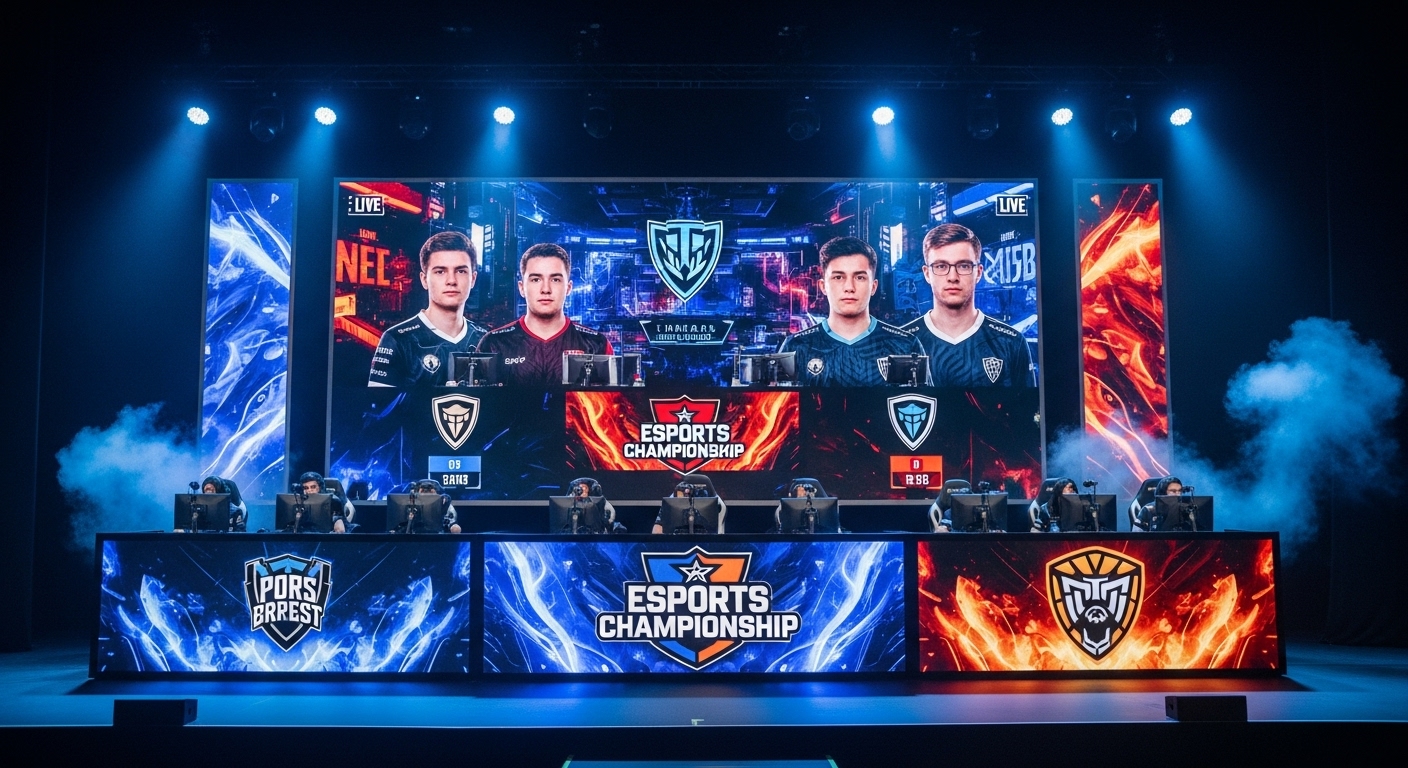
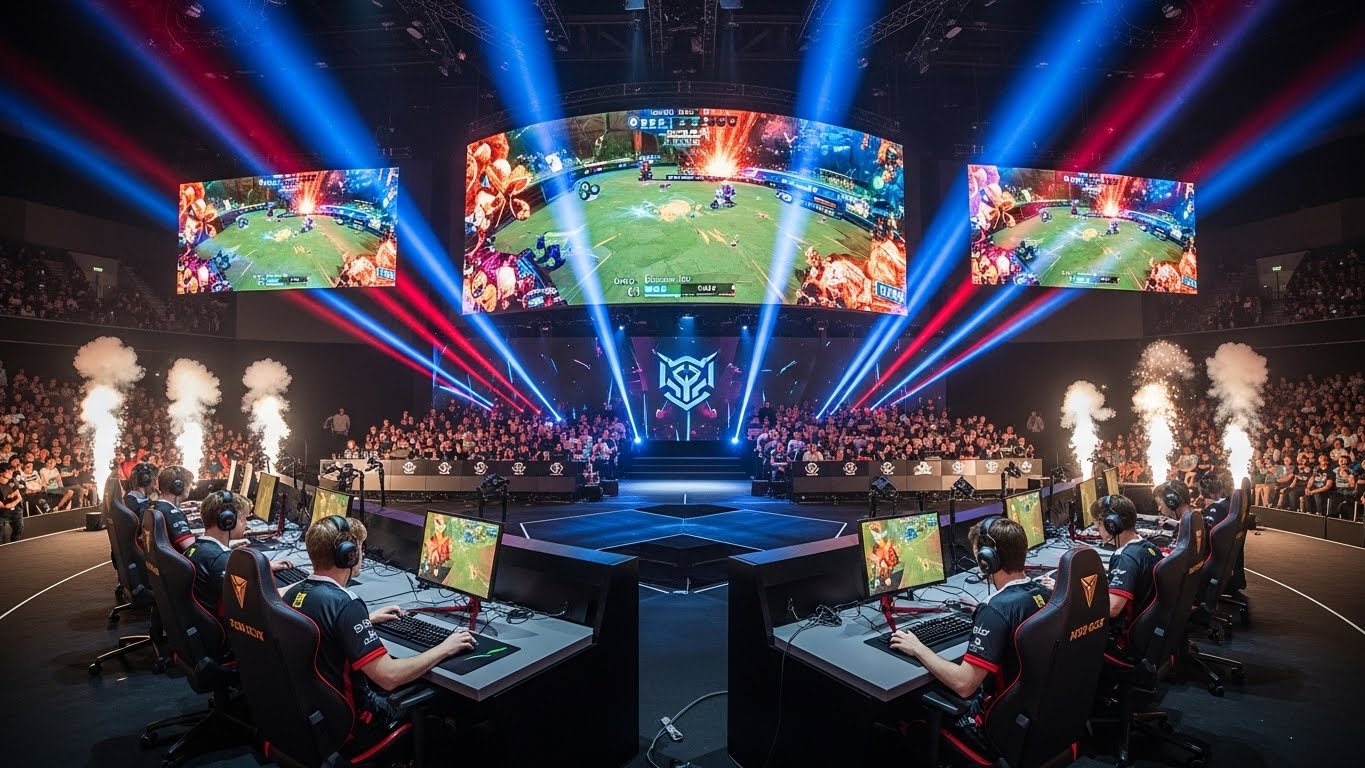
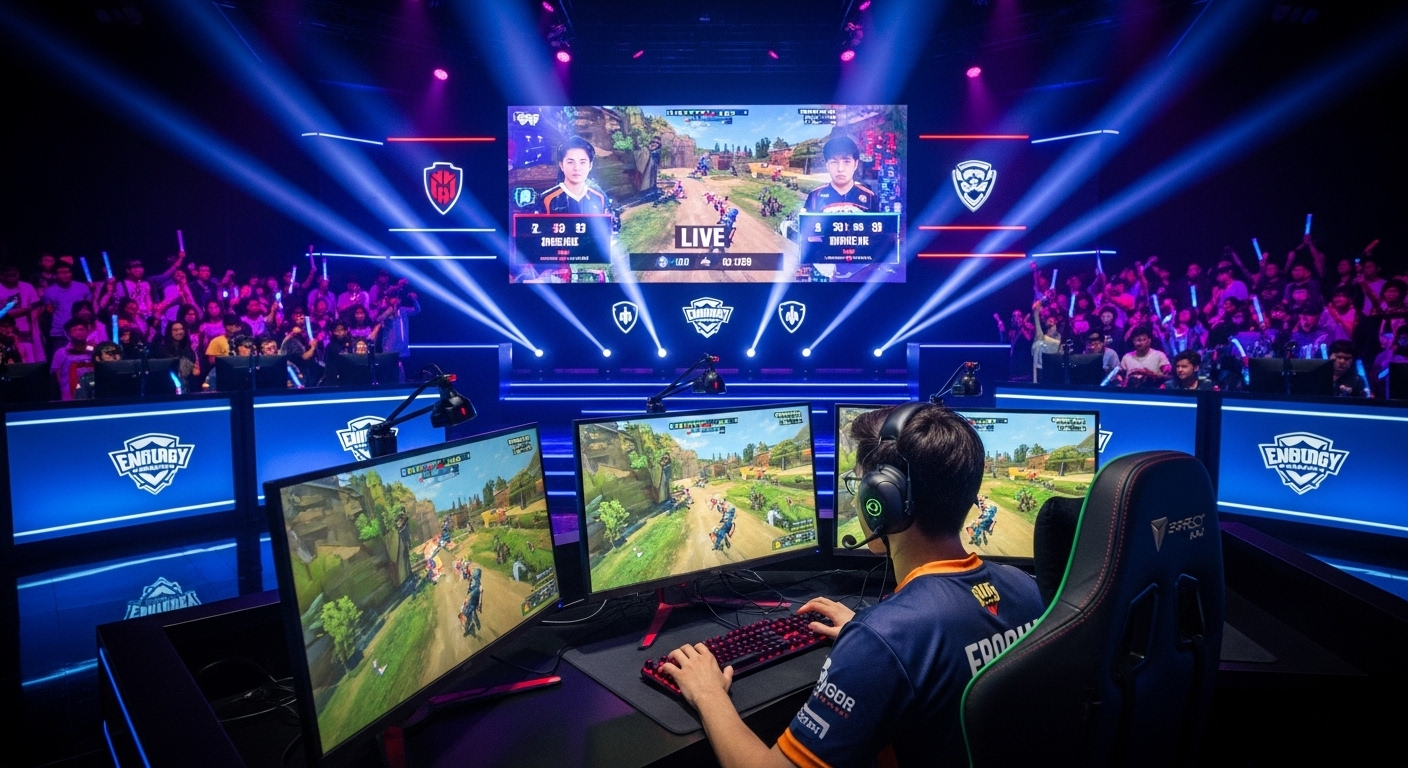
Esports venues have also evolved, with dedicated arenas being built specifically for competitive gaming. These spaces are equipped with advanced lighting, sound, and broadcast systems to deliver unforgettable live experiences.
Esports Culture and Community
Esports is not only about competition; it is about community. The culture surrounding esports is rich and diverse, encompassing fan art, memes, forums, and social media discussions. Fans follow their favorite teams with the same passion seen in traditional sports, creating chants, fan clubs, and even rivalries.
Cosplay, streaming, and fan conventions have become integral to the esports experience. Events like DreamHack and BlizzCon bring together thousands of fans and professionals under one roof, celebrating not only competition but also creativity and shared enthusiasm.
Online communities have also played a vital role in shaping esports culture. Platforms like Discord and Reddit serve as hubs for discussion, strategy sharing, and content creation. The sense of belonging within these communities has been instrumental in the sustained growth of esports.
Challenges and Controversies
Despite its success, esports faces several challenges. One of the most significant issues is player burnout. The intense training schedules and constant pressure can take a toll on physical and mental health. As a result, organizations are investing more in wellness programs and balanced training regimens.
Cheating and match-fixing scandals have occasionally marred esports’ reputation. Developers and organizers continually battle against hackers and unauthorized modifications. The use of performance-enhancing substances to maintain focus and reflexes has also sparked ethical debates.
Another challenge is the lack of standardized regulations across countries and tournaments. Unlike traditional sports governed by established bodies, esports is still developing a consistent framework for fair play, contracts, and player rights.
Gender diversity is another ongoing discussion. While the esports audience is diverse, professional play remains male-dominated. Many initiatives aim to create more inclusive environments, supporting female players and marginalized communities in gaming.
Esports and Traditional Sports
The relationship between esports and traditional sports is evolving from rivalry to collaboration. Initially, many dismissed esports as “not real sports” due to the lack of physical exertion. However, both share key elements: competition, teamwork, strategy, and fan engagement.
Traditional sports organizations have started investing in esports teams, seeing it as a way to connect with younger audiences. Football clubs, basketball franchises, and even Formula One teams now have esports divisions. These collaborations bridge the gap between two worlds and validate esports as a legitimate sporting discipline.
The International Olympic Committee has also begun exploring the inclusion of esports in the Olympic movement. While this remains a work in progress, it signals growing recognition from the global sporting community.
The Future of Esports
The future of esports looks incredibly bright. With advancements in technology, expanding global audiences, and increasing institutional support, esports is set to become an even more dominant force in entertainment.
Virtual reality may soon allow fans to immerse themselves in live matches. Blockchain technology could revolutionize in-game economies and player contracts. Artificial intelligence might enable smarter matchmaking and personalized viewing experiences.
Esports’ influence will continue to shape culture, media, and technology. As younger generations grow up in a digital-first world, competitive gaming will remain a central pillar of their entertainment landscape.
Conclusion
Esports is more than just playing video games for fun or profit. It represents a cultural shift — a blending of technology, creativity, and competition that mirrors the evolution of society itself. From its humble beginnings in college labs and arcade halls to massive international stadiums and digital broadcasts watched by millions, esports embodies the spirit of modern entertainment.
Its rise has given birth to new careers, redefined community building, and reshaped how people connect across borders. While challenges remain, the momentum behind esports shows no sign of slowing down. As long as people crave competition, connection, and creativity, the world of esports will continue to thrive, innovate, and inspire future generations.