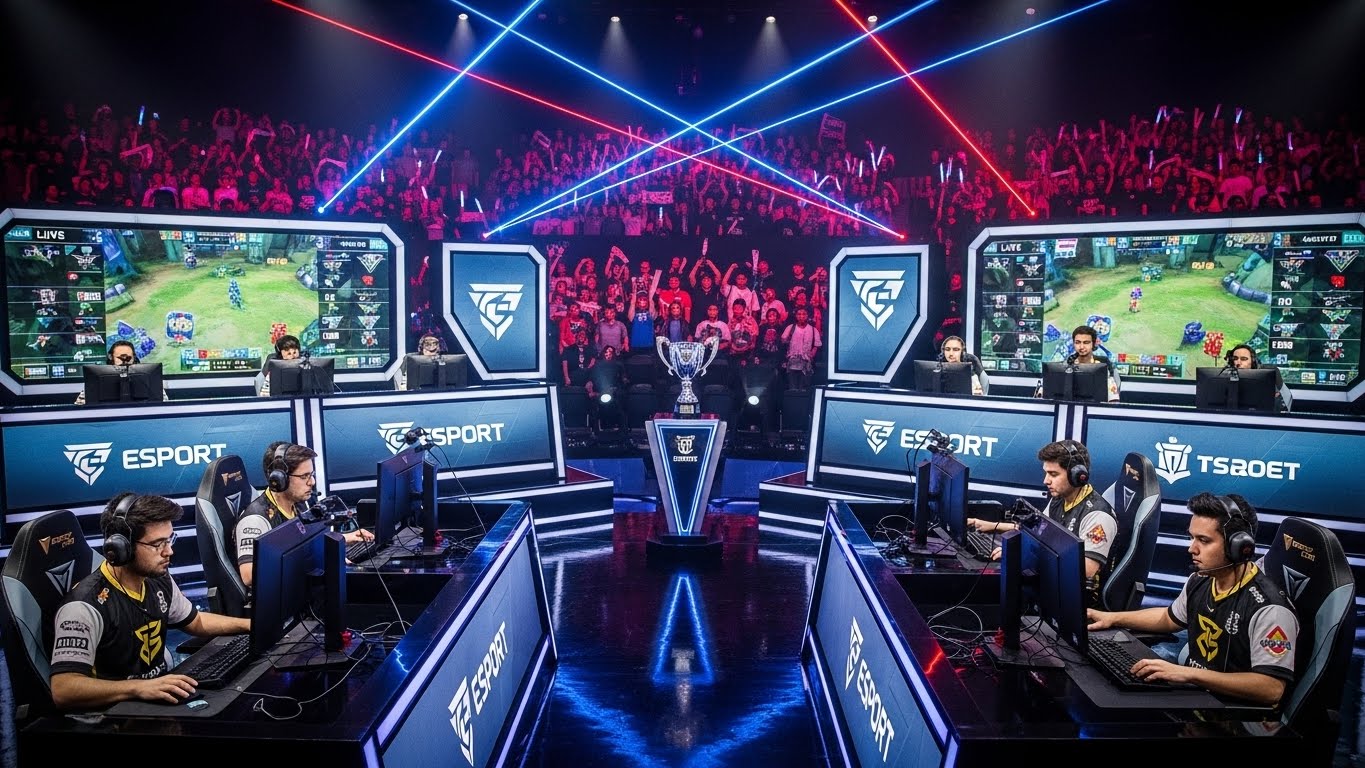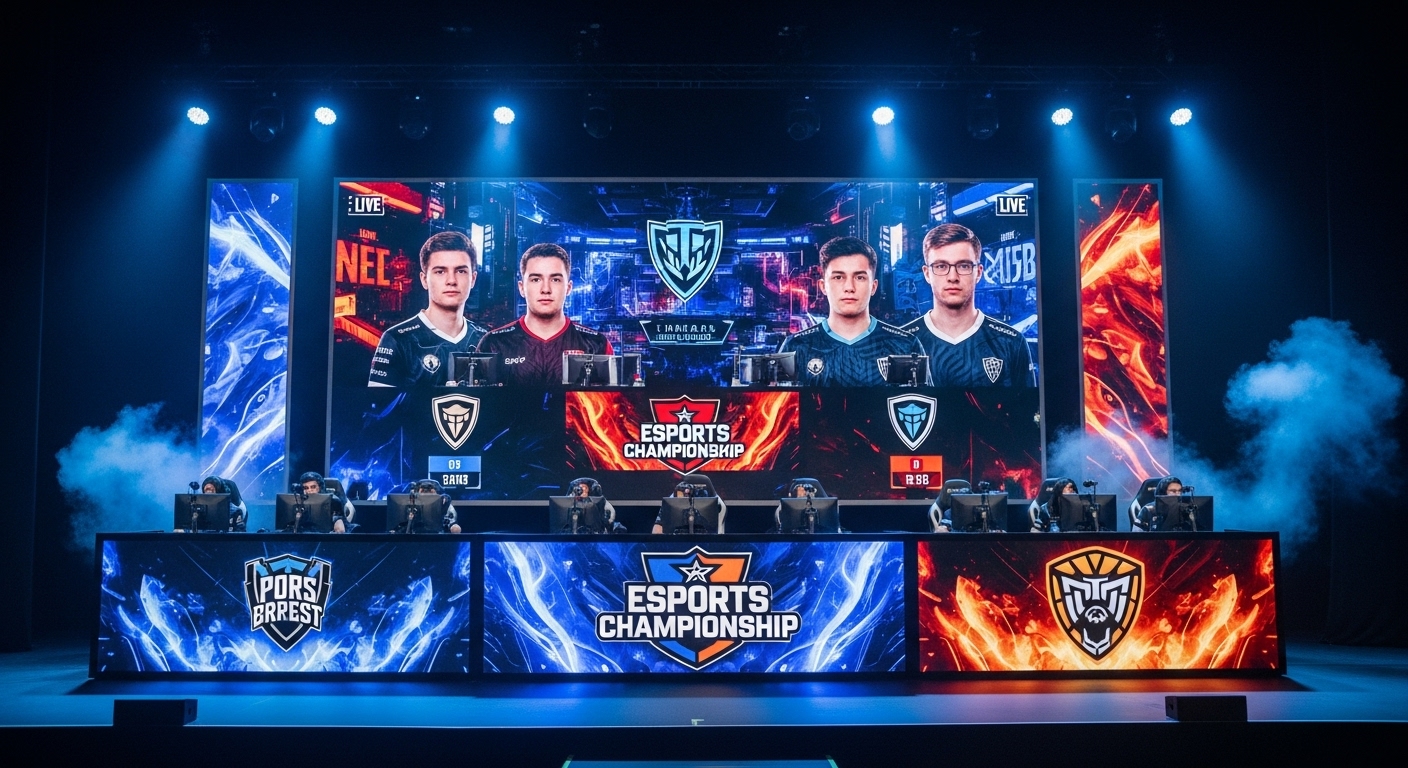
In recent years, esports has transformed from a niche pastime into a global cultural phenomenon. Once considered a hobby for a small group of passionate gamers, esports now boasts millions of fans, dedicated athletes, and multi-million-dollar industry investments. From sold-out arenas to massive online viewership, esports has carved a prominent place for itself in the broader entertainment landscape. This blog post explores the evolution of esports, its current state, and its future potential as a mainstream sport.
What is Esports?
Esports, or electronic sports, refers to organized multiplayer video game competitions, often involving professional players, teams, and tournaments. Unlike casual gaming, esports involves high levels of skill, strategy, and competition, with players often training for years to perfect their craft. The most popular esports titles include League of Legends, Dota 2, Counter-Strike: Global Offensive, Overwatch, Fortnite, and Valorant, among others.
The format of esports competitions ranges from local and regional tournaments to massive global events with multi-million-dollar prize pools. These tournaments attract not only players but also a massive audience of fans who follow their favorite teams and players, watching games live in stadiums or on streaming platforms such as Twitch and YouTube.
A Brief History of Esports
The history of esports dates back to the 1970s when competitive gaming began in arcades. The first recognized video game tournament, the Intergalactic Spacewar Olympics, was held in 1972 at Stanford University. The tournament’s modest prize? A year’s subscription to Rolling Stone magazine. Fast forward to the late 1990s and early 2000s, and esports began gaining traction with games like StarCraft and Quake, which featured organized online tournaments.
The real turning point for esports came in the early 2010s. The release of League of Legends in 2009 by Riot Games ushered in an era of growth for the competitive gaming industry. Esports tournaments started to gain mainstream attention, and streaming platforms like Twitch, launched in 2011, provided gamers with a dedicated space to showcase their talents and build fanbases. With the rise of high-profile events such as the The International (Dota 2’s world championship) and League of Legends World Championship, esports quickly went from underground to global.
Esports as a Multi-Billion Dollar Industry
As of 2025, the esports industry is valued at over $1 billion, and its economic impact is only continuing to grow. From sponsorships and media rights to merchandise and ticket sales, esports generates significant revenue across various sectors. Major brands from outside the gaming world, including Coca-Cola, Intel, Mercedes-Benz, and Nike, have all signed sponsorship deals with esports teams and events, recognizing the massive potential of reaching young, tech-savvy audiences.
The advent of streaming platforms has further fueled the growth of esports. With millions of viewers tuning in to watch live tournaments or gameplay streams, platforms like Twitch and YouTube have become key players in the ecosystem. These platforms not only serve as venues for broadcasting tournaments but also provide content creators with the opportunity to earn revenue through ads, donations, and subscriptions. For many aspiring gamers, streaming has become a viable career option, with top streamers earning millions of dollars annually.
The Role of Technology in Esports
Technology has been a driving force behind the rapid growth of esports. Advances in gaming hardware, internet speeds, and streaming technology have all contributed to creating a better, more immersive experience for both players and spectators. Modern gaming PCs and consoles can handle the demanding graphics and processing power required by esports titles, while high-speed internet ensures that online tournaments run smoothly and without lag.
The rise of Virtual Reality (VR) and Augmented Reality (AR) also presents exciting possibilities for the future of esports. VR allows players to experience a more immersive and interactive gaming environment, while AR opens up new opportunities for in-game overlays and spectator experiences. As these technologies evolve, they may further revolutionize the competitive gaming landscape.
The Rise of Esports Organizations and Teams
Esports has shifted from being a solo endeavor to a team-oriented industry. Today, esports organizations and professional teams operate just like traditional sports teams, with dedicated coaches, managers, analysts, and support staff. These organizations scout top players, train them, and compete in various tournaments throughout the year.
In some ways, esports teams are similar to traditional sports franchises. They invest in talent, manage their players’ well-being, and engage with fans through social media and live events. Some of the most successful and recognizable teams in esports include Team Liquid, Cloud9, T1, and Fnatic, all of which have earned millions of dollars in prize money and have become household names in the gaming world.
As the industry matures, esports organizations are also expanding their portfolios by acquiring teams in multiple games, diversifying their competitive presence across various esports titles. This trend mirrors the strategies used by traditional sports franchises, which may have teams in several leagues and sports. The increasing professionalization of esports is a sign that the industry is moving toward long-term sustainability and growth.
Esports as a Career Path
The idea of becoming a professional gamer used to be considered a fantasy for most people. Today, it’s a legitimate career path, and professional gamers are among the most recognized athletes in the world. In addition to competing in tournaments, esports athletes earn money from sponsorships, merchandise sales, streaming, and content creation. Some players even sign exclusive contracts with streaming platforms, such as Twitch, to attract more viewers and grow their personal brand.
Beyond the players themselves, esports offers a wide range of career opportunities in areas such as game development, broadcasting, event management, marketing, and data analysis. Universities are increasingly offering esports programs, and many students are pursuing degrees that prepare them for a future in the esports industry.
Additionally, esports has proven to be a platform for diversity and inclusion. Female gamers, in particular, are breaking barriers and achieving recognition in competitive gaming. Esports organizations are making strides in ensuring that women have the same opportunities to succeed as their male counterparts, and the rise of female-focused tournaments and leagues is helping to further level the playing field.
The Global Appeal of Esports
One of the unique aspects of esports is its global reach. Unlike traditional sports, which may be confined to specific geographic regions, esports tournaments attract players and fans from all over the world. Games like League of Legends and Dota 2 feature teams from North America, Europe, China, Korea, and beyond, all competing at the highest level.
The ability to connect with people across borders through online platforms has made esports one of the most inclusive and accessible sports. International tournaments, such as The International for Dota 2 and the League of Legends World Championship, draw millions of viewers from various countries. This global appeal has also fostered a sense of community, with fans uniting over their shared love of gaming and their support for their favorite players and teams.
Esports has even made its way into countries where traditional sports were previously dominant. In countries like South Korea, esports has reached the status of a national pastime, with government support for esports as a legitimate sport. The growing interest in esports has also influenced the creation of esports-specific arenas, such as the Esports Stadium Arlington in Texas, which hosts major tournaments and events.
The Future of Esports
As esports continues to grow, the future of the industry looks incredibly promising. One of the most significant developments is the potential for esports to become part of the Olympic Games. In recent years, the International Olympic Committee (IOC) has shown interest in including esports in the Olympics, a move that would further legitimize esports as a global sport. While there are still challenges to overcome, such as finding the right balance between traditional sports and digital gaming, the inclusion of esports in the Olympics would mark a monumental step in the evolution of competitive gaming.
Moreover, the rise of mobile gaming and cloud gaming platforms such as Google Stadia and NVIDIA GeForce Now opens new possibilities for esports. Players no longer need high-end PCs or consoles to participate in competitive gaming. With mobile gaming rapidly growing in popularity, particularly in Asia, esports is likely to expand into new territories and demographics.
Esports is also becoming more integrated with mainstream entertainment. Music artists, influencers, and celebrities are increasingly investing in or collaborating with esports organizations, helping to bridge the gap between gaming and traditional entertainment industries. The synergy between esports, music, and entertainment is likely to continue to grow, bringing new audiences and sponsors into the fold.
Conclusion
Esports is no longer just a pastime for gamers—it has become a global cultural movement, offering new career opportunities, entertainment experiences, and avenues for fans to connect with their favorite players and teams. The industry has grown from humble beginnings to a multi-billion-dollar global ecosystem that is poised for even more growth in the years to come.
As technology continues to evolve, esports will adapt and expand, creating new ways for people to participate in and enjoy competitive gaming. Whether you’re a player, a fan, or someone looking to break into the esports industry, there’s never been a better time to be part of this exciting and ever-growing world of esports.