Introduction: The Meteoric Rise of Esports
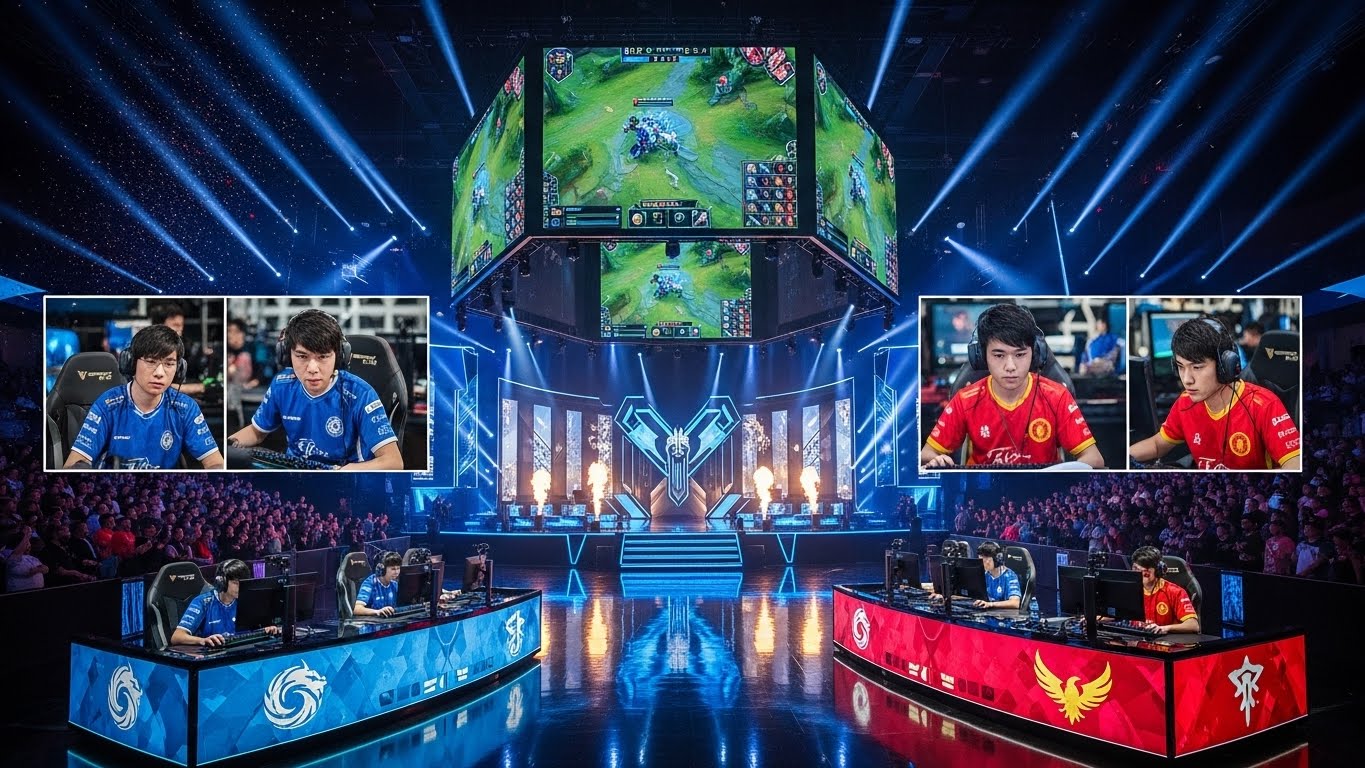
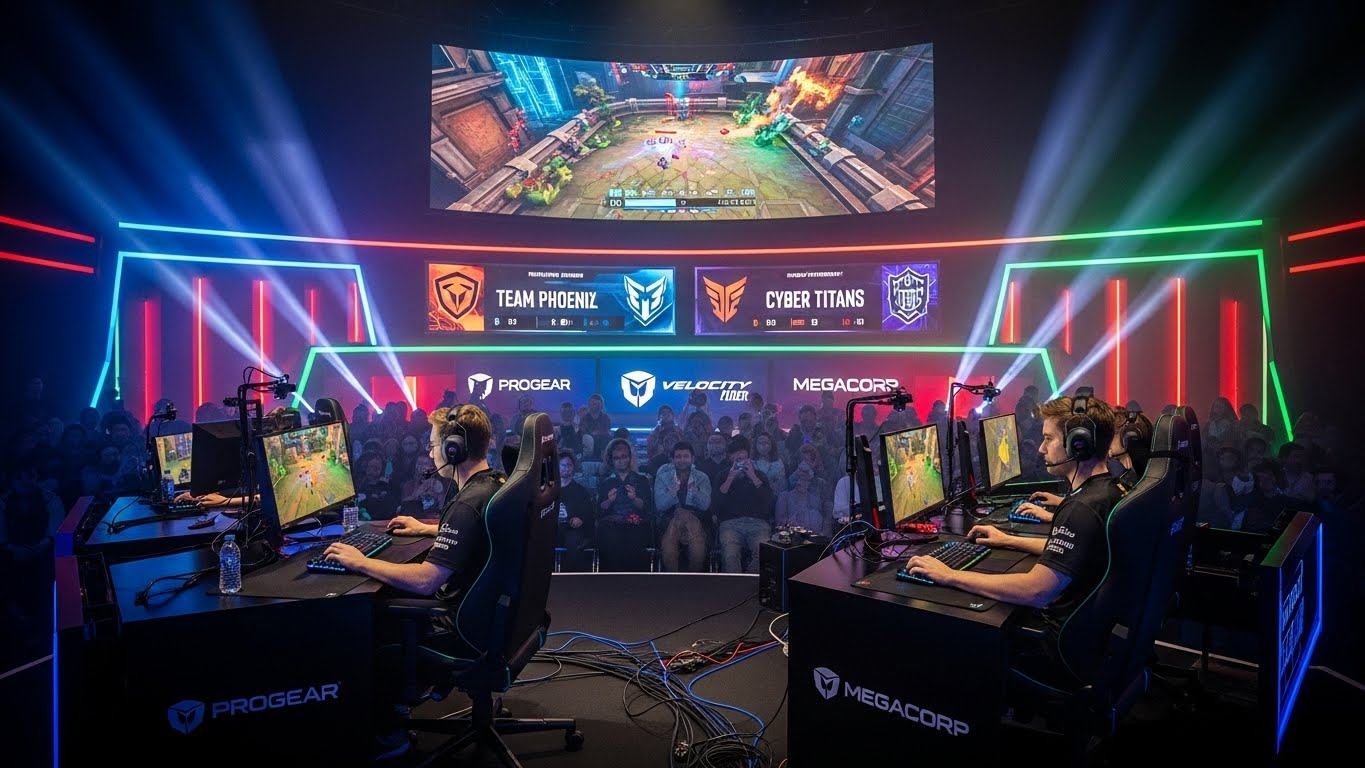
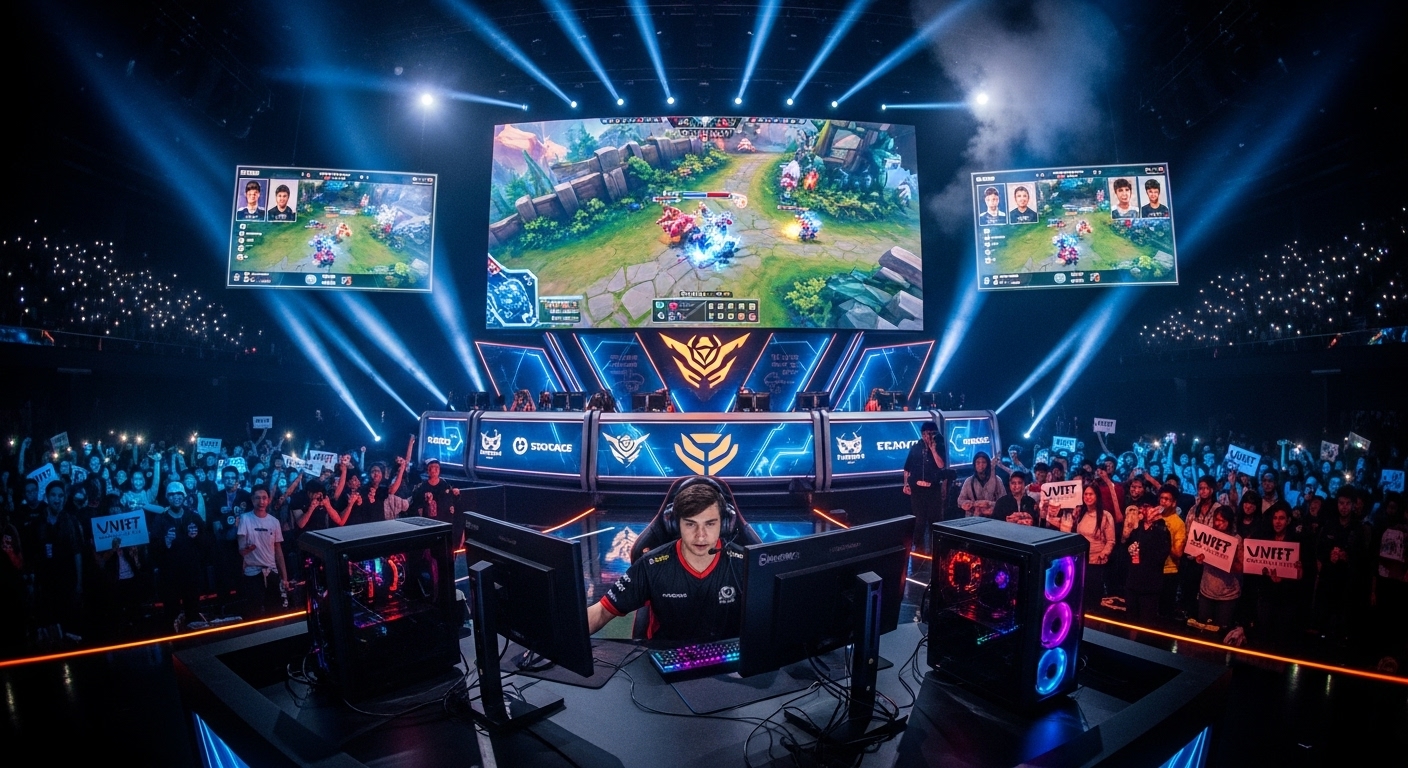
Esports, short for electronic sports, has undergone a remarkable transformation in recent years. Once viewed as a niche pastime for gamers, it has blossomed into a global phenomenon, drawing millions of viewers, players, and investors from all corners of the world. From humble beginnings in small LAN tournaments to multi-million-dollar prize pools and international stadium events, esports has firmly planted its roots in the entertainment industry.
What sets esports apart from traditional sports is its digital nature, enabling players to compete from anywhere in the world without the need for physical athletic prowess. Instead, esports thrives on strategic thinking, quick reflexes, and teamwork. With an ever-expanding audience and increasing investments, esports is becoming a serious contender in global entertainment.
This blog will explore the meteoric rise of esports, its key elements, the business side of the industry, and the exciting future that lies ahead for competitive gaming.
The Origins of Esports: From Arcade Games to Online Competitions
The history of esports can be traced back to the early 1970s when the first competitive video game tournaments were held in arcades. The most famous early competition was the 1972 “Space Invaders Championship,” where players competed for high scores in the arcade classic. While these early events were localized and small-scale, they sparked the idea of competitive gaming.
In the late 1990s and early 2000s, online gaming became a reality, allowing players to compete against each other from different locations. Games like “Quake” and “StarCraft” helped establish esports as a competitive industry. The rise of LAN (local area network) parties, where players gathered in large numbers to compete in multiplayer games, further propelled esports into the mainstream.
However, it wasn’t until the mid-2000s that esports began to emerge as a true professional competition. The introduction of online platforms such as Battle.net and Steam allowed players to compete against each other globally. Major tournaments such as the World Cyber Games (WCG) and the Electronic Sports World Cup (ESWC) provided the first real structure to competitive gaming.
The Growth of Esports: From Passion to Profession
Esports reached a significant turning point with the advent of streaming platforms, particularly Twitch, which was launched in 2011. Twitch allowed gamers to broadcast their gameplay live, giving players the ability to showcase their skills to a global audience. As live streaming gained popularity, esports moved from small, regional competitions to large-scale international tournaments, where thousands of fans gathered to watch their favorite players in action.
In the early 2010s, games like “League of Legends,” “Dota 2,” “Counter-Strike: Global Offensive,” and “Overwatch” became the backbone of the esports scene. Each game brought its own unique competitive elements, with teams and individual players striving for supremacy in their respective titles. The League of Legends World Championship and The International (Dota 2) became flagship events, attracting millions of viewers and offering prize pools that rivaled those of traditional sports.
Esports’ growing appeal to sponsors, broadcasters, and media companies marked another pivotal moment in its evolution. With big names like Coca-Cola, Intel, and Mercedes-Benz sponsoring teams and events, esports began to attract mainstream recognition. Investors, including venture capitalists and large tech companies, recognized the profitability of the esports market, further fueling its growth.
The Structure of Esports: Games, Leagues, and Tournaments
Esports isn’t just a single entity; it is an ecosystem made up of various games, leagues, and tournaments that cater to different player skills, interests, and fanbases. At its core, esports is defined by competitive multiplayer games where players or teams compete for glory, prestige, and cash prizes. The games played in esports cover a wide variety of genres, from real-time strategy (RTS) to first-person shooters (FPS), multiplayer online battle arenas (MOBAs), and sports simulations.
1. Multiplayer Online Battle Arenas (MOBAs)
MOBAs like “League of Legends” and “Dota 2” are two of the most prominent genres in esports. These games feature two teams of five players each, working together to destroy the enemy team’s base while defending their own. MOBAs require high levels of strategy, coordination, and communication, making them popular for competitive play. Tournaments like the League of Legends World Championship attract millions of viewers annually.
2. First-Person Shooters (FPS)
FPS games like “Counter-Strike: Global Offensive” and “Overwatch” are another major staple of esports. These games focus on fast-paced combat, where players use firearms to eliminate opponents. Strategy, teamwork, and quick reflexes are essential for success in FPS esports. Events like the ESL Pro League and the Overwatch League have become regular fixtures in the esports calendar.
3. Real-Time Strategy (RTS)
RTS games like “StarCraft II” have long been a key part of competitive gaming. Players control entire armies and must make strategic decisions in real time. Success in RTS games requires a combination of quick decision-making, resource management, and tactical planning. Although not as popular as MOBAs or FPS games, RTS titles like “StarCraft II” continue to have a dedicated esports following.
4. Sports Simulations
Esports isn’t limited to traditional video games; it also extends to sports simulation games like “FIFA,” “NBA 2K,” and “Madden NFL.” These games replicate real-world sports, allowing players to control virtual teams in competitive leagues and tournaments. The growth of esports in sports simulation games has opened up new avenues for fans of traditional sports to engage with competitive gaming.
The Business of Esports: Sponsorships, Media Deals, and Streaming
Esports has evolved into a massive industry with a range of revenue streams that support its growth. Sponsorships have become a major driver of esports revenue, with brands from a variety of sectors investing in teams, tournaments, and events. Technology companies such as Intel, NVIDIA, and Razer have long been esports sponsors, but the industry has also attracted global brands like Coca-Cola, Red Bull, and Mercedes-Benz.
In addition to sponsorships, media rights have become another lucrative revenue source. Major esports tournaments are now broadcast on television networks, streaming platforms, and online media outlets. The expansion of broadcasting rights has allowed esports to reach broader audiences, with major events like the “League of Legends World Championship” and “The International” streaming live to millions of viewers around the world.
Streaming platforms, most notably Twitch, have played a crucial role in the commercialization of esports. These platforms provide a space for gamers to not only compete but also interact with their audience. Many professional esports players now stream their practice sessions and live gameplay, creating a personal connection with their fanbase. Twitch has become a significant revenue generator through ads, subscriptions, donations, and sponsored streams.
Merchandising has also become a significant part of the esports business model. Teams sell branded apparel, merchandise, and in-game items to their fans, creating an additional revenue stream. These merchandise sales help strengthen brand loyalty while providing teams with a more sustainable income.
The Global Impact of Esports: Uniting Players and Fans Worldwide
One of the defining features of esports is its ability to transcend geographic boundaries. Unlike traditional sports, where participation and viewership can be limited by physical location, esports allows players and fans to connect from anywhere in the world. Online multiplayer games enable players to compete in real-time with opponents from different countries and cultures.
This global reach has helped esports become a truly international phenomenon. Major esports tournaments attract players and fans from diverse regions, creating a melting pot of talent and fanbases. For example, the “League of Legends World Championship” regularly draws competitors from North America, Europe, China, and South Korea, making it one of the most internationally recognized esports events.
Streaming platforms like Twitch and YouTube further strengthen the global community of esports fans. Viewers can watch tournaments live, interact with players and commentators, and follow their favorite teams across various social media channels. This sense of community has made esports more than just a competition—it’s a shared experience that unites people from all corners of the globe.
The Future of Esports: Growth, Innovation, and New Opportunities
The future of esports looks incredibly promising, with new technologies, business models, and opportunities set to shape the industry in the years to come. As virtual reality (VR) and augmented reality (AR) technologies continue to evolve, esports may soon offer players and viewers even more immersive experiences. VR could allow players to experience tournaments in fully 3D environments, while AR could provide real-time game data and player statistics.
Esports is also likely to expand into new markets. As internet infrastructure improves in regions such as Africa, the Middle East, and Latin America, esports will gain even more traction worldwide. Local tournaments and amateur leagues are expected to proliferate, giving rise to new stars and opportunities for growth.
Furthermore, the integration of esports into traditional sports organizations will likely continue. Major sports leagues, including the NBA and NFL, have already invested in esports through partnerships, sponsorships, and the development of esports teams. This trend will likely continue as esports becomes more mainstream and integrated into global sports culture.
Conclusion: Esports as the Future of Entertainment
Esports has come a long way from its humble beginnings in small LAN parties to become one of the most exciting and lucrative industries in the world. Its growth has been fueled by technological advancements, increased mainstream recognition, and a passionate community of players and fans. With its global appeal, professional structure, and diverse revenue streams, esports is set to continue its upward trajectory in the years to come.