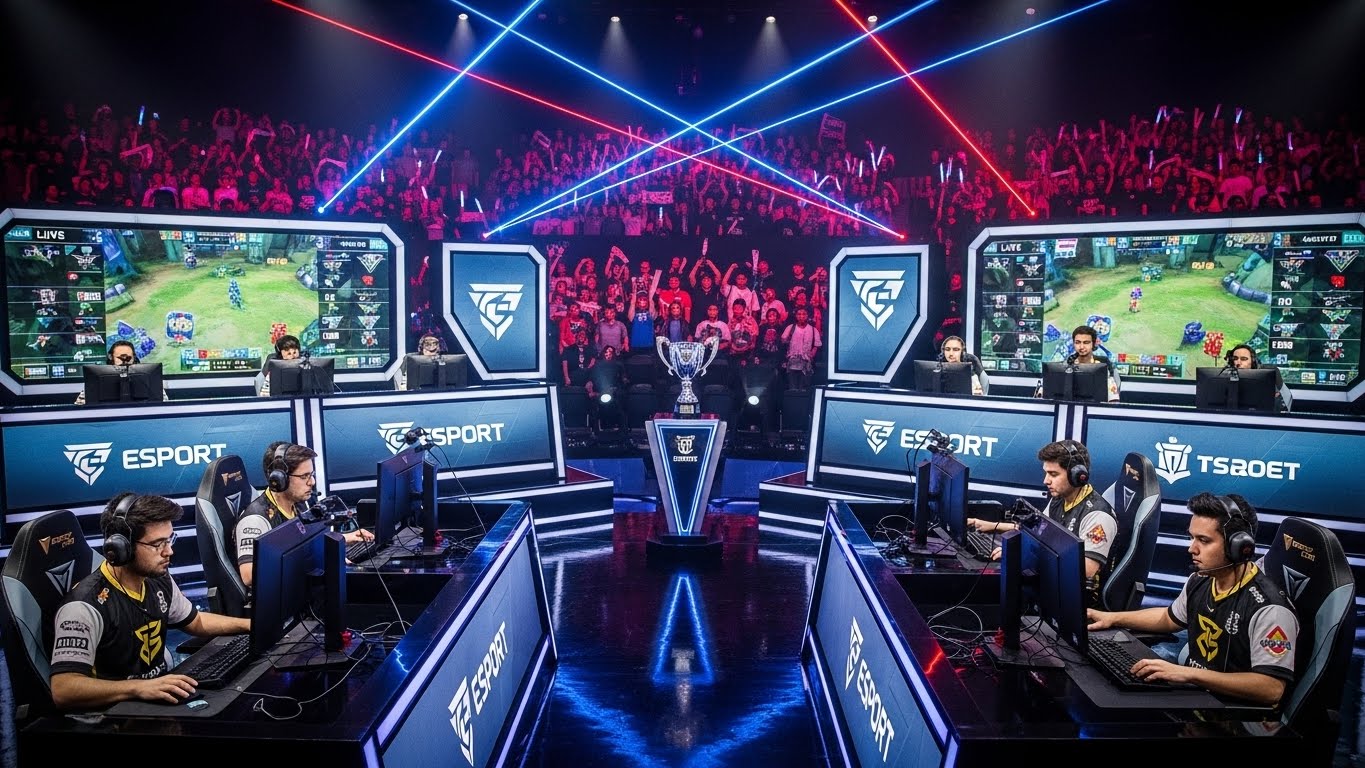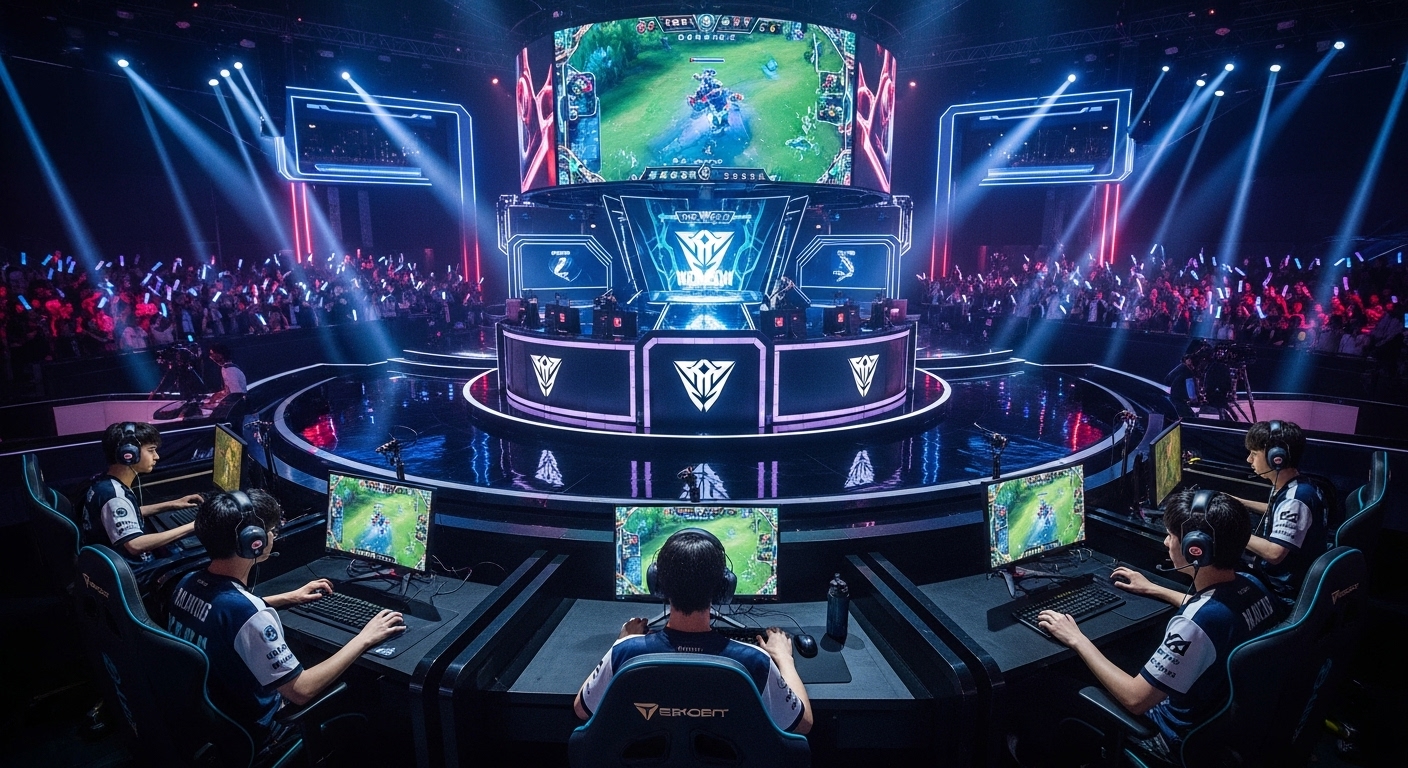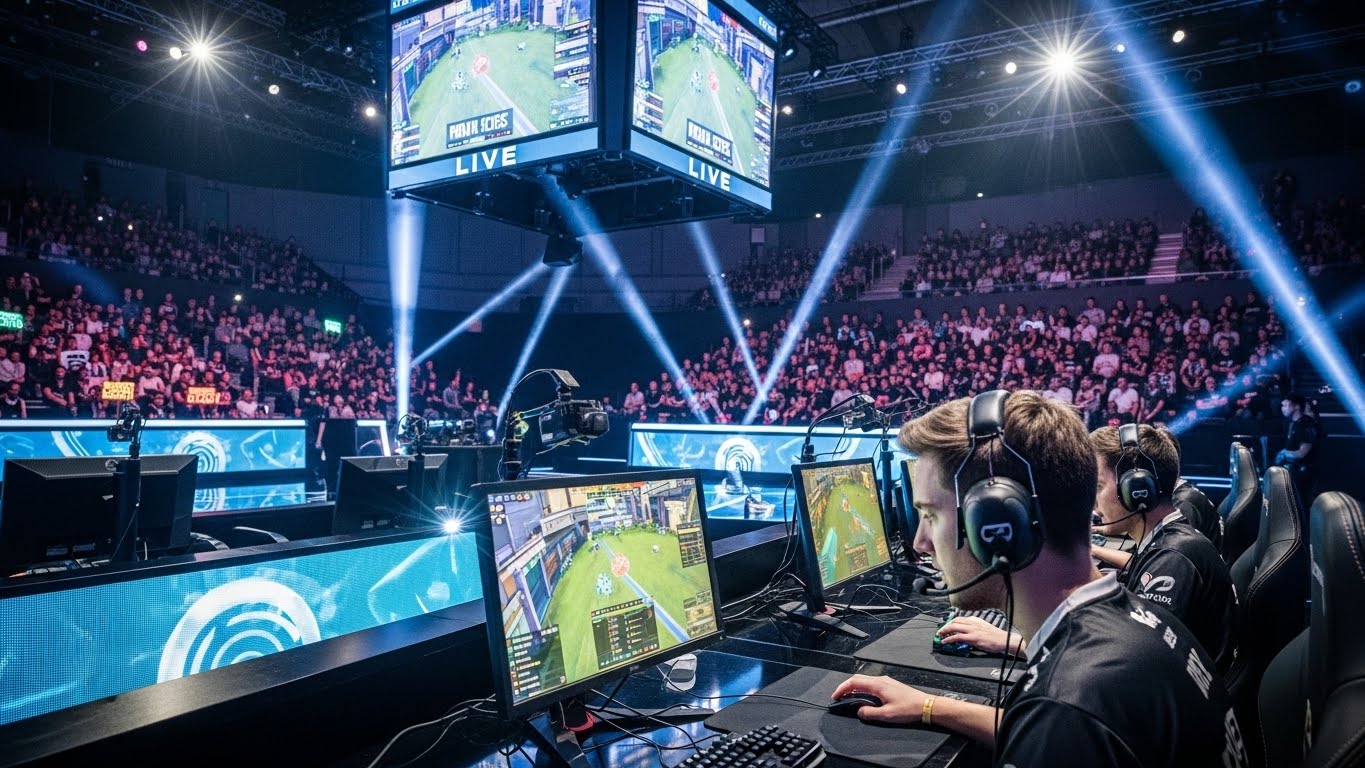
Esports has become one of the most exciting and rapidly growing industries of the 21st century. What was once a niche hobby for gamers has now evolved into a global phenomenon, with millions of fans, professional athletes, and organizations involved. From humble beginnings in local LAN parties to massive global tournaments streamed live to millions of viewers, esports has firmly cemented its place in mainstream entertainment. But what exactly is esports, how did it grow so rapidly, and what does the future hold for this exciting industry? In this blog post, we will explore the world of esports, its growth, its influence on modern culture, and what lies ahead for the industry.
What is Esports?
At its core, esports (short for electronic sports) is a form of competitive gaming where professional players, often organized into teams, compete against each other in multiplayer video games. These competitions can take place in various formats, such as tournaments, leagues, or events. Games played in esports are typically high-skill titles with a strong emphasis on strategy, coordination, and precision. Some of the most popular games in the esports world include League of Legends, Counter-Strike: Global Offensive, Dota 2, Overwatch, Fortnite, and Valorant, among many others.
Esports can be seen as the digital counterpart to traditional sports. Just as athletes train for months or years to perfect their skills in football or basketball, esports players spend countless hours practicing, strategizing, and honing their gaming abilities to compete at the highest level. The biggest esports competitions can attract millions of viewers, offer multimillion-dollar prize pools, and feature celebrity players.
The History of Esports: From Arcades to Global Phenomenon
The roots of esports can be traced back to the early days of video games. In the late 1970s and early 1980s, the arcade scene was flourishing, and players began to compete for high scores in games like Pong and Space Invaders. These informal competitions laid the groundwork for what would later become the organized tournaments of modern esports.
One of the earliest recorded esports events was the 1972 Stanford University’s “Intergalactic Spacewar Olympics”, where players competed in the game Spacewar. However, it wasn’t until the 1990s and early 2000s that esports started to take shape as we know it today.
The launch of online gaming platforms like Battle.net (launched by Blizzard Entertainment) and the release of popular games such as StarCraft and Quake in the late 1990s and early 2000s paved the way for organized esports competitions. As internet access improved, players from around the world could connect and compete, leading to the formation of competitive gaming leagues and tournaments. The launch of The International in 2011, the flagship tournament for the game Dota 2, marked a key moment in esports history, offering a prize pool of over $1 million — a first for the industry.
Esports truly began to reach mainstream recognition in the 2010s, with major sponsorships, professional leagues, and multi-million-dollar tournaments attracting a global fan base. As gaming became more integrated into pop culture, events such as The League of Legends World Championship and Counter-Strike: Global Offensive Major Championships began drawing massive audiences, both online and in-person.
The Global Impact of Esports
The Explosion of Streaming Platforms
One of the most significant factors contributing to the rise of esports has been the growth of streaming platforms like Twitch and YouTube Gaming. These platforms provide gamers with the opportunity to showcase their skills to a global audience, whether they are professional players or casual streamers. Twitch, in particular, has become synonymous with esports broadcasting, offering live streams of tournaments, gameplay, and even exclusive content from top-tier players.
Streaming not only allows fans to watch their favorite players in real time, but it also gives them an interactive experience. Viewers can engage with streamers through live chats, donate to their favorite content creators, or cheer for their teams during competitions. This level of interaction has helped build a unique and dedicated fan base for esports, which continues to grow year after year.
Sponsorships and Media Rights
As esports has matured, it has attracted the attention of major brands and companies, eager to capitalize on the growing market. Sponsorships have played a huge role in supporting esports events, teams, and players. Leading brands in industries like technology, energy drinks, automotive, and even luxury goods have entered the esports space, forging partnerships with top esports organizations.
The growing demand for esports content has also resulted in media rights deals with major broadcasters and streaming platforms. For example, in 2020, Activision Blizzard secured a deal to broadcast the Overwatch League on traditional television networks, while Riot Games has continued to air its League of Legends World Championship on various streaming services. These deals reflect the increasing mainstream recognition of esports and its value as a form of entertainment.
The Structure of Esports Competitions
Tournaments and Leagues
Esports competitions are structured similarly to traditional sports leagues, featuring regular-season play and culminating in grand finals or championships. Some esports games, like League of Legends and Overwatch, feature league-based competitions where teams compete throughout a season for a spot in the playoffs. The League of Legends Championship Series (LCS) and the Overwatch League are prime examples of these kinds of formats.
Other esports titles, such as Dota 2 and Counter-Strike: Global Offensive, are more focused on tournament play, with major events held throughout the year. For example, The International, the premier Dota 2 event, takes place once a year and offers one of the largest prize pools in esports history, attracting teams from around the world to compete for millions of dollars.
Professional Players and Teams
Esports has professional athletes just like traditional sports, and they often train and travel as much as their counterparts in physical sports. Players generally specialize in one particular game, and many of them are recruited by professional organizations, which offer salaries, sponsorships, and support for training and travel. These players are often highly skilled, with years of experience and countless hours of practice under their belts.
Esports teams can also become household names. Organizations like Cloud9, Team Liquid, Fnatic, and G2 Esports are globally recognized and compete in multiple games across various regions. Teams often have dedicated coaches, analysts, and support staff to help players refine their skills and strategies. Much like traditional sports teams, esports organizations also have fans who passionately support them, attend events, and engage with content related to their teams.
The Cultural Influence of Esports
Esports has not only changed the way people view gaming but also the way society views competitive entertainment in general. Here are some of the major cultural shifts driven by esports:
The Rise of Gaming as a Career
For many years, gaming was seen as a hobby, something you did in your spare time. However, esports has created a pathway for gamers to turn their passion into a career. Professional players can earn substantial salaries, while popular streamers and content creators can make a living through subscriptions, donations, and sponsorships.
This shift has encouraged more people to pursue careers in gaming-related fields, whether it’s as a professional player, a coach, a caster, a game developer, or a content creator. As the industry continues to grow, the number of career opportunities within esports will likely continue to expand.
Esports as a Social Connector
Esports has brought together people from all corners of the globe, transcending cultural and language barriers. Gamers of all ages, backgrounds, and nationalities can come together to enjoy the same games and competitions. Online multiplayer games, in particular, have become virtual spaces where people can form friendships, compete, and collaborate, often building close-knit communities.
Many esports events are also social gatherings, with fans coming together in person to celebrate their love for gaming. Major tournaments like The International in Dota 2 or the League of Legends World Championship are not just competitions but also festivals where fans can meet their idols, take part in activities, and immerse themselves in the world of esports.
The Future of Esports
Increased Investment and Infrastructure
The future of esports looks promising, with investments pouring in from all corners of the globe. As esports continues to grow, expect to see more money flowing into the industry, with bigger sponsorships, larger prize pools, and better infrastructure. The development of dedicated esports arenas, such as the Esports Arena in Las Vegas, is an example of how the physical infrastructure for esports is catching up with the digital side of the industry.
The Integration of Virtual Reality and AI
As technology continues to advance, virtual reality (VR) and artificial intelligence (AI) are expected to play a larger role in esports. VR could open new dimensions for competitive gaming, offering players more immersive experiences, while AI could assist in training, performance analysis, and even creating intelligent in-game opponents for practice.
Greater Mainstream Integration
Esports is increasingly becoming integrated into mainstream sports culture. Major sports networks are covering esports events, and traditional sports organizations are looking for ways to tap into the esports market. The integration of esports into high schools and universities, as well as its recognition as an official sport by some institutions, further exemplifies this trend. In the coming years, we may see esports becoming an even more deeply ingrained part of global entertainment.
Conclusion
Esports is no longer a niche interest but a global entertainment powerhouse. With its rapid growth, increasing professionalism, and widespread cultural impact, esports is redefining the way we view competition and entertainment. As technology continues to evolve and new opportunities arise, the future of esports looks brighter than ever.