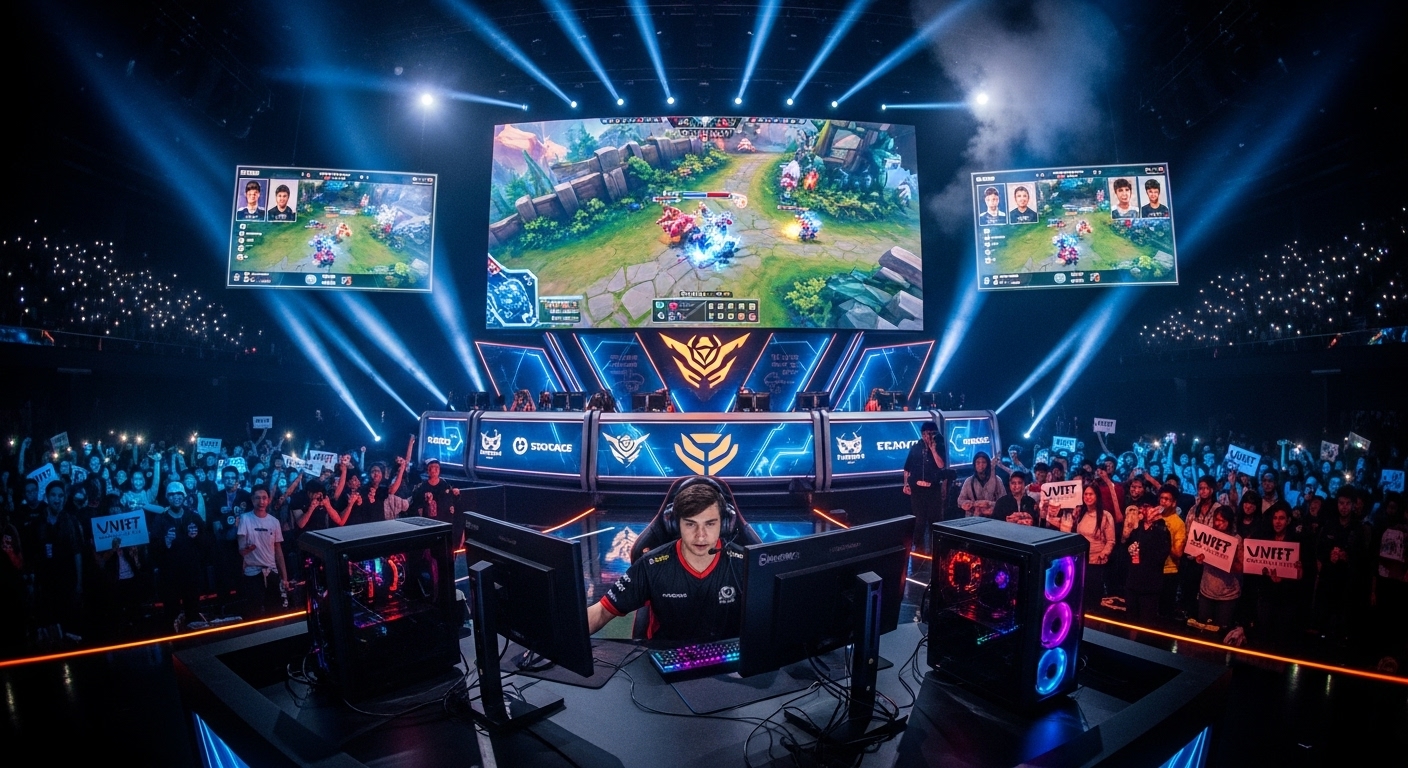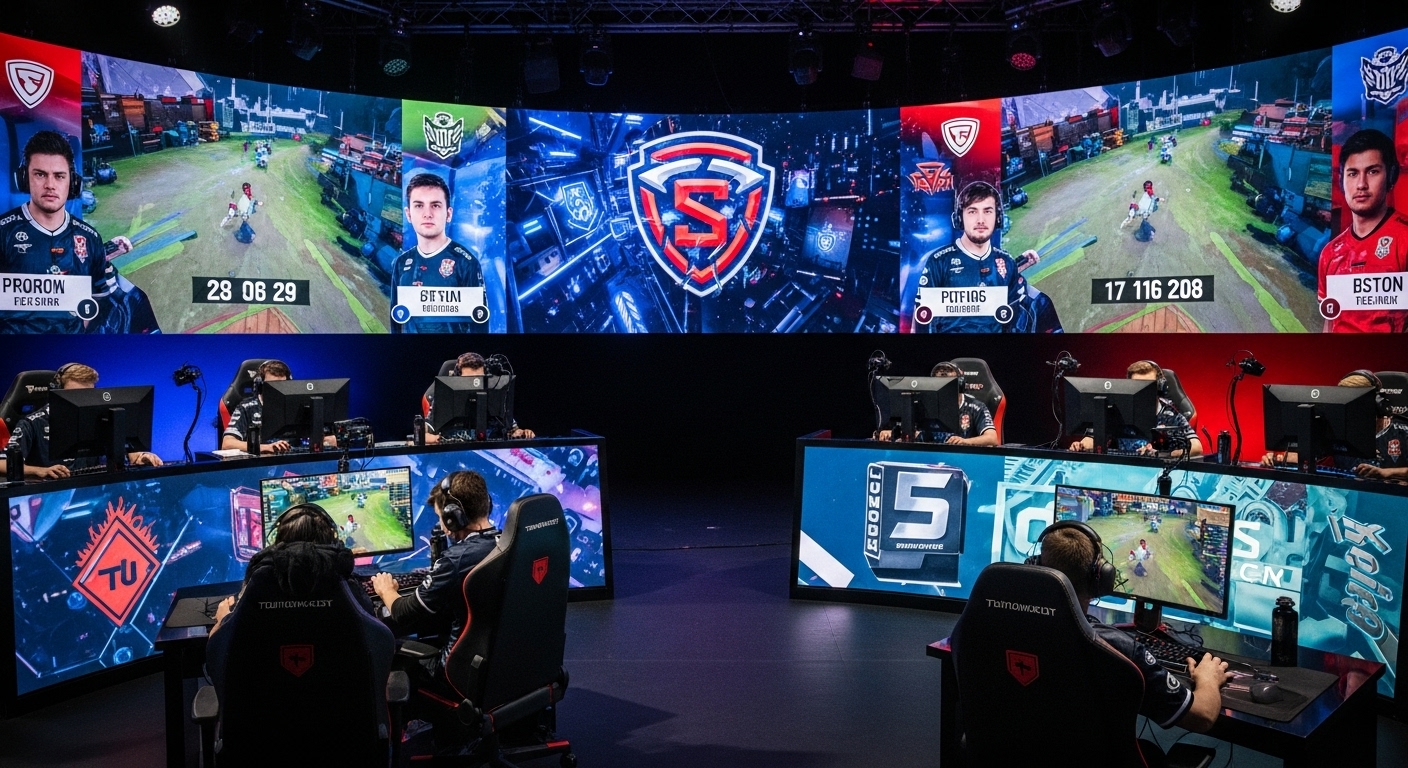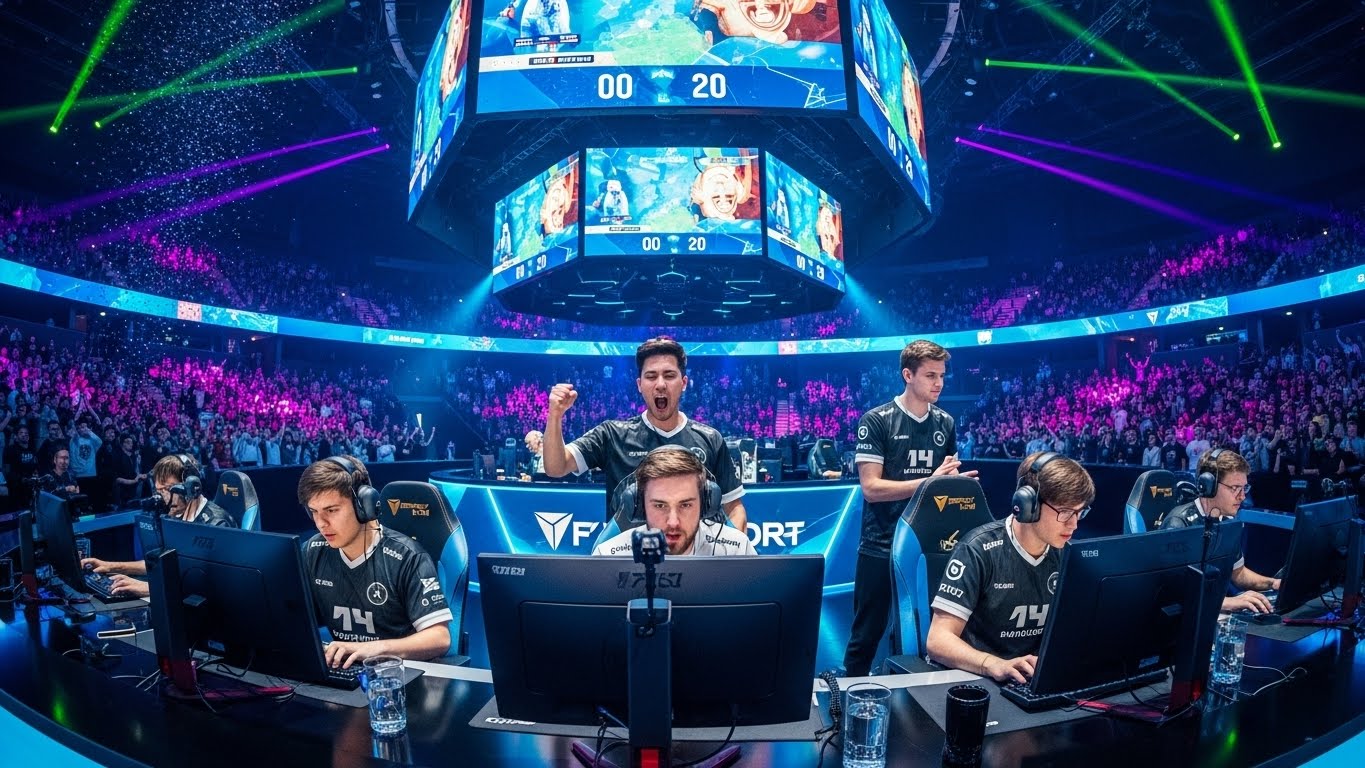
Esports, or competitive video gaming, has evolved from a casual pastime into a global phenomenon that captivates millions of players, viewers, and investors. Once considered a niche hobby, esports now boasts professional leagues, international tournaments, and a rapidly growing fan base. It is redefining what it means to compete, blending technology, entertainment, and athleticism in ways that traditional sports cannot. Beyond gaming, esports has become a cultural movement, shaping education, careers, and social interactions worldwide.
The Origins of Esports
Esports traces its roots back to the early days of video gaming. In the 1970s and 1980s, players would compete for high scores in arcades, often drawing small crowds and local recognition. These early competitions laid the groundwork for organized gaming events. As personal computers and consoles became more widespread, competitive gaming expanded into homes and local networks, allowing for larger and more structured tournaments.
The 1990s brought the first significant boom in competitive gaming with titles like StarCraft, Quake, and Counter-Strike. The emergence of multiplayer games over the internet allowed players to compete across cities and even countries. This period marked the beginning of esports as a global phenomenon, paving the way for professional leagues, sponsorships, and structured competition that we see today.
What Defines Esports
Esports refers to organized, competitive video gaming where players or teams face off in structured tournaments. Games range across multiple genres, including strategy, first-person shooters, fighting games, and sports simulations. Unlike casual gaming, esports emphasizes skill, discipline, and performance under pressure. Players must master game mechanics, develop strategies, and coordinate with teammates to succeed.
Professional esports events feature referees, rules, prize pools, and broadcasting platforms, similar to traditional sports. The structure, competitive nature, and global reach distinguish esports from casual gaming, establishing it as a legitimate and respected form of competition.
Professional Careers in Esports
Esports is now a recognized career path. Top players dedicate hours to training, studying opponents, and refining their skills. Many professional teams have coaches, analysts, nutritionists, and psychologists to ensure optimal performance, mirroring the infrastructure of traditional sports.
Beyond playing, the esports ecosystem offers numerous career opportunities. Analysts, event organizers, broadcasters, marketers, graphic designers, and content creators all contribute to the growth and success of esports. The professionalization of esports demonstrates that gaming is no longer merely recreational but a viable long-term career choice.
Skills Required in Competitive Gaming
Esports requires more than reflexes and hand-eye coordination. Strategic thinking, problem-solving, adaptability, and communication are crucial for success. High-level competitions often demand split-second decisions that can determine the outcome of a match.
Team-based games, in particular, rely on coordination and trust. Players must communicate strategies clearly, respond quickly to changing situations, and maintain composure under pressure. These skills are transferable to other areas of life, such as academics, professional environments, and social interactions.
Cognitive and Psychological Benefits
Competitive gaming develops cognitive and psychological skills that are often overlooked. Esports players enhance memory, focus, multitasking abilities, and pattern recognition through rigorous practice and analysis. Strategic planning and quick decision-making improve problem-solving skills and mental agility.
Esports also teaches emotional resilience. Players experience victories and defeats, learning to cope with stress, manage disappointment, and maintain focus. This ability to regulate emotions under pressure builds mental strength and prepares individuals for challenges beyond the gaming world.
Community and Social Interaction
Esports fosters vibrant communities around games and players. Fans and participants interact on social media, forums, and streaming platforms, creating spaces for learning, sharing strategies, and celebrating achievements. Unlike traditional sports spectatorship, esports encourages active participation and engagement.
Mentorship is a notable aspect of these communities. Experienced players guide newcomers, sharing techniques, advice, and career pathways. This collaborative environment strengthens bonds, encourages skill development, and reinforces shared values within the esports culture.
The Role of Technology in Esports
Technology is central to the growth and accessibility of esports. High-speed internet, advanced graphics, and sophisticated game design enable immersive and competitive experiences. Specialized hardware, performance analytics, and software innovations enhance both player performance and audience engagement.
Streaming platforms have revolutionized how fans consume esports content. Viewers can watch live competitions, interact with players in real time, and follow global tournaments from anywhere. Technology has bridged the gap between players and audiences, creating a dynamic, interactive ecosystem.
Economic Impact of Esports
Esports has emerged as a major economic force. Revenue streams include tournament prize pools, sponsorships, broadcasting rights, merchandise, and gaming hardware sales. Brands invest in esports to reach younger, digitally savvy audiences, fueling industry growth and increasing professional opportunities.
The economic benefits extend beyond players and teams. Events stimulate local economies through tourism, hospitality, and employment opportunities. Educational programs and professional training initiatives further contribute to workforce development in gaming and related industries.
Education and Esports Integration
Esports is increasingly recognized for its educational potential. Schools and universities are establishing esports programs, clubs, and scholarships. These initiatives teach valuable skills such as teamwork, leadership, strategic thinking, and digital literacy.
By integrating esports into education, institutions engage students in ways that traditional classrooms may not. Esports fosters discipline, motivation, and problem-solving, preparing students for careers in gaming, technology, media, and other related fields.
Inclusivity and Diversity in Esports
Esports offers a unique level of inclusivity. Success in competitive gaming does not depend on physical attributes, enabling individuals of various genders, abilities, and backgrounds to compete equally. This accessibility has helped esports build diverse global communities.
Efforts to encourage diversity continue to grow. Initiatives supporting women, marginalized communities, and underrepresented groups aim to create equitable opportunities. A diverse player base enriches the esports ecosystem, promoting innovation, creativity, and broader representation.
Challenges in the Esports Industry
Despite its rapid growth, esports faces challenges. Player burnout, mental health pressures, and long training hours can negatively impact individuals. Organizations are increasingly implementing support systems, emphasizing wellness and balanced schedules to sustain careers.
Regulatory challenges also exist. Ensuring fair play, preventing cheating, and maintaining ethical standards are essential for the credibility and long-term sustainability of esports. Addressing these issues will be critical as the industry continues to expand.
Global Reach and Cultural Impact
Esports has become a global phenomenon, with thriving communities in Asia, Europe, North America, and beyond. Countries such as South Korea and China have established professional infrastructures, including training facilities, leagues, and government support. Other regions have embraced collegiate esports programs and mainstream media coverage.
International tournaments bring together players and fans from diverse backgrounds, fostering cultural exchange and mutual respect. Esports is shaping modern culture, inspiring creativity, fashion trends, digital content, and entertainment. It represents the values of innovation, adaptability, and collaboration.
The Future of Esports
The future of esports is filled with possibilities. Emerging technologies such as virtual reality, augmented reality, and cloud gaming will enhance immersive experiences. New game titles and formats will attract broader audiences and sustain community growth.
Esports is increasingly integrating with mainstream entertainment, merging live competitions with media, music, and interactive content. As technology and audiences evolve, esports is poised to redefine entertainment, competition, and social interaction for generations to come.
Conclusion: Esports as a Cultural Revolution
Esports represents a fundamental shift in how competition is defined and experienced. It combines strategy, skill, technology, and community into a powerful global movement. Beyond entertainment, esports fosters cognitive development, career opportunities, and social connection.
Far from being a passing trend, esports has cemented its place as a legitimate form of competition and a cultural force. Champions are now made in digital arenas as well as physical ones, proving that excellence, discipline, and teamwork are universal values that transcend platforms.
As esports continues to grow, it will shape the future of entertainment, education, and global culture. Digital warriors are not only playing games—they are forging a new era of competition, collaboration, and innovation that will inspire generations to come.