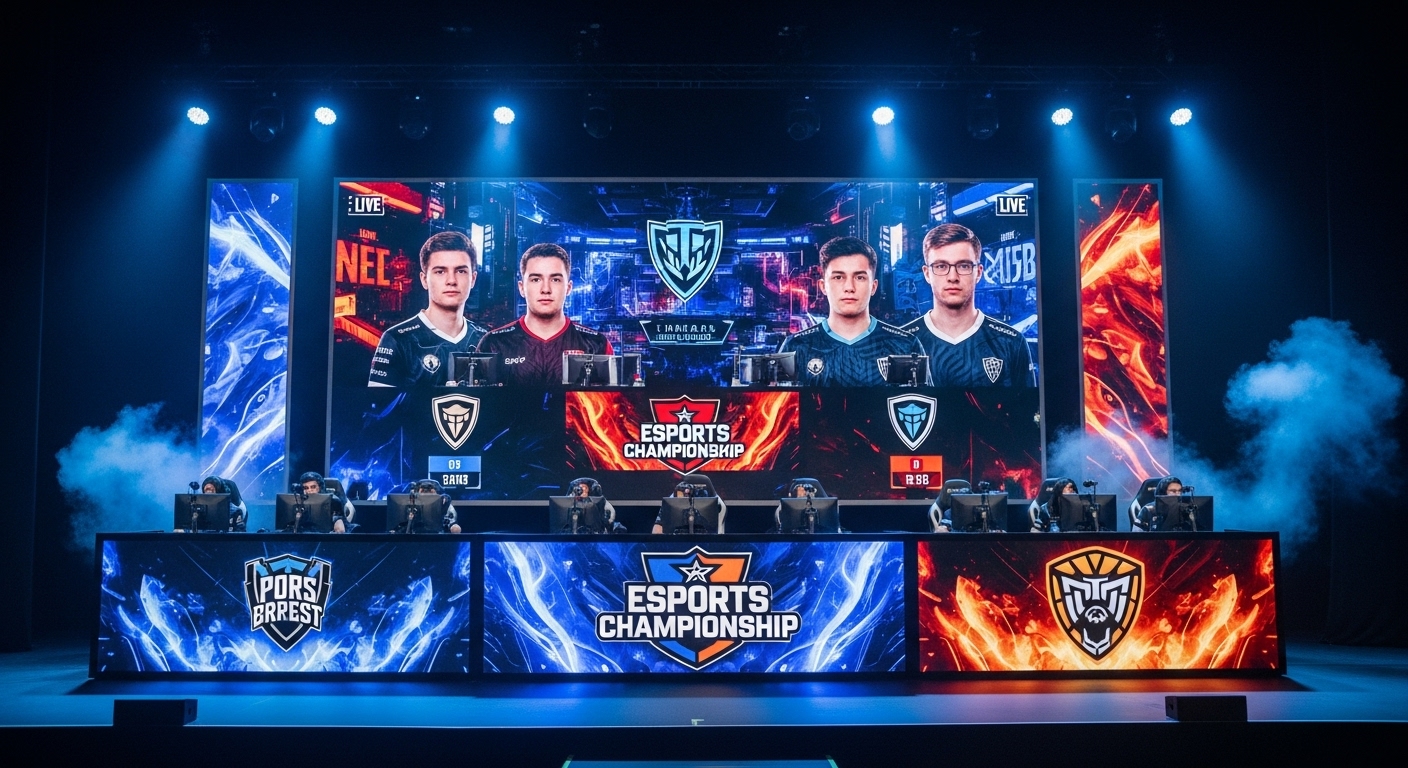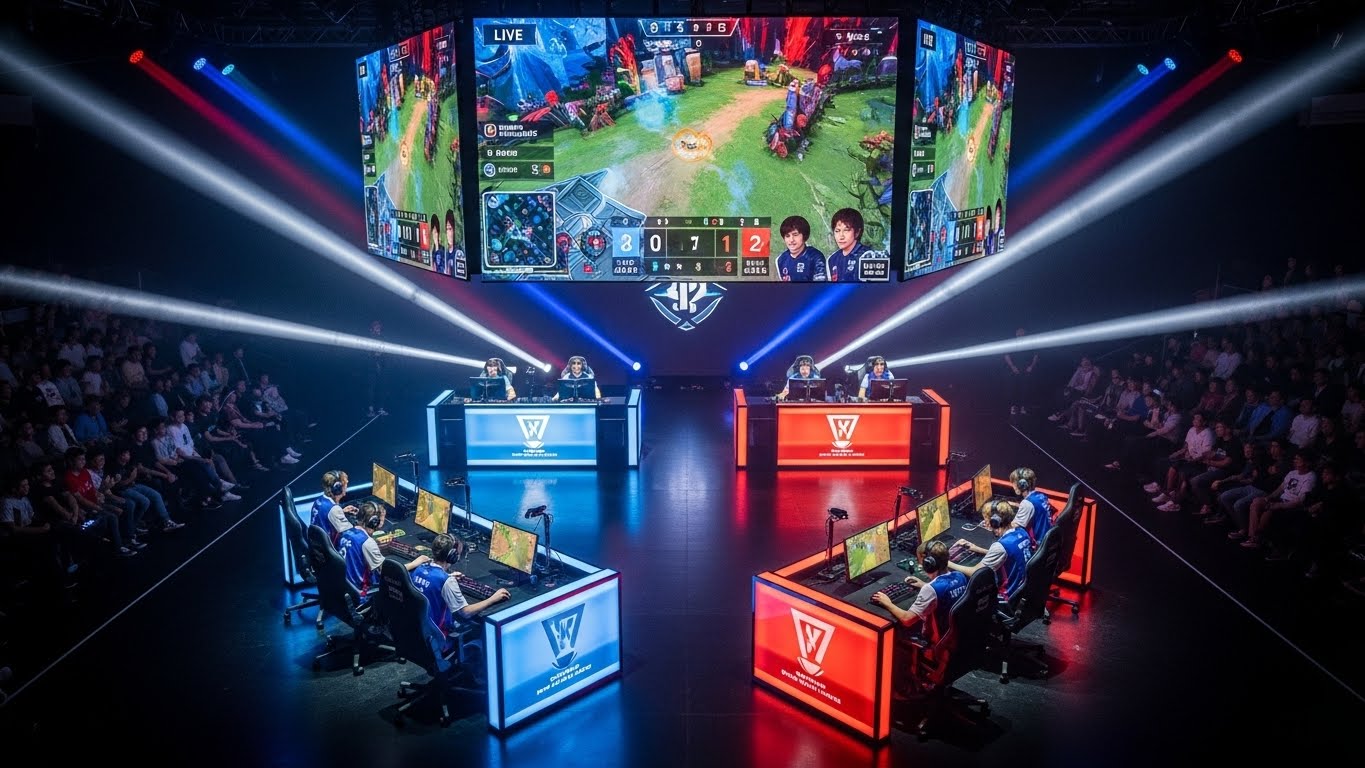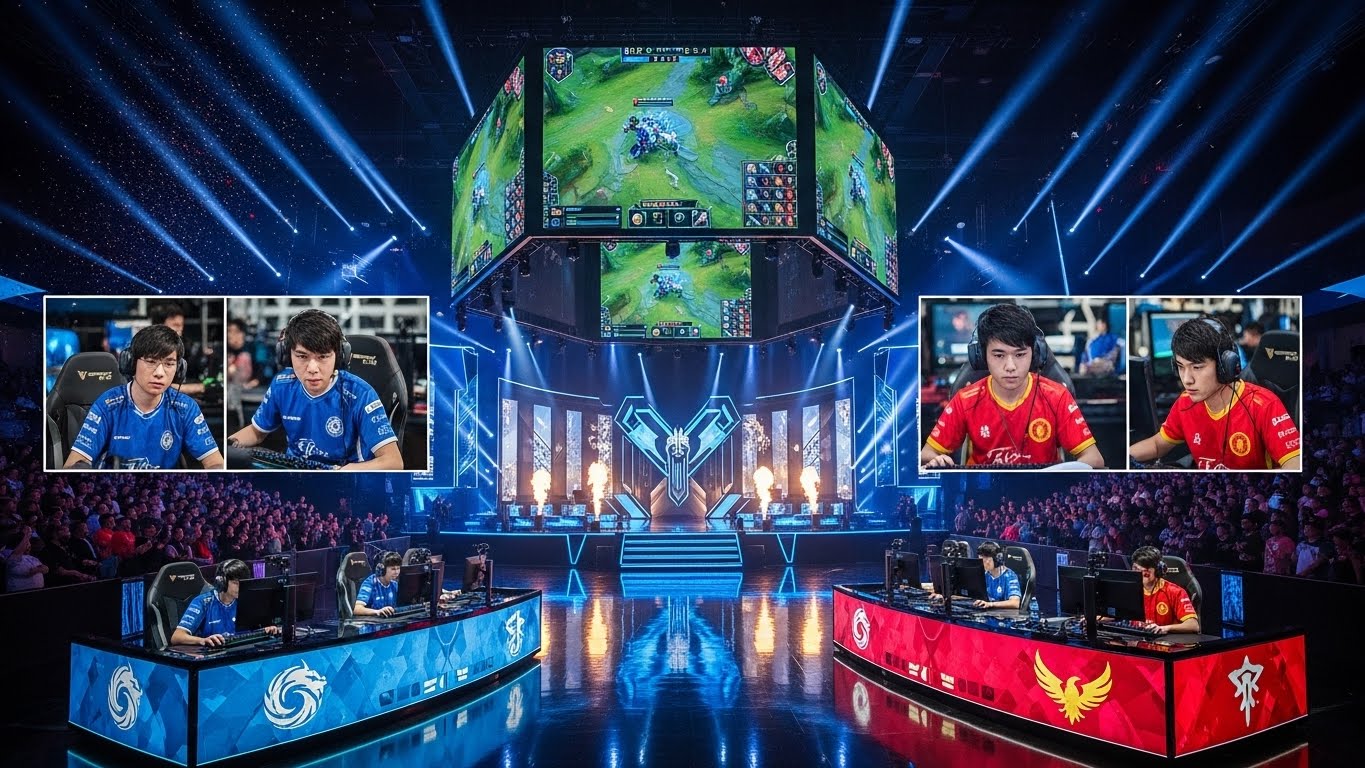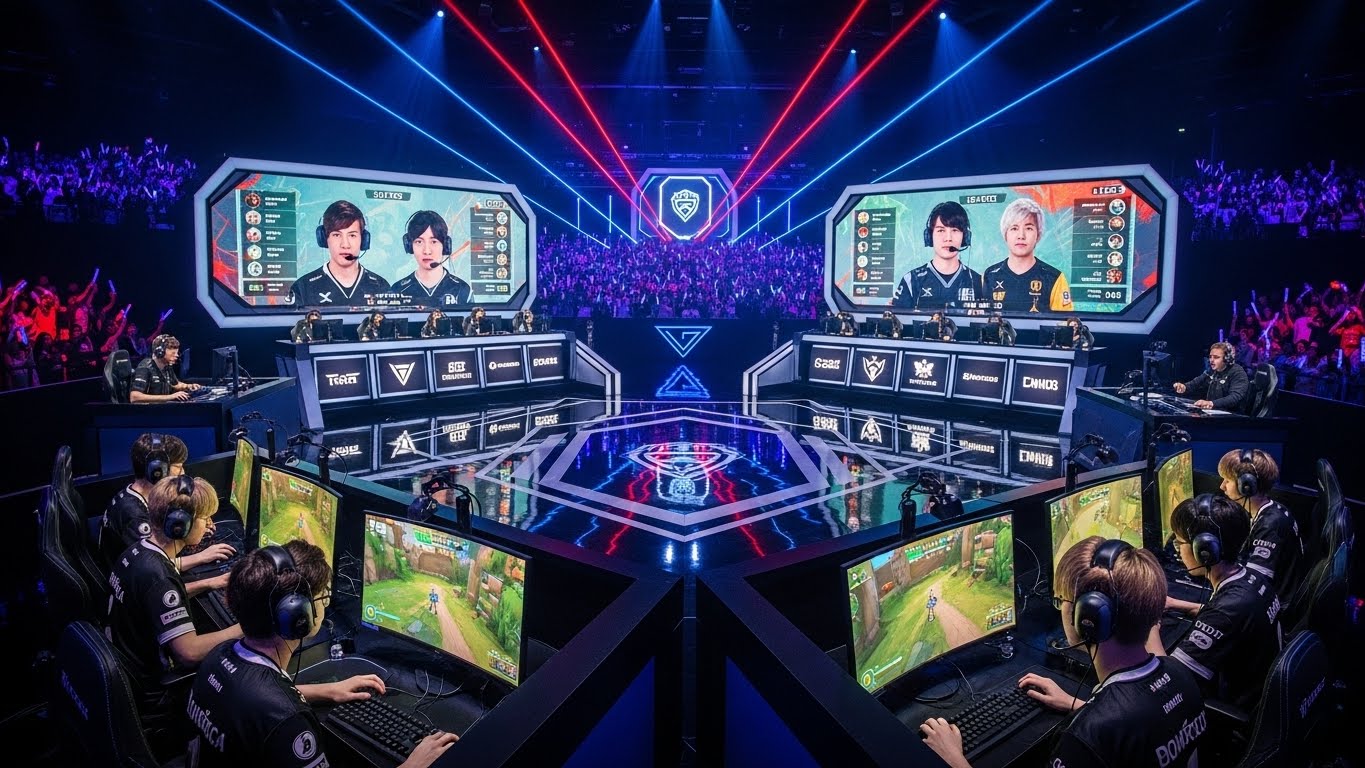
Esports, or competitive video gaming, has transformed from a niche hobby into a global phenomenon that rivals traditional sports in both popularity and economic impact. Once considered a pastime for a small group of enthusiasts, esports has grown into a professional industry with millions of players, fans, and investors worldwide. Its influence extends beyond entertainment, shaping careers, technology, culture, and social interactions. This blog explores the multifaceted world of esports, its benefits, challenges, and its growing role in society.
The Origins of Esports
The roots of esports date back to the late 1970s and early 1980s when video games first became popular. Early competitions, often held in arcades, featured games like Space Invaders and Pac-Man. These tournaments laid the foundation for organized gaming competitions. The 1990s saw the rise of networked gaming with titles like StarCraft, Quake, and Counter-Strike, which allowed players to compete remotely, expanding the competitive community significantly.
The 2000s brought streaming platforms and online multiplayer experiences, making esports more accessible to a global audience. Today, professional esports leagues host international tournaments with massive prize pools, attracting viewers in the millions. This evolution has not only elevated gaming as a legitimate form of competition but also established esports as a viable career path.
Esports as a Professional Career
Contrary to the common stereotype of gamers as casual hobbyists, professional esports players train rigorously, often dedicating six to ten hours a day to practice. Physical fitness, mental sharpness, and strategic planning are essential components of an esports athlete’s regimen. Many players follow strict diets, exercise routines, and mental conditioning programs to maintain peak performance.
Professional teams employ coaches, analysts, and even psychologists to ensure players perform optimally. Success in esports requires a combination of reflexes, decision-making, teamwork, and adaptability. Retirement from professional play is often considered in the mid-twenties due to the intense demands of the profession, but many athletes transition into coaching, streaming, or managerial roles, demonstrating that esports careers can be long-term and multi-faceted.
Popular Esports Genres and Games
Esports encompasses a variety of game genres, each demanding distinct skills and strategies. Multiplayer Online Battle Arena (MOBA) games like League of Legends and Dota 2 emphasize team strategy, coordination, and long-term planning. First-Person Shooters (FPS) such as Counter-Strike: Global Offensive and Valorant focus on precision, reflexes, and tactical awareness. Battle Royale games, including Fortnite and Apex Legends, require adaptability, resource management, and survival instincts.
Each genre attracts unique audiences and creates specialized competitive communities. While some games emphasize individual skill, others rely heavily on team synergy, strategy, and communication. This diversity allows players to find their niche and contributes to esports’ broad appeal.
The Role of Streaming and Online Communities
Streaming platforms have been crucial in transforming esports from a niche activity into mainstream entertainment. Sites dedicated to live streaming enable players to broadcast gameplay, interact with fans, and build personal brands. Popular streamers often attract millions of viewers and generate significant revenue through subscriptions, donations, and sponsorships.
Online communities have also played a vital role in esports growth. Forums, social media groups, and Discord servers allow players to discuss strategies, share content, and organize tournaments. These platforms foster a sense of belonging and encourage collaboration, creating a dynamic environment where both casual and professional players thrive.
Cognitive and Mental Benefits of Esports
Esports is often criticized for promoting sedentary lifestyles, but research highlights numerous cognitive and mental benefits associated with competitive gaming. Players develop advanced problem-solving skills, strategic thinking, multitasking abilities, and spatial awareness. Fast-paced games enhance reflexes, hand-eye coordination, and decision-making under pressure.
Team-based games further cultivate collaboration, leadership, and communication skills. Players must analyze opponents, adapt strategies quickly, and manage resources effectively. For younger participants, esports also provides opportunities to develop technological literacy, digital navigation skills, and creativity, all of which are valuable in modern education and careers.
Esports and Social Connection
One of the most unique aspects of esports is its ability to foster global connections. Players and fans from different countries can interact, collaborate, and compete in real-time, creating an international community united by shared interests. Unlike many traditional sports, esports removes barriers of physical ability and geography, allowing anyone with access to a computer or console to participate.
Esports also promotes inclusivity. Women, older adults, and people with disabilities can compete on equal footing, challenging stereotypes and expanding representation. Tournaments and community events further strengthen social bonds, providing opportunities for mentorship, networking, and cultural exchange.
Economic Impact and the Business of Esports
The esports industry has experienced rapid financial growth, with revenues from sponsorships, media rights, merchandising, ticket sales, and streaming platforms reaching billions globally. Major corporations have recognized esports as a valuable marketing tool, investing in teams, tournaments, and gaming infrastructure.
Esports has also created new job opportunities, including event organizers, content creators, analysts, and coaches. Universities have begun offering esports programs and scholarships, preparing students for careers in this dynamic industry. The economic significance of esports highlights its evolution from a hobby into a professional and sustainable sector.
Educational and Career Opportunities
Esports is no longer limited to gameplay alone; it has opened avenues for education and career development. Universities and colleges offer courses in game design, digital media, broadcasting, and esports management. Students gain skills in marketing, event coordination, strategic analysis, and teamwork, preparing them for roles both inside and outside the gaming world.
Esports also fosters entrepreneurial opportunities. Content creation, streaming, sponsorship deals, and tournament organization provide multiple revenue streams for individuals and businesses alike. This diversification demonstrates that esports is a versatile and rapidly expanding field.
Challenges Facing the Esports Industry
Despite its successes, esports faces several challenges. Mental health concerns, including burnout, anxiety, and stress, are prevalent among professional players due to long hours of practice and high performance expectations. Organizers and teams are increasingly recognizing the need for psychological support and wellness programs.
Cheating, hacking, and unfair play also threaten the integrity of esports competitions. Developers and tournament organizers continuously invest in anti-cheat technologies and regulations to maintain fairness. Gender disparities remain a concern, as women are often underrepresented and face harassment, requiring ongoing efforts to ensure inclusivity and equality.
The Cultural Significance of Esports
Esports has significantly influenced modern culture, from fashion and music to entertainment and social media trends. Gaming personalities and streamers enjoy global recognition, often rivaling traditional celebrities in influence. Memes, fan art, and online content inspired by esports games have become cultural phenomena, blurring the line between gaming and mainstream entertainment.
Esports also encourages creativity and innovation. Players develop strategies, design content, and produce media that inspires and educates communities. This cultural influence highlights esports as more than a pastime—it is a force shaping contemporary digital culture.
The Future of Esports
The future of esports is poised for continued growth and transformation. Emerging technologies such as virtual reality, augmented reality, and cloud gaming promise more immersive experiences, expanding the boundaries of competition. Integration with traditional sports, education, and entertainment will continue, establishing esports as a permanent fixture in global culture.
International recognition is also increasing. Esports is being considered for inclusion in major sporting events, and countries are investing in infrastructure to support competitive gaming. As esports continues to evolve, it is likely to redefine how society views competition, skill, and collaboration in the digital age.
Conclusion: Esports as a Modern Phenomenon
Esports is more than digital entertainment; it is a movement that combines skill, strategy, and creativity while fostering global communities. It offers cognitive, social, and economic benefits, providing opportunities for personal growth, career development, and cultural influence. While challenges such as mental health, fairness, and inclusivity remain, the industry’s rapid evolution demonstrates resilience and adaptability.
From amateur players competing with friends to professional athletes competing on the world stage, esports represents a new era of competition. It challenges traditional notions of sports, encourages collaboration across borders, and celebrates human potential in the digital realm. Esports is not merely a game—it is a reflection of modern society, a platform for innovation, and a testament to the power of technology in bringing people together.