Esports has rapidly transformed from a niche hobby enjoyed in small gaming cafés to one of the world’s fastest-growing competitive industries. Once viewed simply as a pastime, competitive gaming has matured into a multi-billion-dollar ecosystem that captures the attention of millions of enthusiasts across continents. Its rise showcases how digital entertainment, community culture, and evolving technology can blend to redefine modern sports. This blog explores the growth of esports, its cultural impact, its professional landscape, and the promising future that lies ahead.
The Early Days of Competitive Gaming
The roots of esports stretch back to the 1970s and 1980s when local arcade tournaments and small university gaming contests began to spark interest among players. These early competitions lacked the structure and scale of today’s tournaments, but they planted the seeds for what would eventually become a global phenomenon.
Over time, home consoles and personal computers ushered in a new era. Multiplayer games became more popular, communities formed around titles like Doom, Street Fighter, and StarCraft, and players began organizing competitions that attracted dedicated audiences. As internet connectivity improved, local competitions expanded into global online events, allowing players to challenge others worldwide.
The Digital Transformation of Sports
The digital age fundamentally reshaped how people engage with entertainment. High-speed internet, live-streaming platforms, and accessible gaming devices allowed millions to not only play games but also watch others play them. This shift gave esports its greatest catalyst: visibility.
Streaming revolutionized the industry by providing a platform where professional gamers could showcase their skills, build personal brands, and interact with fans. Spectators weren’t just watching a match; they were becoming part of a community. This dynamic pushed esports beyond casual entertainment and established it as a legitimate spectator sport.
Esports as a Professional Career Path
Esports is no longer just a hobby. In today’s landscape, it stands as a viable profession supported by structured leagues, corporate sponsorships, and global tournaments. Professional players train rigorously, often following schedules similar to traditional athletes. Teams hire coaches, analysts, nutritionists, and even sports psychologists to help players refine their performance and maintain mental well-being.
A professional player’s career extends beyond the competitive stage. Many transition into roles such as online content creators, streamers, commentators, or coaches. The industry’s job opportunities continue expanding as esports organizations grow their operations, media presence, and commercial partnerships.
The Global Appeal of Esports
Esports is one of the few industries that transcends language, culture, and geography. Unlike traditional sports that may be specific to certain regions, games like League of Legends, Dota 2, Counter-Strike, and Valorant enjoy global participation and viewership. Fans from different countries and cultures gather virtually to support their favorite teams and players.
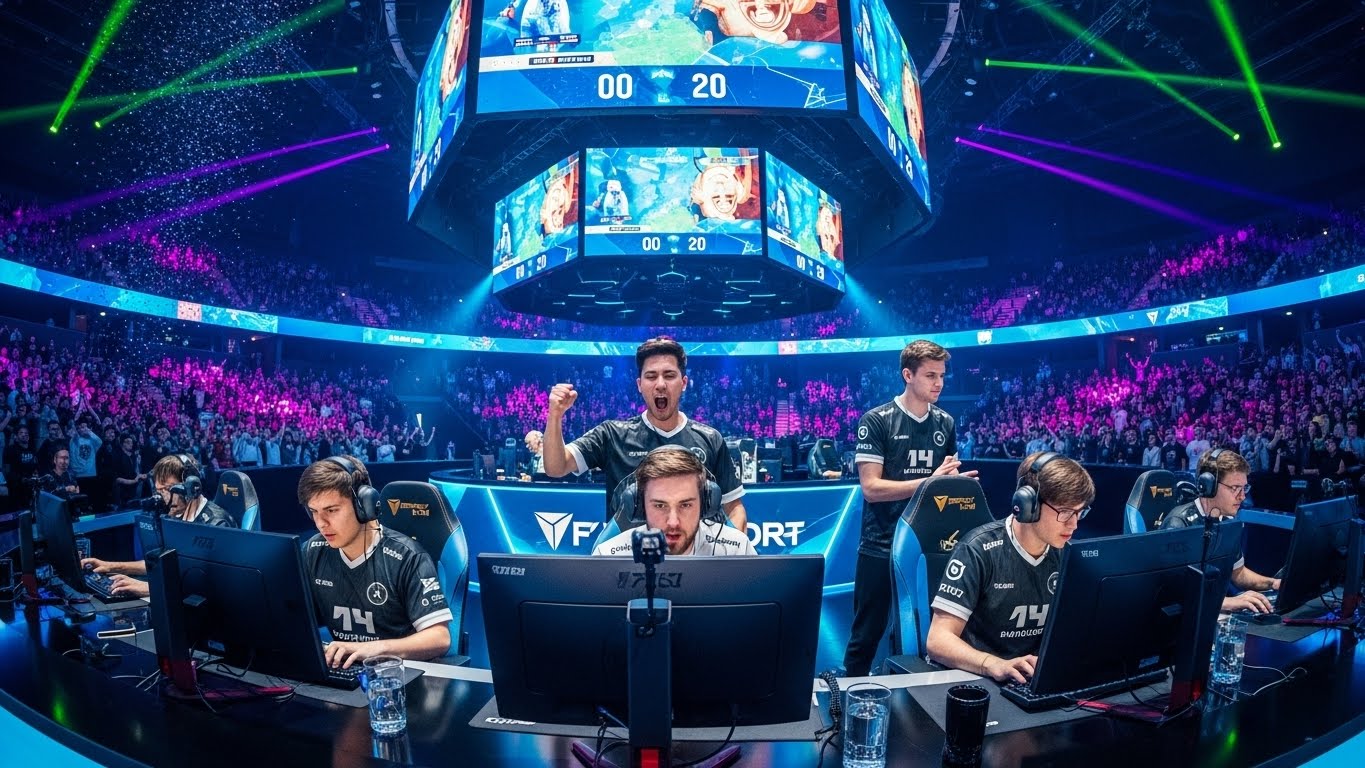
Major tournaments draw crowds that rival the largest traditional sports events. Stadiums fill with enthusiastic spectators, while millions more watch online. These events often feature high-production value, thrilling narratives, and passionate fanbases that elevate the experience far beyond simple gameplay.
The Role of Technology in Esports Growth
Technological advancements have played a crucial role in pushing esports into mainstream entertainment. Modern gaming hardware offers exceptional performance, enabling smoother gameplay and more immersive experiences. High-speed internet supports large-scale online tournaments where players compete in real time without geographical limitations.
Additionally, broadcasting tools and production technology have evolved to the point where esports events match or even surpass traditional sports broadcasts in quality. Overlays, replays, slow-motion analysis, and commentary enhance viewer engagement and make matches more accessible to newcomers.
Virtual reality and augmented reality are also beginning to influence esports. While still emerging, these technologies promise to introduce new game genres and competition formats that push the boundaries of digital competition.
Esports and Community Culture
Community is the heart of esports. Gaming communities are unique in their ability to unite people with shared interests regardless of location or background. These communities operate through forums, social media, streaming platforms, and live events, creating environments where fans and players interact directly.
Fan participation extends beyond simple spectating. They create content, offer strategic insights, celebrate victories, and support players during setbacks. This level of engagement strengthens the industry and fuels its rapid growth. Many fans even find opportunities within esports, contributing as artists, analysts, moderators, photographers, and event organizers.
Educational Opportunities in Esports
The academic world has begun acknowledging the significance of esports. Universities and colleges around the world now offer scholarships for talented players, much like traditional athletic programs. Academic degrees focusing on game design, esports management, broadcasting, and digital marketing are increasingly common.
These educational pathways legitimize esports and equip students with the skills needed to build careers in various sectors within the industry. As academic support expands, esports becomes more structured and sustainable for long-term growth.
The Economic Impact of Esports
Esports has become a powerful economic driver. Sponsorship deals, advertising revenue, merchandise sales, ticketed events, and media rights contribute to its booming financial landscape. Major brands from technology, fashion, energy drinks, and even luxury goods invest heavily in esports as they recognize its influence over younger demographics.
This financial influx fuels new opportunities for jobs, infrastructure development, and international partnerships. Cities host major tournaments that attract tourism, hospitality revenue, and global attention. Esports arenas are being built worldwide, solidifying the industry’s long-term potential.
The Competitive Spirit and Mental Challenges
The intense competitive environment within esports demands not only mechanical skill but also mental strength. Players must maintain focus, react quickly, and make split-second strategic decisions. They often train for many hours daily, practicing coordination, team communication, and advanced game theory.
However, the pressure to perform can lead to burnout, stress, and fatigue. Recognizing this, many organizations now prioritize player health by incorporating wellness programs, mental health support, and mandatory rest periods. This shift mirrors traditional sports frameworks and ensures the sustainable development of players’ careers.
The Future of Esports
The future of esports looks incredibly promising. With continuous technological advancements, expanding global viewership, and increasing corporate investment, the industry is poised to reach new heights. Emerging technologies such as artificial intelligence, virtual reality, and advanced analytics will redefine how games are played, coached, and watched.
Esports may also integrate more deeply into traditional sports, with hybrid events and cross-industry partnerships becoming more common. As public perception evolves, esports will continue earning respect as a professional, competitive, and culturally significant domain.
Conclusion: A New Era of Competitive Entertainment
Esports stands at the forefront of modern entertainment, fueled by passionate communities, groundbreaking technology, and a new generation of digital athletes. It has transformed how people consume media, how they connect socially, and how they compete. What began as a simple pastime has become a global powerhouse that reshapes the future of sports and entertainment.
As the industry continues to expand, it provides opportunities for players, creators, educators, businesses, and fans alike. The world of esports is still evolving, and its journey has only just begun. Its influence will continue to shape digital culture and redefine what it means to compete in a connected world.