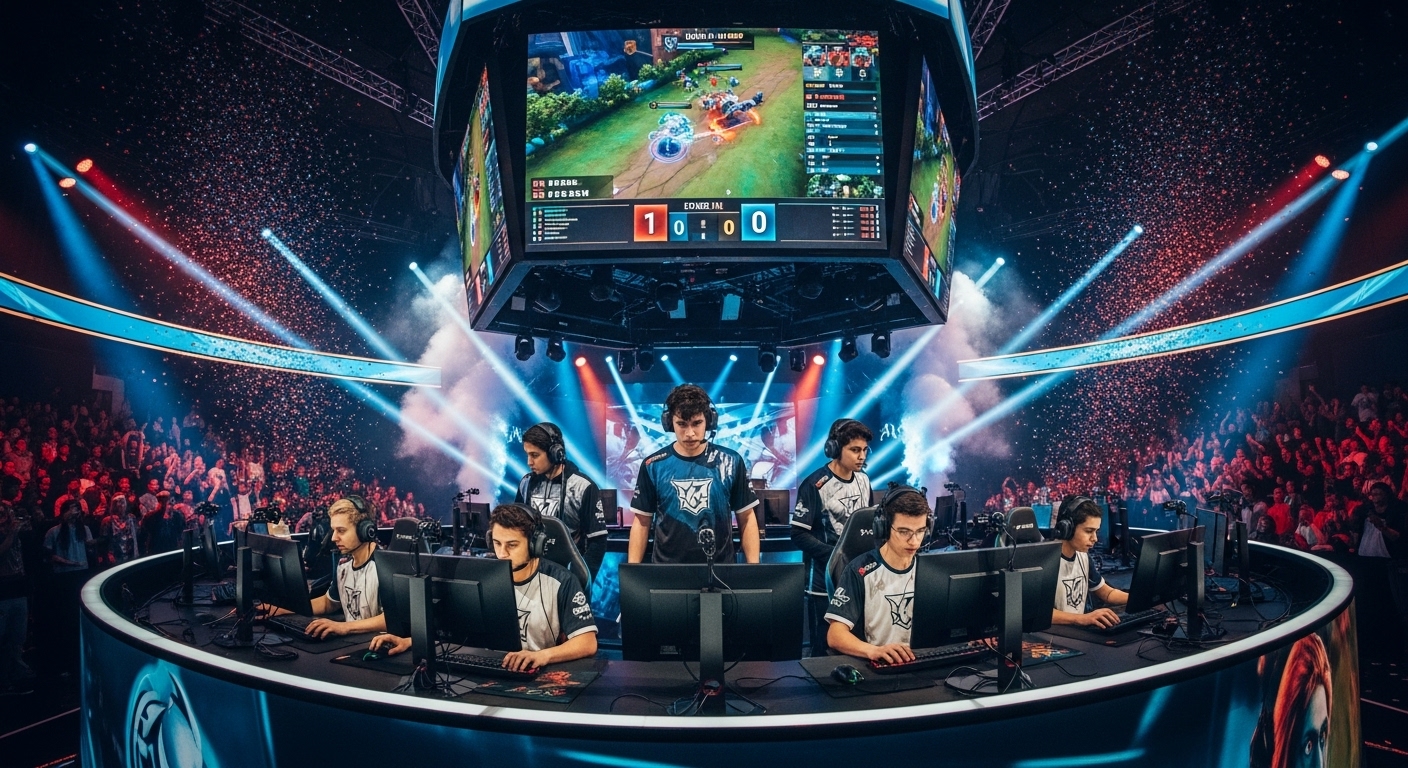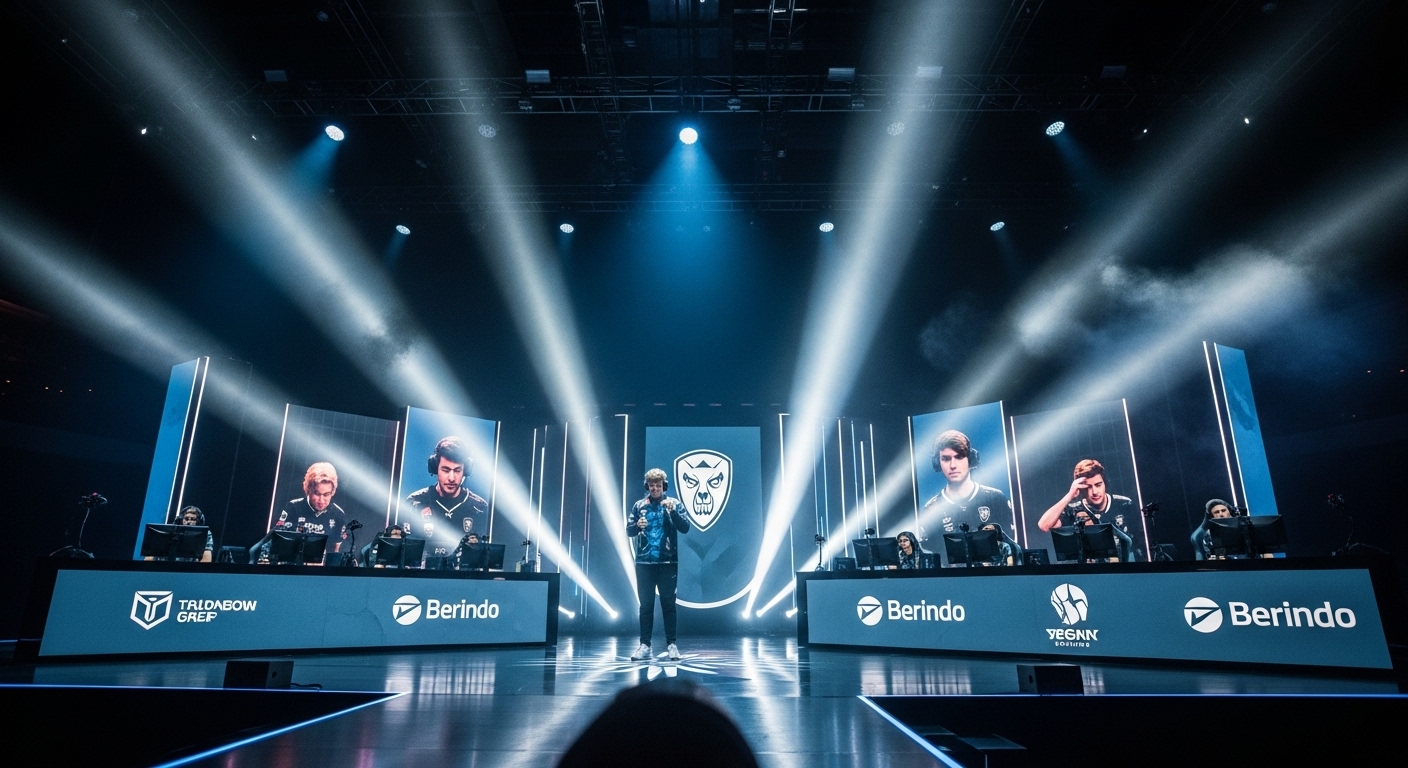
Esports, or electronic sports, is no longer a fringe hobby enjoyed by a select group of gamers. It has evolved into a global phenomenon that captivates millions of people worldwide, combining the thrill of competitive gaming with the excitement of professional sports. From local tournaments to international competitions, esports has grown into a multi-billion-dollar industry, with professional players, teams, broadcasters, and sponsors fueling its rapid rise. This blog post will explore the journey of esports from its humble beginnings to its current status as a powerhouse of entertainment, examining the key elements that have contributed to its success, the impact it has had on the gaming world, and what the future holds for this booming industry.
The Origins of Esports: A Competitive Gaming Revolution
Esports didn’t appear overnight. Its roots can be traced back to the early days of video gaming when competitive play was primarily a local affair. In the 1970s, the first recorded video game competition took place at Stanford University, where students competed in a game called Spacewar. Although small and informal, this event was a precursor to what would eventually become a worldwide competitive gaming movement.
In the following decades, competitive gaming began to gain traction in arcades and among the nascent PC gaming community. Titles like Pong, Pac-Man, and later Street Fighter sparked interest in head-to-head competition, though these early tournaments were mostly casual. The real turning point for competitive gaming came with the rise of multiplayer online games in the 1990s, which allowed players from around the world to compete against each other in real-time.
By the late 1990s, StarCraft became the game that launched esports into the mainstream, particularly in South Korea, where it gained a massive following. The StarCraft scene grew so large that professional gaming leagues were formed, and tournaments began to be broadcast on national television. This marked the beginning of organized esports as we know it today, with large audiences, sponsorships, and professional players.
The Growth of Esports: From Online Tournaments to Global Leagues
As internet speeds increased and gaming technology improved, the scope of esports expanded dramatically. The early 2000s saw the rise of online multiplayer games like Warcraft III, Counter-Strike, and Dota, which provided the foundation for esports’ growth. The development of streaming platforms, particularly Twitch, further revolutionized the esports landscape. Founded in 2011, Twitch allowed gamers to stream their gameplay live, creating a new avenue for fans to follow their favorite players and teams. This accessibility made esports not only a local pastime but a global phenomenon.
One of the defining moments in esports’ rise to prominence came in 2013 when the League of Legends World Championship was held in Los Angeles. The event attracted millions of viewers worldwide, setting a new record for online viewership in esports. The League of Legends Championship Series (LCS) also became a key pillar in the competitive gaming scene, organizing professional leagues in North America, Europe, and other regions.
Simultaneously, games like Dota 2 and Counter-Strike: Global Offensive (CS:GO) continued to fuel the competitive gaming ecosystem with high-profile tournaments and sizable prize pools. The introduction of the Dota 2 International in 2011, with its unprecedented prize pool funded by community contributions, set a new standard for esports competitions. In fact, prize money in esports tournaments now rivals that of many traditional sports leagues, drawing talent from all corners of the globe.
The Structure of Esports: Teams, Leagues, and Tournaments
At its core, esports is organized around teams, leagues, and tournaments. Professional esports teams consist of highly skilled players who specialize in particular games, much like how traditional sports teams field players with specific roles. These teams compete in leagues and tournaments for prestige and significant monetary rewards. But what truly sets esports apart is its structure and the variety of formats in which players and teams can participate.
Professional Leagues
Much like professional sports leagues, esports has its own set of organized leagues that attract top-tier talent from around the world. Leagues like the League of Legends Championship Series (LCS), Overwatch League, and Call of Duty League have created a system where professional teams are fielded, and players participate in regular seasons, playoffs, and championship events. These leagues provide a steady and stable environment for players to develop their skills, build team dynamics, and compete for lucrative prize pools.
The Overwatch League has become one of the most innovative esports leagues, with a city-based franchise system that mimics traditional sports leagues like the NBA or NFL. Teams in the league are named after cities or regions, such as the Los Angeles Gladiators and the Seoul Dynasty, and they compete in a regular season followed by playoff matches and a grand finals event.
Tournaments and Major Events
Esports tournaments, both online and offline, are the heart and soul of the competitive gaming scene. Tournaments often feature huge cash prizes, sponsorships, and media coverage. The Dota 2 International, League of Legends World Championship, and ESL One are just a few examples of tournaments that consistently draw millions of viewers.
Tournaments are often organized by game publishers, third-party organizers, or esports organizations. These events take place in massive arenas with live audiences, while simultaneously being streamed to millions of viewers worldwide. The importance of these tournaments extends beyond the financial rewards; they are also platforms for players to gain recognition, solidify their legacy, and leave a mark on the esports community.
The Impact of Sponsorships and Media on Esports
One of the driving forces behind the growth of esports has been the infusion of sponsorships and media coverage. Major companies, including tech giants like Intel, Nvidia, and Red Bull, as well as mainstream brands like Coca-Cola, Toyota, and Audi, have all become heavily involved in the esports ecosystem. These sponsorships provide the financial support that fuels both tournaments and professional teams.
With millions of fans worldwide, esports has become a valuable advertising and marketing opportunity for brands. Sponsorships are typically tied to tournaments, events, and individual players. For example, team jerseys and player streams often feature logos from major brands. These partnerships have become a cornerstone of the esports economy, generating significant revenue for both tournament organizers and players.
Media coverage is also essential to esports’ success. Platforms like Twitch and YouTube have become the primary venues for esports broadcasts. These platforms offer fans the chance to watch live streams, view highlights, and interact with content creators. In addition to digital streaming platforms, traditional sports networks like ESPN have also started broadcasting major esports events, further legitimizing esports as a mainstream form of entertainment.
Esports as a Career: The Players, Streamers, and Coaches
For many gamers, esports has become a legitimate career path. Professional esports players, often starting at a young age, train extensively to perfect their skills in specific games. Just like in traditional sports, players are recruited by professional teams and organizations, signing contracts that provide them with salaries, benefits, and sponsorships. These players often dedicate themselves to constant practice, scrims (practice matches), and tournament preparation.
The rise of streaming platforms like Twitch has also given gamers the opportunity to turn their passion for gaming into a career without necessarily being a professional player. Popular streamers who build a loyal following can earn money through ads, donations, sponsorships, and subscriptions. Many top-tier streamers have a massive impact on the gaming community, influencing the way fans engage with the games they play. Some streamers even transition into full-time content creation or commentary, providing valuable analysis and entertainment during live events.
In addition to players and streamers, coaches and analysts have become integral members of the esports ecosystem. Just as in traditional sports, teams employ coaches to guide players in strategy and mental preparation. Analysts provide insight into the gameplay, helping both teams and fans understand the nuances of competitive matches. The role of the coach is crucial to the success of any esports team, as they bring tactical expertise and help players work together as a cohesive unit.
Esports and Its Global Community
One of the defining features of esports is its global appeal. Unlike traditional sports, which may be limited by geographical boundaries, esports can be played and followed by people from all over the world. This international aspect has helped foster a sense of community and camaraderie among fans, who bond over their shared love of gaming.
Esports has become a platform for players and fans from diverse backgrounds to connect. Online forums, social media, and live streaming platforms allow fans to interact with players, analysts, and other members of the community in real time. The ability to communicate with other fans from different cultures and regions has made esports more inclusive and accessible, creating a universal language of gaming.
The global reach of esports is also evident in its diverse player base. While the industry has its origins in North America, Europe, and East Asia, today, players from all over the world compete at the highest level. South America, Southeast Asia, and even the Middle East have become burgeoning esports hubs, with local tournaments and players making their mark on the global stage.
The Future of Esports: Innovation, Growth, and Challenges
The future of esports looks incredibly promising, with continued innovation, growth, and expansion. One of the biggest drivers of this growth is mobile gaming. Mobile esports titles like PUBG Mobile, Free Fire, and Mobile Legends have gained immense popularity, particularly in regions like Southeast Asia and India. As smartphones continue to improve in terms of processing power and graphics, mobile esports are expected to play a major role in the future of the industry.
Virtual reality (VR) and augmented reality (AR) also present exciting opportunities for the evolution of esports. These technologies could bring a new level of immersion to competitive gaming, allowing players and fans